Abstract : The superior engineering properties and excellent biocompatibility of titanium alloy (Ti6Al4V) stimulate applications in biomedical industries. Electric discharge machining, a widely used process in advanced applications, is an attractive option that simultaneously offers machining and surface modification. In this study, a comprehensive list of roughening levels of process variables such as pulse current, pulse ON time, pulse OFF time, and polarity, along with four tool electrodes of graphite, copper, brass, and aluminum are evaluated (against two experimentation phases) using a SiC powder-mixed dielectric. The process is modeled using the adaptive neural fuzzy inference system (ANFIS) to produce surfaces with relatively low roughness. A thorough parametric, microscopical, and tribological analysis campaign is established to explore the physical science of the process. For the case of the surface generated through aluminum, a minimum friction force of ~25 N is observed compared with the other surfaces. The analysis of variance shows that the electrode material (32.65%) is found to be significant for the material removal rate, and the pulse ON time (32.15%) is found to be significant for arithmetic roughness. The increase in pulse current to 14 A shows that the roughness increased to ~4.6 µm with a 33% rise using the aluminum electrode. The increase in pulse ON time from 50 µs to 125 µs using the graphite tool resulted in a rise in roughness from ~4.5 µm to ~5.3 µm, showing a 17% rise. Keywords: titanium alloy; Ti6Al4V; electrical discharge machining; surface topography; parametric analysis; tribology Abstract : The superior engineering properties and excellent biocompatibility of titanium alloy (Ti6Al4V) stimulate applications in biomedical industries. Electric discharge machining, a widely used process in advanced applications, is an attractive option that simultaneously offers machining and surface modification. In this study, a comprehensive list of roughening levels of process variables such as pulse current, pulse ON time, pulse OFF time, and polarity, along with four tool electrodes of graphite, copper, brass, and aluminum are evaluated (against two experimentation phases) using a SiC powder-mixed dielectric. The process is modeled using the adaptive neural fuzzy inference system (ANFIS) to produce surfaces with relatively low roughness. A thorough parametric, microscopical, and tribological analysis campaign is established to explore the physical science of the process. For the case of the surface generated through aluminum, a minimum friction force of ~25 N is observed compared with the other surfaces. The analysis of variance shows that the electrode material (32.65%) is found to be significant for the material removal rate, and the pulse ON time (32.15%) is found to be significant for arithmetic roughness. The increase in pulse current to 14 A shows that the roughness increased to ~4.6 µm with a 33% rise using the aluminum electrode. The increase in pulse ON time from 50 µs to 125 µs using the graphite tool resulted in a rise in roughness from ~4.5 µm to ~5.3 µm, showing a 17% rise. Keywords: titanium alloy; Ti6Al4V; electrical discharge machining; surface topography; parametric analysis; tribology Abstract : The superior engineering properties and excellent biocompatibility of titanium alloy (Ti6Al4V) stimulate applications in biomedical industries. Electric discharge machining, a widely used process in advanced applications, is an attractive option that simultaneously offers machining and surface modification. In this study, a comprehensive list of roughening levels of process variables such as pulse current, pulse ON time, pulse OFF time, and polarity, along with four tool electrodes of graphite, copper, brass, and aluminum are evaluated (against two experimentation phases) using a SiC powder-mixed dielectric. The process is modeled using the adaptive neural fuzzy inference system (ANFIS) to produce surfaces with relatively low roughness. A thorough parametric, microscopical, and tribological analysis campaign is established to explore the physical science of the process. For the case of the surface generated through aluminum, a minimum friction force of ~25 N is observed compared with the other surfaces. The analysis of variance shows that the electrode material (32.65%) is found to be significant for the material removal rate, and the pulse ON time (32.15%) is found to be significant for arithmetic roughness. The increase in pulse current to 14 A shows that the roughness increased to ~4.6 µm with a 33% rise using the aluminum electrode. The increase in pulse ON time from 50 µs to 125 µs using the graphite tool resulted in a rise in roughness from ~4.5 µm to ~5.3 µm, showing a 17% rise. Keywords: titanium alloy; Ti6Al4V; electrical discharge machining; surface topography; parametric analysis; tribology The superior engineering properties and excellent biocompatibility of titanium alloy (Ti6Al4V) stimulate applications in biomedical industries. Electric discharge machining, a widely used process in advanced applications, is an attractive option that simultaneously offers machining and surface modification. In this study, a comprehensive list of roughening levels of process variables such as pulse current, pulse ON time, pulse OFF time, and polarity, along with four tool electrodes of graphite, copper, brass, and aluminum are evaluated (against two experimentation phases) using a SiC powder-mixed dielectric. The process is modeled using the adaptive neural fuzzy inference system (ANFIS) to produce surfaces with relatively low roughness. A thorough parametric, microscopical, and tribological analysis campaign is established to explore the physical science of the process. For the case of the surface generated through aluminum, a minimum friction force of ~25 N is observed compared with the other surfaces. The analysis of variance shows that the electrode material (32.65%) is found to be significant for the material removal rate, and the pulse ON time (32.15%) is found to be significant for arithmetic roughness. The increase in pulse current to 14 A shows that the roughness increased to ~4.6 µm with a 33% rise using the aluminum electrode. The increase in pulse ON time from 50 µs to 125 µs using the graphite tool resulted in a rise in roughness from ~4.5 µm to ~5.3 µm, showing a 17% rise. Keywords: titanium alloy; Ti6Al4V; electrical discharge machining; surface topography; parametric analysis; tribology Keywords: titanium alloy; Ti6Al4V; electrical discharge machining; surface topography; parametric analysis; tribology Keywords:
周老师: 13321314106
王老师: 17793132604


邮箱号码: lub@licp.cas.cn




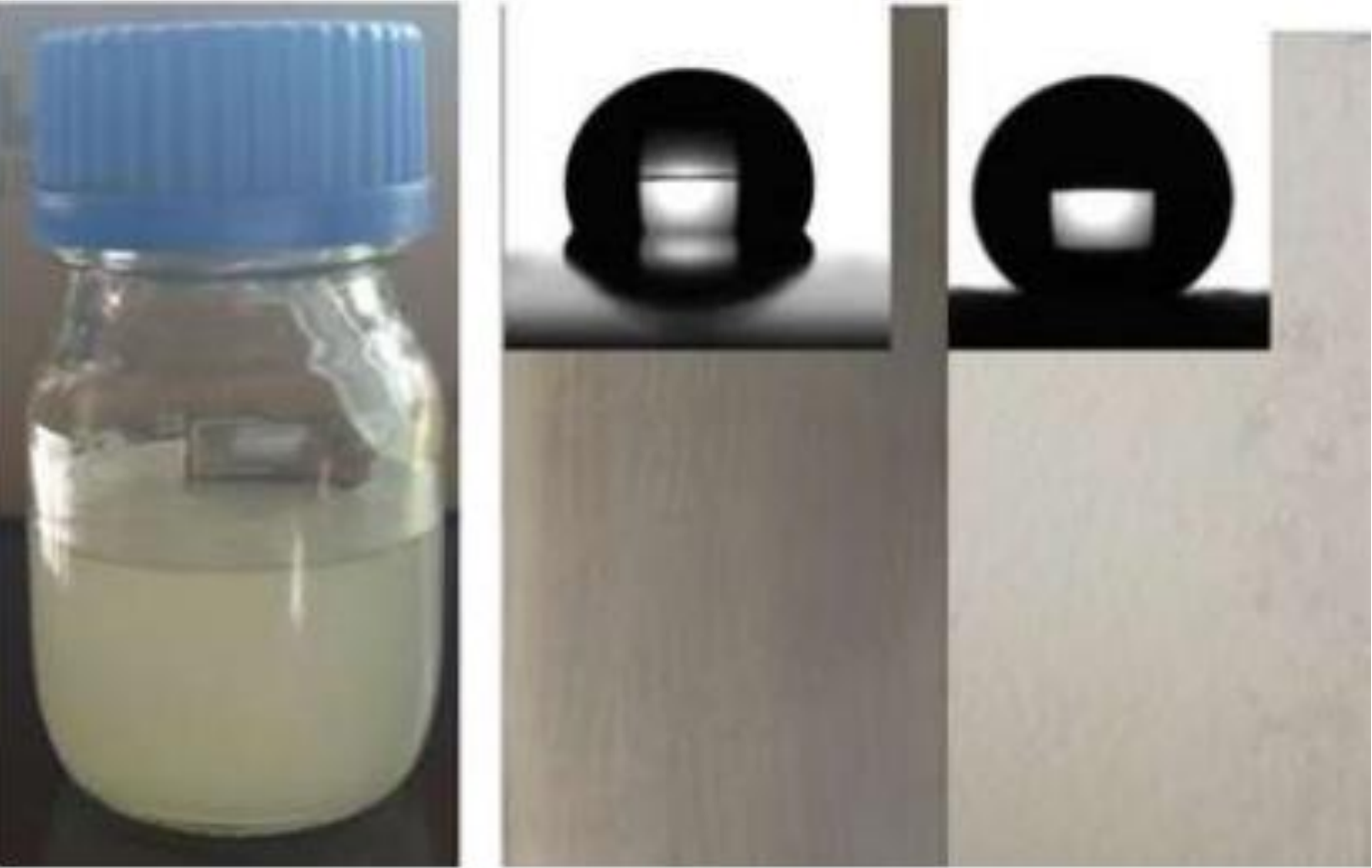
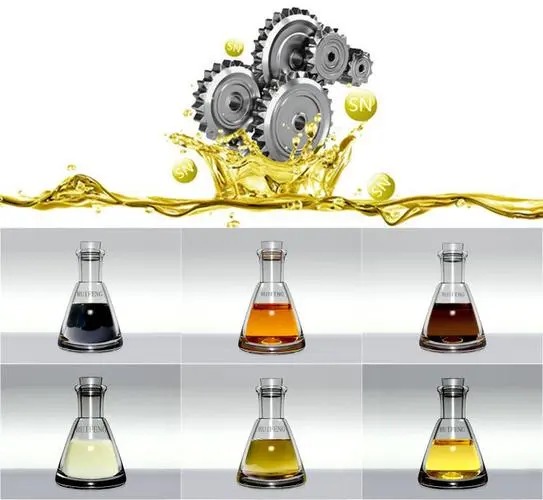 润滑剂
润滑剂
 润滑油添加剂
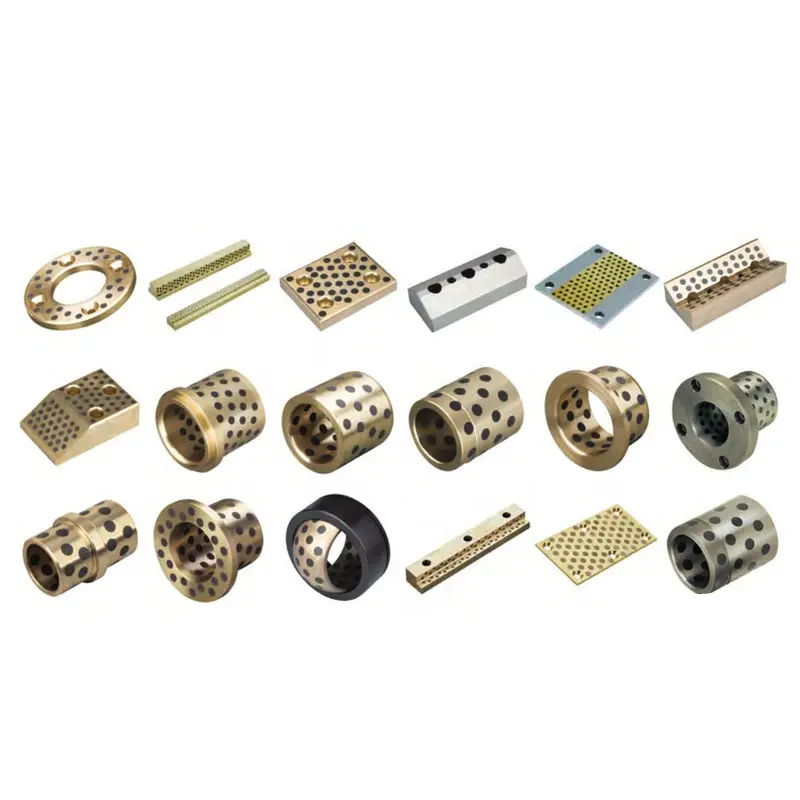 自润滑材料
自润滑材料
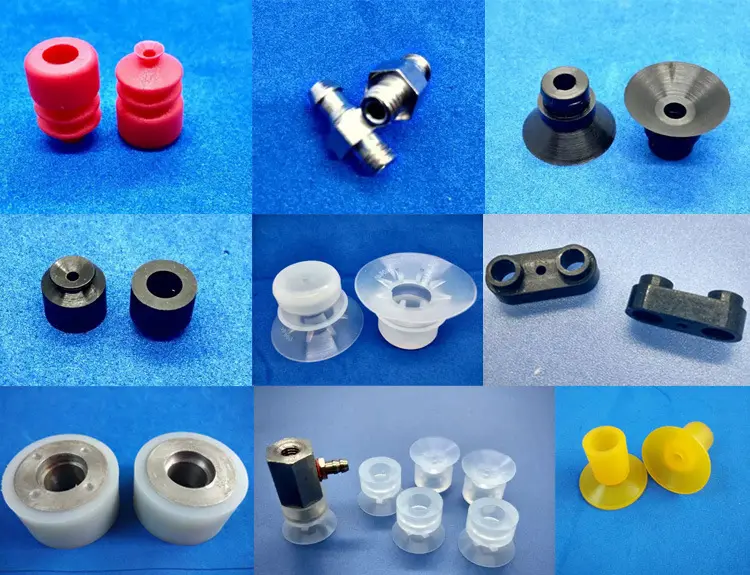 密封材料
密封材料
 新兴材料
新兴材料
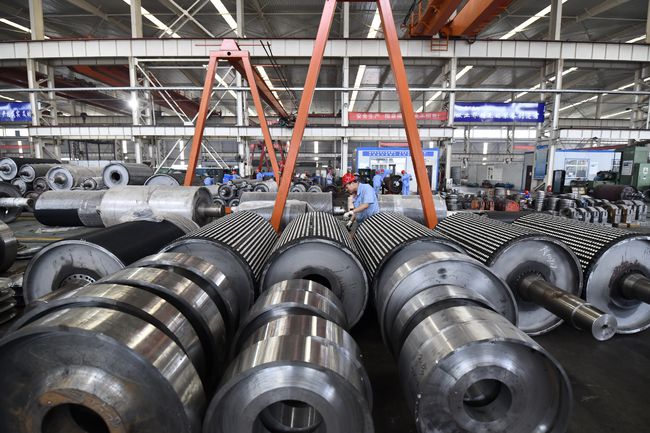 加工设备
加工设备
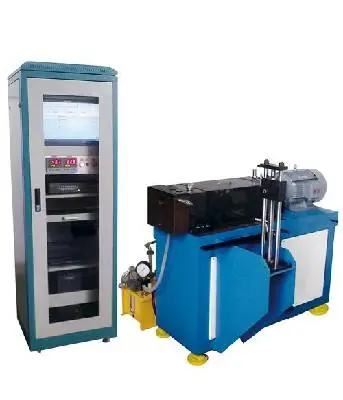 摩擦试验机
摩擦试验机
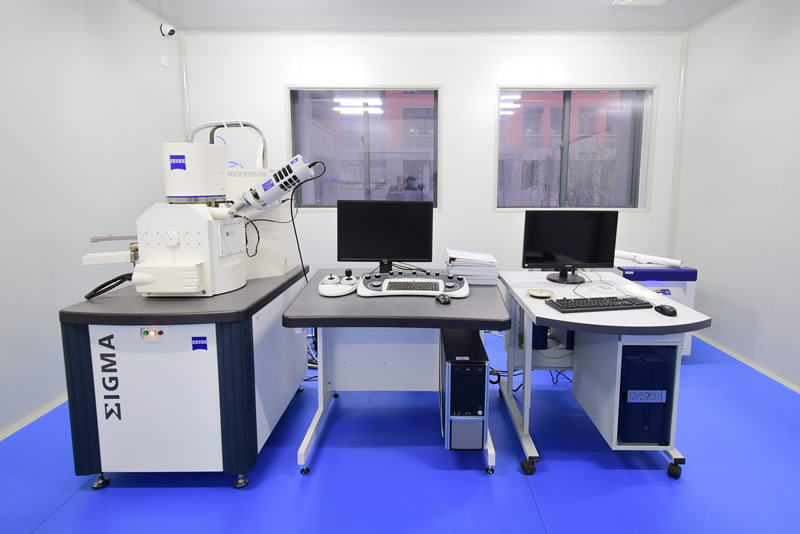 大型表征仪器
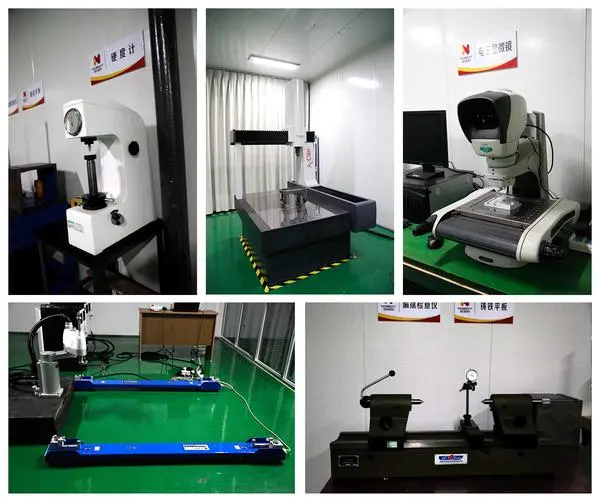 小型测试设备