The tribological performance and wear mechanism of polyetheretherketone (PEEK)/17–4PH stainless steel, PEEK/silicon carbide (SiC), WC-6Ni (YN6X)/SiC and SiC/polycrystalline diamond composite (PCD) tribopairs sliding in seawater at different temperatures (ranged from 25 °C to 70 °C) and salinities (20‰, 35‰ and 50‰) was investigated. A deep neural network model was used to predict the coefficient of friction, combining a one-dimensional CNN and an LSTM. The experiment results showed that increasing salinity led to a decrease in tribological performance of the tribopairs, while the performance effectively improved within the temperature range of 25–55 °C. The CNN-LSTM model demonstrated high accuracy in predicting results, which is significant for analyzing the tribological characteristics of tribopairs in seawater hydraulic components.
周老师: 13321314106
王老师: 17793132604


邮箱号码: lub@licp.cas.cn





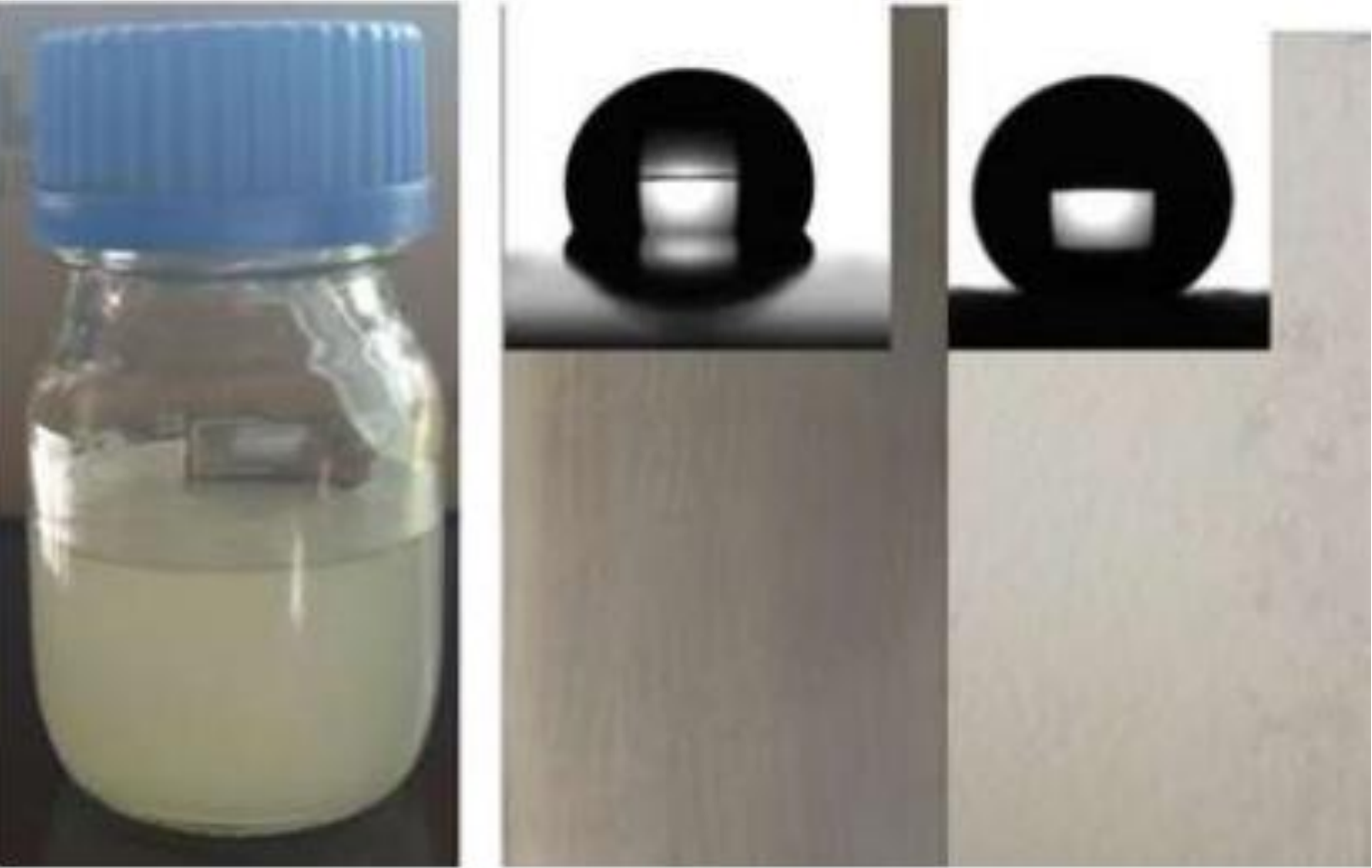
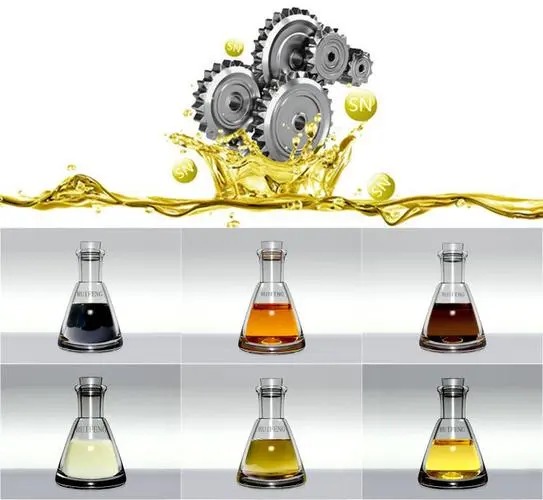 润滑剂
润滑剂
 润滑油添加剂
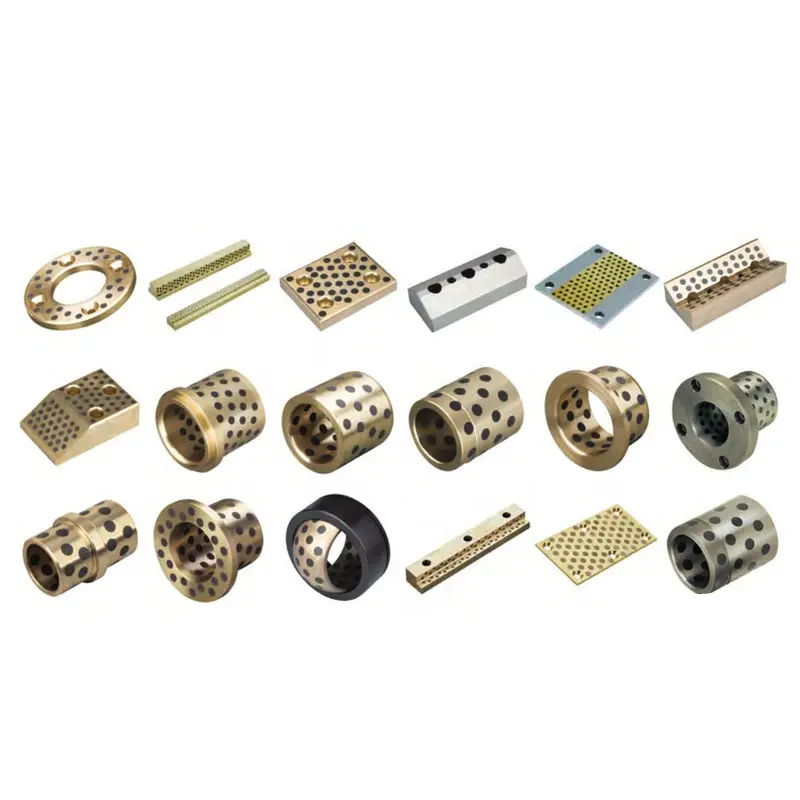 自润滑材料
自润滑材料
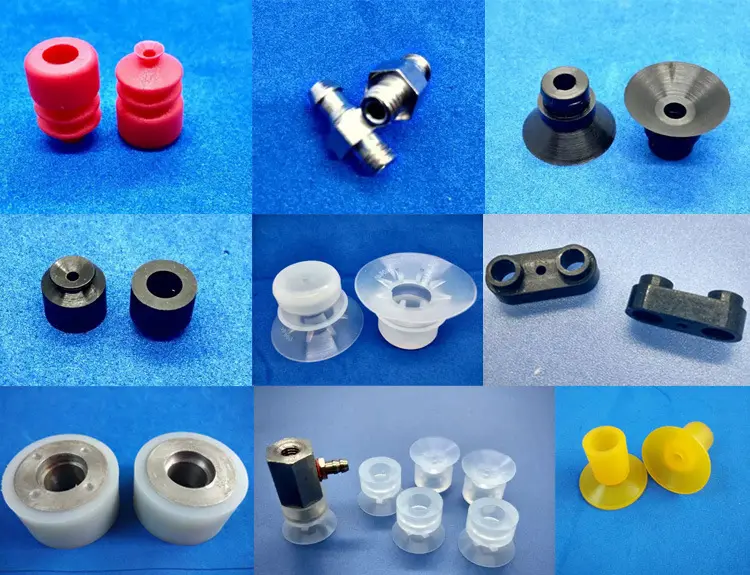 密封材料
密封材料
 新兴材料
新兴材料
 加工设备
加工设备
 摩擦试验机
摩擦试验机
 大型表征仪器
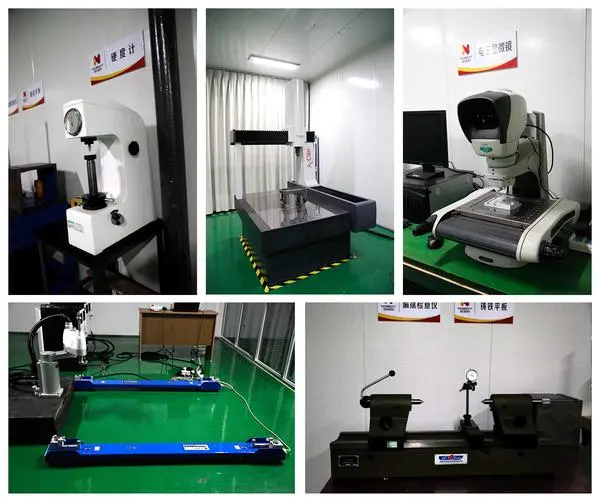 小型测试设备