Moiré patterns formed by twisting and heterojunction formation have significant regulatory effects on frictional behavior, but no work has studied them through first-principles calculations combined with friction equations. In this paper, we studied the interlayer frictional properties of graphene/graphene (G/G) and graphene/hexagonal boron nitride (G/hBN) systems at different twist angles using first principles combined with the Prandtl-Tomlinson (PT), Frenkel-Kontorova (FK) and Frenkel-Kontorova-Tomlinson (FKT) models. The Moiré patterns formed by twisting and heterojunctions help to reduce the energy barrier of the system’s potential energy surface (PES), thereby reducing the friction force. The stick-slip processes of the friction system are related to the energy barrier, and the reduction in the energy barrier helps transition from stick-slip to continuous sliding. The calculation results of friction models are highly consistent with reported experimental results, showing that twisting and heterojunction formation significantly reduce frictional force. Among the three models, the PT model is better in describing superlubricity during incommensurate contact. This work deepens the understanding of Moiré pattern regulation of frictional behavior and proposes a new method using a friction model combined with first principles to study frictional phenomena.
周老师: 13321314106
王老师: 17793132604


邮箱号码: lub@licp.cas.cn





 润滑剂
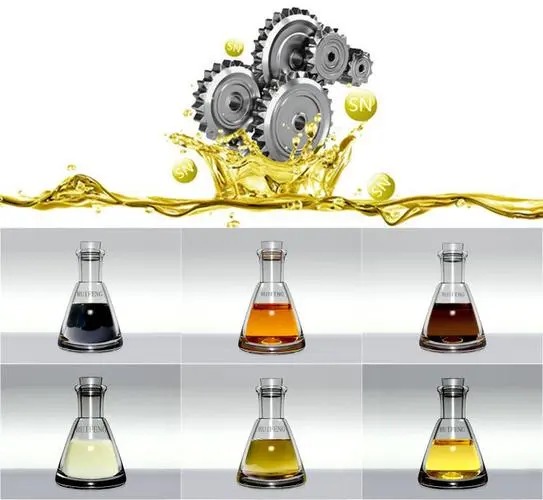
润滑剂
 润滑油添加剂
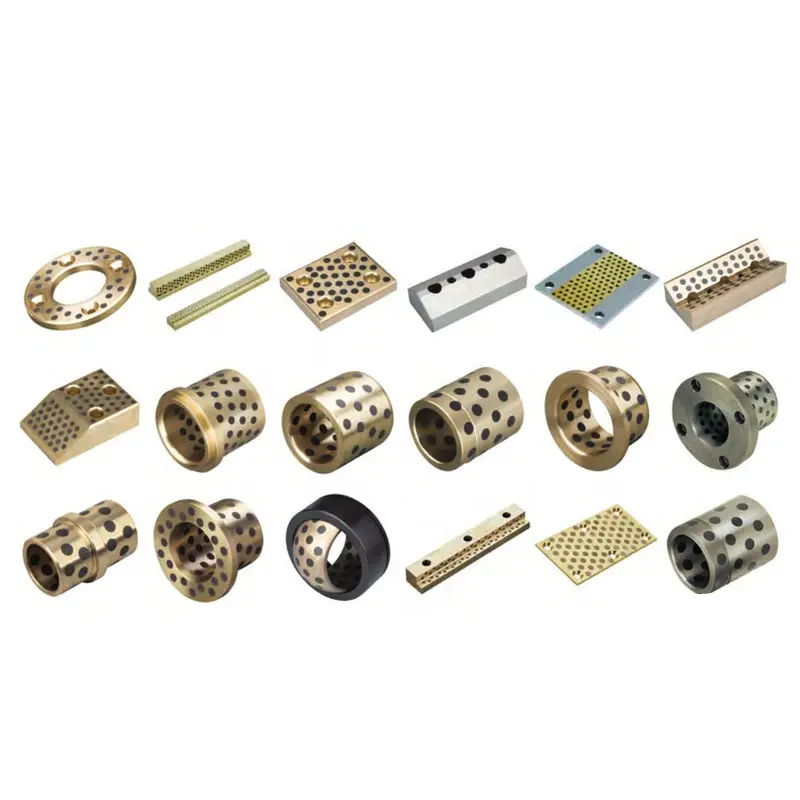 自润滑材料
自润滑材料
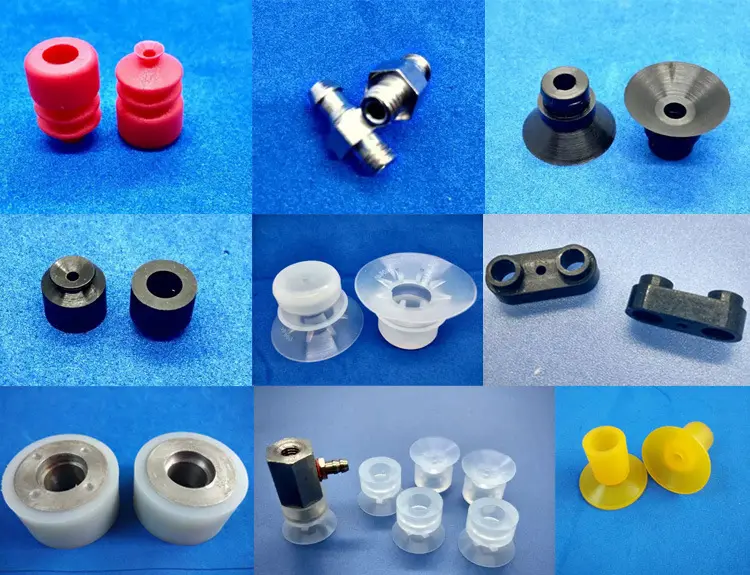 密封材料
密封材料
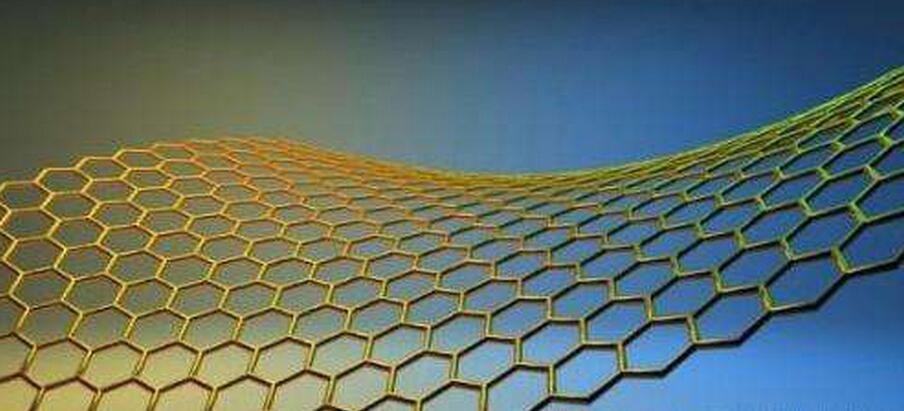 新兴材料
新兴材料
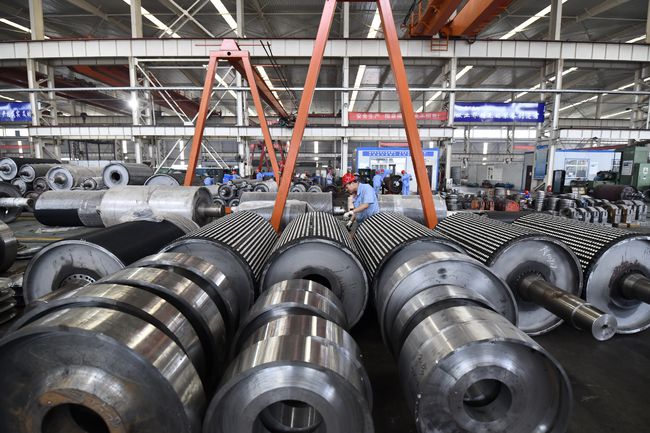 加工设备
加工设备
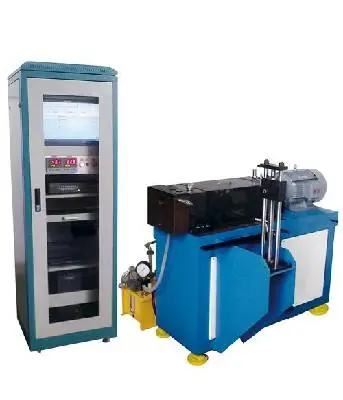 摩擦试验机
摩擦试验机
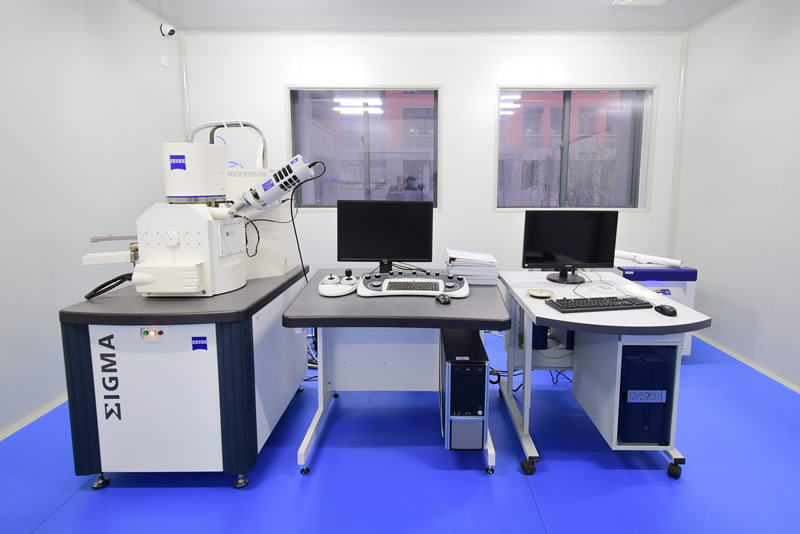 大型表征仪器
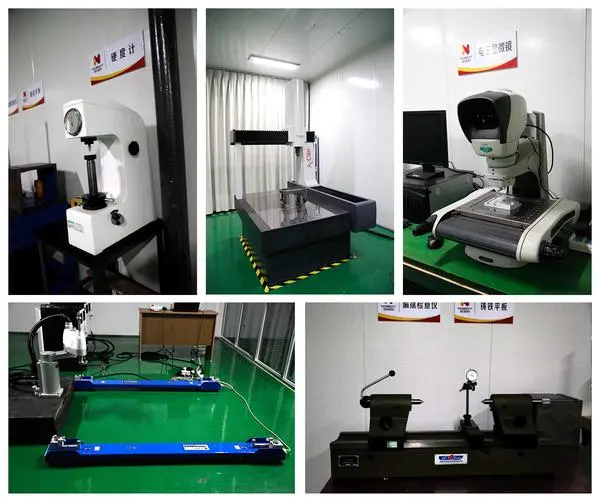 小型测试设备