Design/methodology/approach This study employs an experimental approach to analyze the performance characteristics of mild steel-based hydrodynamic journal bearings under varying load and speed conditions. A test rig was designed to measure circumferential pressure distribution using SAE 20W40 lubricant at rotational speeds of 250, 500 and 750 RPM and loads of 0, 0.25 and 0.50 kg. Optical Emission Spectroscopy (OES) was used for material characterization. Taguchi optimization with an L18 orthogonal array and analysis of variance (ANOVA) analysis were applied to identify key influencing factors. The findings provide insights into lubrication dynamics and bearing efficiency, contributing to improved predictive maintenance and bearing design. Findings The study reveals that rotational speed significantly influences the pressure distribution in hydrodynamic journal bearings compared to applied load. Maximum pressure is observed at higher speeds, with peak values occurring between 120° and 150° bearing angles. Increased speeds enhance lubricant film stability, reducing metal-to-metal contact and improving bearing efficiency. Load variations shift the pressure peak but have a lesser impact on overall pressure distribution. Taguchi optimization and ANOVA confirm that speed is the dominant factor affecting bearing performance. These findings provide valuable insights for optimizing journal bearing design and improving lubrication strategies in rotating machinery applications. Research limitations/implications This study is limited to experimental investigations under controlled laboratory conditions, focusing on mild steel-based hydrodynamic journal bearings using SAE 20W40 lubricant. Variations in environmental factors, bearing materials and lubricant properties may influence real-world performance. Originality/value This study provides a novel experimental investigation into the pressure distribution characteristics of mild steel-based hydrodynamic journal bearings under varying load and speed conditions. Unlike previous research, it integrates Taguchi optimization and ANOVA to systematically analyze the influence of operational parameters. The findings offer new insights into lubrication dynamics, highlighting the dominant role of rotational speed in enhancing bearing efficiency. The study’s practical implications contribute to optimizing journal bearing design, reducing frictional losses, and improving predictive maintenance strategies. These results are valuable for researchers and engineers working on tribology, mechanical systems and industrial lubrication technologies.
周老师: 13321314106
王老师: 17793132604


邮箱号码: lub@licp.cas.cn




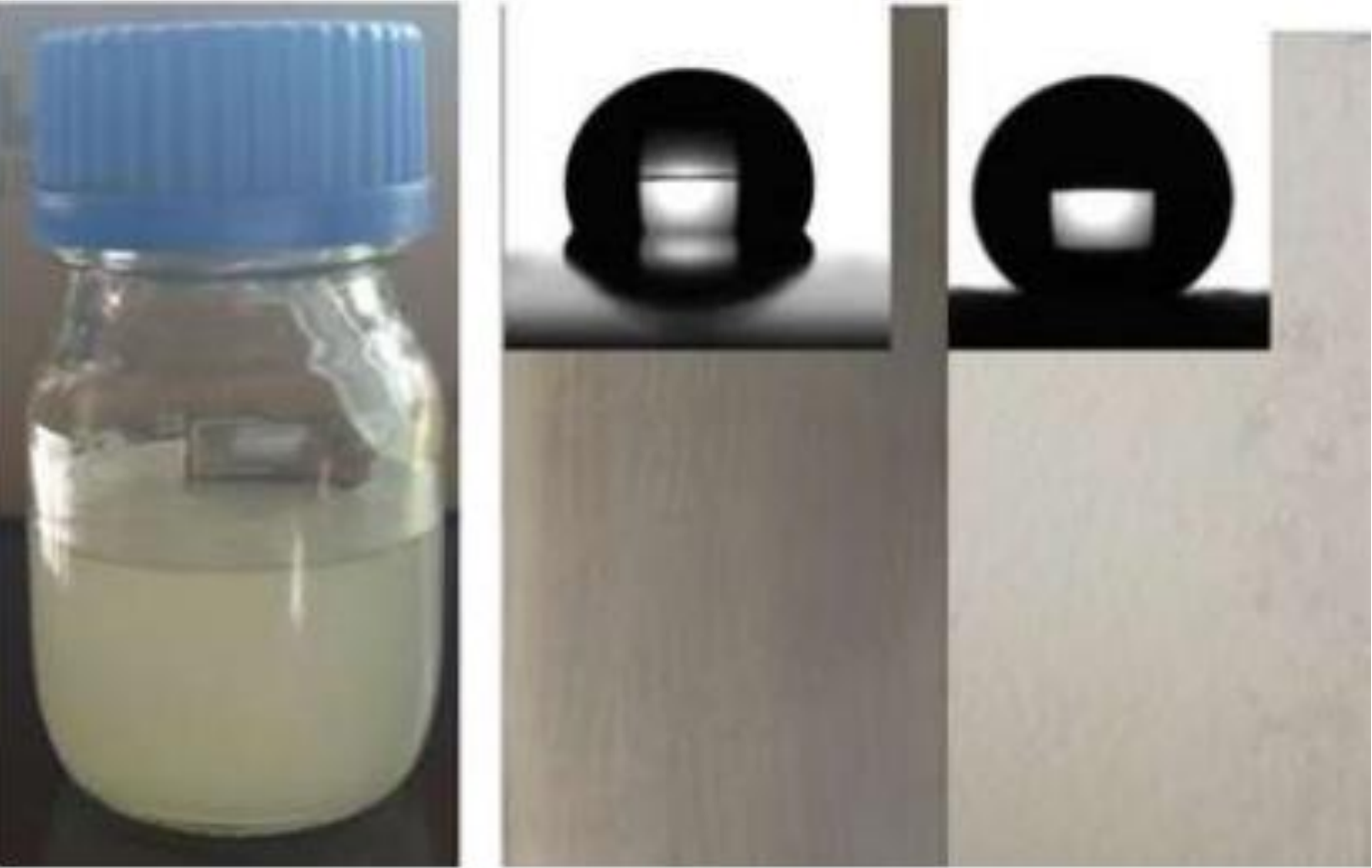
 润滑剂
润滑剂
 润滑油添加剂
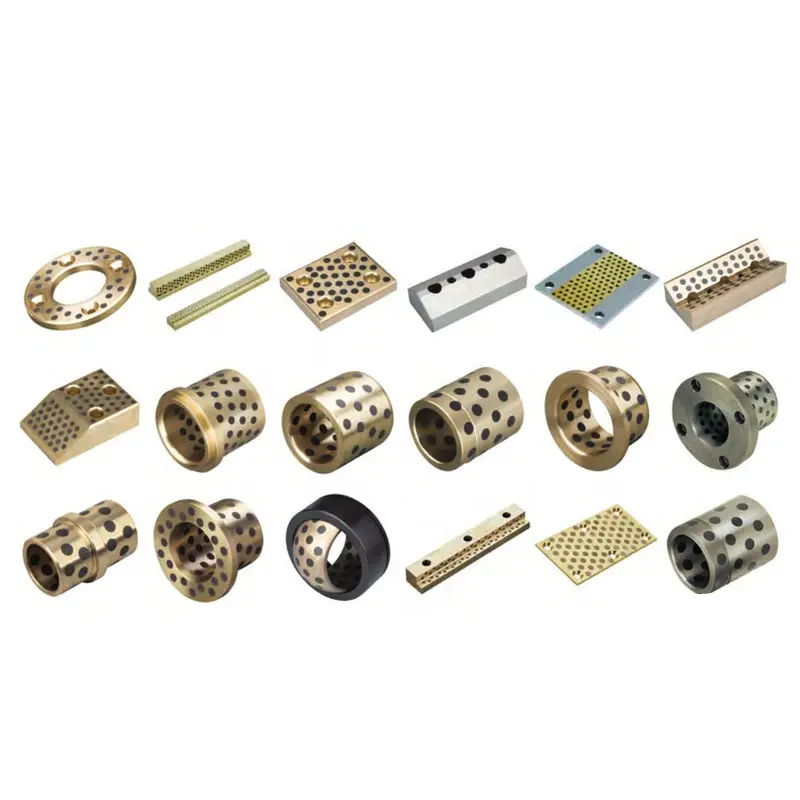 自润滑材料
自润滑材料
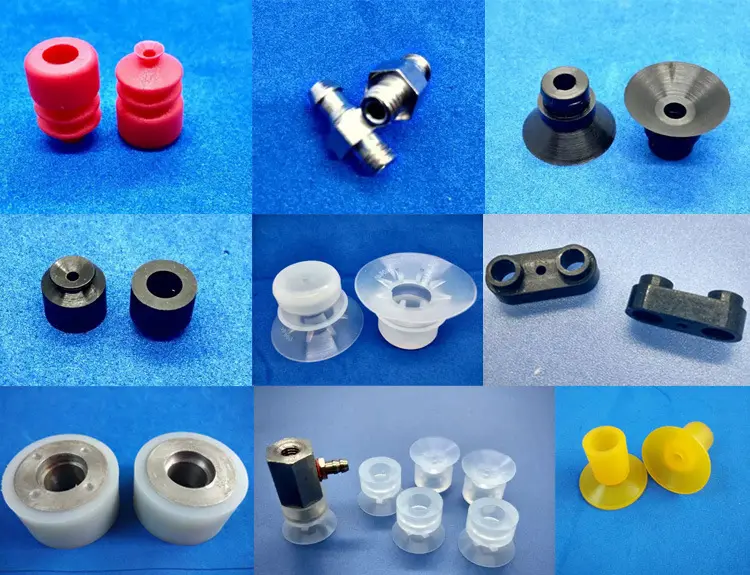 密封材料
密封材料
 新兴材料
新兴材料
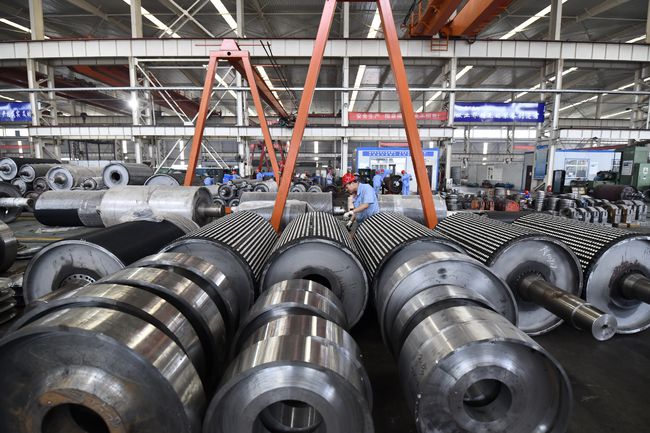 加工设备
加工设备
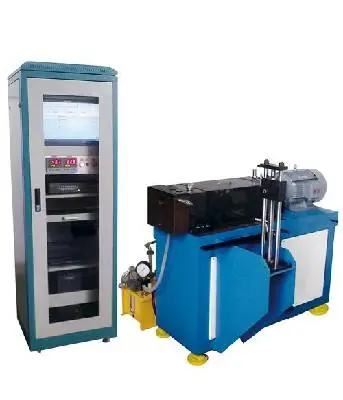 摩擦试验机
摩擦试验机
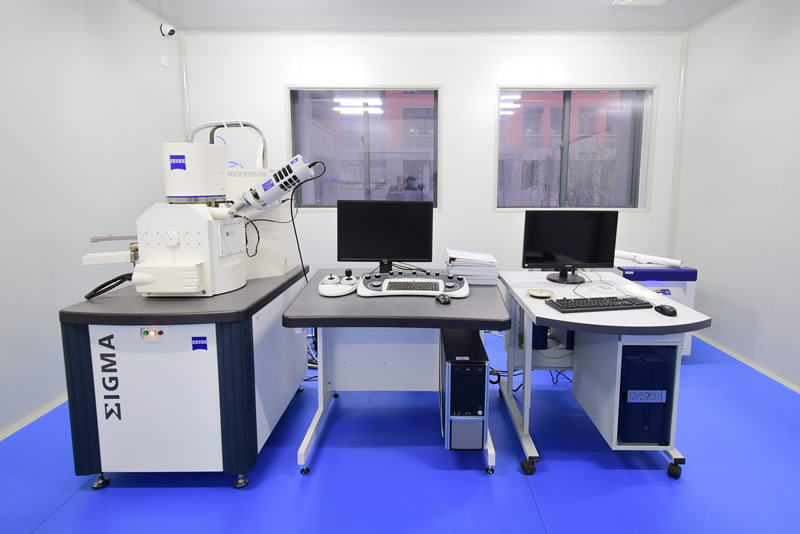 大型表征仪器
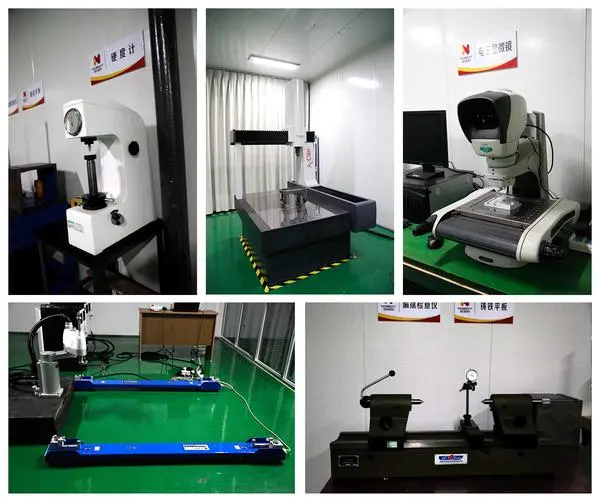 小型测试设备