The FeCoCrNiMo 0.2 high-entropy alloy exhibits excellent corrosion resistance due to its ability to suppress the precipitation of σ phase, thus possessing enormous application potential in the field of corrosion-resistant coatings. However, its insufficient mechanical properties limit its application scope. This study reports a method to reinforce FeCoCrNiMo 0.2 high-entropy alloy coatings by in-situ synthesizing M 2C-type carbides through the addition of graphene via laser cladding technology. As the graphene content increases, the microhardness of the composite coating gradually rises. At 0.8 wt% graphene content, the coating achieved a peak microhardness of 254.6 HV 0.5, representing a 21.1 % improvement over the HEA coating without graphene addition. Additionally, the wear resistance of the coating initially enhances, then decreases, and subsequently improves again with increasing graphene content. The optimal wear resistance occurred at 0.2 wt% graphene content, where wear volume decreased by 34.17 % compared with the HEA coating without graphene. However, the introduction of in-situ synthesized carbides compromises the integrity of the passive film and induces galvanic corrosion, leading to a gradual decline in corrosion resistance as graphene content increases. Notably, the coating with 0.2 wt% graphene maintained passive film integrity through repairable secondary passivation due to its fine carbide size. This work provides crucial insights into the mechanisms governing the influence of graphene-induced in-situ carbide synthesis on the microstructure and properties of HEA coatings.
周老师: 13321314106
王老师: 17793132604


邮箱号码: lub@licp.cas.cn





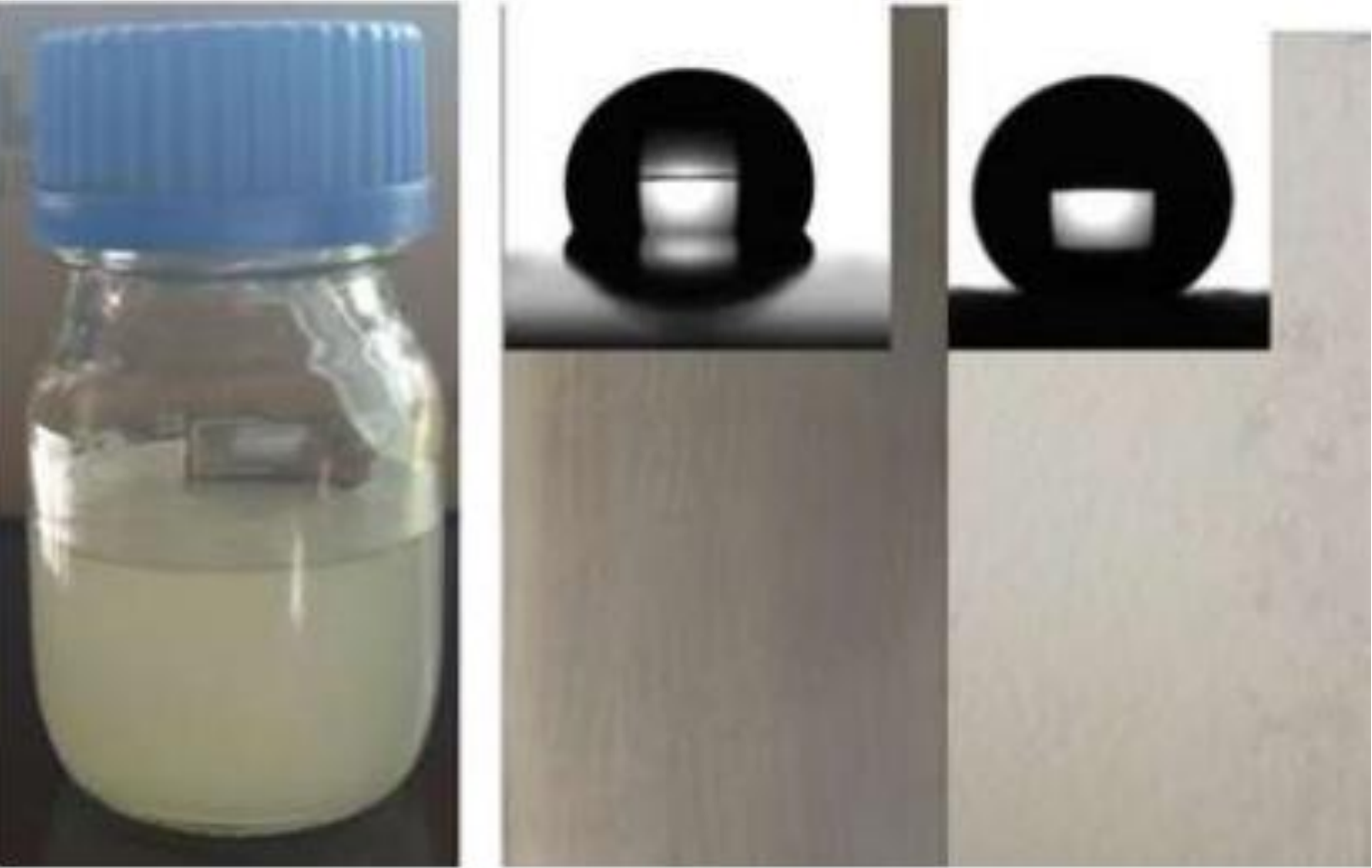
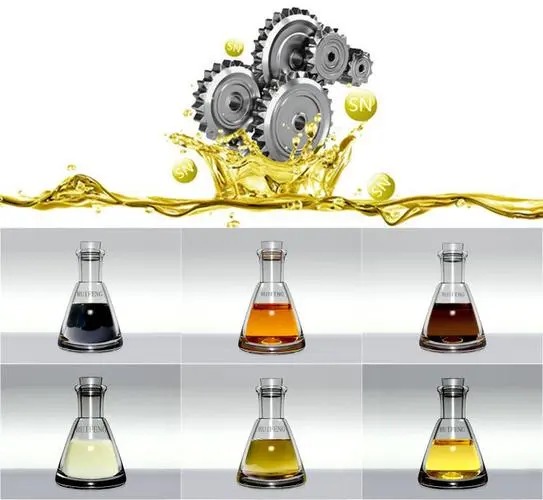 润滑剂
润滑剂
 润滑油添加剂
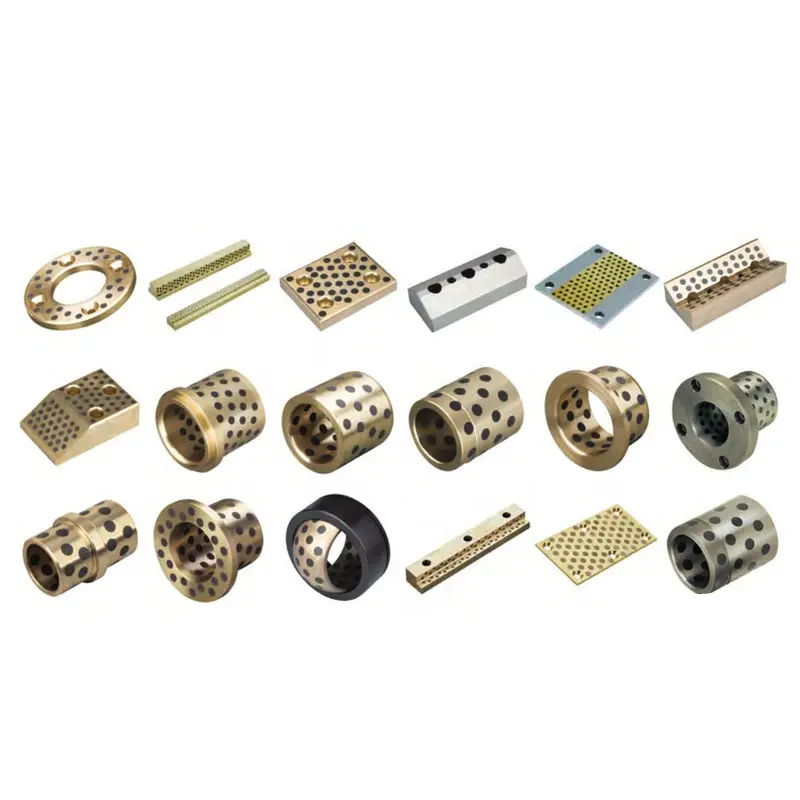 自润滑材料
自润滑材料
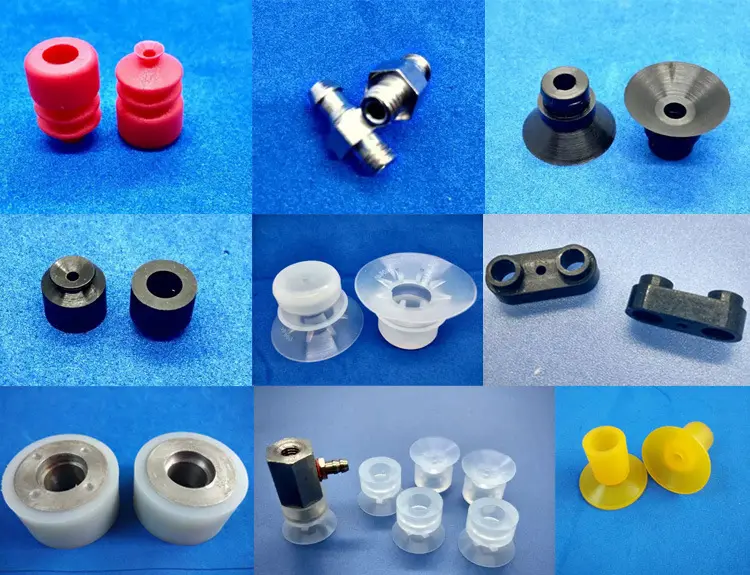 密封材料
密封材料
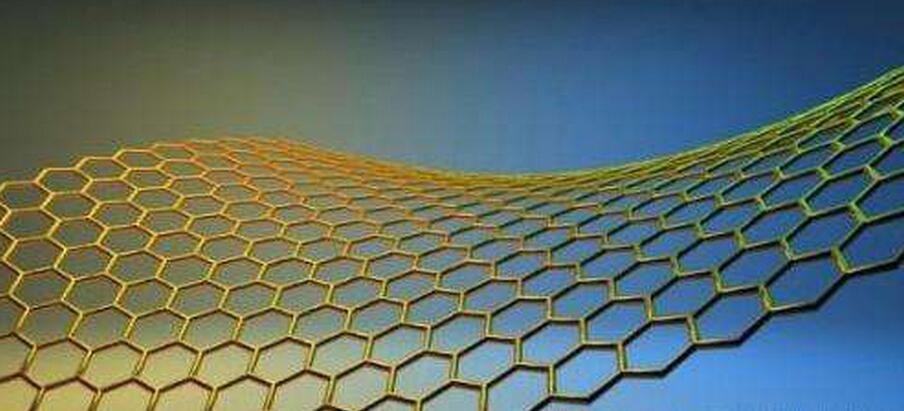 新兴材料
新兴材料
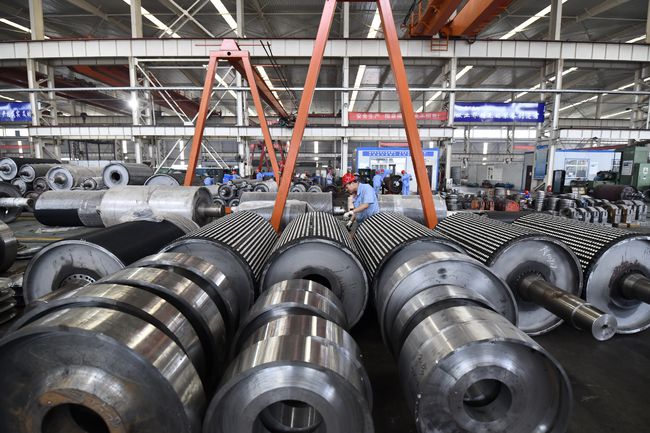 加工设备
加工设备
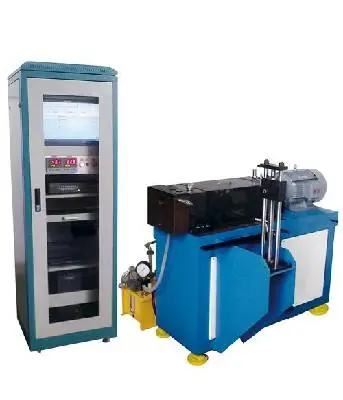 摩擦试验机
摩擦试验机
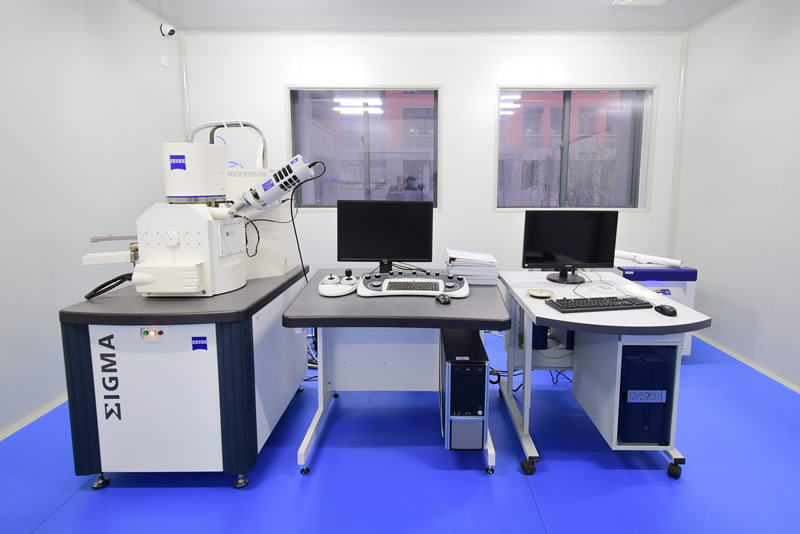 大型表征仪器
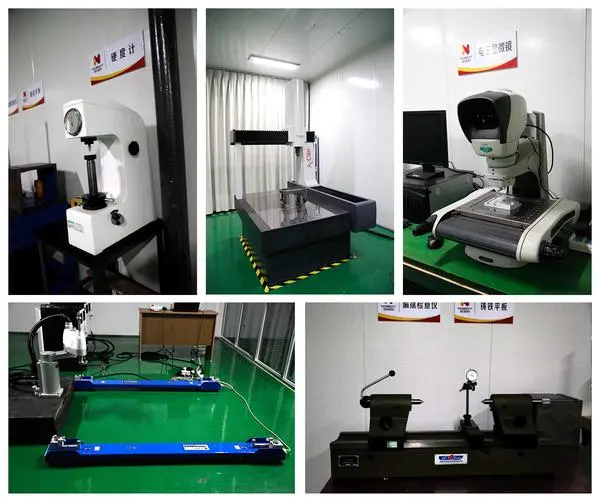 小型测试设备