In the study, molecular dynamic simulation is employed to establish the models (graphene film-HEA and embedded graphene-HEA), systematically investigating the impact of graphene distribution and orientation on tribological property. The results demonstrate that the graphene film alloy attains a 61.44% reduction in friction coefficient, whereas the optimal embedded configuration achieves a comparatively lower reduction of 21.67% in COF values. Further analysis reveals the dual regulatory effects of graphene deformation and induced dislocation evolution on friction performance under different graphene distributions. Specifically, the server deformation of the graphene film induces localized stress concentration, which triggers extensive dislocation multiplication and leads to material hardening, thereby enhancing the tribological properties of the material. In contrast, embedded graphene undergoes relatively minor deformation, yet it directs the slip paths of dislocation and stacking faults within the alloy. Simultaneously, it acts as a primary nucleation site for dislocation and serves as a localized zone for plastic deformation. This study aims to investigate how graphene distribution affects the friction performance of HEAs, ultimately advancing their engineering applications.
周老师: 13321314106
王老师: 17793132604


邮箱号码: lub@licp.cas.cn





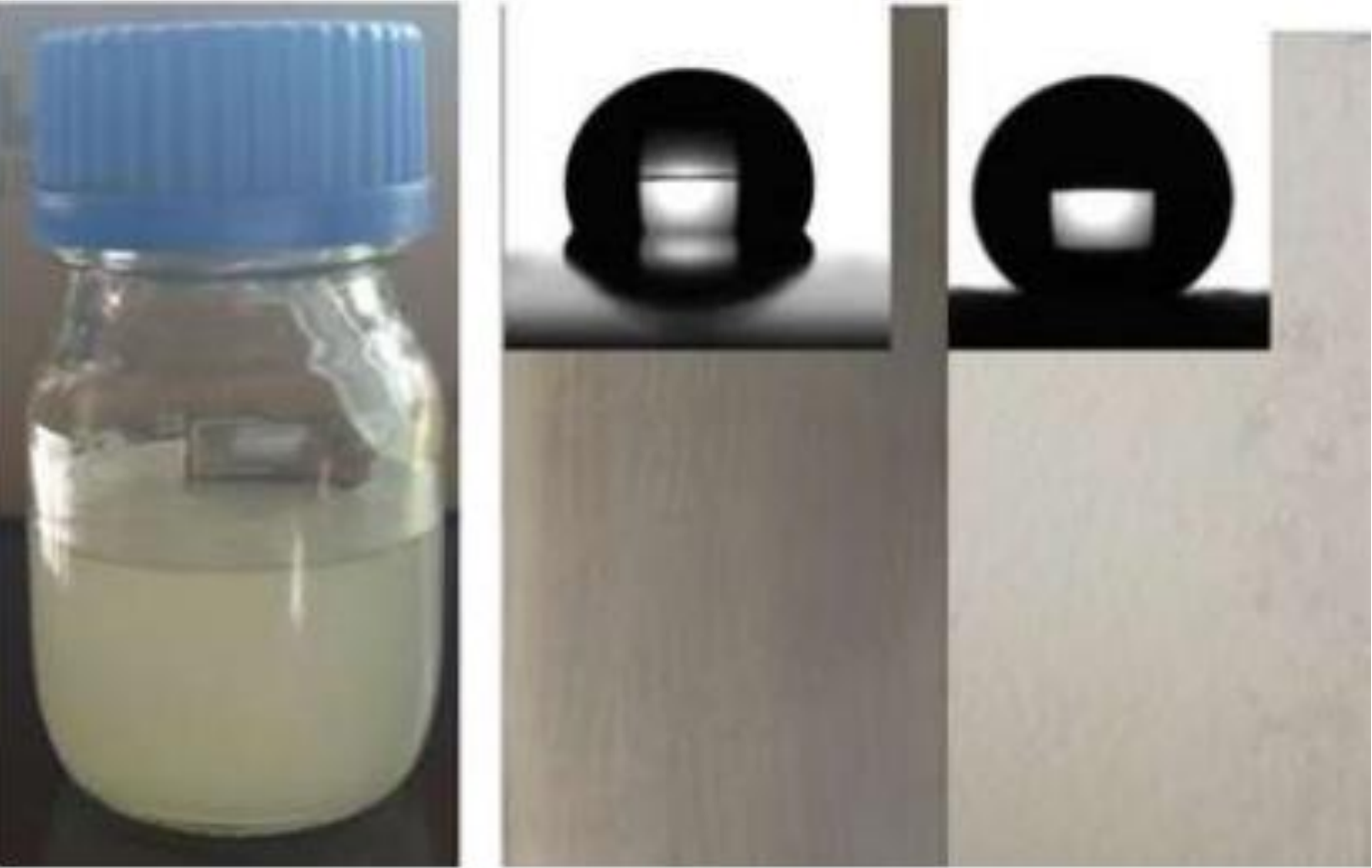
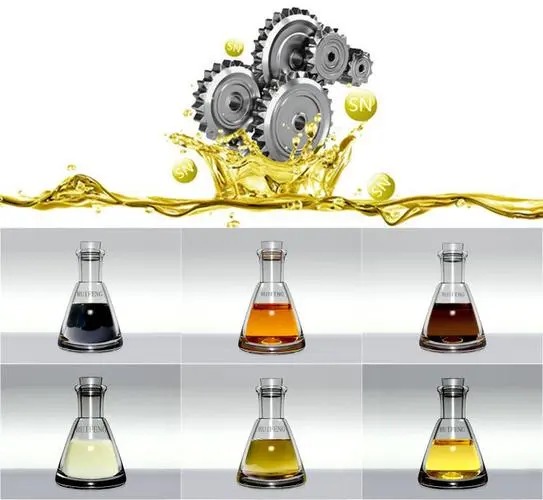 润滑剂
润滑剂
 润滑油添加剂
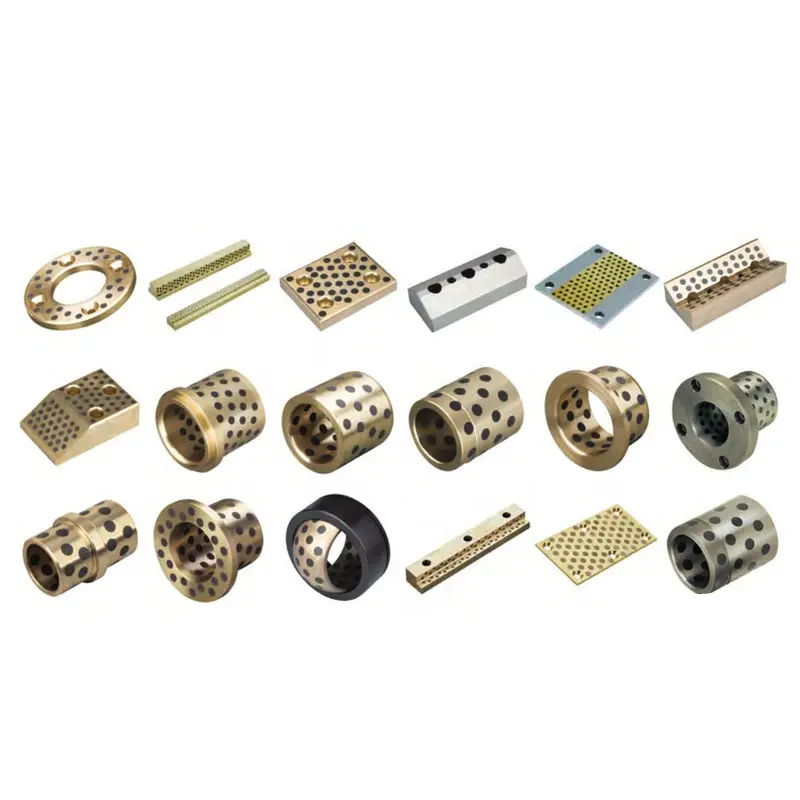 自润滑材料
自润滑材料
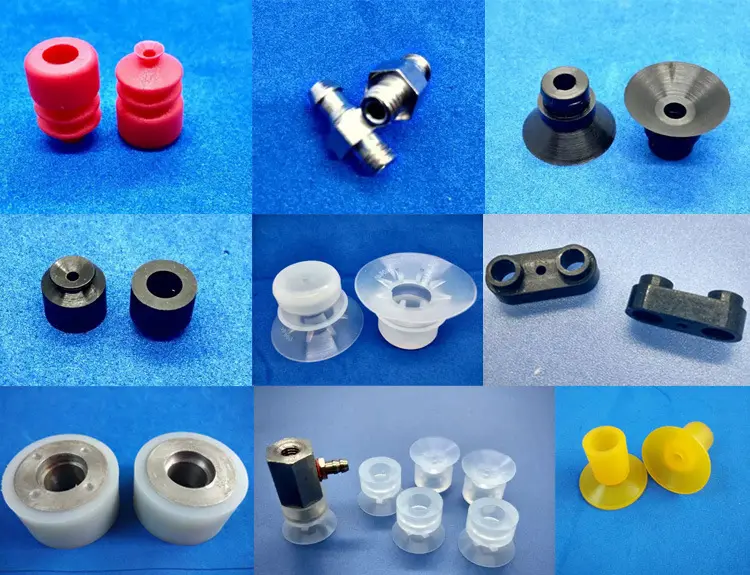 密封材料
密封材料
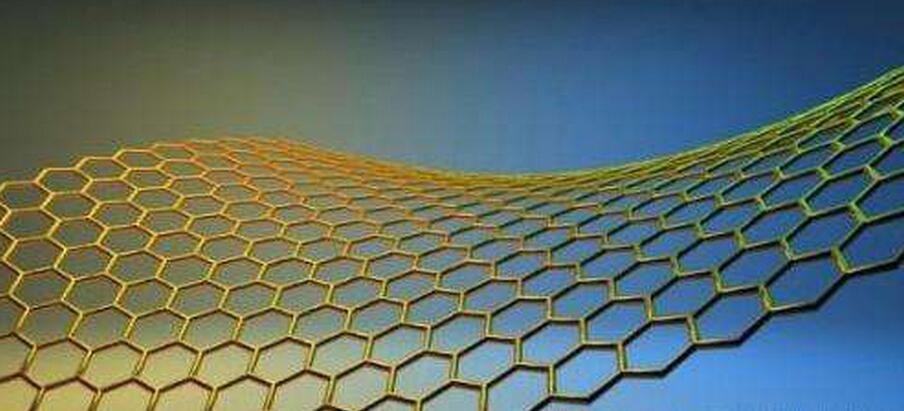 新兴材料
新兴材料
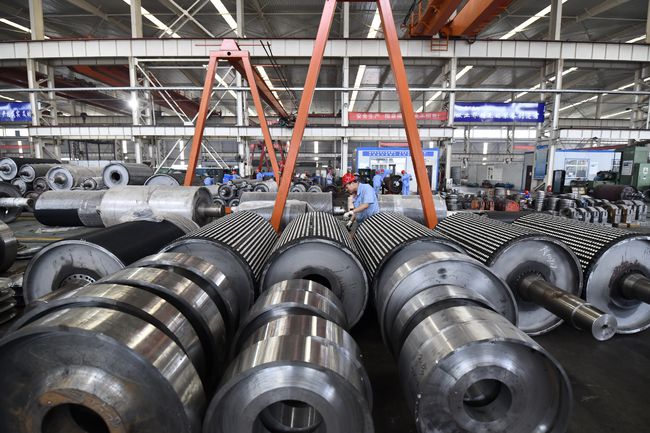 加工设备
加工设备
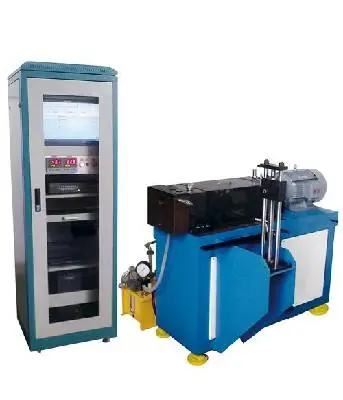 摩擦试验机
摩擦试验机
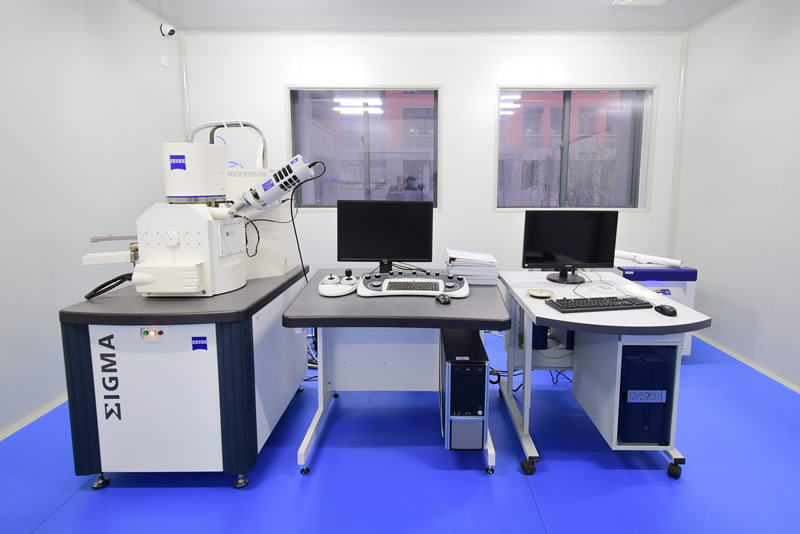 大型表征仪器
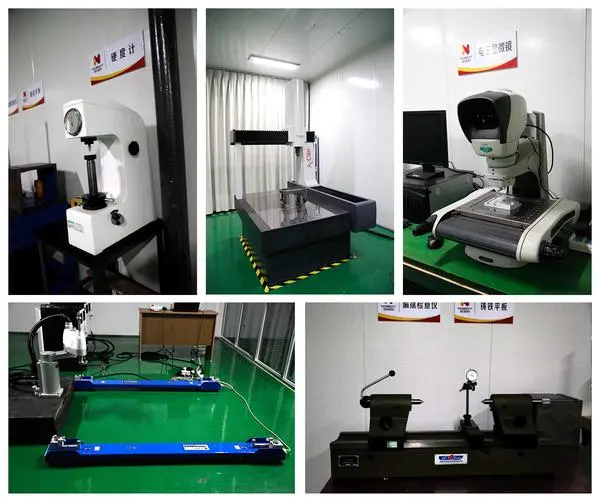 小型测试设备