The mechanocatalytic formation of carbonaceous films on nanocrystalline Pt-Au alloys has garnered recent attention due to the influence of those films on the frictional and adhesive properties of the alloys, which is particularly relevant for mitigating multiple failure modes in micro- and nano-scale electrical contacts. Despite the relevance of prior studies evaluating film formation as a function of substrate composition and sliding conditions, remarkably little is known about the effect of gas pressure and chemistry on the structure and properties of the surface layers formed on Pt-Au alloys. To fill this knowledge gap, vapor ( i.e., ethanol and isopropanol) pressure-dependent sliding experiments were performed on Pt 0.9Au 0.1. The mechanocatalytically formed films were characterized using advanced analytical techniques, including near-edge X-ray absorption fine structure (NEXAFS) spectromicroscopy, X-ray photoelectron spectroscopy (XPS), reflection electron energy loss spectroscopy (REELS), and time-of-flight secondary ion mass spectrometry (ToF-SIMS). The experimental results were combined with density functional theory (DFT) simulations to elucidate the effect of molecular physi-/chemi-sorption on film properties and friction response. The outcomes of this work establish links between the precursor gas chemistry and the properties of films formed on Pt-Au as a result of mechanocatalytic reactions, providing clues to strategies for optimizing film formation and properties based on environmental conditions.
周老师: 13321314106
王老师: 17793132604


邮箱号码: lub@licp.cas.cn




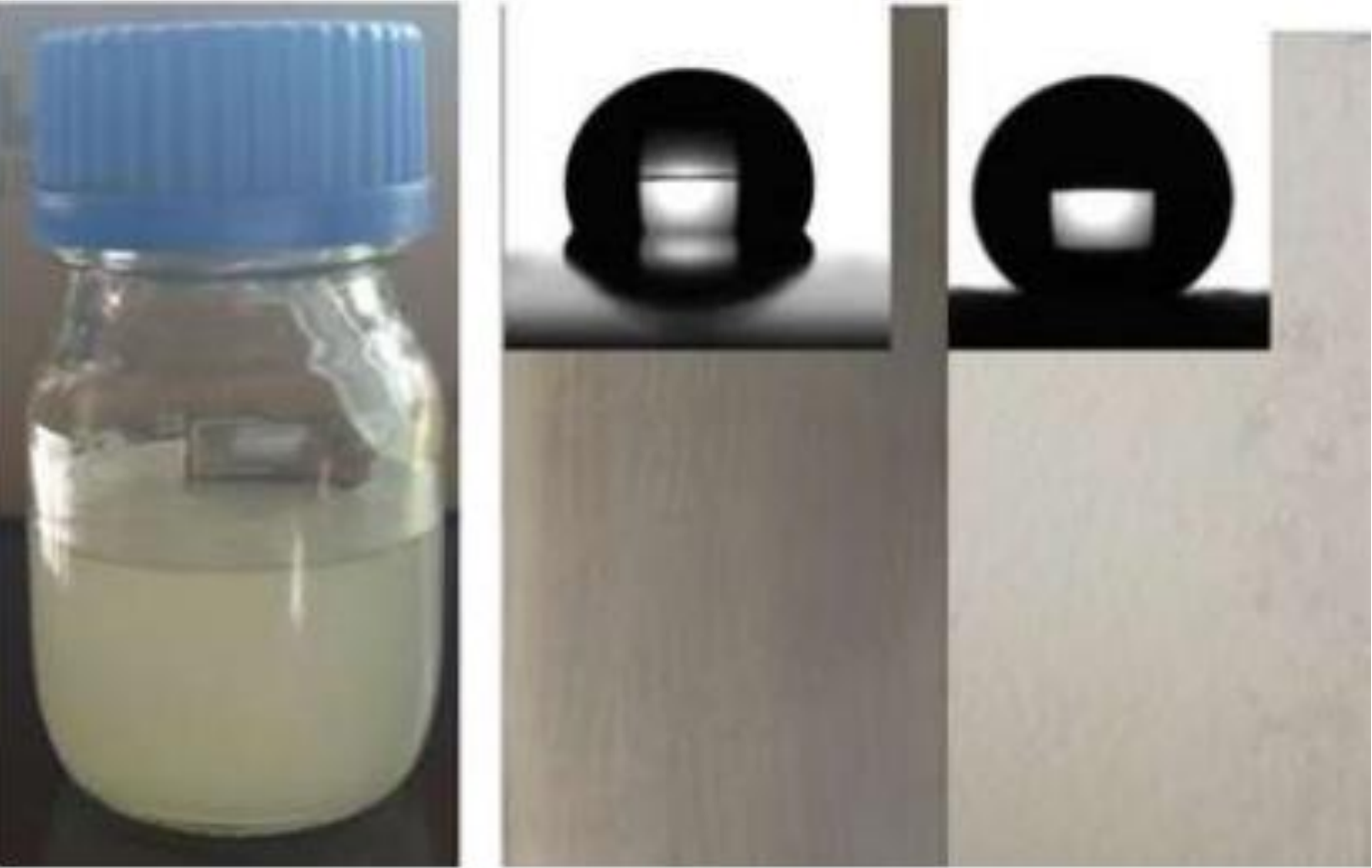
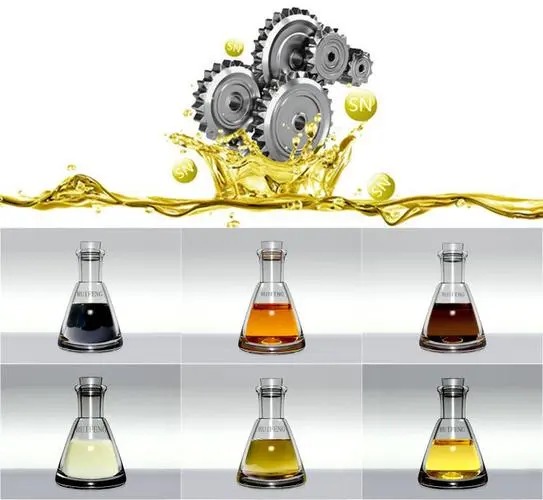 润滑剂
润滑剂
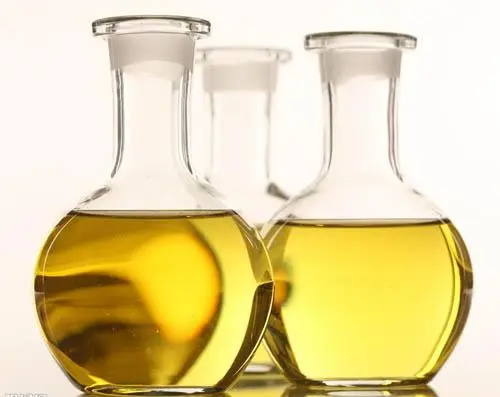 润滑油添加剂
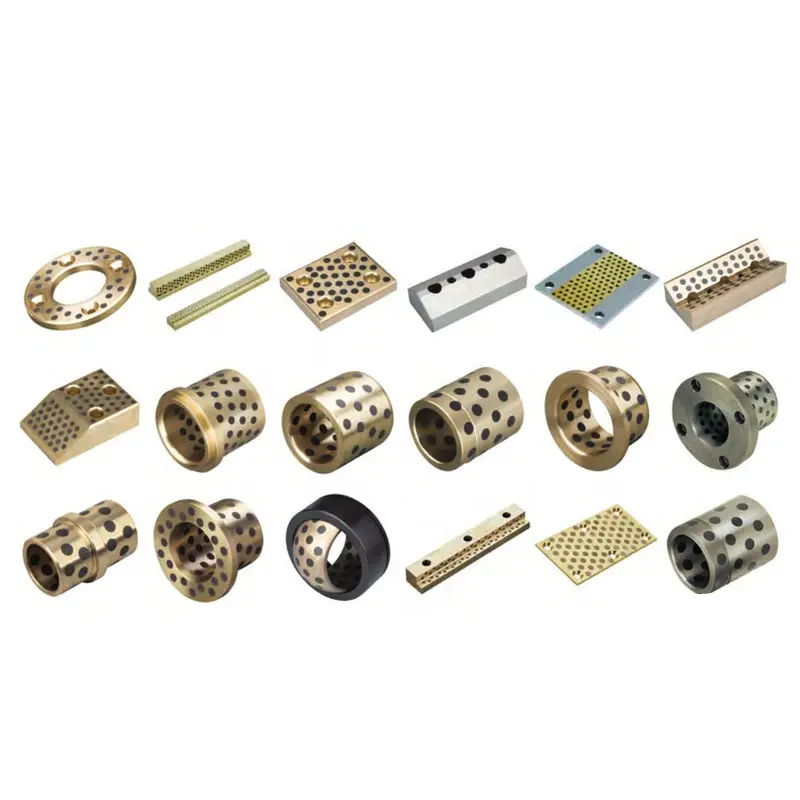 自润滑材料
自润滑材料
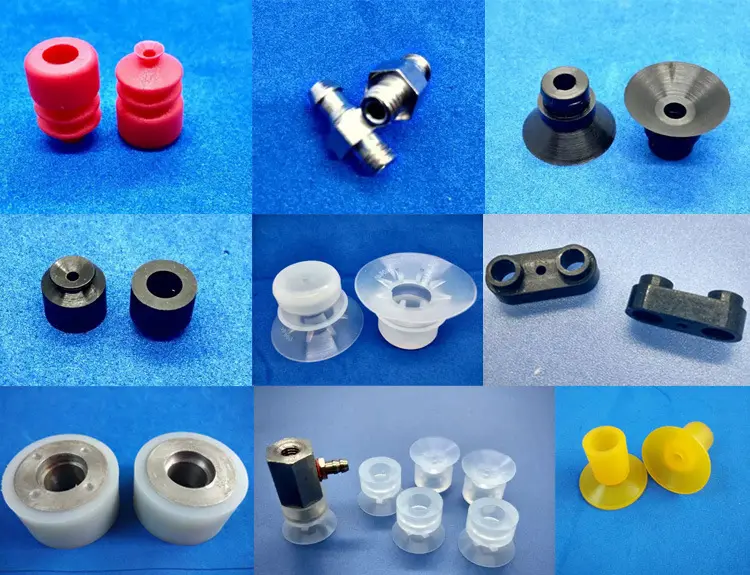 密封材料
密封材料
 新兴材料
新兴材料
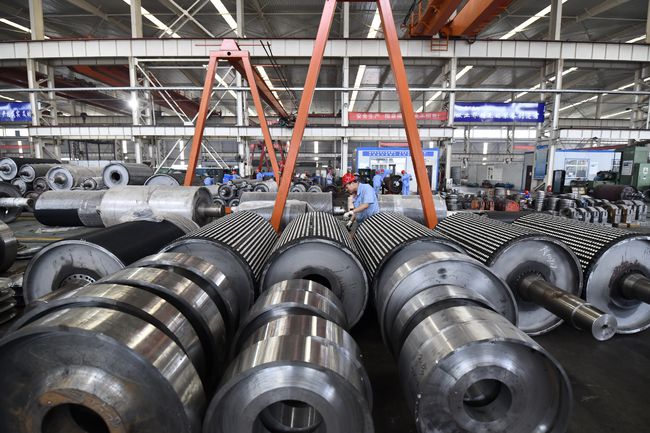 加工设备
加工设备
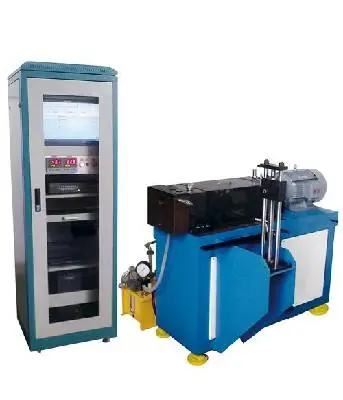 摩擦试验机
摩擦试验机
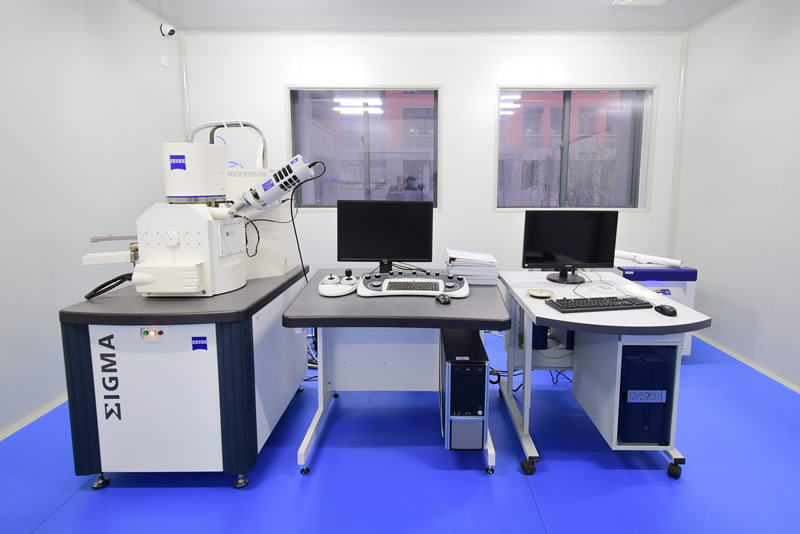 大型表征仪器
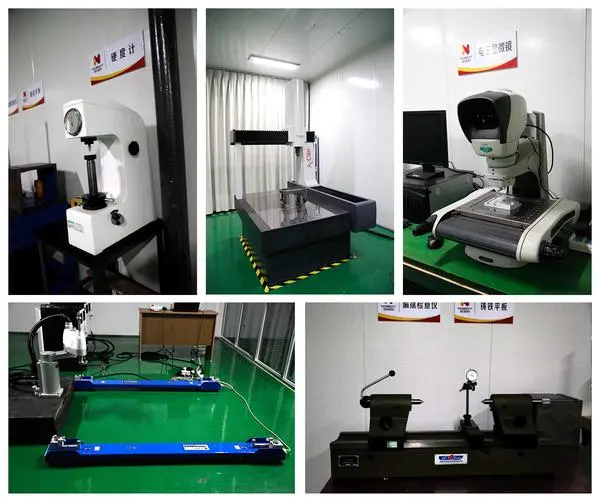 小型测试设备