Recent advances in modeling have enhanced our ability to make quantitative predictions for tribological phenomena, thereby unraveling relevant mechanisms. Algorithmic innovations, including those based on multiscale methods and machine learning, have been especially impactful, for example in overcoming long-standing bottlenecks that hinder simulations of systems with strong coupling across disparate scales. However, traditional modeling approaches, such as boundary-element techniques, have also progressed and continue to yield new insights. This article reviews developments from the past decade, examining how both new and established methods have deepened our understanding of experimental results and have furthered theoretical approaches in key tribological areas, including contact mechanics, lubrication, metal friction, and tribo-chemistry. Selected applications, such as tunable interfaces and energy harvesting, illustrate the broad influence of recent developments on the field.
周老师: 13321314106
王老师: 17793132604


邮箱号码: lub@licp.cas.cn




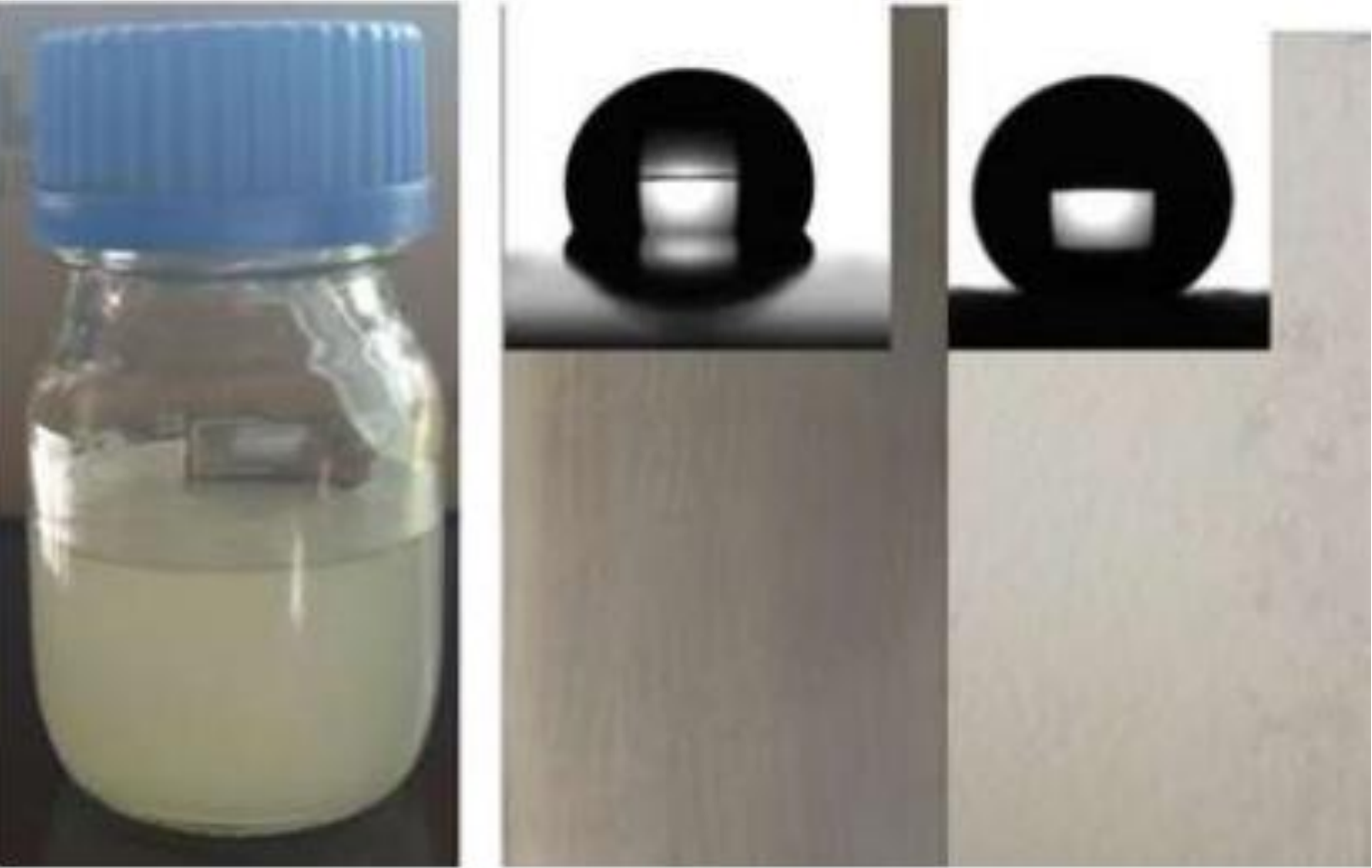
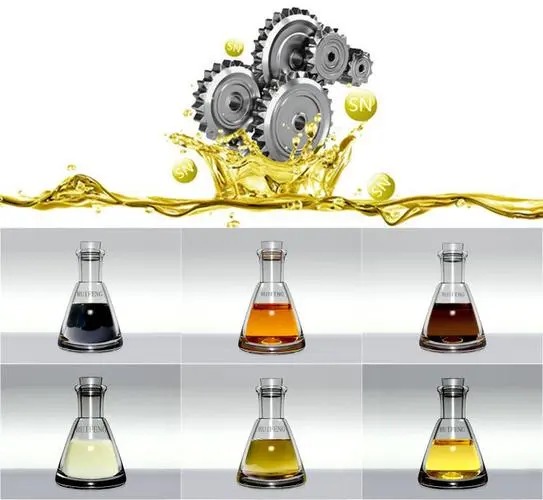 润滑剂
润滑剂
 润滑油添加剂
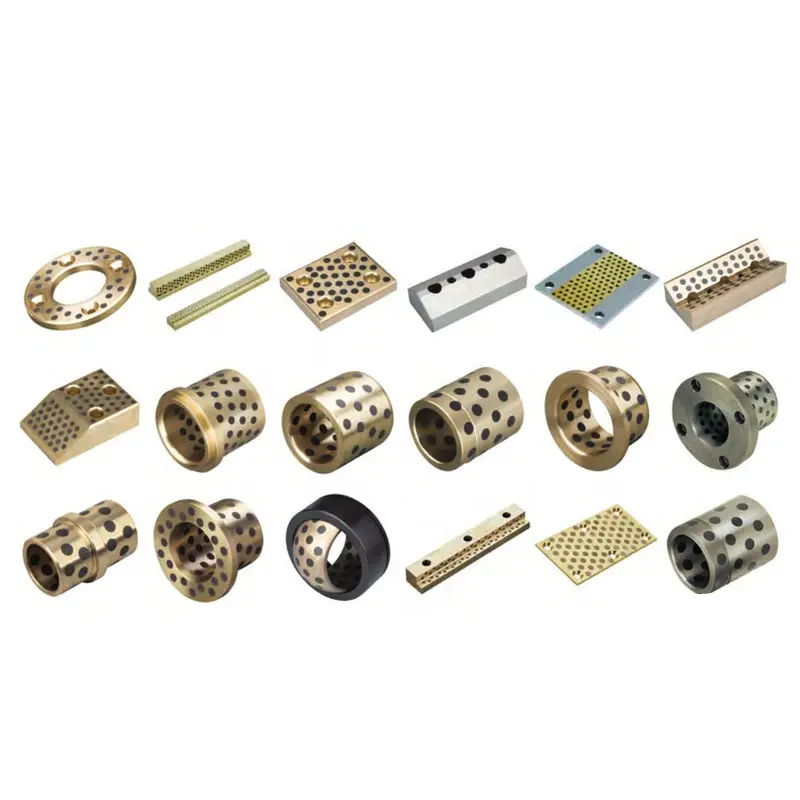 自润滑材料
自润滑材料
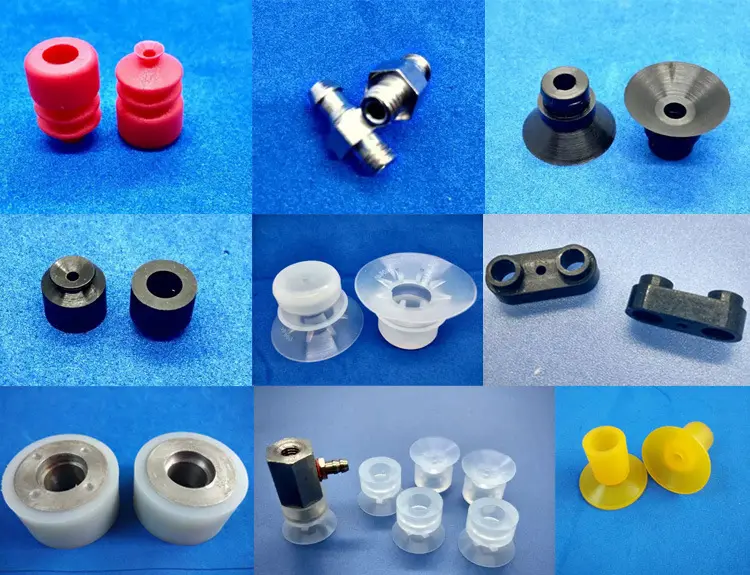 密封材料
密封材料
 新兴材料
新兴材料
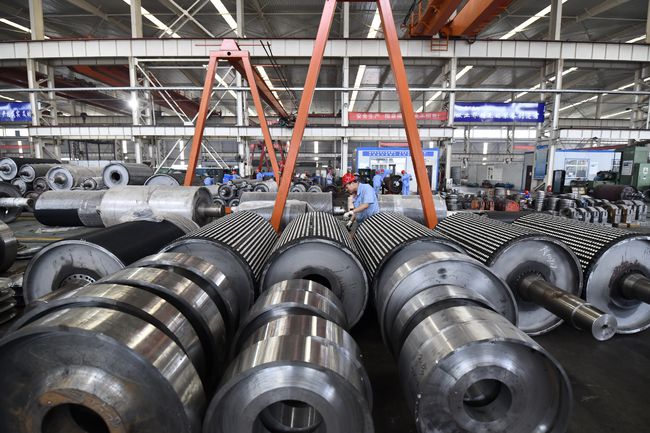 加工设备
加工设备
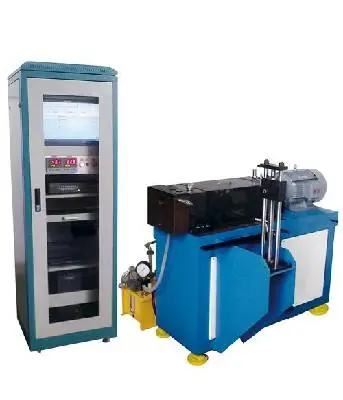 摩擦试验机
摩擦试验机
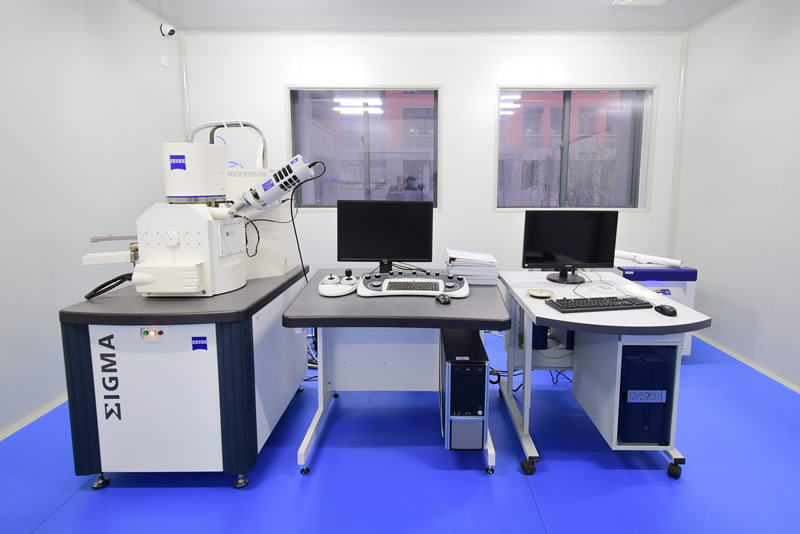 大型表征仪器
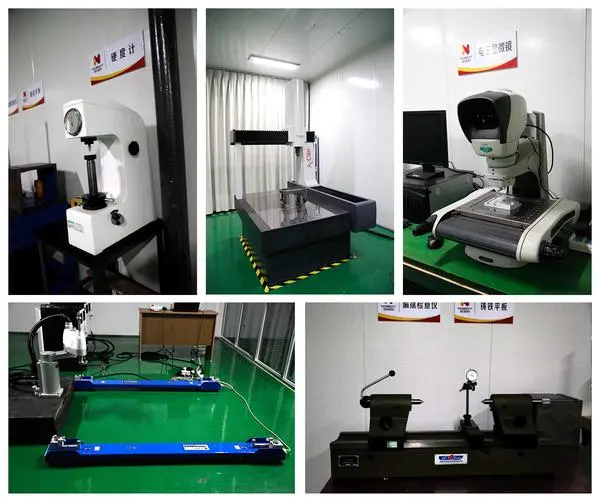 小型测试设备