Simulating transient tribo-dynamic problems remains challenging for real-time predictions of transient tribo-dynamic behaviors in lubricated systems due to high computational demands. This paper presents a general approach based on the machine learning framework to address this issue by developing a time-dimension involved neural network that decouples time-accumulated transient effects from steady-state characteristics using steady-state friction datasets. The proposed approach was applied to two classic tribodynamic problems, including the ring-liner conjunction case and the journal bearing case under the engine like condition. It appears that the proposed approach achieves below 0.1% average absolute percentage error in predicting results. The proposed approach is over 70-200 times faster than existing numerical modelling techniques, enabling real-time performance assessment of tribological systems. This approach offers a practical solution for rapid engineering evaluations where traditional methods prove computationally prohibitive.
周老师: 13321314106
王老师: 17793132604


邮箱号码: lub@licp.cas.cn





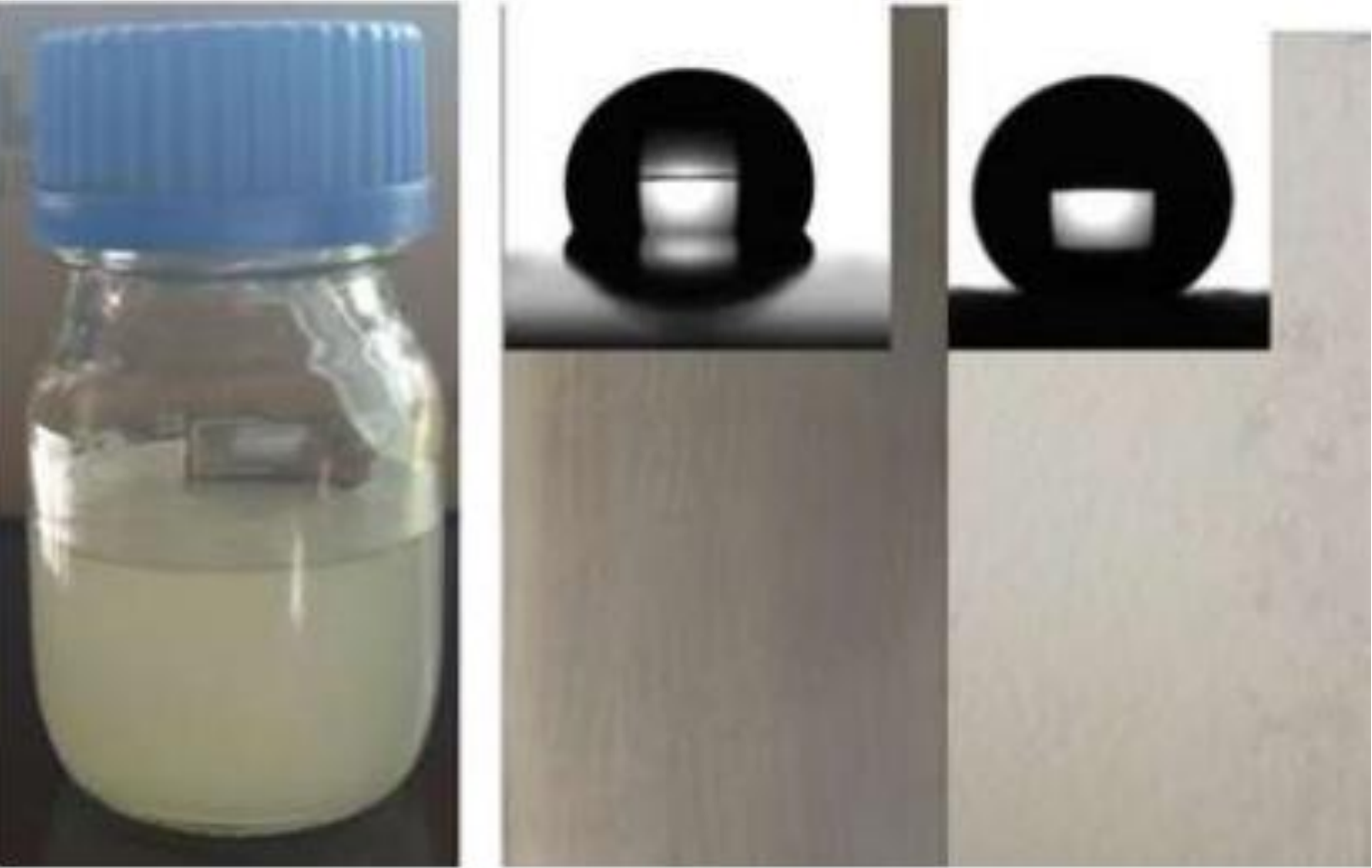
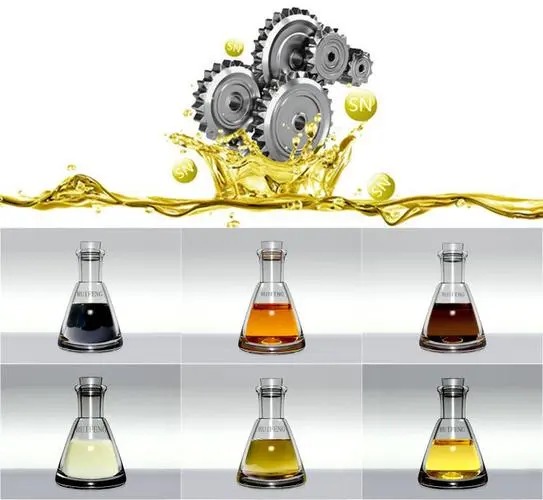 润滑剂
润滑剂
 润滑油添加剂
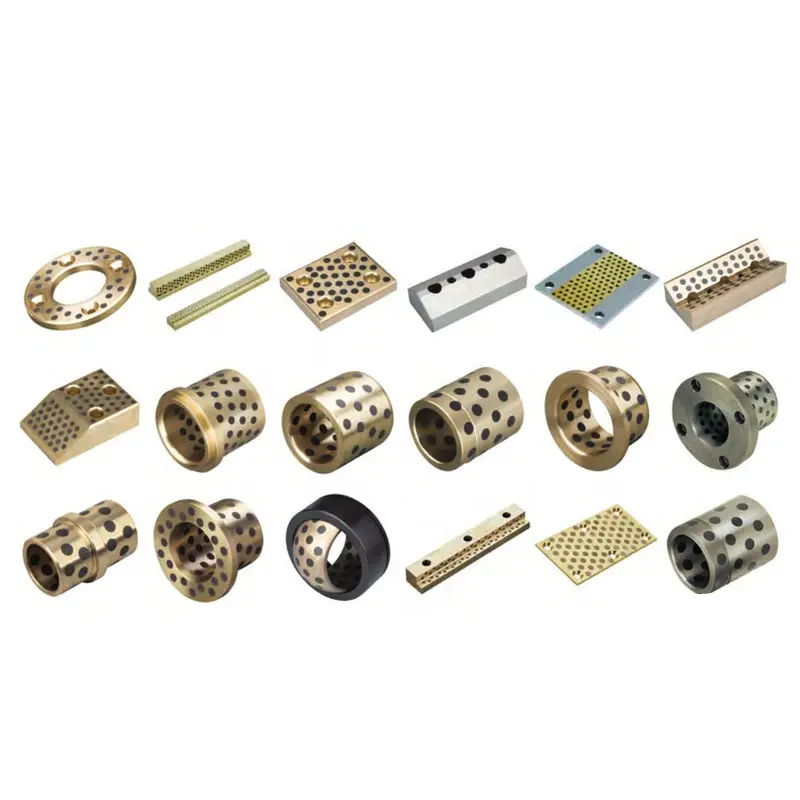 自润滑材料
自润滑材料
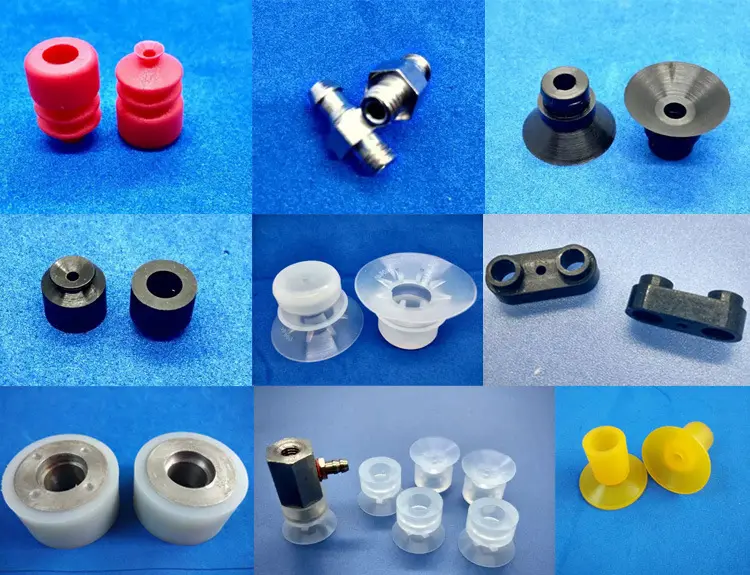 密封材料
密封材料
 新兴材料
新兴材料
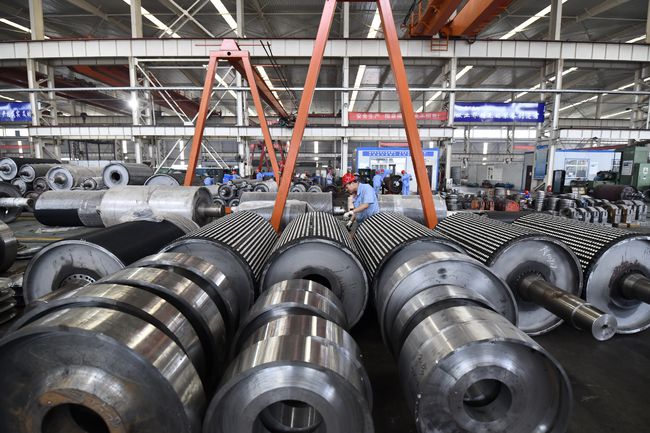 加工设备
加工设备
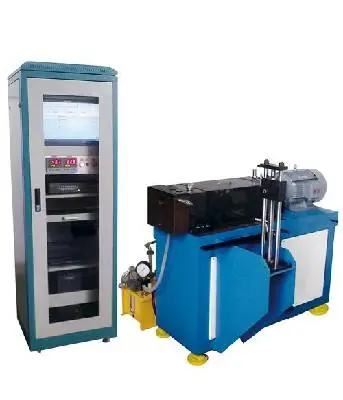 摩擦试验机
摩擦试验机
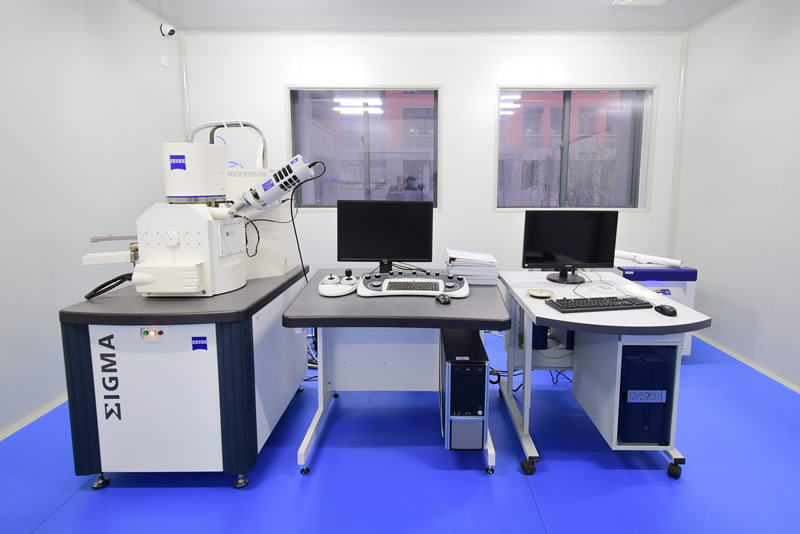 大型表征仪器
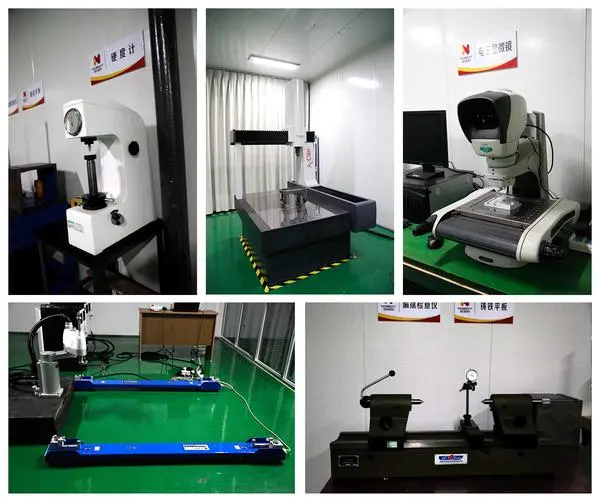 小型测试设备