In this study, mechanical vibration-assisted high-speed laser cladding was employed to fabricate ceramic particle-reinforced high-entropy alloy with hardness gradient. The effects of mechanical vibration on the microstructure, mechanical properties, and porosity of the gradient layers were investigated, and the underlying mechanisms were revealed. The results showed that mechanical vibration enhanced molten pool convection, accelerated bubble elimination, and thereby significantly reduced the porosity, with the optimal effect achieved at 400 Hz. The deposited layers predominantly consisted of FCC phase, with minor amounts of Laves, BCC, Ti 3SiC 2 and TiC phases. Specifically, mechanical vibration improved the content and distribution uniformity of Laves phase, refined the dispersion of TiC particles, and thus enhanced the dispersion strengthening and grain boundary pinning effects. Notably, the surface layer with higher TiC content exhibited excellent wear resistance, with a minimum wear rate of 15.4 μm 3·N −1·mm −1. Furthermore, its corrosion resistance was 16 times higher than that of the substrate, primarily due to dense Cr 2O 3 and TiO 2 passive films. Grain boundary migration and dislocation accumulation induced by lattice mismatch were key mechanisms for performance enhancement. This study has demonstrated the appealing potentials of vibration-assisted laser additive manufacturing and the applications in engineering.
周老师: 13321314106
王老师: 17793132604


邮箱号码: lub@licp.cas.cn




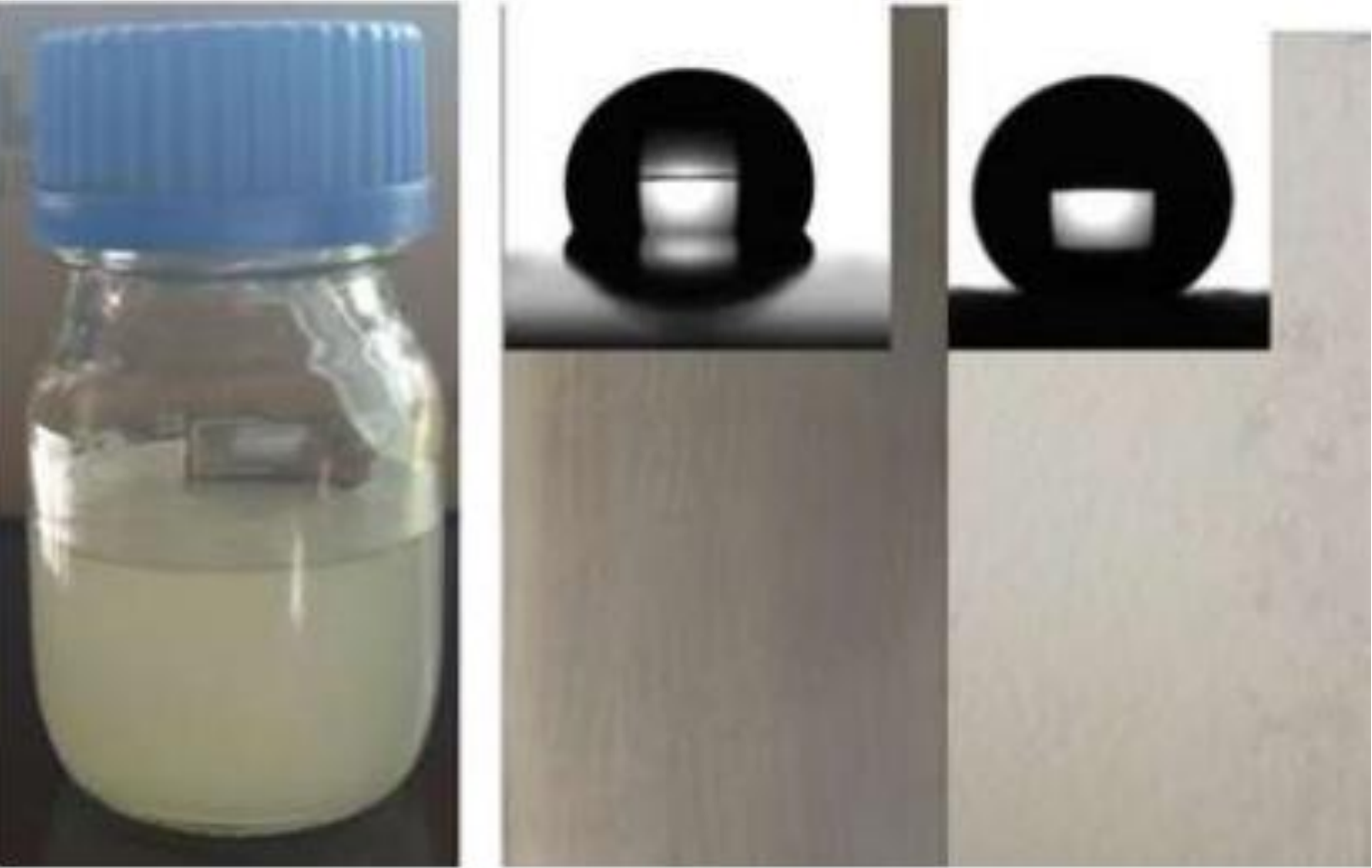
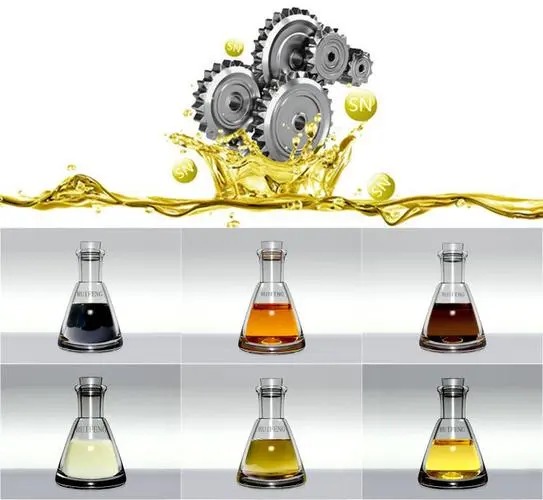 润滑剂
润滑剂
 润滑油添加剂
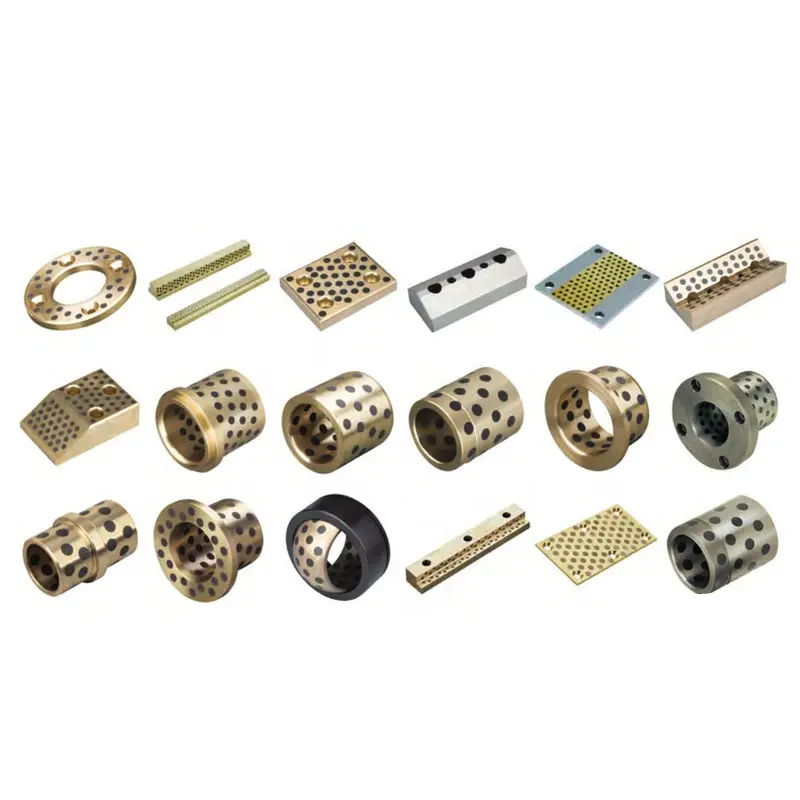 自润滑材料
自润滑材料
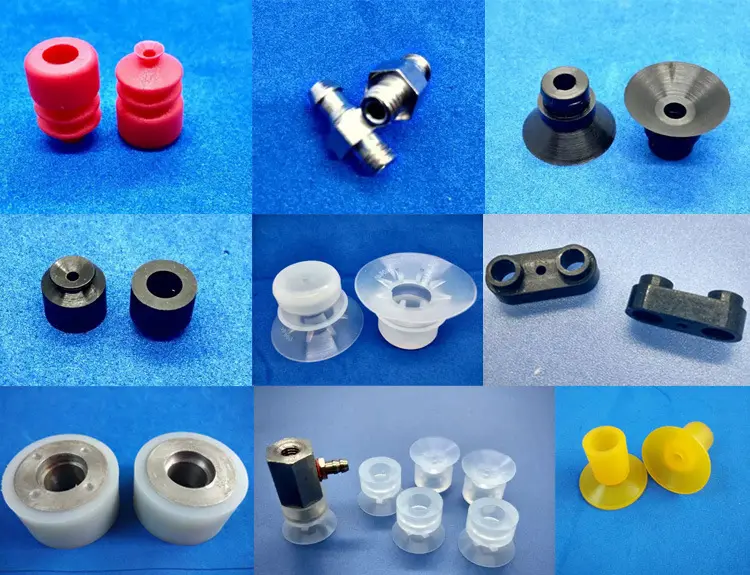 密封材料
密封材料
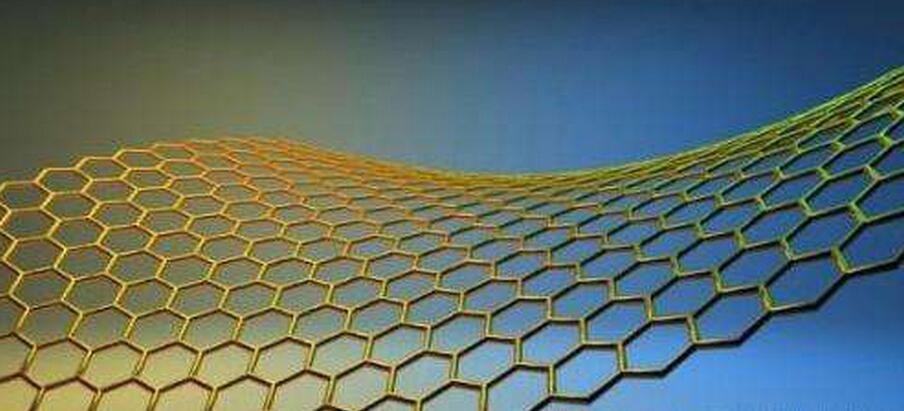 新兴材料
新兴材料
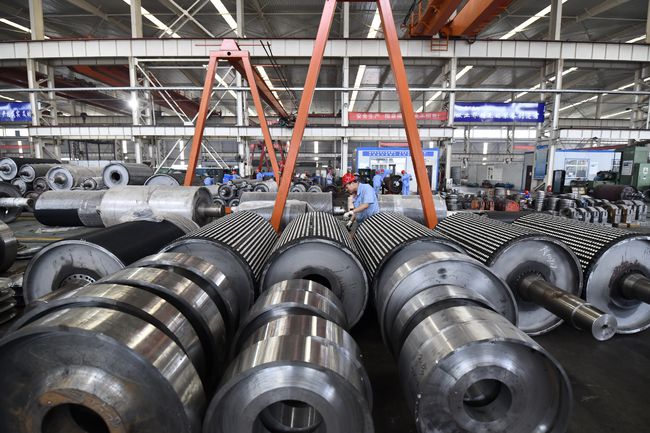 加工设备
加工设备
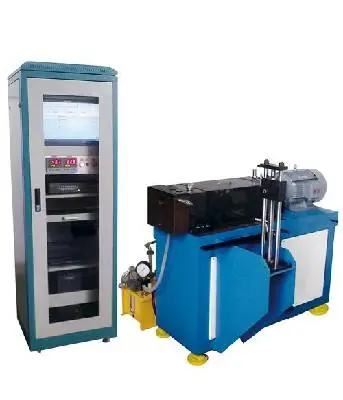 摩擦试验机
摩擦试验机
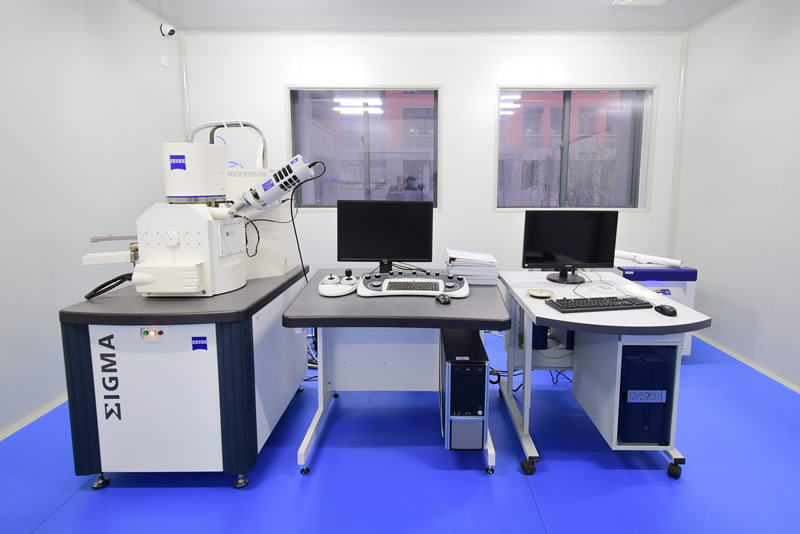 大型表征仪器
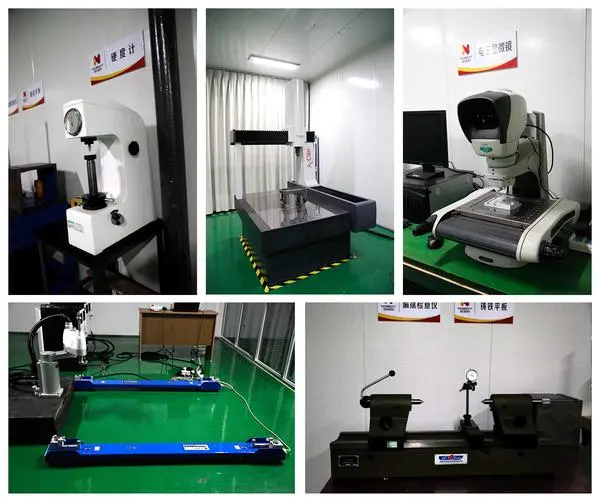 小型测试设备