The zero or negative wear rate of TiC/Cu matrix composite is the key factor to ensure the long service time, high reliability and stable operation of bearings. In this work, the wear loss and oxidation mass gain of TiC/Cu matrix composites simultaneously occur during the friction process, resulted in the negative wear rate. Besides, the sintering temperature significantly affects the phase composition and grain size of composites. The particle size of TiC increases from 0.23 to 2.15 μm with the increase of sintering temperature from 1050 °C to 1350 °C. As a result, the hardness of composites decreases from 567 HV 30 to 339 HV 30, while the oxidation rate increases. The wear resistance was tested by reciprocating friction method using GCr15 bearing steel balls as the friction pair. The wear rate of composites exhibits a negatively correlation with hardness. A continuous and stable tribo-oxidation layer consisting of TiO 2, CuO, Cu 2O, Fe 2O 3, FeO and Fe 3O 4 with good lubricating effect is formed on the wear surface of composites sintered higher than 1200 °C. It indicates that the higher oxidation rate accelerates the formation and repair of tribo-oxidation layer, while the lower hardness of substrate allows the plastic deformation of tribo-oxidation layer under the function of cyclic load. Therefore, the formation of a continuous and stable tribo-oxidation layer plays a crucial role in low coefficient of friction (COF) and negative wear rate of composites. The composites sintered at 1350 °C shows the lowest friction coefficient (0.55) and wear rate (-7.22 × 10 3 μm 3/N·m).
周老师: 13321314106
王老师: 17793132604


邮箱号码: lub@licp.cas.cn




 润滑剂
润滑剂
 润滑油添加剂
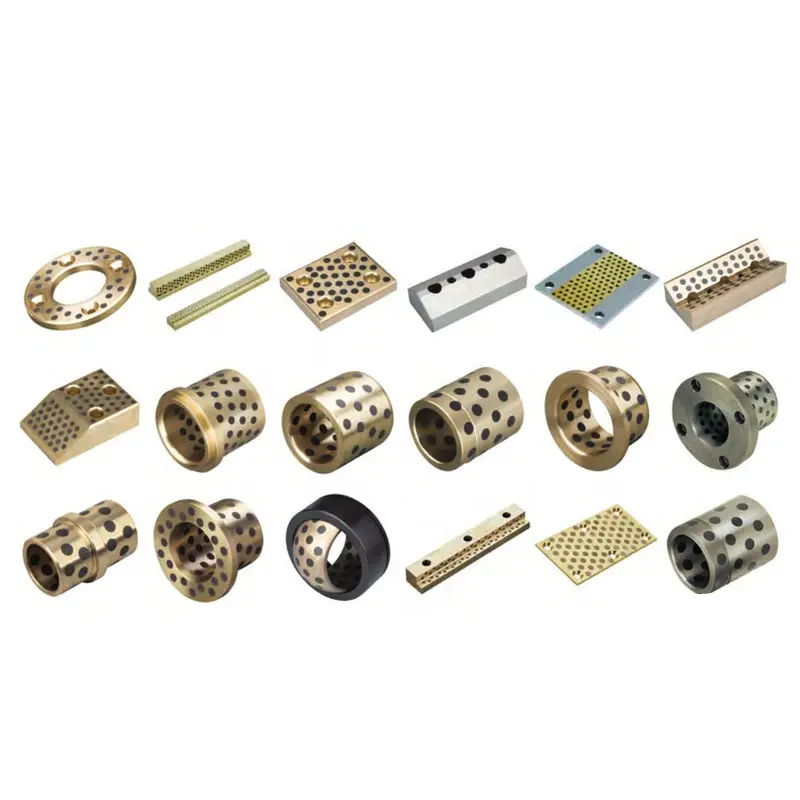 自润滑材料
自润滑材料
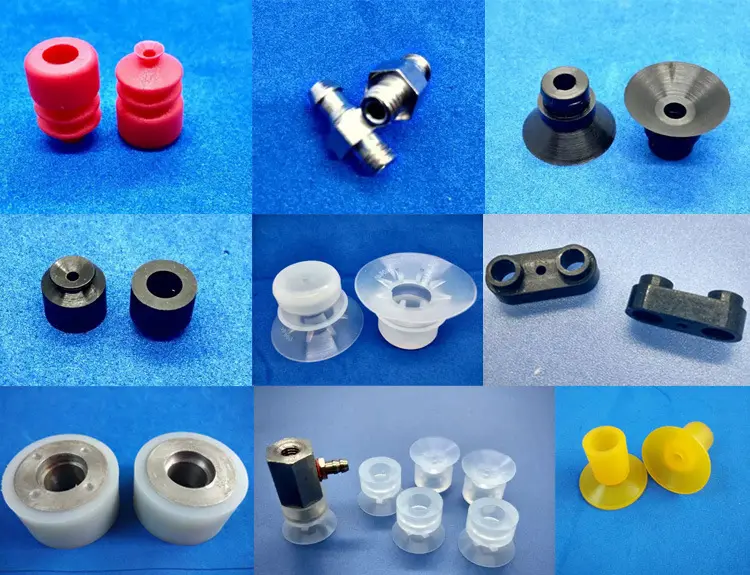 密封材料
密封材料
 新兴材料
新兴材料
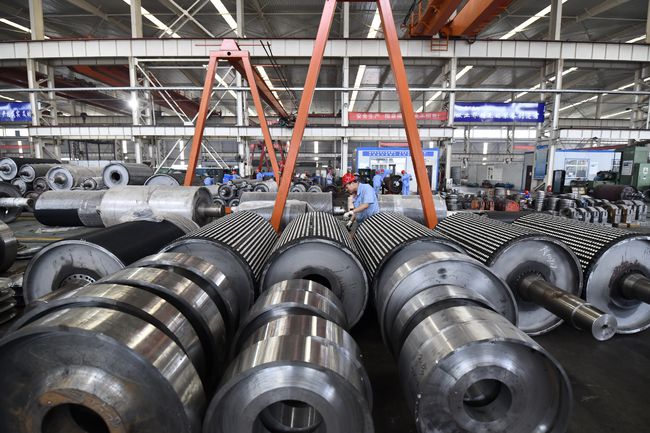 加工设备
加工设备
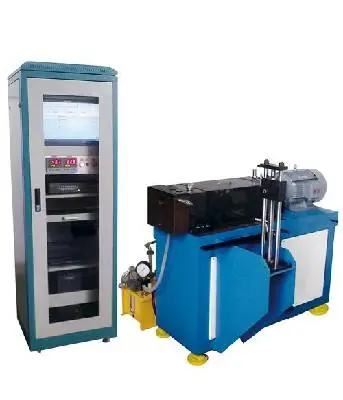 摩擦试验机
摩擦试验机
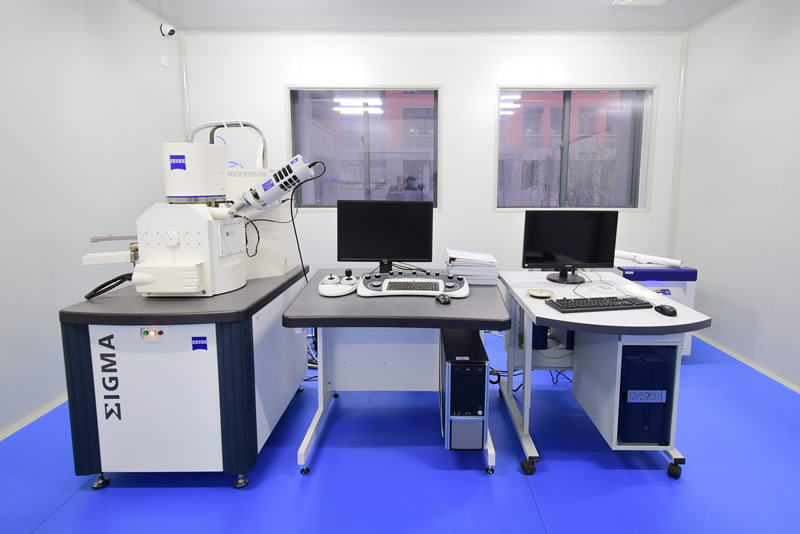 大型表征仪器
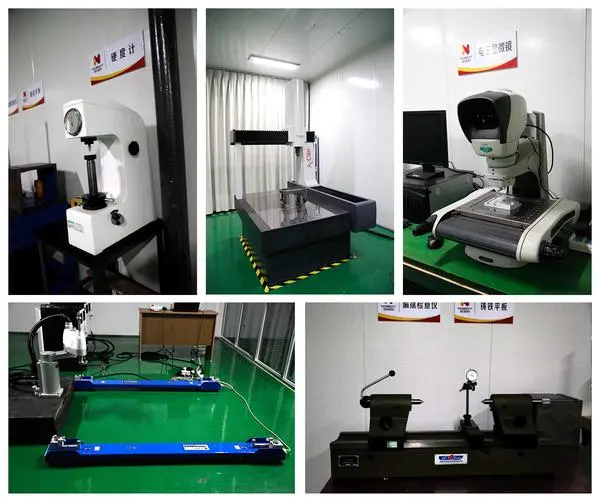 小型测试设备