This study investigates the wear behaviors of Inconel 718 (IN718) specimens fabricated by additive manufacturing (AM) and additive-subtractive hybrid manufacturing (ASHM), with a focus on room-temperature milling (RTM) and high-temperature milling (HTM) conditions. The milling process induced severe plastic deformation in the ASHM specimens, resulting in the formation of surface nanocrystalline layers ranging from 10 to 50 μm in thickness. At room temperature, the wear rates of the RTM and HTM specimens were 4.15 × 10 -3 and 4.92 × 10 -3 mm 3·N -1·m -1, respectively, which were approximately reduced by 33% and 20% compared with the AM specimen. This enhancement is primarily attributed to the increased grain boundary density and the introduction of residual compressive stress. At 650 °C, the differences in wear resistance among the specimens diminished, as stable oxide films formed on all surfaces, effectively reducing adhesive wear and mitigating further mechanical degradation.
周老师: 13321314106
王老师: 17793132604


邮箱号码: lub@licp.cas.cn




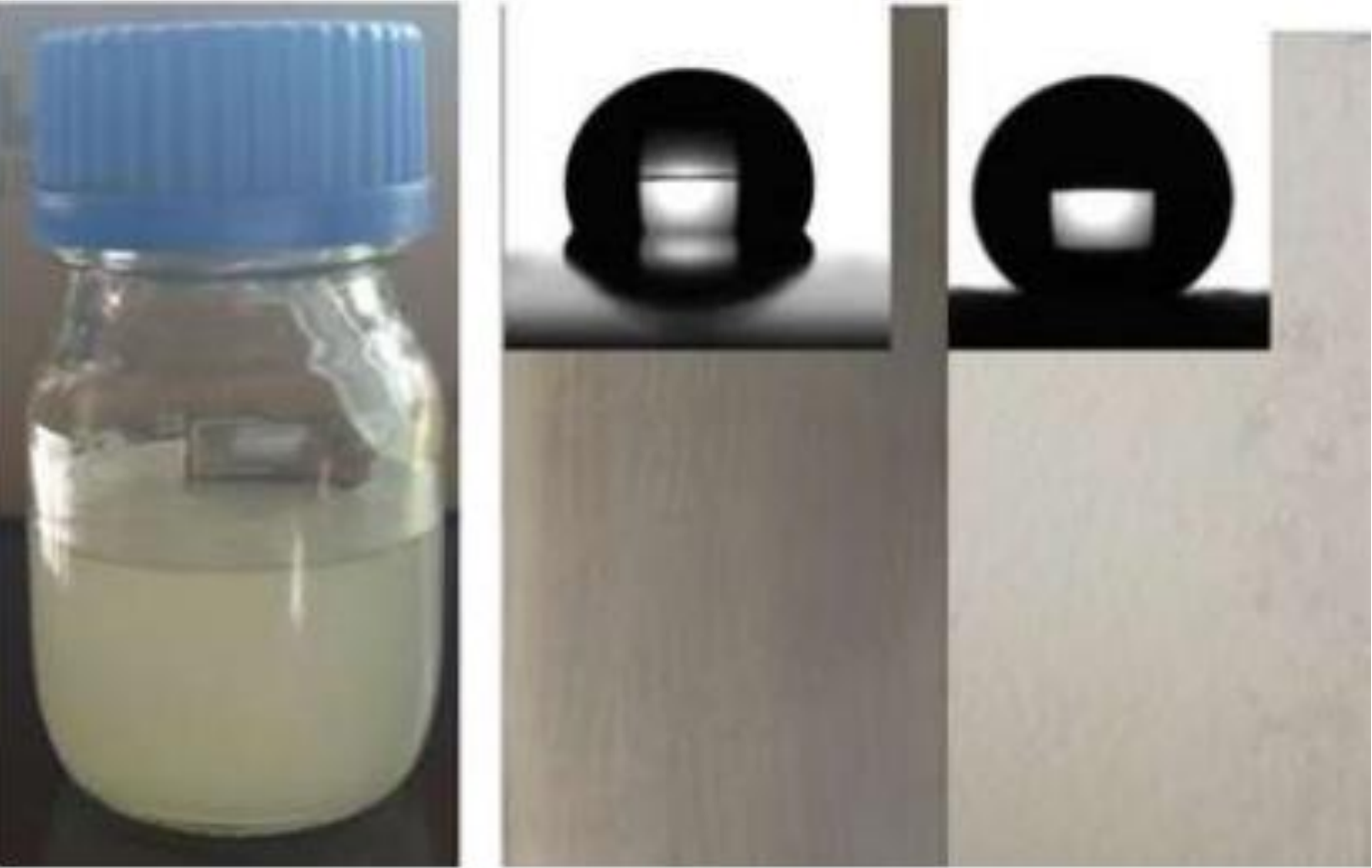
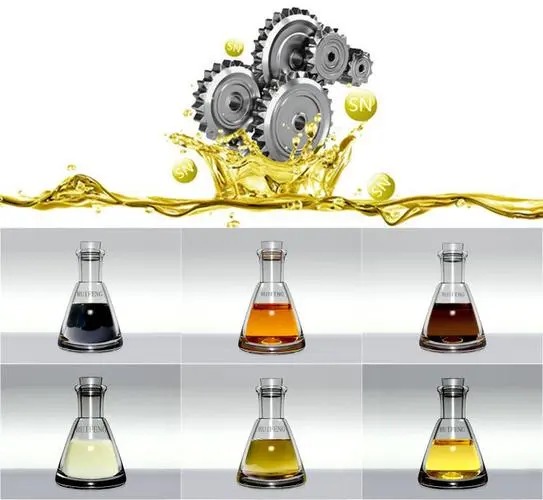 润滑剂
润滑剂
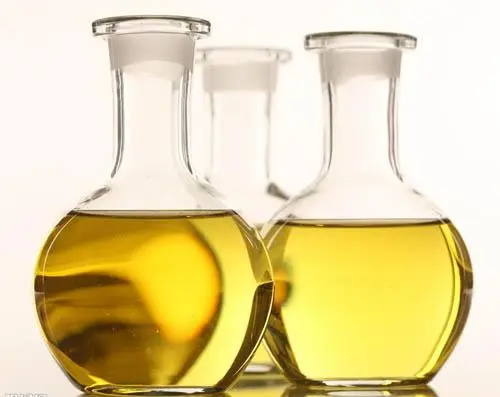 润滑油添加剂
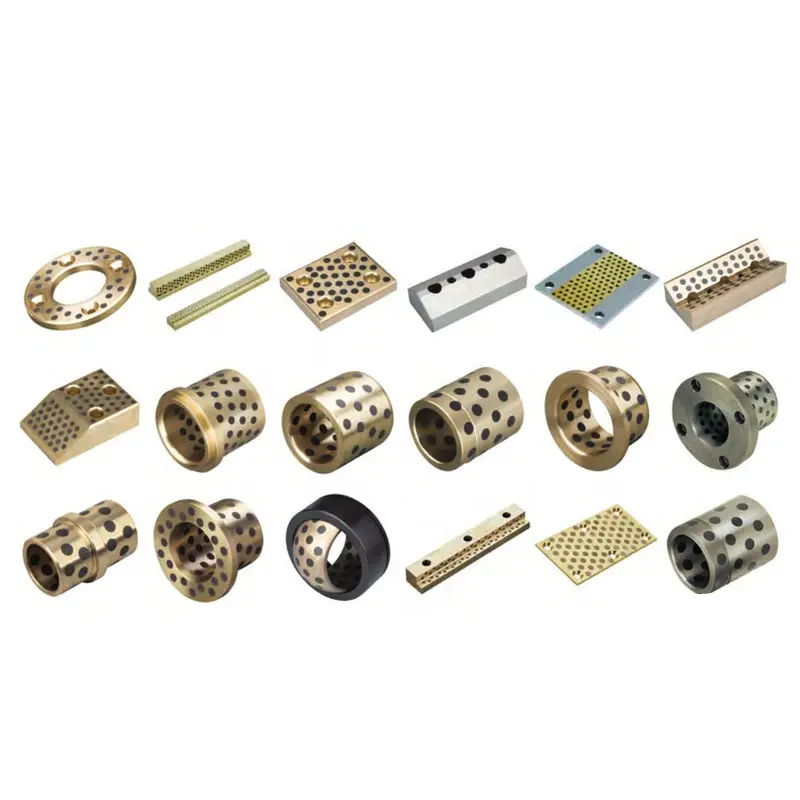 自润滑材料
自润滑材料
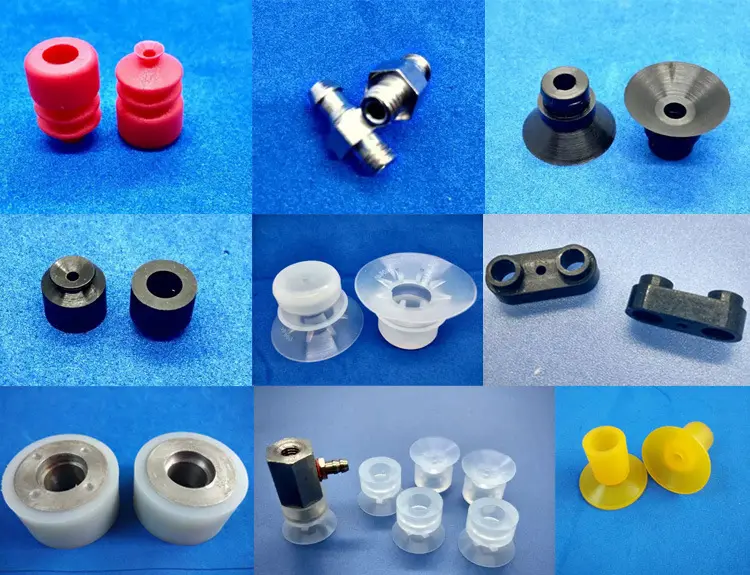 密封材料
密封材料
 新兴材料
新兴材料
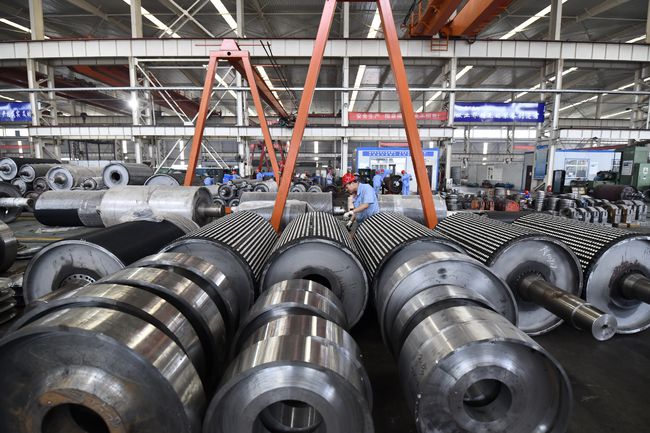 加工设备
加工设备
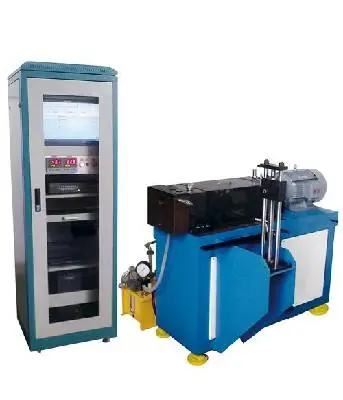 摩擦试验机
摩擦试验机
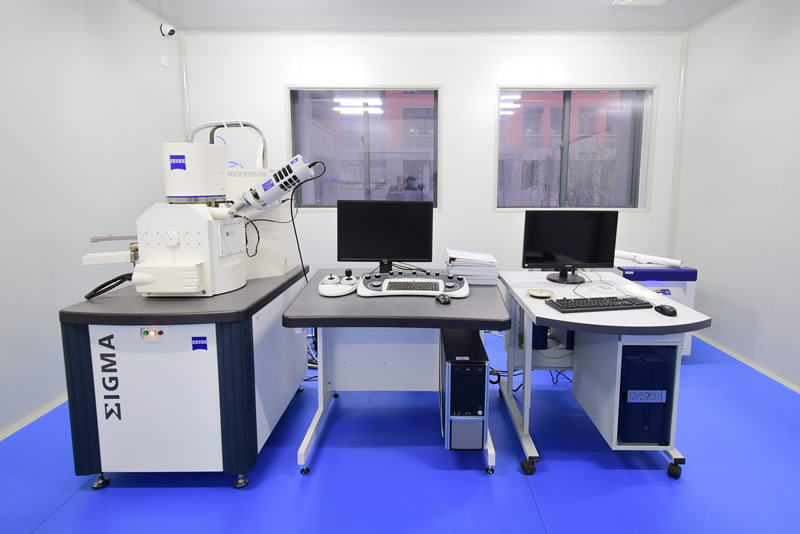 大型表征仪器
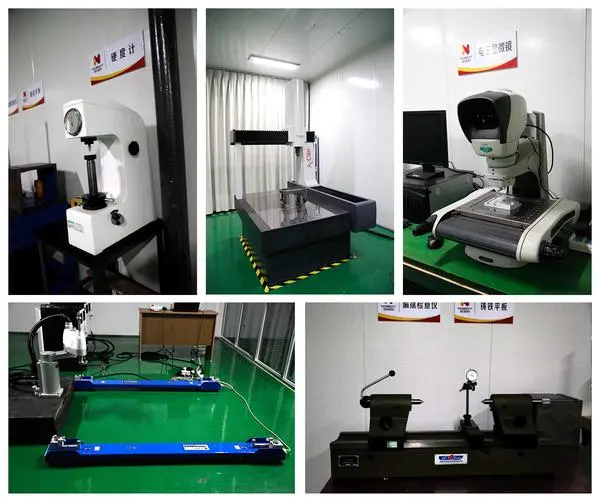 小型测试设备