In response to the increasing requirements for the processing quality and precision of ductile iron parts under the trend of automotive lightweighting and emission reduction, this study systematically investigated the wear behavior and cutting parameter optimization method of polycrystalline cubic boron nitride (PcBN) tools when machining ductile iron.By designing cutting experiments, the influence of different cutting parameters and tool materials on the service life of PcBN tools was analyzed. Based on the observation of the wear morphology throughout the tool’s life cycle, the failure evolution mechanism of PcBN tools with different compositions was revealed. With the help of microscopic characterization techniques, it was identified that abrasive wear, chemical wear, and adhesive wear are the main wear mechanisms of the tools. The results show that: Type B tools with cermet binders exhibit excellent cutting performance and a longer service life when machining ductile iron; under the optimized condition with a cutting efficiency of 15.04 cm³/min, a good balance between machining efficiency and tool life was achieved. Cutting speed, feed rate, and cutting depth have a significant impact on tool life, and there are obvious differences in the wear mechanisms of tools with different compositions. Based on the experimental data, a tool life prediction model was established through multiple linear regression. This model integrates real - time sensor data, can dynamically calculate the remaining life and health status, and achieve wear warning. This study provides theoretical and technical support for improving the efficiency and service life of PcBN tools in machining ductile iron, and points the way for the composition design of the next - generation cermet - bonded PcBN.
周老师: 13321314106
王老师: 17793132604


邮箱号码: lub@licp.cas.cn




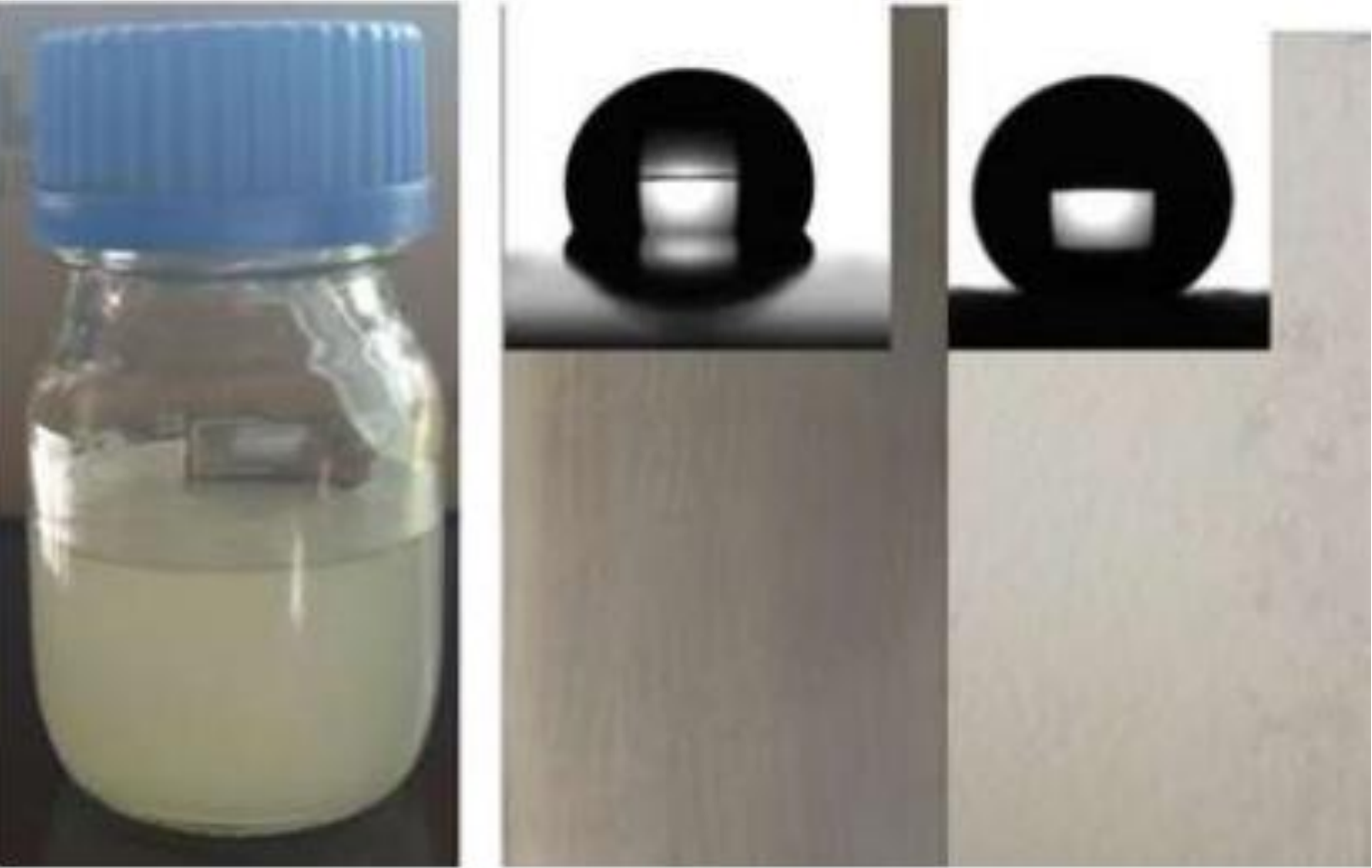
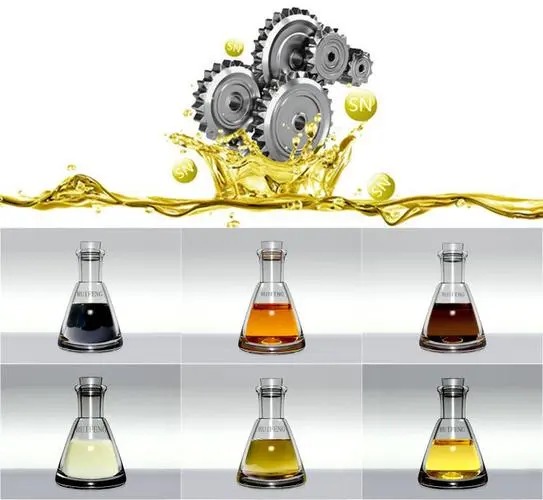 润滑剂
润滑剂
 润滑油添加剂
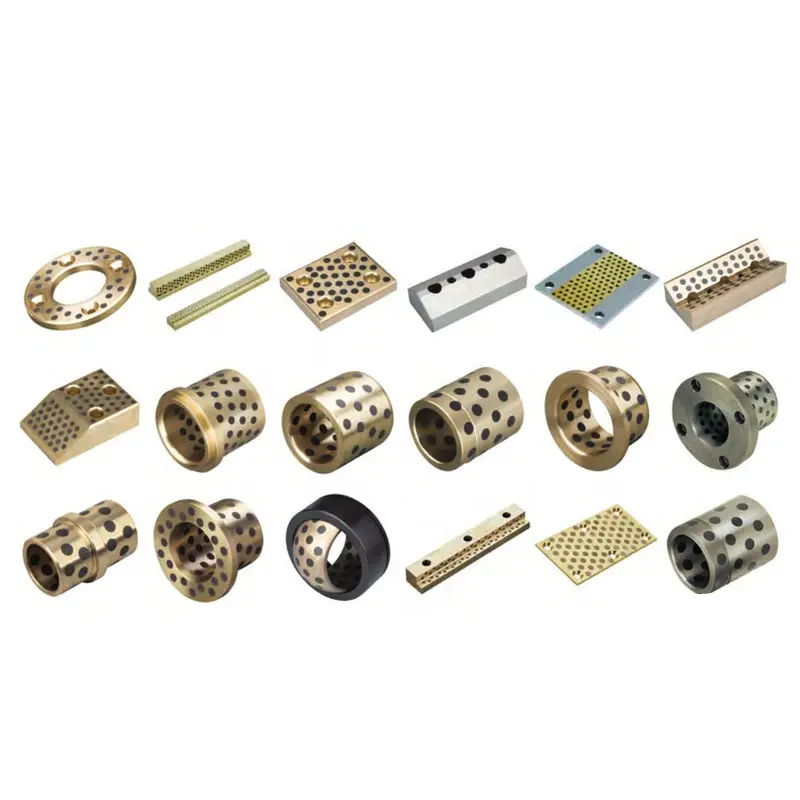 自润滑材料
自润滑材料
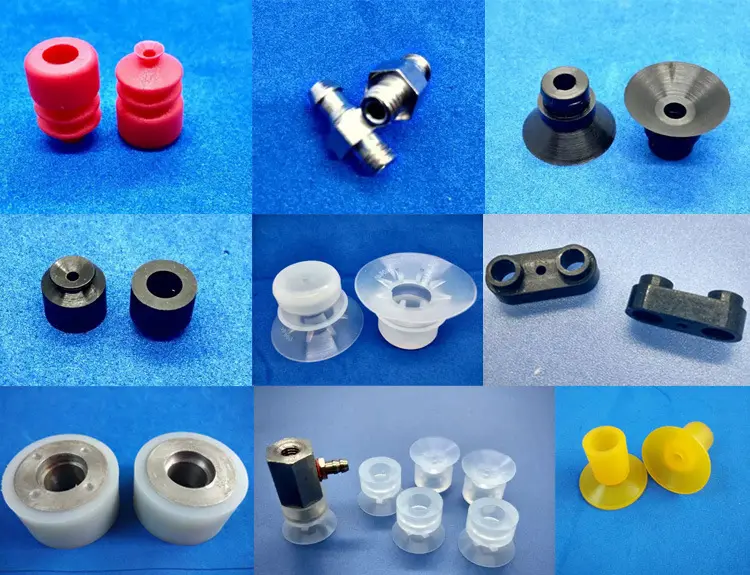 密封材料
密封材料
 新兴材料
新兴材料
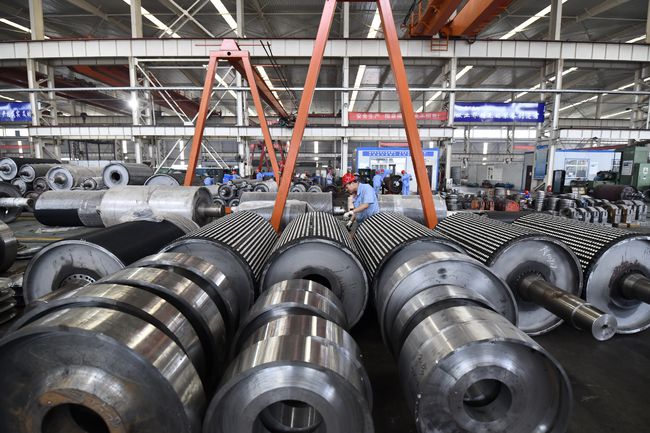 加工设备
加工设备
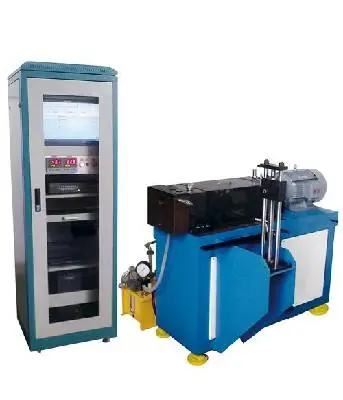 摩擦试验机
摩擦试验机
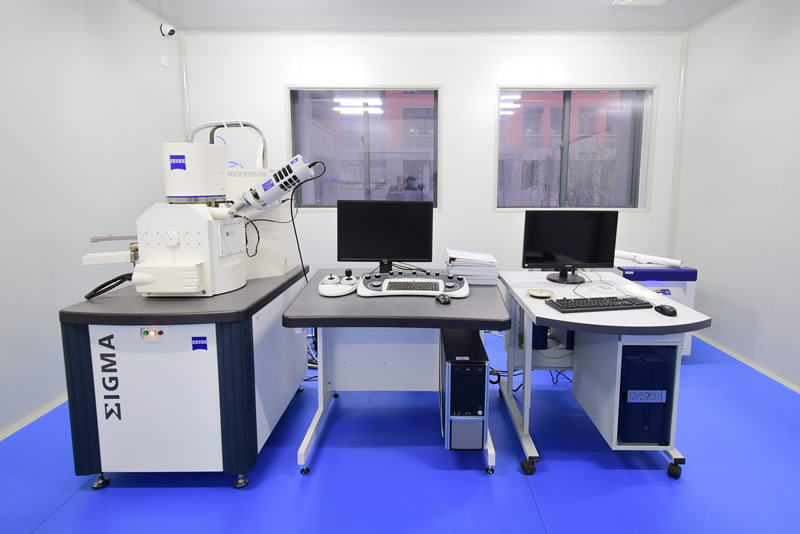 大型表征仪器
 小型测试设备