Cu-Ni alloys, commonly used in marine components, are susceptible to cavitation erosion and abrasion in seawater. To enhance the abrasion resistance and cavitation erosion resistance of CuNi25 alloy, this study successfully fabricated TiC-reinforced CuNi25-based composite layers via laser cladding technology. By conducting microstructure analysis, microhardness test, wet sand abrasive wear experiment and cavitation erosion test, this study investigated the effect of TiC particles on the structure and properties of cladding layers. It was found that with increasing TiC content (0, 10, 20 and 30 wt.%), the surface microhardness, abrasion resistance and cavitation erosion resistance of the composite layers were significantly improved. And 30TiC sample exhibited the best overall properties, with surface microhardness, abrasion resistance, and cavitation erosion resistance approximately 1.6 times, 3.5 times, and 5 times higher, respectively, than those of the CuNi25 cladding layer. The abrasion mechanisms of the composite layer are mainly abrasive abrasion and adhesive abrasion. With increasing TiC content, the strengthening, protecting and supporting effects of TiC particles are enhanced, leading to a continuous improvement in the cavitation erosion resistance of the composite layer. These findings can be useful for extending the application range of CuNi25 alloys in marine environment.
周老师: 13321314106
王老师: 17793132604


邮箱号码: lub@licp.cas.cn




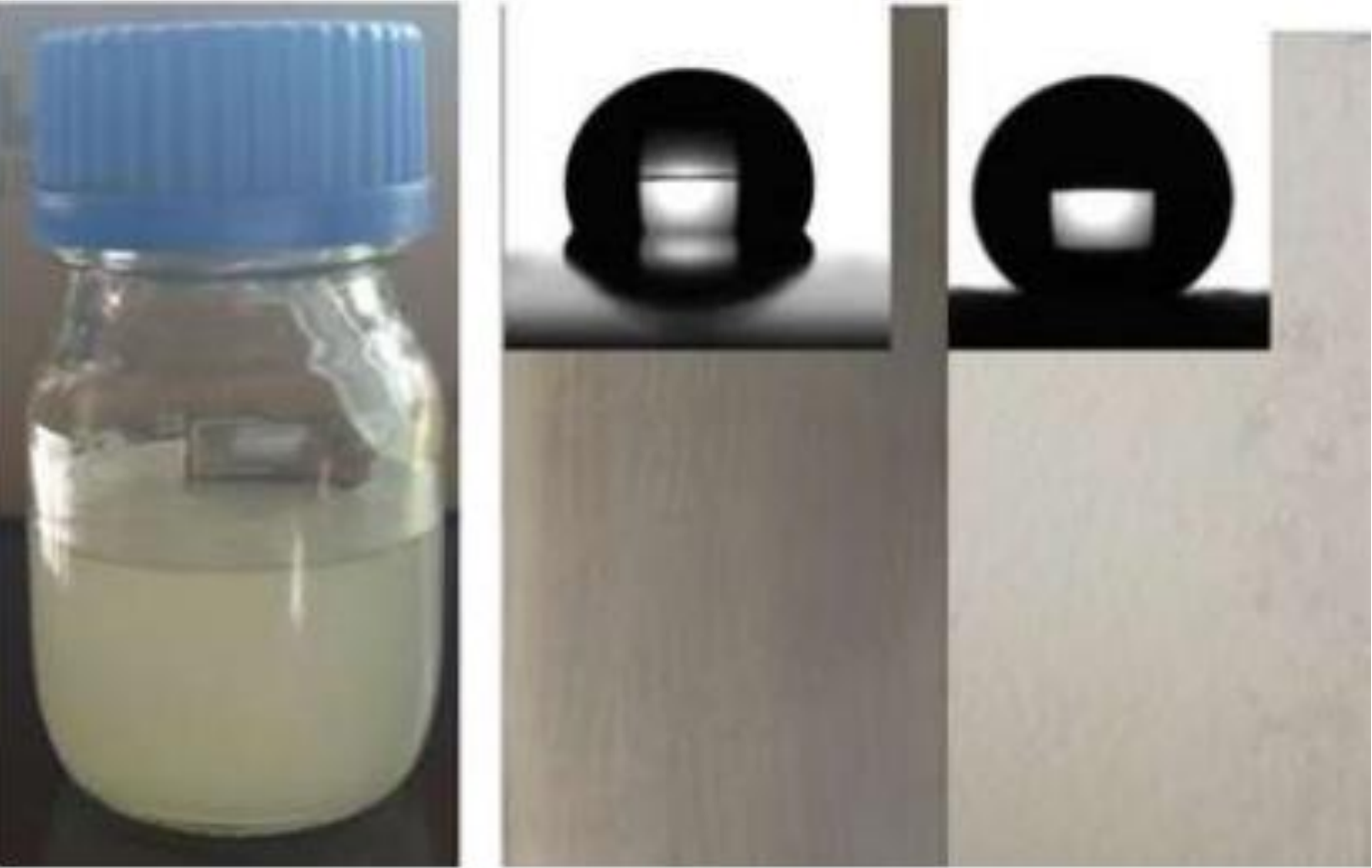
 润滑剂
润滑剂
 润滑油添加剂
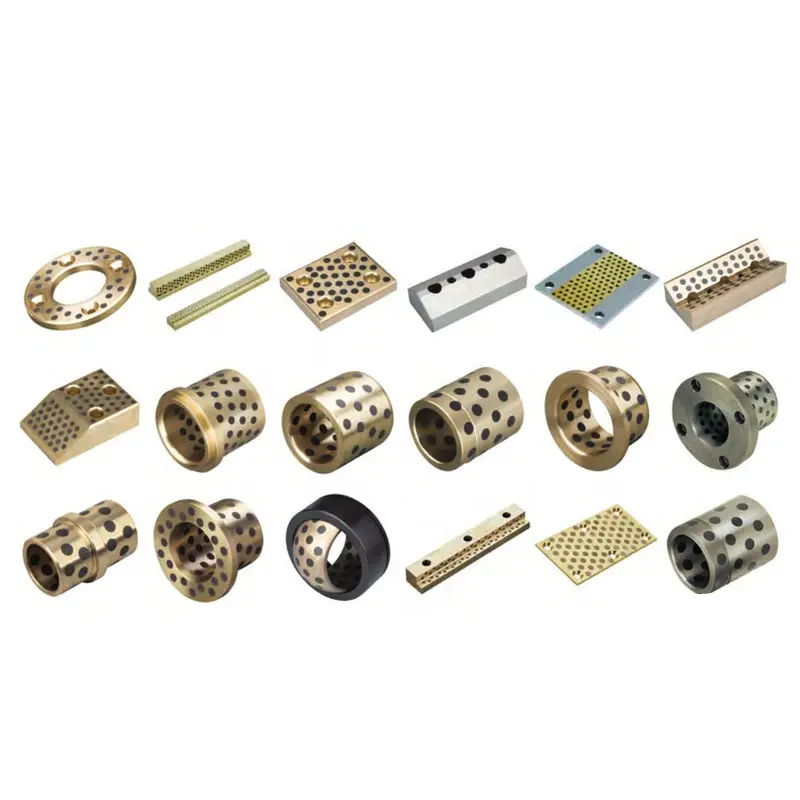 自润滑材料
自润滑材料
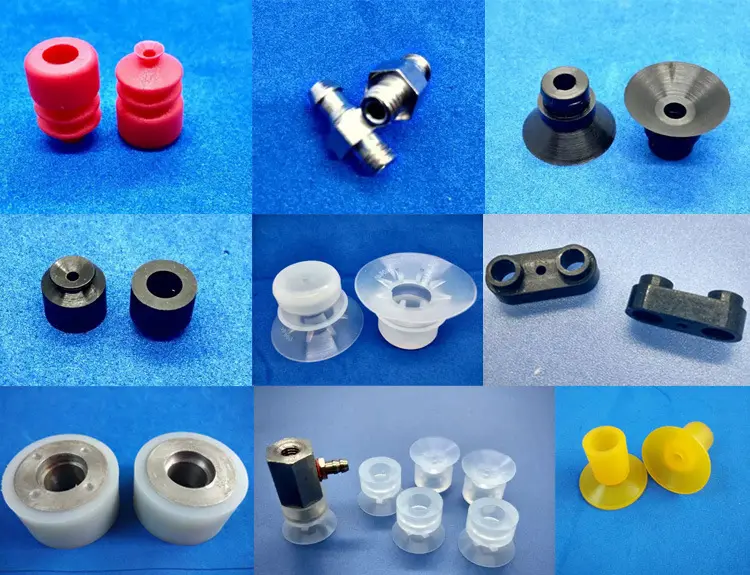 密封材料
密封材料
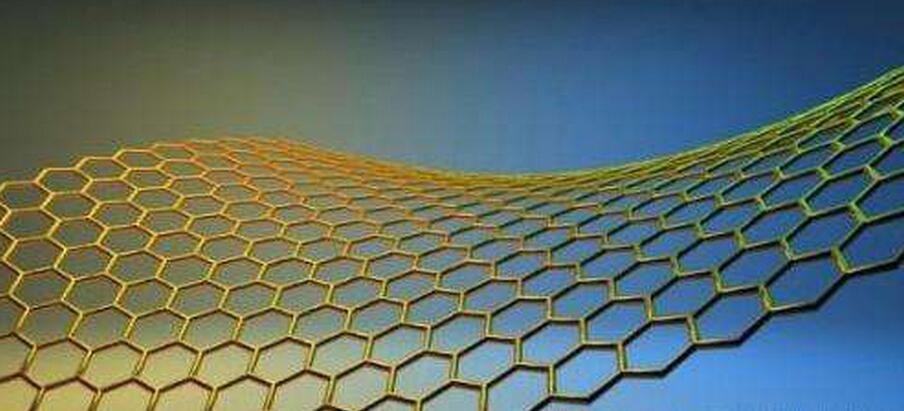 新兴材料
新兴材料
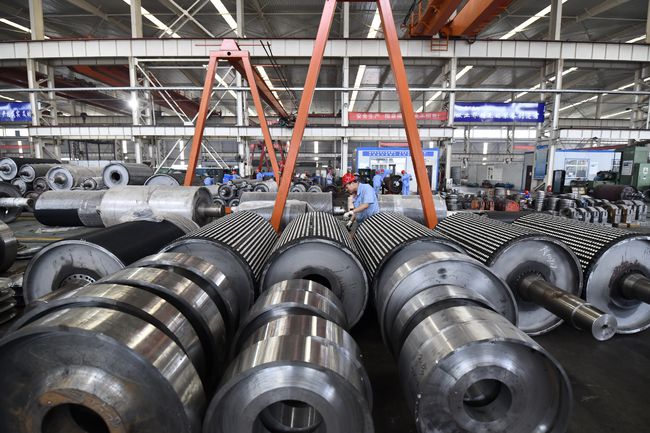 加工设备
加工设备
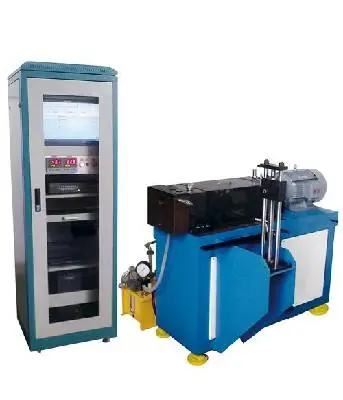 摩擦试验机
摩擦试验机
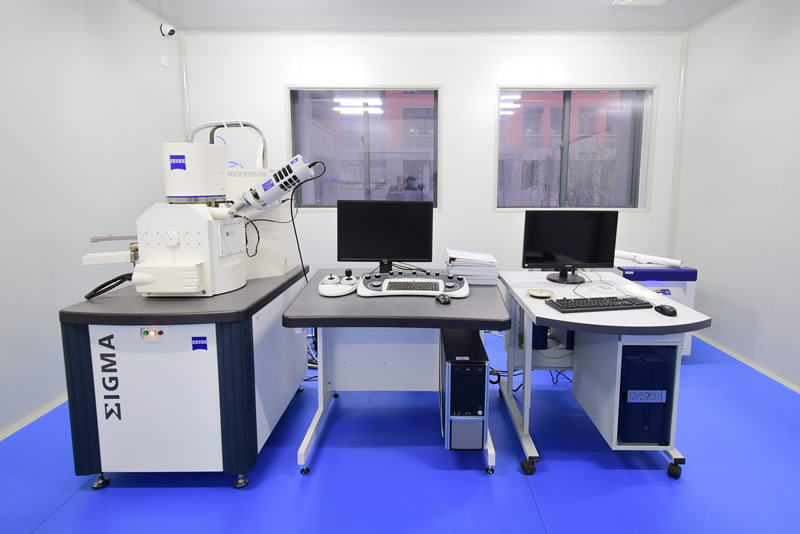 大型表征仪器
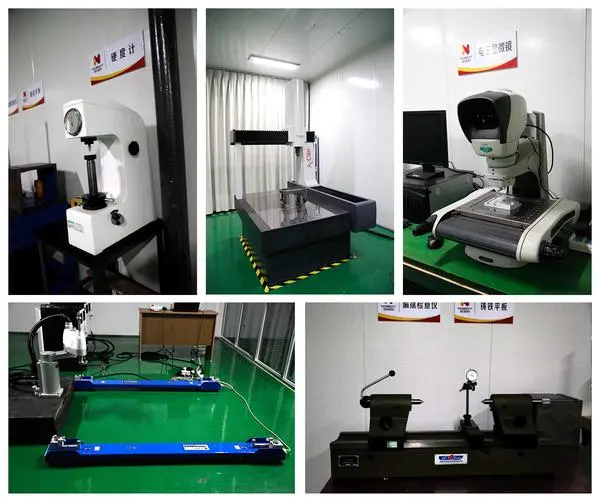 小型测试设备