The development of corrosion-resistant low-iridium anode catalysts is the key challenge in proton exchange membrane water electrolysis. However, the fundamental origin of anodic corrosion has been intensely debated over the years, mainly because of the limited mechanistic understanding of the complex proton-coupled electron transfer process. In this work, we employed femtosecond electrochemical transient absorption spectroscopy to probe the spatial–temporal synchronization of protons and electrons during the elementary proton-coupled electron transfer step at the femtosecond (10−15 s) timescale. Here we show that anodic corrosion is initiated within 100 fs after polarization startup, driven by synchronized protons and electrons coupling at the electrode surface. By introducing a Lewis acid (CeO2) as a proton channel, the reaction dynamics of protons and electrons could be decoupled into temporal asynchrony to prevent the generation of soluble Ir6+ species. Owing to this unique desynchronized proton–electron interaction, the CeO2–IrO2 catalyst demonstrates outstanding stability for about 1,400 h of continuous operation.
周老师: 13321314106
王老师: 17793132604


邮箱号码: lub@licp.cas.cn




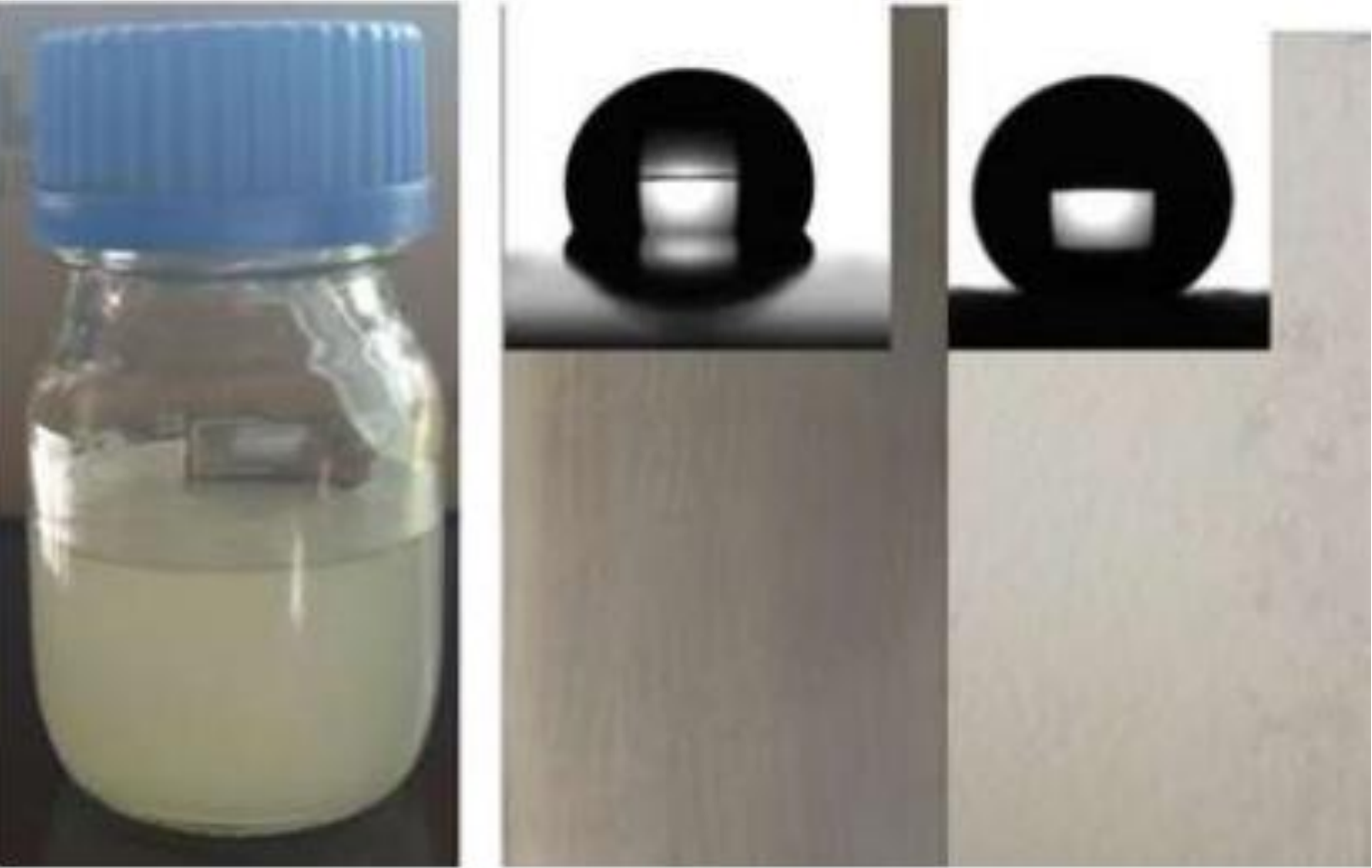
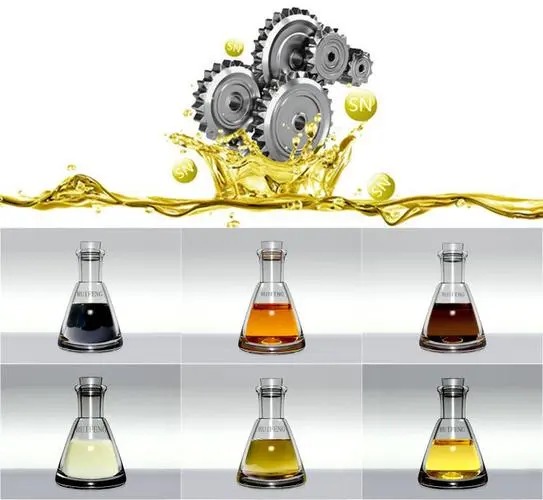 润滑剂
润滑剂
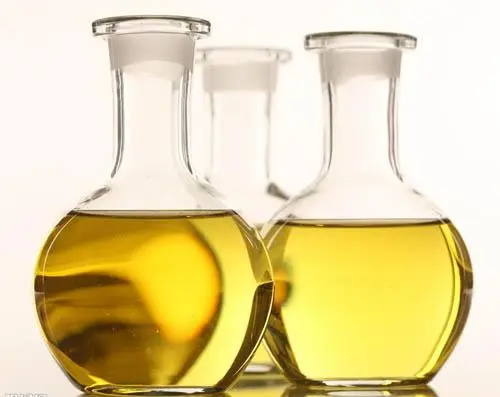 润滑油添加剂
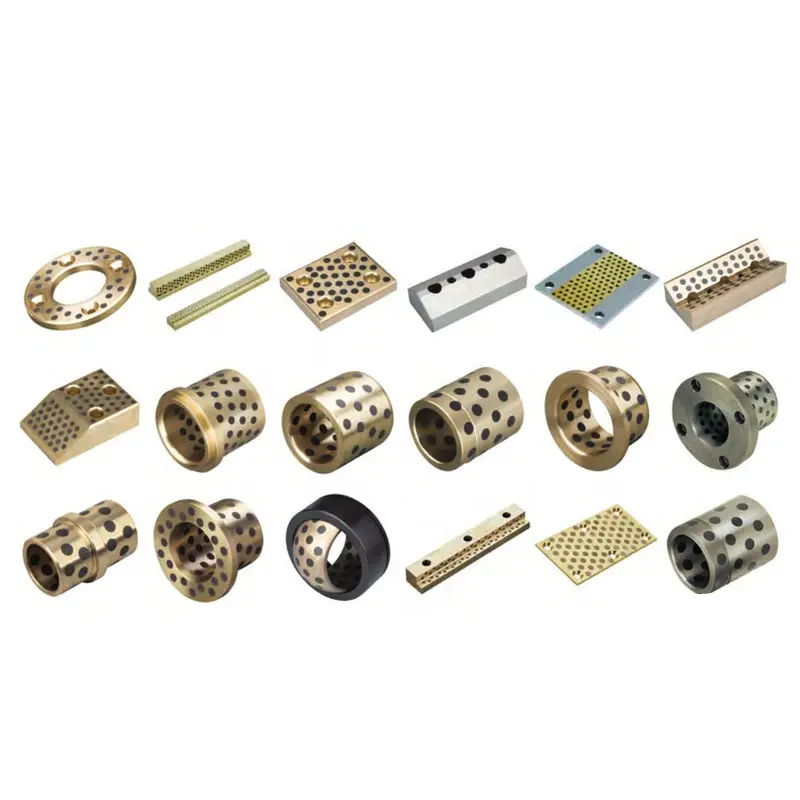 自润滑材料
自润滑材料
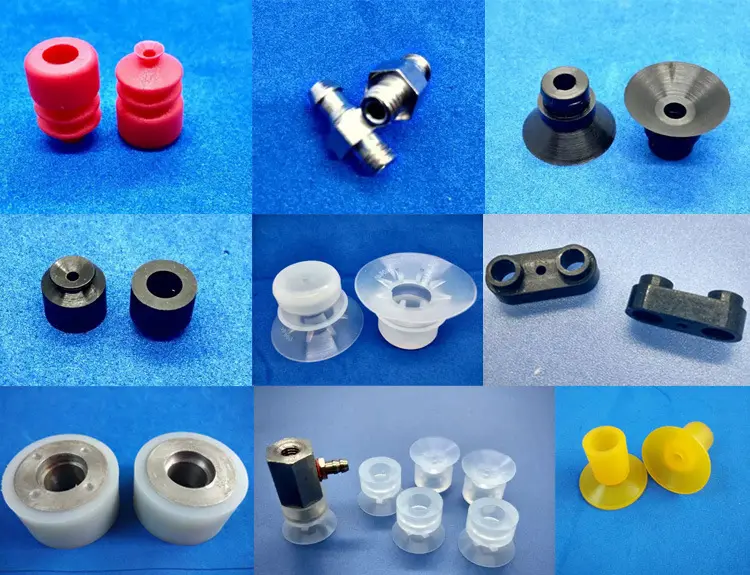 密封材料
密封材料
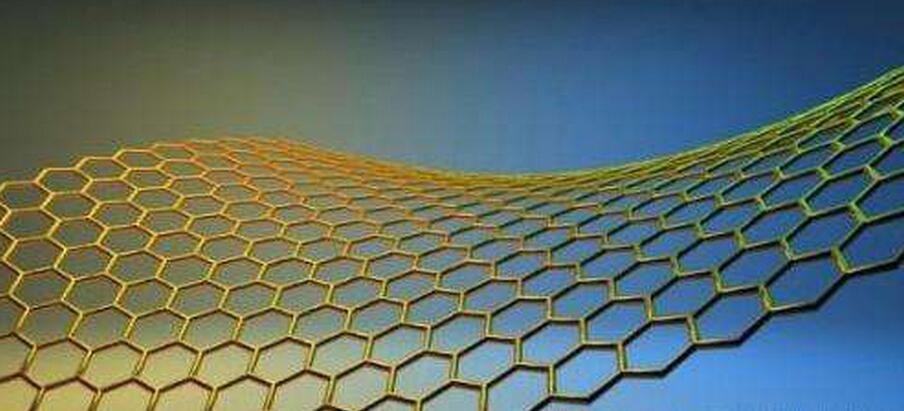 新兴材料
新兴材料
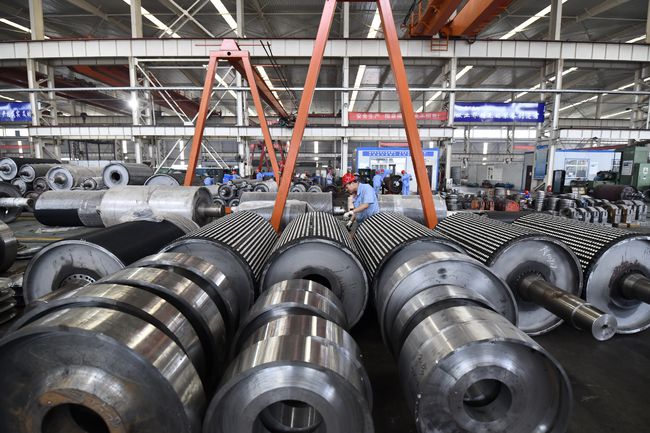 加工设备
加工设备
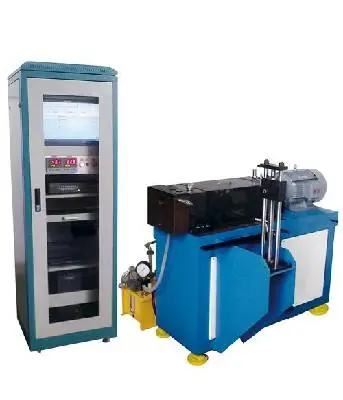 摩擦试验机
摩擦试验机
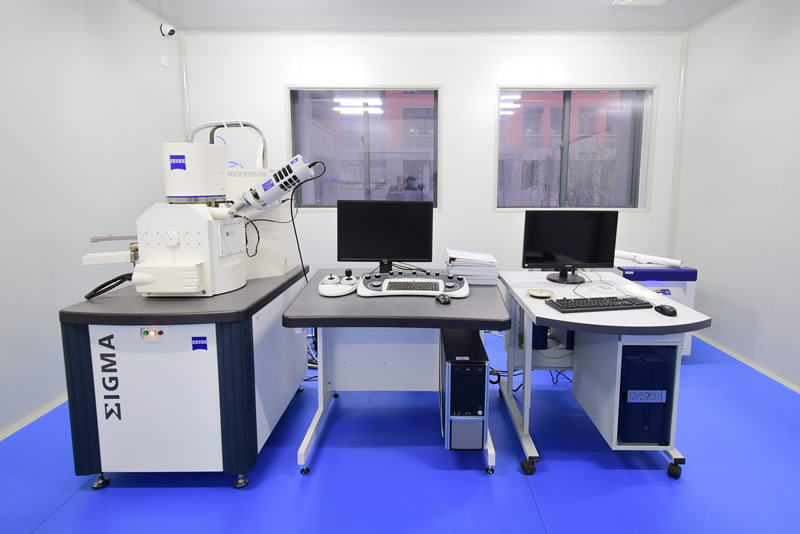 大型表征仪器
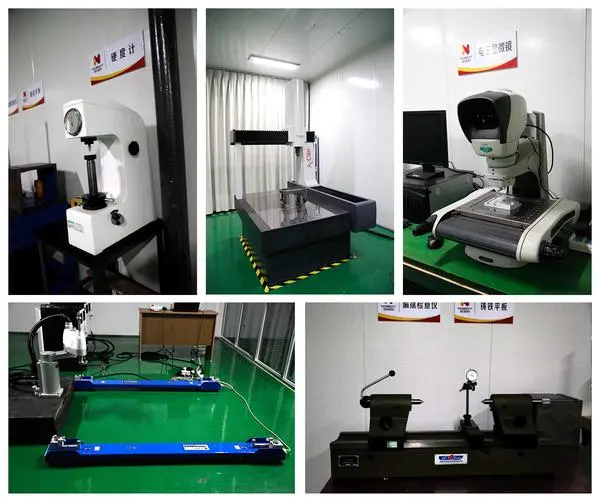 小型测试设备