Abstract Reduction of the metal consumption of tools used for extraction of solid minerals is directly related to their wear resistance. This study investigated the material selection requirements for excavator bucket teeth based on scientific data. The aim of the work was to determine the optimal chemical composition and final heat treatment to provide the required combination of mechanical properties for excavator bucket teeth to be used under various operating conditions. Experimental steel specimens were produced in induction furnaces with a capacity of up to 120 kg. Heat treatment was carried out by quenching in oil followed by either low or high tempering. Wear tests used a friction scheme in which a specimen mounted in the machine spindle undergoes transverse motion while simultaneously rotating about its axis. The highest strength values were obtained for the steel with 0.4% C (ultimate tensile strength 1720 MPa) compared with 0.3% C (1680 MPa) at the same level of plastic properties. Analysis of the wear-test results showed the most severe wear conditions when using SiC abrasive with a particle size of 200 µm (66–71 m/g; 82–89 m/g). High hardness after quenching and low tempering guarantees better wear resistance (130–133 m/g) compared with quenching and high tempering (95–110 m/g). The primary wear mechanisms are micro-cutting and plastic ploughing (plastic displacement). Taking the results and the application conditions of excavator buckets in the extraction of various rock types into account, the following steels are recommended for bucket teeth: 30KhGNMFL for conditions requiring high wear resistance and low-temperature toughness; 40Kh2GN2MFL (No. 3) for more temperate climates. Low tempering after quenching is recommended for temperate climates; to ensure low-temperature toughness, quenching followed by high tempering is necessary.
周老师: 13321314106
王老师: 17793132604


邮箱号码: lub@licp.cas.cn




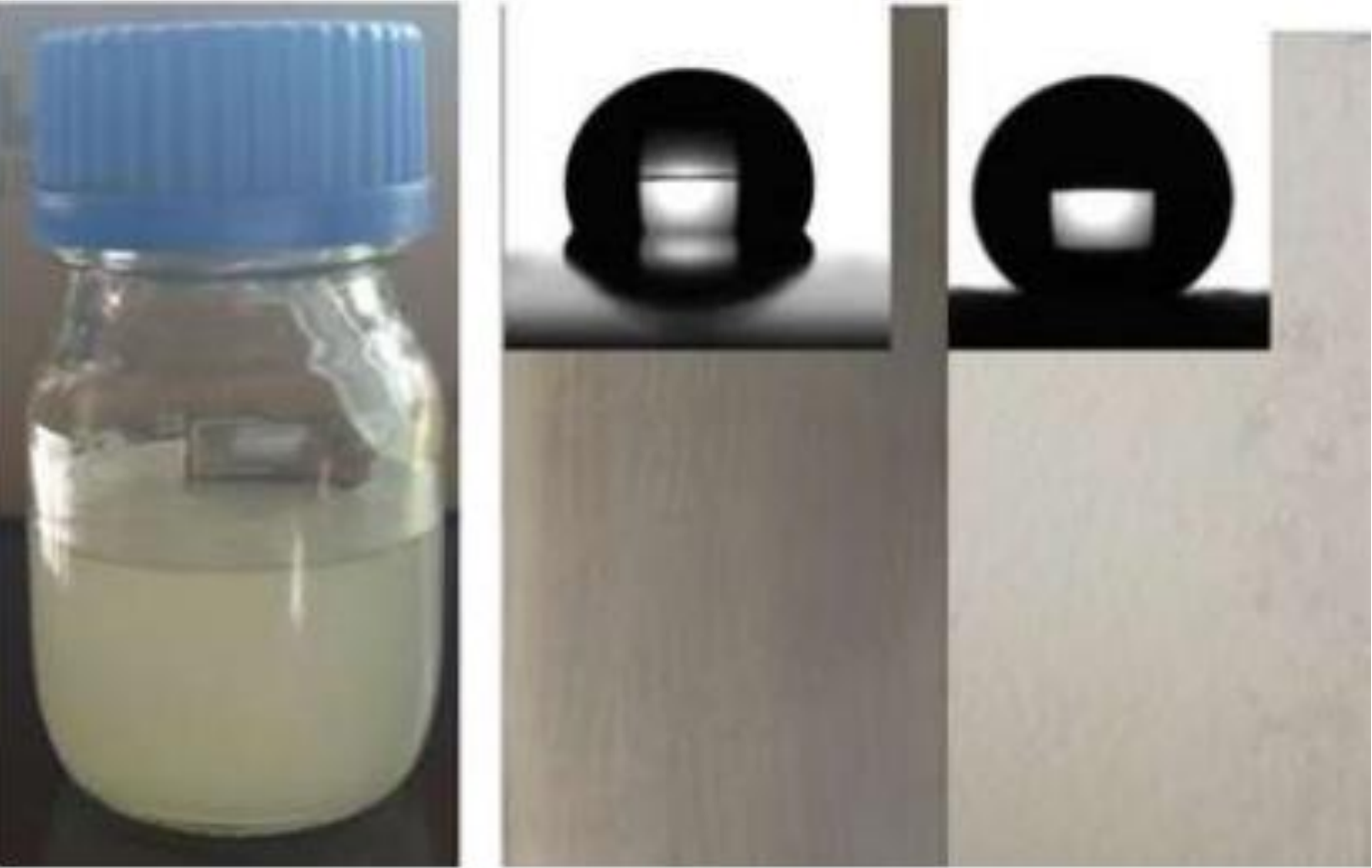
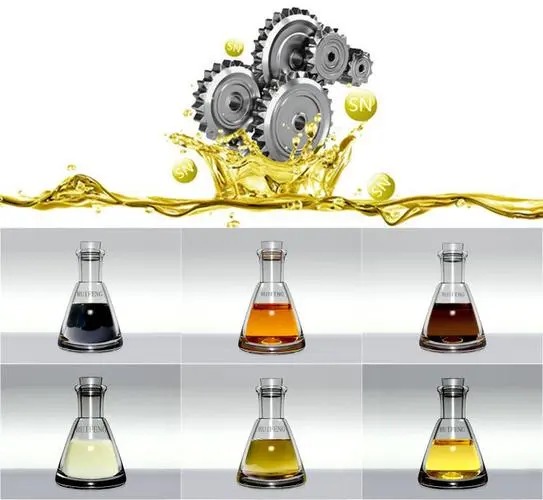 润滑剂
润滑剂
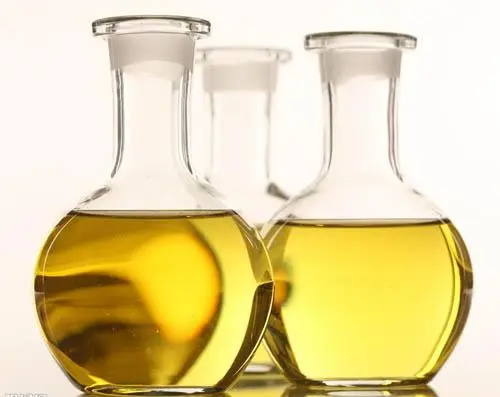 润滑油添加剂
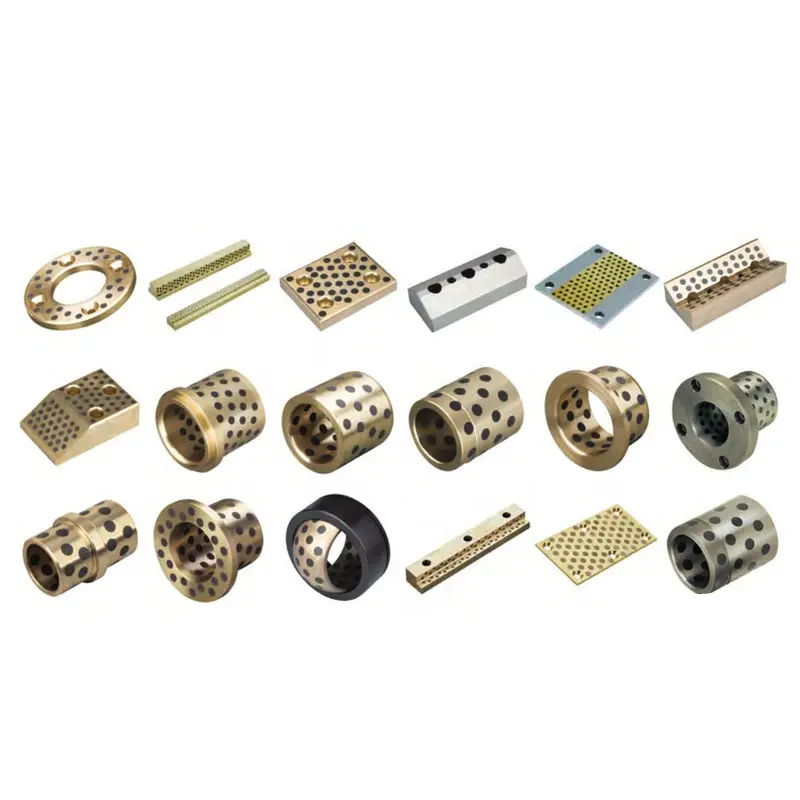 自润滑材料
自润滑材料
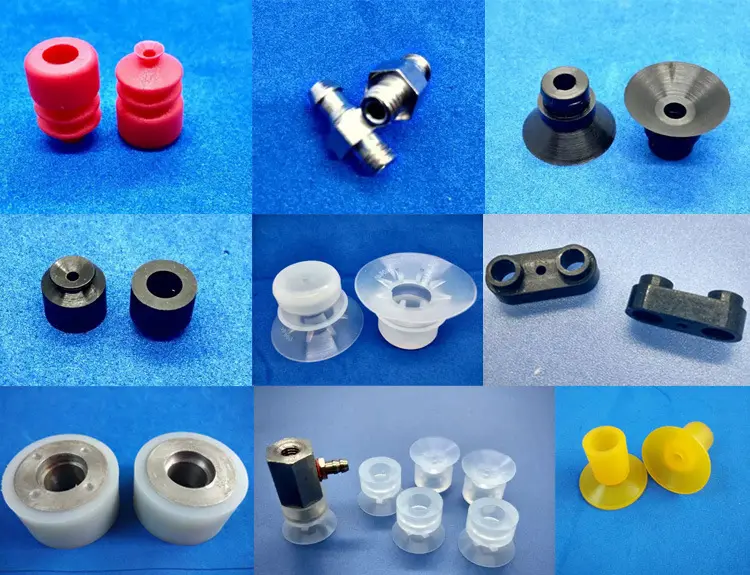 密封材料
密封材料
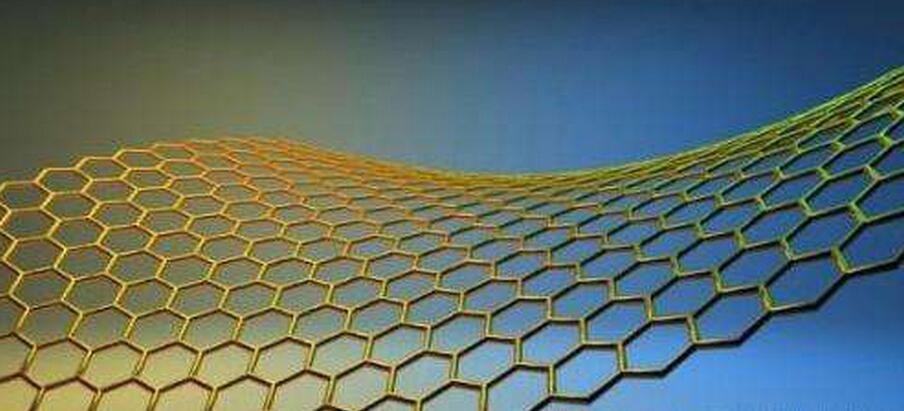 新兴材料
新兴材料
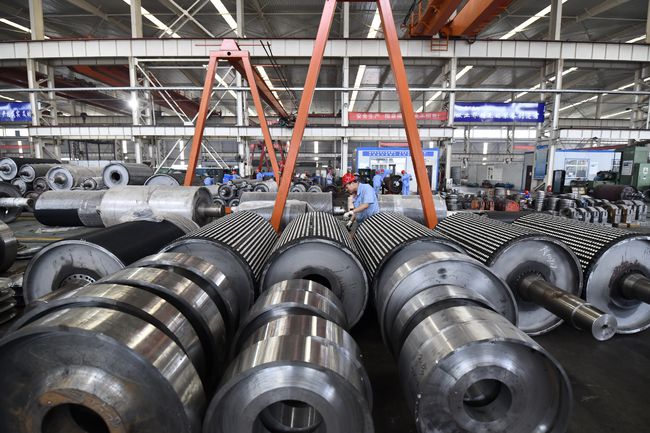 加工设备
加工设备
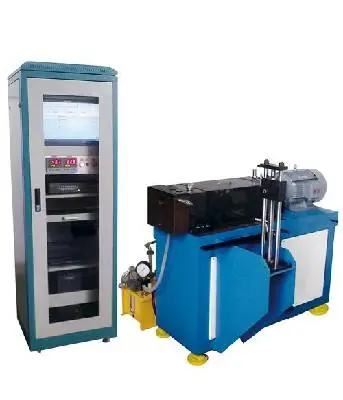 摩擦试验机
摩擦试验机
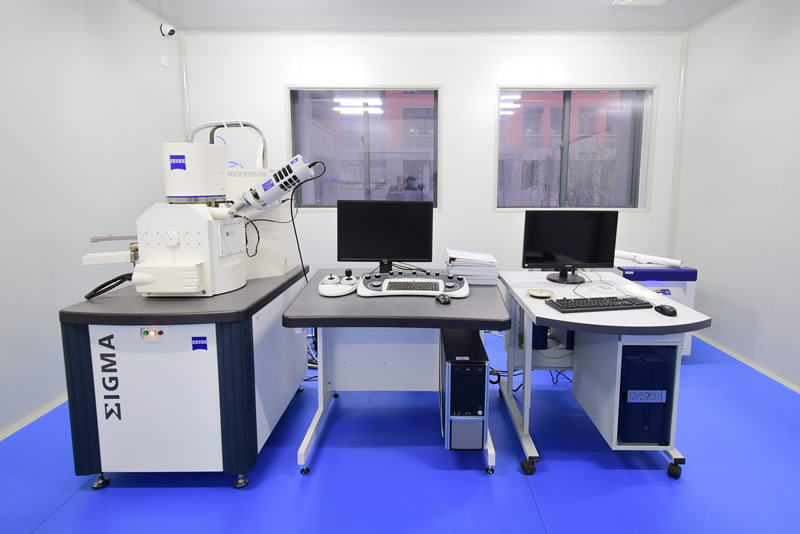 大型表征仪器
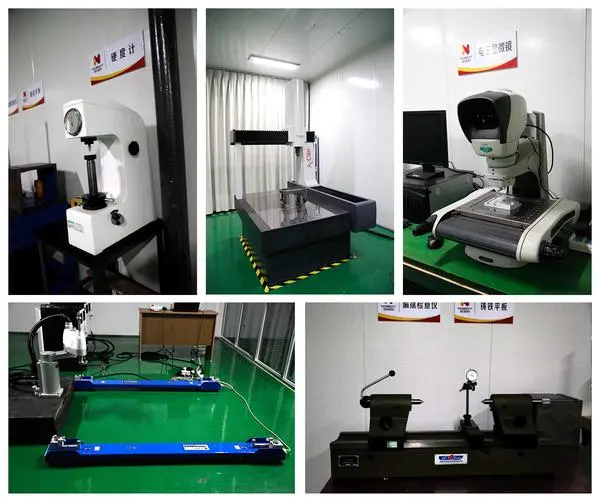 小型测试设备