Ammonia decomposition is an attractive route for on-demand hydrogen production from carbon-free chemicals. However, the rational design of efficient catalysts remains challenging due to intrinsic trade-offs in surface reactivity: catalysts that effectively activate N–H bonds often bind reaction intermediates too strongly, leading to surface poisoning and sluggish product desorption. Ruthenium (Ru) is among the most active metals for this reaction, yet its strong nitrogen adsorption and scarcity limit its practical utilization. Here, we employed first-principles calculations to design single-atom alloys (SAAs), in which isolated Ru atoms are dispersed within 3d–5d transition-metal hosts to maximize the atom efficiency of Ru while potentially improving catalytic reactivity. We first evaluated the thermodynamic stability of various Ru-doped SAAs against dopant aggregation and subsurface segregation. We then systematically investigated the reaction energetics of ammonia decomposition, focusing on the trade-off between ammonia dehydrogenation and the associative desorption of N2 and H2. Thermodynamic screening identified Ru/Fe, Ru/Co, and Ru/Ni SAAs as promising candidates with favorable energetics for associative desorption. Notably, further kinetic analysis revealed that Ru/Fe SAA is highly active for ammonia decomposition, exhibiting reduced barriers for both dehydrogenation and associative desorption compared with pure Ru. In addition, we identified the adsorption energy of atomic nitrogen as an effective thermodynamic descriptor correlating well with catalytic reactivity across the SAAs. This work provides fundamental insights into overcoming catalytic limitations through atomic doping strategies, while demonstrating how SAAs maximize the atomic efficiency of scarce noble metals and guiding the design of more efficient catalysts for ammonia decomposition.
周老师: 13321314106
王老师: 17793132604


邮箱号码: lub@licp.cas.cn




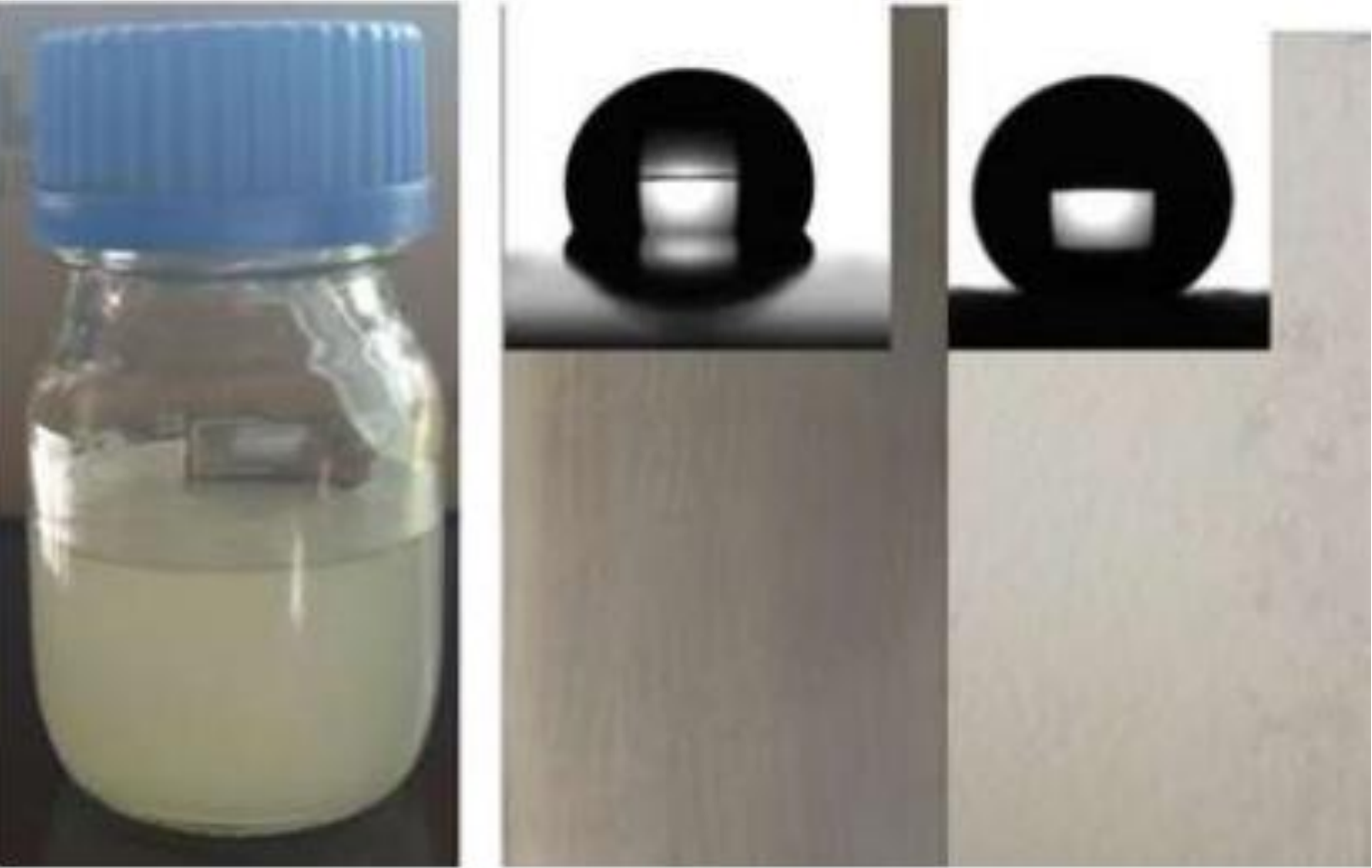
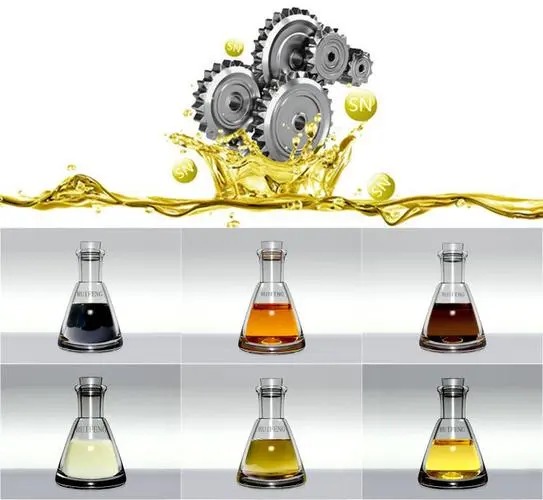 润滑剂
润滑剂
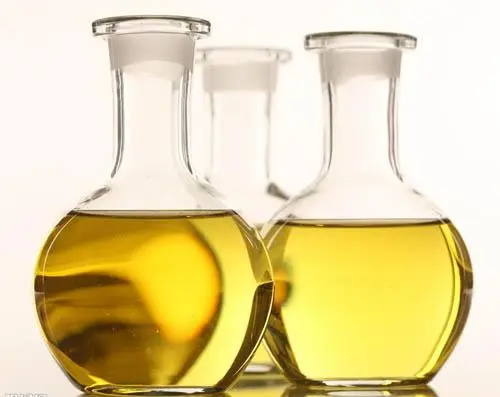 润滑油添加剂
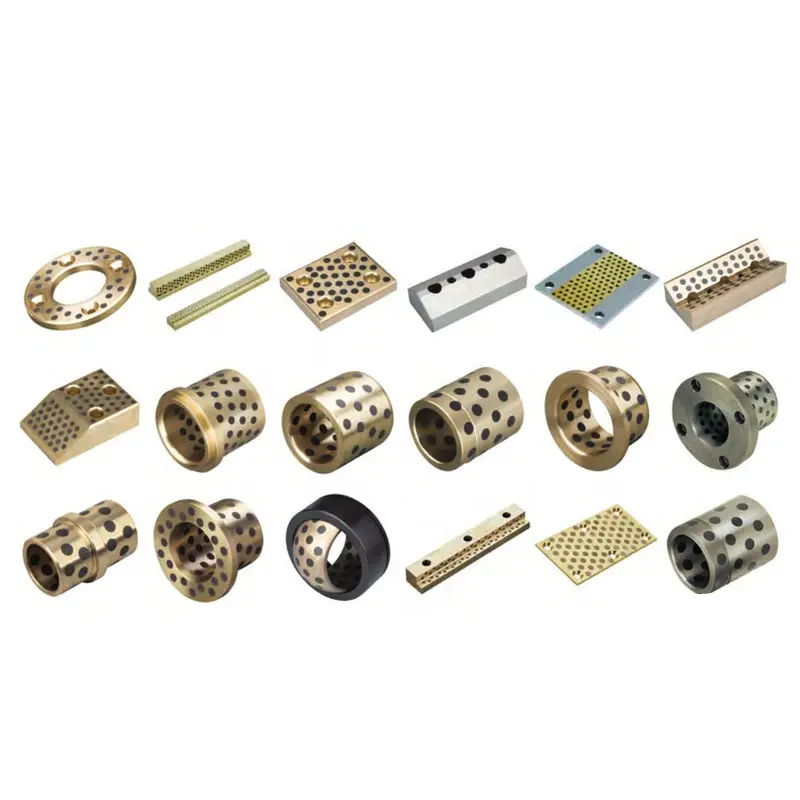 自润滑材料
自润滑材料
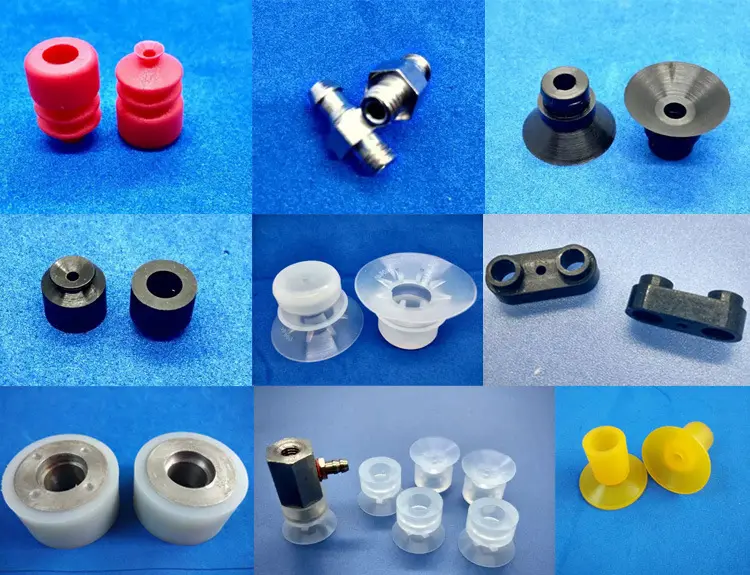 密封材料
密封材料
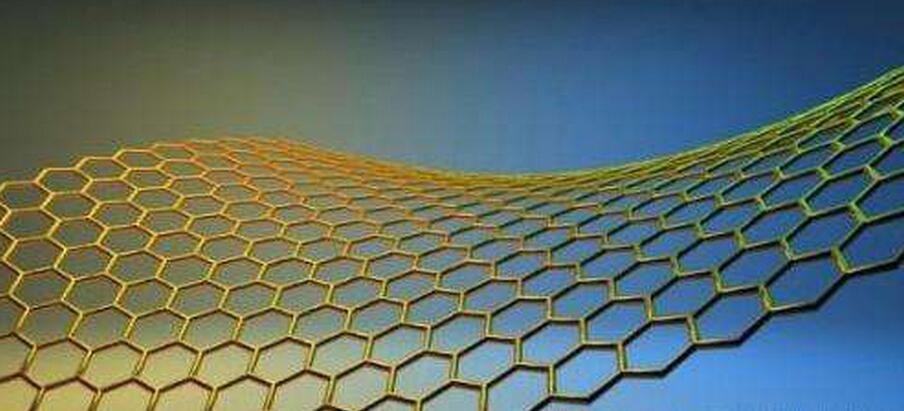 新兴材料
新兴材料
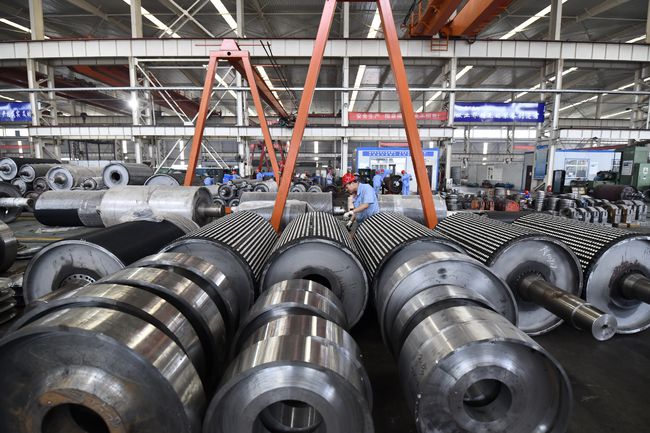 加工设备
加工设备
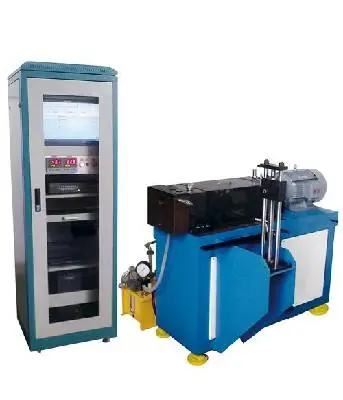 摩擦试验机
摩擦试验机
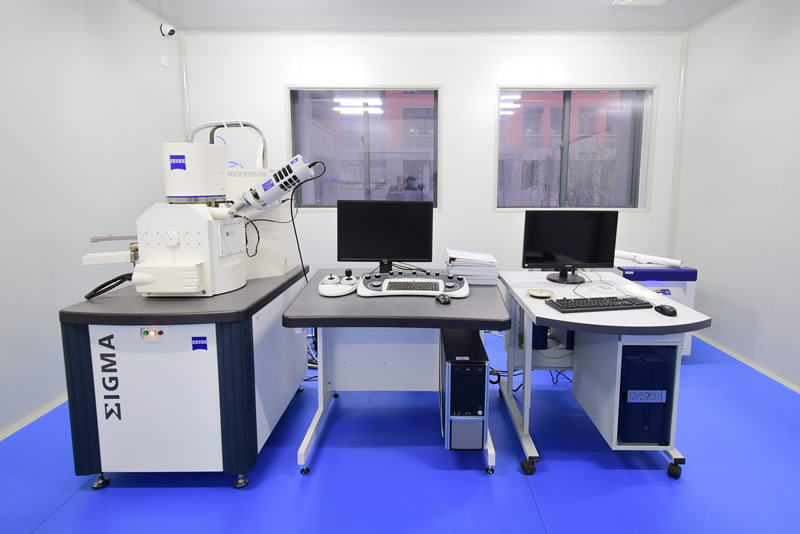 大型表征仪器
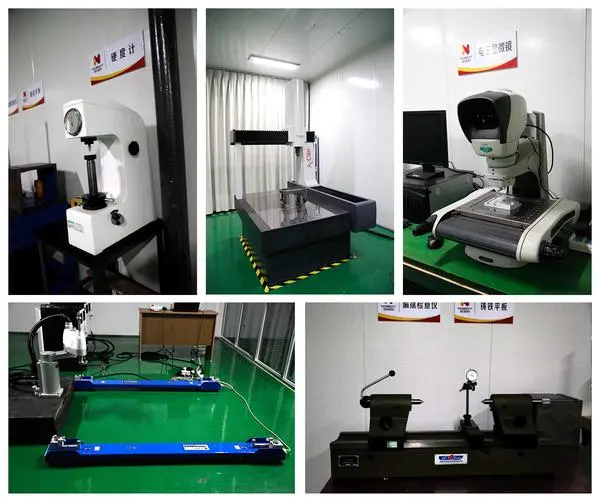 小型测试设备