Using a 1.2 mm diameter TC4 titanium alloy welding wire and an arc-based additive manufacturing system, thick-walled TC4 titanium alloy components were fabricated on forged TC4 titanium alloy base plates via a reciprocating scanning method. These components were subsequently annealed. The effects of annealing temperature and time on the microstructure, microhardness, and tensile properties of specimens with different sampling orientations were investigated using optical microscopy, scanning electron microscopy, and X-ray diffraction (XRD) to investigate the effects of annealing temperature and time on the microstructure, microhardness, and tensile properties of specimens with different sampling orientations. Results indicate that the aspect ratio of α phase in the microstructure decreases with increasing annealing temperature. Significant differences exist in the mechanical properties of the arc-based TC4 Ti alloy along the deposition direction and welding direction. Tensile strength in the deposition direction was markedly lower than in the weld direction, while elongation and reduction of area were higher in the deposition direction.Tensile tests in both directions revealed that α lamellae deformed or fractured primarily through two mechanisms: fracture in the deposition direction exhibited ductile fracture characteristics, whereas fracture in the weld direction displayed semi-cleavage and semi-ductile characteristics.
周老师: 13321314106
王老师: 17793132604


邮箱号码: lub@licp.cas.cn





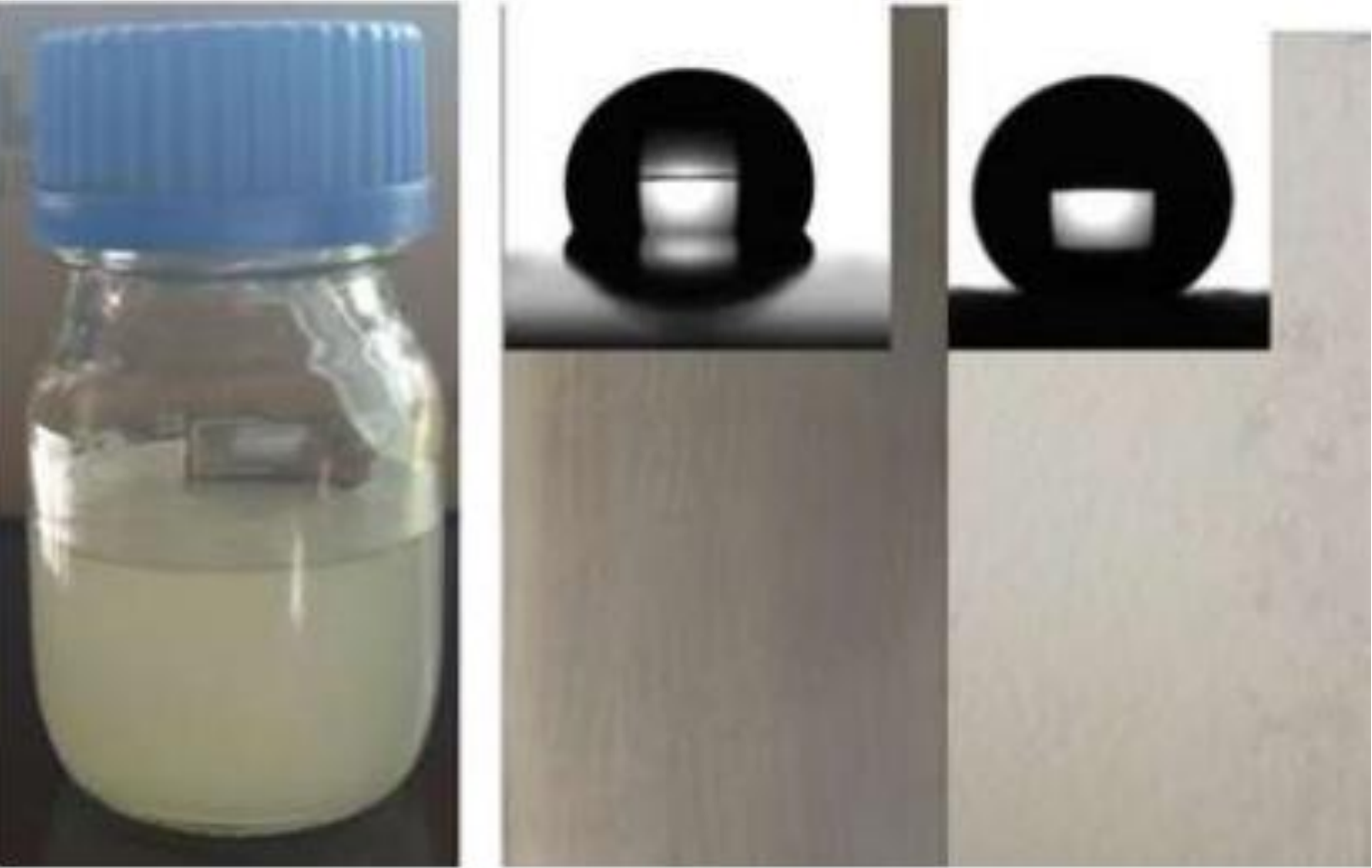
 润滑剂
润滑剂
 润滑油添加剂
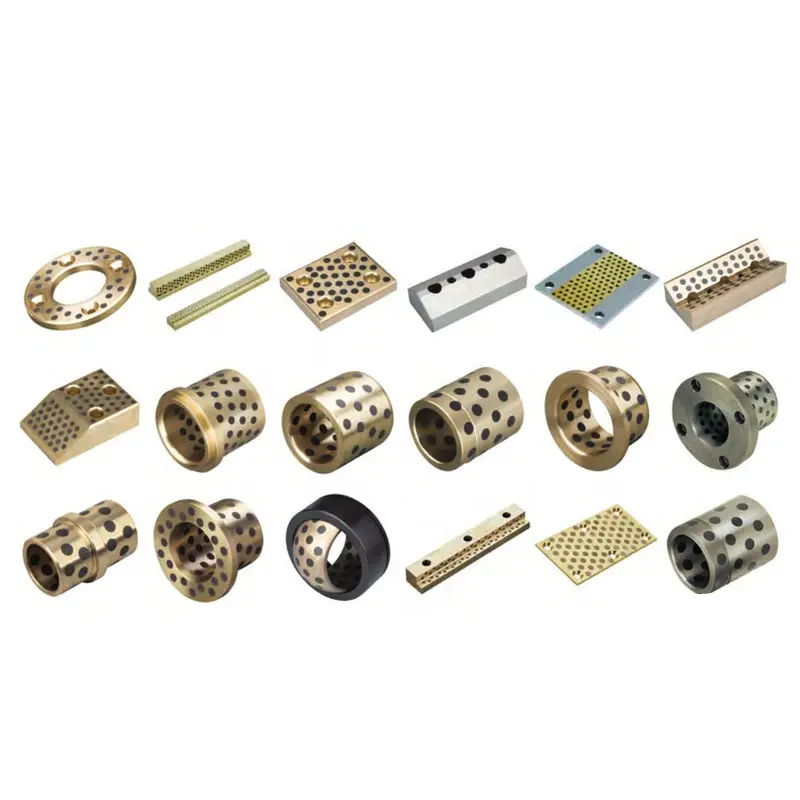 自润滑材料
自润滑材料
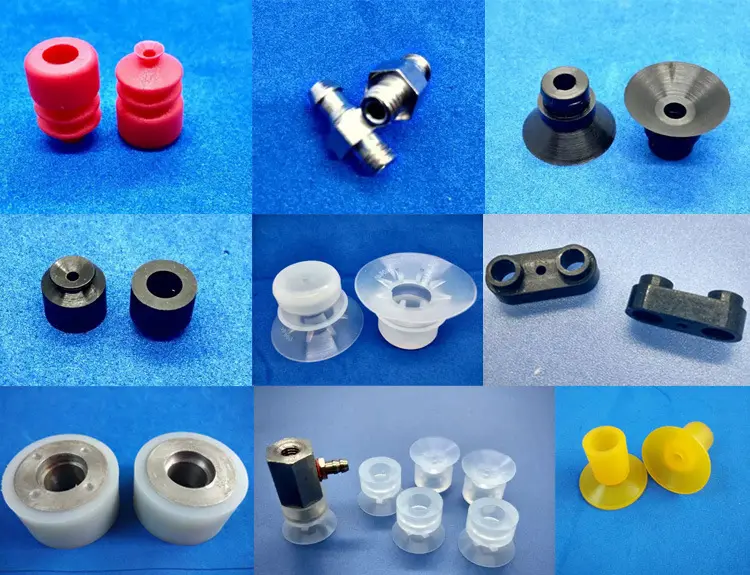 密封材料
密封材料
 新兴材料
新兴材料
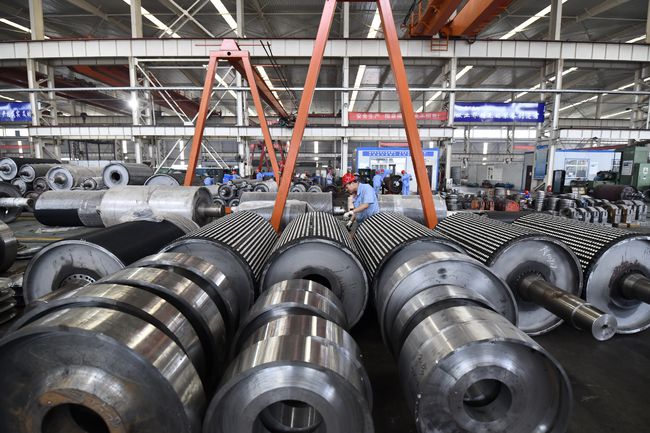 加工设备
加工设备
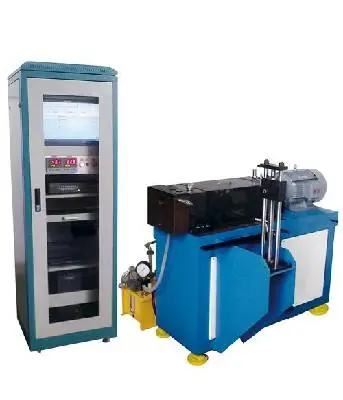 摩擦试验机
摩擦试验机
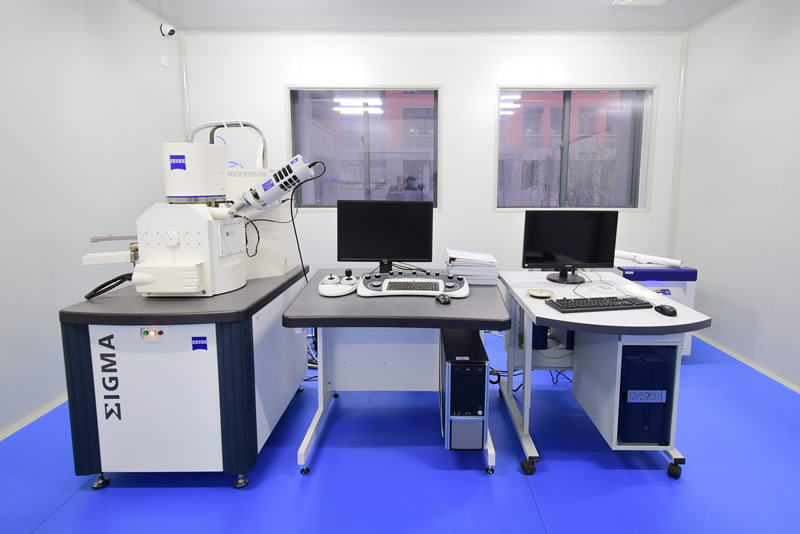 大型表征仪器
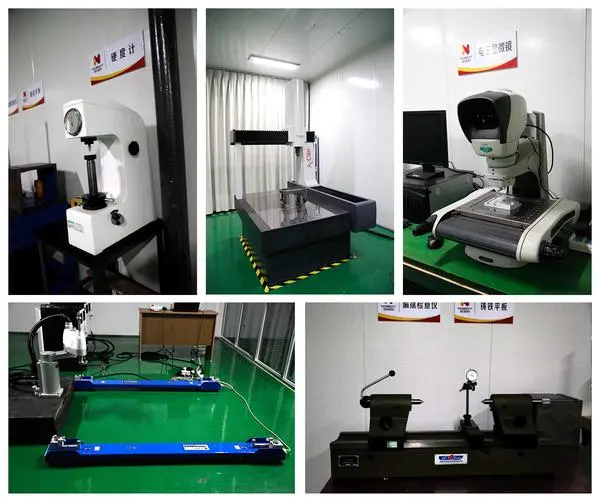 小型测试设备