With the emergence of environmentally conscious production requirements, machining industries increasingly employ sustainable lubrication strategies to minimize the drawbacks associated with conventional flood cooling. Minimum quantity lubrication (MQL), in which a fine mist of lubricant is directed into the tool–workpiece interface, has gained significant traction owing to its ability to reduce fluid consumption while delivering enhanced lubrication. In this context, the present study examines the feasibility of alumina-reinforced palm oil as a nano-green lubricant under MQL conditions during end-milling. Alumina nanoparticles (0–1.4%) were dispersed into palm oil, and the optimum concentration (0.8%) was selected after thermo-physical characterization. Twenty-seven end-milling trials on Inconel 690 were subsequently conducted using the optimum nano-lubricant. Machining responses were analyzed using main effect plots, empirical cumulative distribution function (ECDF), and analysis of variance (ANOVA). Response Surface Methodology (RSM) was used to construct predictive mathematical models. To determine optimum machining conditions, the present work employs Ant Colony Optimization (ACO) in place of conventional optimization schemes, where the RSM-derived expressions served as objective functions for the ACO-based search mechanism. The ACO-generated solution corresponds to cutting speed = 118.348 m/min, feed rate = 0.18 mm/tooth, and depth of cut = 0.7 mm. Validation experiments confirmed that the deviation between predicted and measured outputs remained below 3%, demonstrating that the RSM–ACO framework provides a robust, reliable optimization strategy for sustainable nano-lubricated machining.
周老师: 13321314106
王老师: 17793132604


邮箱号码: lub@licp.cas.cn




 润滑剂
润滑剂
 润滑油添加剂
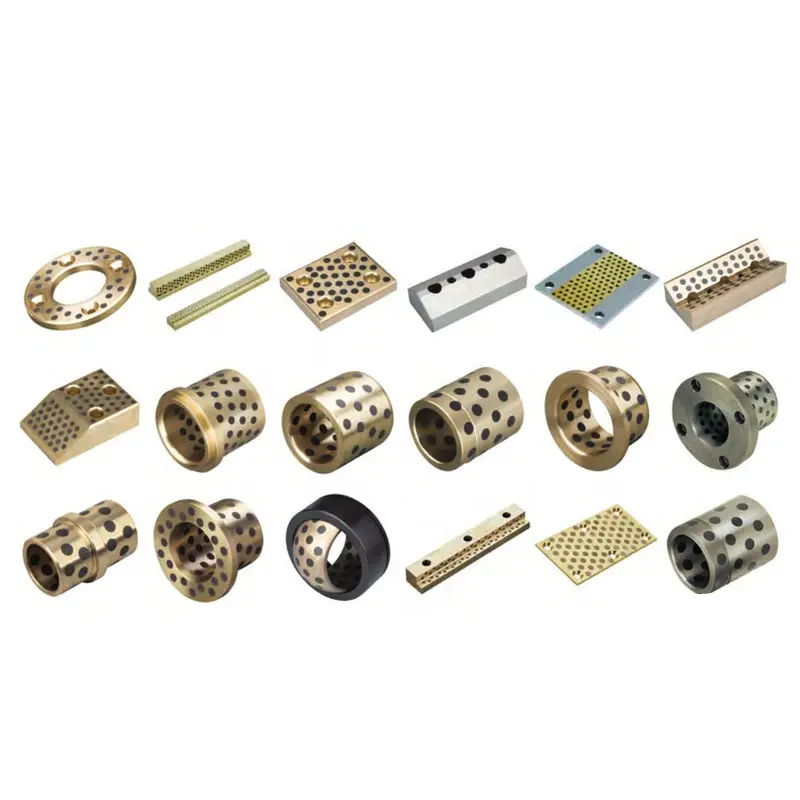 自润滑材料
自润滑材料
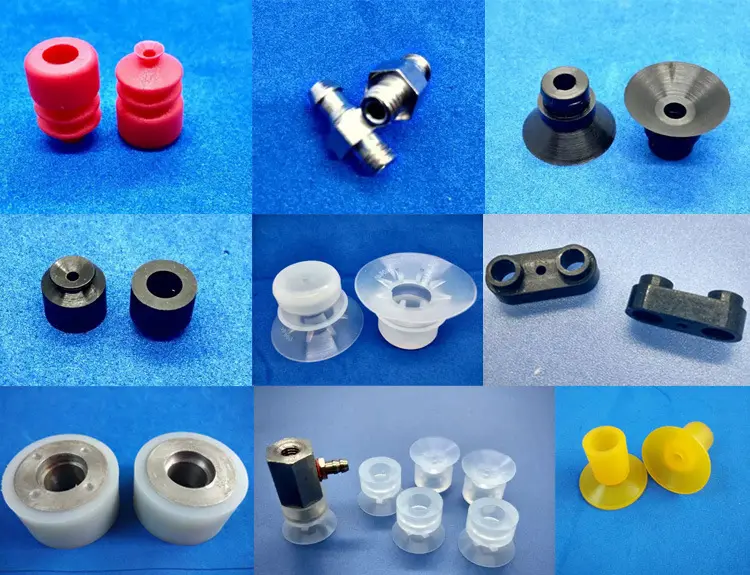 密封材料
密封材料
 新兴材料
新兴材料
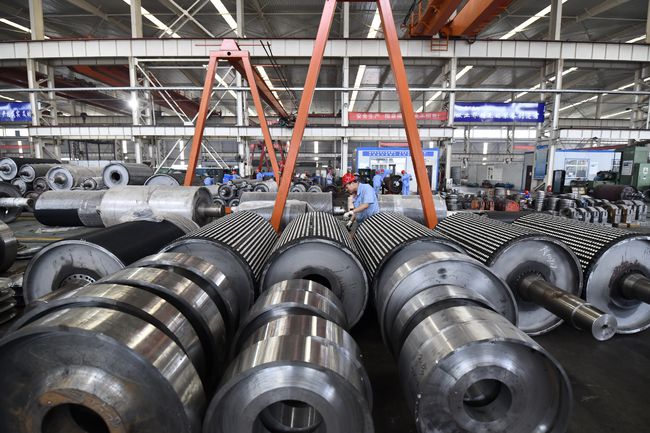 加工设备
加工设备
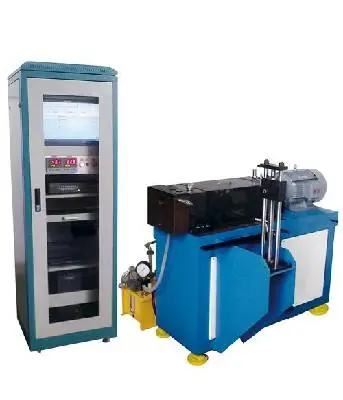 摩擦试验机
摩擦试验机
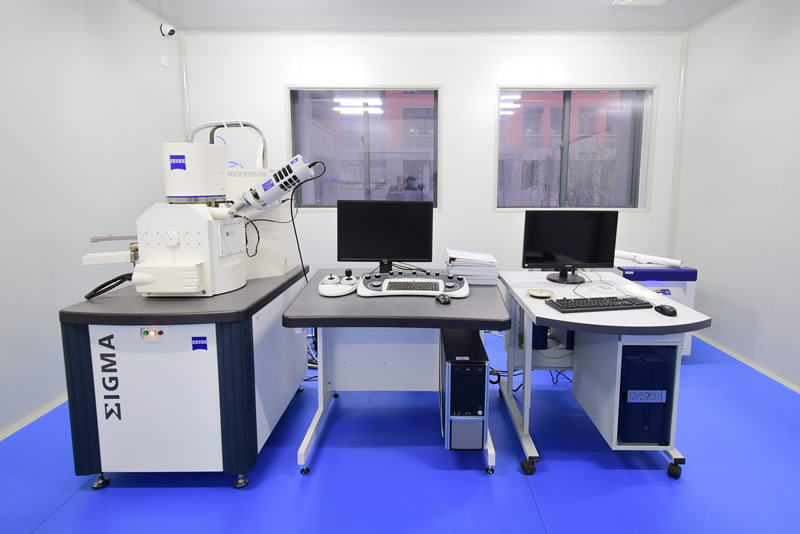 大型表征仪器
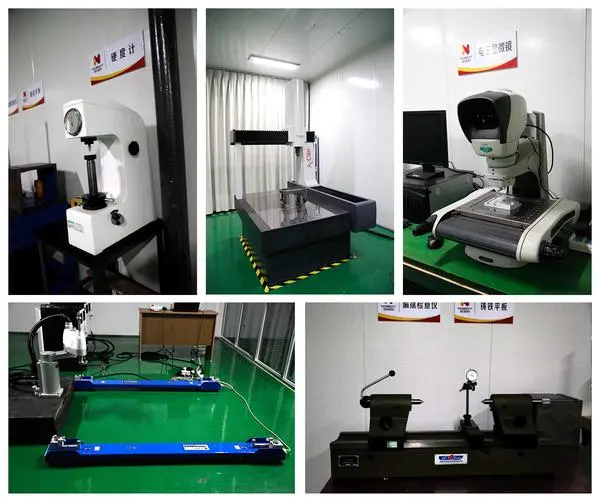 小型测试设备