Borehole instability driven by reactive shale hydration and excessive filtrate invasion remains a critical challenge in drilling operations. To address this, we synthesized a novel nitrogen and sulfur co-doped reduced graphene oxide/cuprous oxide (N,S-rGO/Cu2O) nanocomposite to reinforce the rheological and filtration properties of environmentally friendly water-based muds. The nanocomposite, prepared via a facile one-pot hydrothermal method, was characterized structurally and compositionally, then evaluated in both polymeric and high-solid base fluids. Performance was assessed through standard and high-pressure/high-temperature (HPHT) filtration, rheological modeling, and hot-rolling shale recovery tests. Results demonstrated that an optimal nanocomposite concentration of 1000 ppm maximized fluid efficiency, with rheological behavior conforming closely to the Herschel-Bulkley model. Crucially, the additive significantly mitigated fluid loss, achieving a 58.8% and 61.3%reduction in API filtrate volume for polymeric and high-solid fluids, respectively, alongside HPHT fluid loss reductions of 57.6% and 64.1%. Furthermore, hot-rolling experiments confirmed enhanced shale stability, yielding a 20% increase in shale recovery. These targeted improvements are attributed to the formation of a dense, hydrophobic nanoplug that physically seals pore throats and chemically inhibits clay swelling, though concentrations exceeding 1000 ppm caused particle agglomeration and diminished returns. Ultimately, the N,S-rGO/Cu2O nanocomposite operates through a synergistic mechanism of robust physical plugging and rheological networking, providing a highly effective solution for stabilizing reactive shales in complex subterranean environments.
周老师: 13321314106
王老师: 17793132604


邮箱号码: lub@licp.cas.cn




 润滑剂
润滑剂
 润滑油添加剂
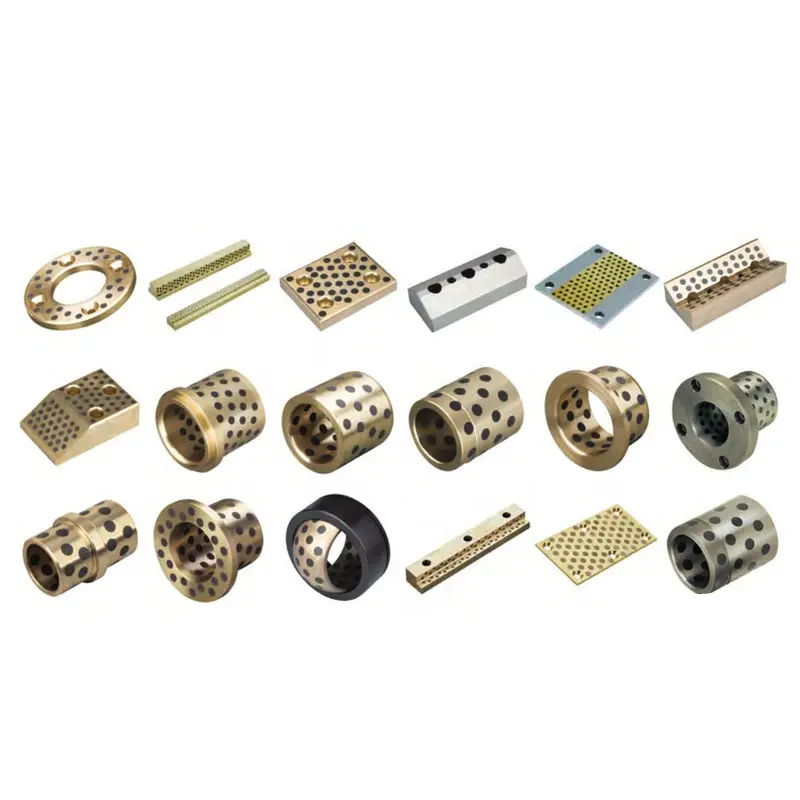 自润滑材料
自润滑材料
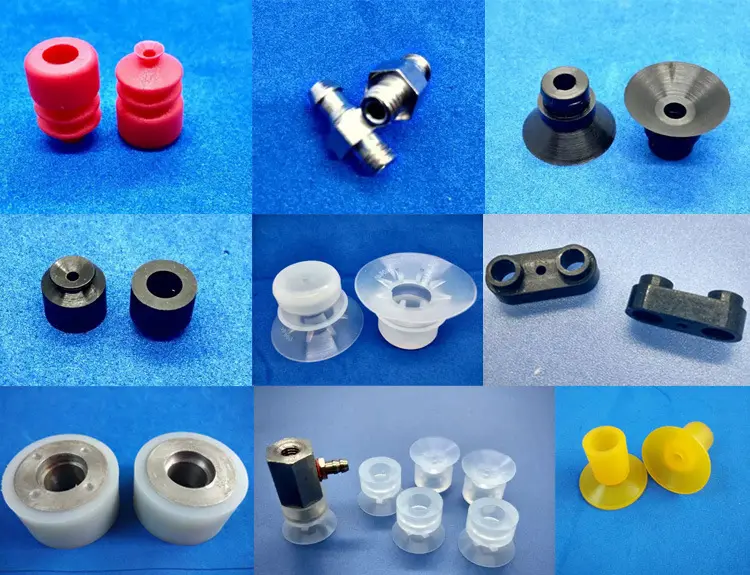 密封材料
密封材料
 新兴材料
新兴材料
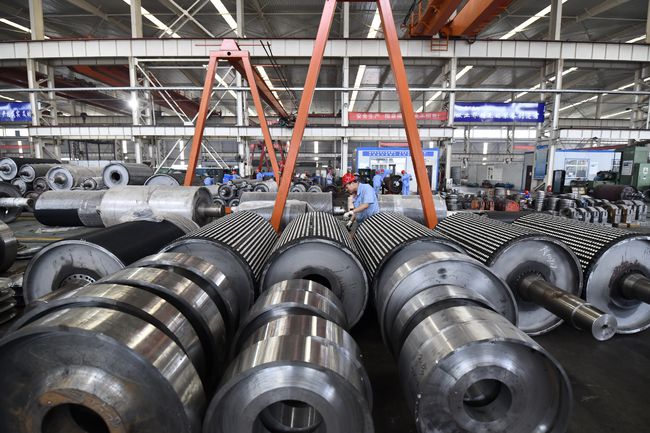 加工设备
加工设备
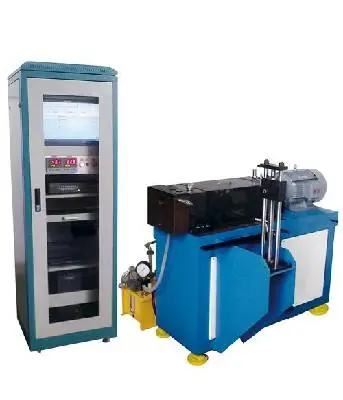 摩擦试验机
摩擦试验机
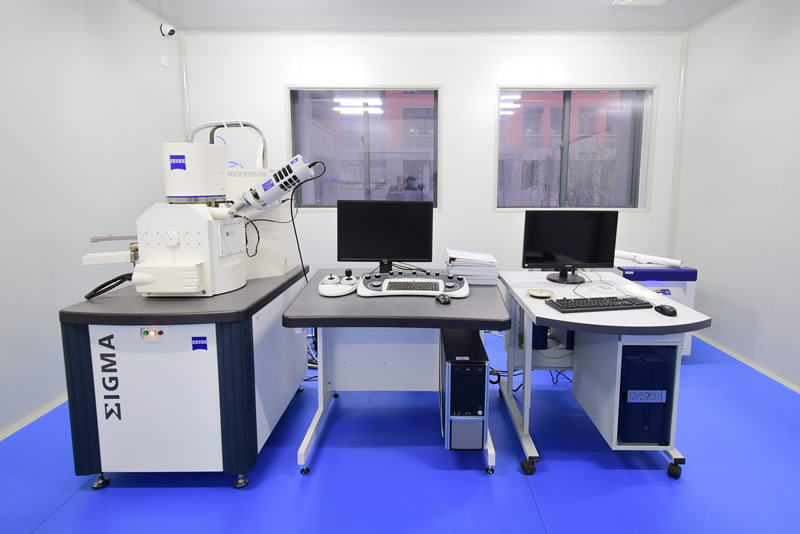 大型表征仪器
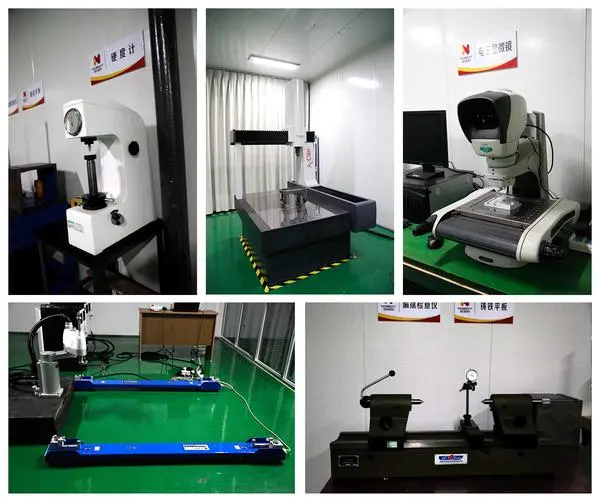 小型测试设备