
NATIONAL INDUSTRY ALLIANCE FOR MARINE DRUGS AND BIOPRODUCTS
Cancer remains one of the leading causes of death worldwide and continues to pose a major public health challenge [1]. In 2026, approximately 2.11 million new cancer cases and 626,140 cancer-related deaths are projected to occur in the United States alone [1]. Furthermore, the World Health Organization predicts that global cancer incidence will increase by more than 70% over the next two decades due to population growth, aging, and lifestyle-related risk factors [2]. Cancer is a multifactorial disease driven by both genetic alterations and environmental factors that disrupt normal cellular regulation [3]. The effectiveness of chemotherapy and radiotherapy is limited by severe side effects, poor selectivity toward cancer cells, and the emergence of multidrug resistance [4], [5]. Considerable efforts have been directed toward developing therapies that target key cancer-related mechanisms [6]. Precision oncology has advanced cancer treatment through the identification of molecular targets such as kinases, growth factor receptors, checkpoint proteins, and signaling pathways that drive tumor development and progression [7].
Cancer treatment has increasingly shifted toward molecular targets that control cell survival, proliferation, and apoptosis. Several key proteins have been studied as targets for anticancer drug development, viz B-cell lymphoma 2 (BCL2), nuclear factor kappa-light-chain-enhancer of activated B cells (NFkB), mechanistic target of rapamycin (mTOR), and Cyclin-Dependent Kinase 4 (CDK4). BCL2 is one of the most important anti-apoptotic proteins in cancer. Its overexpression assists cancer cells in avoiding programmed cell death and contributes to treatment resistance [8]. Therefore, inhibition of BCL2 is an effective strategy to restore apoptosis in tumor cells [9]. NFkB is another major therapeutic target [10], since persistent activation of NFkB promotes tumor growth and supports cancer progression [11]. Likewise, abnormal activation of mTOR is frequently observed in cancer and is associated with tumor development, metastasis, and drug resistance [12], [13]. Meanwhile, increased CDK4 activity promotes uncontrolled cell division [14], [15]. In contrast, caspases such as caspase 3 (CASP3), CASP8, and CASP9 function as key mediators of apoptosis [16]. Activation of these caspases promotes cancer cell death, whereas reduced caspase activity allows tumor cells to survive and evade apoptosis [17]. Therefore, inhibiting oncogenic targets such as BCL2, NFkB, mTOR, and CDK4 while avoiding unintended inhibition of apoptosis-related caspases may provide a useful target profile for compound prioritization.
On the other hand, seaweeds are well-known marine organisms that produce a wide range of bioactive compounds, many of which have shown promising anticancer properties [18], [19]. Numerous studies have explored seaweed species from different phyla to identify novel metabolites with potential applications in cancer treatment [20], [21], [22]. However, the discovery of new anticancer compounds remains a time-consuming process that requires extensive extraction, isolation, and biological evaluation [23], [24], [25]. These conventional approaches often involve substantial laboratory resources and chemical consumption [26], [27], [28]. Alternative strategies have been developed to accelerate compound screening and improve the efficiency of drug discovery.
One such approach is the application of machine learning (ML). By learning patterns from known anticancer compounds, ML models can predict the biological activity of new compounds before experimental testing [29]. Although laboratory validation is still necessary, this approach assists in prioritizing the promising candidates and reduces the number of compounds requiring further investigation [30]. In addition, ML enables the assessment of compound activity against multiple cancer-related targets, providing insights into target selectivity and potential mechanisms of action [31], [32]. Therefore, this study aimed to computationally prioritize marine macroalgal metabolites with favorable predicted profiles across oncogenic targets and apoptosis-related caspases, and to identify the seaweed species reported to contain these prioritized metabolites. The findings are expected to support the prioritization of seaweed species and metabolites for future experimental studies.
This study utilized two approaches to collect the data. The first approach involved extracting compound information from journal articles identified through the Scopus and Web of Science databases and published within the last 5 years. The search keywords and literature-screening procedure are provided in the Supplementary Material. The second approach was to manually curate the compound list from the data repository that had been identified from seaweed https://np-mrd.org/natural_products/ [33]. The keyword used in the search was obtained by inputting the seaweed genus into the web repository, and the compound's name was retrieved. The seaweed genus used in the search was derived from the algae database (algaebase.org) [34].
During the compound listing, this study excluded the primary metabolites and macromolecules such as polysaccharides, proteins, and lipids. This study focused on small molecules and other secondary metabolites (Table S1). From the journal references [26], [35], [36], [37], [38], [39], [40], [41], [42], [43], [44], [45], [46], [47], [48], [49], [50], [51], [52], [53], [54], [55], [56], [57], [58], [59], [60], [61], [62], [63], [64], [65], [66], [67], [68], [69], [70], [71], [72], [73], [74], [75], [76], [77], [78], [79], [80], [81], [82], [83], [84], [85], [86], [87], [88], [89], [90], [91], [92], [93], [94], [95], [96], [97], [98], [99], [100], [101], [102], [103], [104], [105], [106], [107], [108], [109], [110], [111], [112], [113], [114], [115], [116], [117], [118], [119], [120], [121], [122], [123], [124], this study grouped the collected compounds into four categories, i.e. 1) compounds that were isolated and characterized as a single pure compound with anticancer properties (Table S2, 64 compounds); 2) compounds that were isolated and characterized as a single pure compound without any anticancer assay (Table S3, 208 compounds); 3) compounds identified in the seaweed extract with anticancer properties (Table S4, 151 compounds); and 4) compounds identified in the seaweed extract without any anticancer assay (Table S5, 307 compounds). Thus, this study retrieved 730 compounds from journal references. These compounds were collected from different seaweed species across phyla.
Meanwhile, web-repository exploration was carried out to enrich the compound dataset from seaweed. From the https://np-mrd.org/natural_products/, this study retrieved 2446 compounds from 132 red seaweed species, 1686 compounds from 100 brown seaweed species, and 381 compounds from 32 green seaweed species (Table S6). Then, the compound-species duplications retrieved from the journal references and the web repository were removed to avoid redundancy in further analysis. Following duplicate checking, structure standardization, and compound–species mapping, 5203 valid occurrence records were retained for the final screening dataset. These comprised 2785 records from Rhodophyta, 1965 from Ochrophyta, and 453 from Chlorophyta (Fig. 1). At the structure level, these records represented 4083 unique standardized structures. The collected compounds were classified based on the Natural Products Classifier according to https://npclassifier.ucsd.edu/ web server into their respective pathway, superclass, and class [125]. Then, the natural products (np) class richness was calculated as Eq. (1), following the species richness measurement by Domingo-Fernández et al. [126].(1) where, is the natural products (np) class richness of species , is the total number of np classes, is the number of compounds belonging to class in species , and is an indicator function that equals 1 when ad 0 otherwise. Missing or unclassified np-class assignments were excluded.
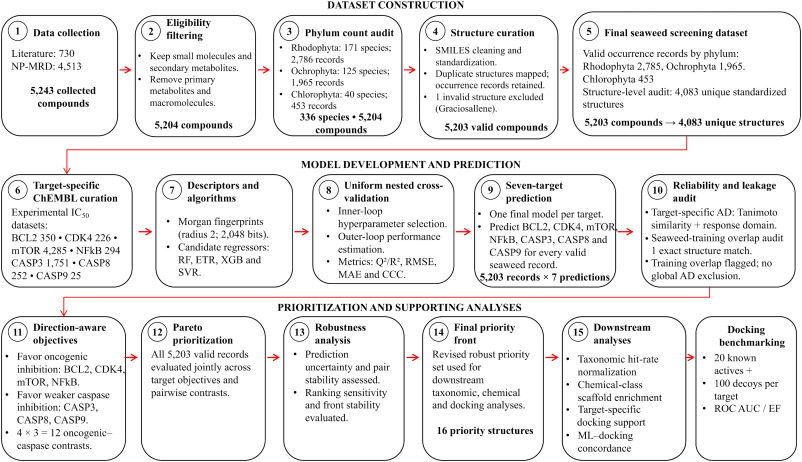
Fig. 1. The general schematic protocol from data curation to model development in this study.
Seven proteins were selected as molecular targets, as listed in Table 1. These proteins were selected because of their different roles in cancer-related survival and apoptosis. BCL2, NFkB, mTOR, and CDK4 were treated as oncogenic targets, whereas CASP3, CASP8, and CASP9 were selected as apoptosis-related caspases. Then, the Chemical Database of the European Molecular Biology Laboratory (ChEMBL) database was explored to collect the experimental activity (in terms of IC50) of known compounds against those seven selected protein targets [127].
Table 1. The selected protein target for the collected compounds.
| Type | Protein | Role | Ref |
|---|---|---|---|
| Caspase family | Caspase 3 (CASP3) | Tumor suppressor in apoptosis | [128] |
| Facilitate tumor progression | [129] | ||
| Caspase 8 (CASP8) | Tumor suppressor in apoptosis | [130] | |
| Promoting cancer survival, motility, and treatment resistance in some cancer type | [131] | ||
| Caspase 9 (CASP9) | Initiator in the intrinsic (mitochondrial) pathway of apoptosis | [132] | |
| Oncogenic | B-cell lymphoma 2 (BCL2) | Regulate apoptosis, prolonging cell survival, and contributing to chemoresistance | [133] |
| Nuclear factor kappa B (NFkB) | Anti-apoptotic, stimulates cancer growth and survival | [134] | |
| Mammalian target of rapamycin (mTOR) | Regulates cell growth, division, and metabolism | [135] | |
| Cyclin-dependent kinase 4 (CDK4) | Controls cell division | [15] |
A structural overlap analysis was performed between the seaweed screening library and the final model-development dataset of each target. This analysis was conducted independently for BCL2, CASP3, CASP8, CASP9, CDK4, mTOR, and NFkB. The seaweed library and training compounds were processed using the same molecular standardization procedure. Duplicate seaweed records were collapsed by standardized structure for this analysis, resulting in 4083 unique seaweed structures. The final target-specific training datasets contained 350 compounds for BCL2, 1751 for CASP3, 252 for CASP8, 25 for CASP9, 226 for CDK4, 4285 for mTOR, and 294 for NFkB.
Exact overlap was identified by matching the standardized structure keys between the seaweed library and the corresponding training dataset. Structural similarity was then evaluated using a 2048-bit Extended-Connectivity Fingerprint, up to a maximum diameter of 4 bonds (ECFP4) generated with the Morgan algorithm at radius 2, followed by pairwise Tanimoto similarity calculation as Eq. (2) [136]. For each seaweed structure, the maximum similarity to any compound in the corresponding training set was recorded. Exact matches were separated before analysis of non-identical analogues. For descriptive analysis, non-exact structures with a Tanimoto similarity ≥0.80 were classified as highly similar analogues [137].(2) where, is the Tanimoto similarity between compounds and , is the number of fingerprint bits present in compound , is the number of fingerprint bits present in compound , and is the number of fingerprint bits shared by both compounds.
Scaffold-level overlap was examined using Bemis–Murcko molecular approach as Eq. (3) [138]. A seaweed structure was recorded as having scaffold overlap when its molecular framework was also present in the corresponding target-specific training dataset. Exact structure matches, maximum non-exact Tanimoto similarity, and shared-scaffold occurrence were summarized separately for each target. The compound-level results were retained to allow individual screening compounds with direct training-set overlap to be identified and flagged.(3)
where, is the percentage of novel seaweed structures sharing a training-set scaffold, is the number of novel seaweed structures with a scaffold also present in the corresponding target training set, and is the number of seaweed structures after exact training-set overlaps were excluded.
The curated target-specific datasets contained 350 compounds for BCL2, 1751 for CASP3, 252 for CASP8, 25 for CASP9, 226 for CDK4, 4285 for mTOR, and 294 for NFkB. Median pIC50 values after structure-level curation were used as the regression response. Standardized molecular structures were converted to Morgan circular fingerprints with radius 2 and 2048 bits [136]. Morgan/extended-connectivity fingerprints provide a compact representation of local molecular environments and are widely used for structure–activity modelling [139], [140]. All IC50 values were standardized to nM and transformed to pIC50 before model training using pIC50 = 9 − log10(IC50 [nM]), equivalent to −log10(IC50 [M]). The logarithmic transformation was used to reduce the wide numerical range of IC50 values and provide a more suitable continuous response variable for regression modelling [140]. Four regression algorithms were evaluated for every target, viz. Random Forest (RF), Extra Trees Regressor (ETR), Extreme Gradient Boosting (XGB), and Support Vector Regression (SVR). RF and ETR are tree-ensemble approaches [141], [142], XGB is a gradient-boosted tree method [143], and SVR performs nonlinear regression through kernel-based function estimation [144], [145]. The formula for each model was presented in Table 2.
Table 2. The formula for each model.
| Model | formula | Symbol meaning | ref | |
|---|---|---|---|---|
| SVR | Prediction function: (4) Optimation function: |
: | Input feature vector of compound | [144] |
| : | Transformation of into the kernel feature space | |||
| Weight vector defining the regression function in feature space | ||||
| : | Transpose of the weight vector | |||
| : | Bias/intercept | |||
| : | Euclidean norm of the weight factor | |||
| : | Regularization parameter | |||
| : | Positive error variable for one side of the -tube | |||
| : | Error variable for the opposite side of the -tube | |||
| RF | (6) | : | Final predicted pIC50 | [146], [147] |
| ETR | : | Number of trees in the forest | ||
| : | Prediction from tree i | |||
| XGB | Ensemble prediction: (7) Sequential update: Regularize objectives: Tree regularization: |
: | Total number of trees | [148] |
| : | Prediction from tree k | |||
| The tth regression tree | ||||
| : | The molecular feature vector of compound i | |||
| : | Penalty for adding a terminal leaf to the tree | |||
| : | learning rate | |||
| : | Optimization objective | |||
| : | Prediction loss | |||
| : | Regularization penalty | |||
| : | Experimental pIC50 | |||
| : | Predicted pIC50 | |||
| : | Number of terminal leaves in the tree | |||
| : | L2 regularization coefficient applied to the leaf weights | |||
| : | Prediction score | |||
The following hyperparameter space was used. SVR used a radial basis function kernel with values of 1, 10, and 100, epsilon values of 0.05 and 0.10, and gamma = scale as Eqs. (4) and (5). RF and ETR consisted of 500 trees, with max_features evaluated at sqrt and 0.5 and min_samples_leaf at 1 and 2 as Eq. (6) [147], [149], [150]. XGB used 500 estimators, subsample = 0.8, colsample_bytree = 0.8, and evaluated maximum depths of 4 and 6 and learning rates of 0.03 and 0.05 as Eqs. (7)–(10). All ML models were executed using high-performance computing (HPC) Mahameru at the National Research and Innovation Agency of Indonesia (BRIN). The ML script was provided in the supplementary material.
The same nested cross-validation procedure was applied to each of the seven targets by adopting the protocol of previous studies [151], [152]. The outer loop consisted of fivefold cross-validation repeated three times, producing 15 held-out outer evaluations for each target. Within each outer training partition, fourfold cross-validation with shuffling was used as the inner loop. RF, ETR, XGB, and SVR were optimized separately using only the compounds in the outer training partition. For each algorithm, the hyperparameter combination with the highest mean inner-cross-validation predictive squared correlation (Q2) was selected [141], [143], [147], [148], [150]. When two configurations showed similar Q2 values, the lower inner-cross-validation root mean squared error (RMSE) was used as the secondary selection criterion. The tested hyperparameter ranges and selected settings for each algorithm are provided in Table S7 and S8 (Supplementary).
For each outer iteration, the best-performing algorithm and hyperparameter combination identified in the inner loop were refitted using the complete outer training partition. The resulting model was then evaluated only on the corresponding held-out outer test fold. Thus, compounds in the outer test fold were not used for algorithm selection or hyperparameter optimization. The predictive performance for each held-out outer fold was tested using predictive squared correlation (Q2) as Eq. (11) [153], root mean squared error (RMSE) as Eq. (12) [154], mean absolute error (MAE) as Eq. (13) [155], and Lin's concordance correlation coefficient (CCC) as Eq. (14) [156]. The mean (Eq. 15) and standard deviation (Eq. 16) for each of the 15 outside evaluations were used to summarize performance. Repeated outer forecasts for each compound were averaged to generate aggregated out-of-fold predictions and pooled out-of-fold Q2, RMSE, MAE, and CCC values. Following the completion of nested performance estimation, model selection was performed on the whole curated dataset for each target using fivefold internal cross-validation.(11) (12) (13) (14) (15) (16) where, is observed pIC50 of compound i, is predicted pIC50 of compound i, is mean pIC50 of observed pIC50 values, is number of compounds in the evaluated set, is mean of the observed values, is mean of the predicted values, is variance of the observed values, is variance of the predicted values, is covariance between observed and predicted values, is the mean across the 15 outer evaluations, is the metric obtained in outer evaluation k, is standard deviation, and K = 15.
An applicability-domain (AD) assessment was performed for each target-specific machine-learning model after model development and validation and before the interpretation and multi-target prioritization of the seaweed metabolites following previous studies [157], [158]. Molecular frameworks were standardized with RDKit and represented as ECFP4 fingerprints generated using the Morgan algorithm with radius 2 and 2048 bits without chirality. Structural similarity was calculated using the Tanimoto coefficient as Eq. (2).
For each target, the structural AD threshold was determined independently from the empirical distribution of these leave-one-out (LOO) nearest-neighbour similarities as Eq. (17) [159].(17) where, is the highest similarity of the training compound to another compound in the same target-specific training set, is the training set for target , and are the ECFP4 fingerprints of compounds and , respectively, and is their Tanimoto similarity.
The fifth percentile (Q05) of this distribution was used as the primary criterion as Eq. (18).(18) where, is the structural AD threshold for target , denotes the fifth percentile, and is the number of compounds in the target-specific training set. This approach allowed the AD boundary to follow the structural diversity of each training dataset instead of applying a single Tanimoto cutoff to all seven models. For each seaweed compound , its maximum similarity to the training set of target was calculated as Eq. (19) [159], [160].(19) where is the maximum similarity of seaweed compound to the target-specific training set, is its ECFP4 fingerprint, and represents the fingerprint of training compound .
The compounds were then assigned to the structural AD based on the highest resemblance to the associated target-specific training set as Eq. (20).(20) where, means compound is inside the structural AD for target , means compound is outside the structural AD, is maximum similarity of compound to the target-specific training set, is target-specific AD threshold.
By repeating the classification using the first, fifth, and tenth percentiles (Q01, Q05, and Q10) of the training leave-one-out similarity distribution, the robustness of this definition was investigated. The similarity categories of 0.60 ≤ Tanimoto < 0.80 and Tanimoto ≥ 0.80 were not employed as universal AD criteria; rather, they were primarily utilized for descriptive chemical-space summaries.
A response-domain criterion was also evaluated for each target. A prediction was considered within the response domain when its predicted pIC50 value remained within the experimental pIC50 range represented by the corresponding training dataset as Eq. (21) [161].(21) where is the predicted pIC50 of compound for target , and and are the minimum and maximum experimental pIC50 values in the target-specific training set, respectively. A novel compound was considered within the combined AD when it satisfied both the structural and response-domain criteria. Exact standardized-structure matches between the seaweed library and the training data were identified separately and were flagged as training-set overlaps rather than novel external predictions.
Following the research of Fromer et al. and Angelo et al. [162], [163], a multi-objective Pareto approach was used because the seven target-specific models differed in training-set size, chemical space, predictive performance, error, and response distribution. All experimental IC50 values had been standardized to molar concentration and transformed to pIC50 before model development. Experimental IC50 values were converted to pIC50 using ; equivalently, . All seven models therefore generated predictions on the same logarithmic molar pIC50 scale. Pairwise pIC50 differences were retained as the primary screening contrasts because they preserve both the direction and magnitude of the predicted potency difference. However, the target-specific models were trained independently using datasets with different sizes, chemical spaces, prediction errors, and response distributions. Thus, ΔpIC50 was interpreted as a model-based screening contrast rather than an experimentally calibrated cross-target selectivity value. Target-specific prediction error was considered through uncertainty propagation. Sensitivity to differences in prediction distribution was examined separately using percentile normalization.
BCL2, CDK4, mTOR, and NFkB were the four oncogenic targets that were considered as inhibition targets, with larger anticipated pIC50 being advantageous. CASP3, CASP8, and CASP9 were addressed differently since significant suppression of these apoptosis-related proteins was undesirable in the proposed priority scheme. In this study, “caspase sparing” refers only to lower predicted inhibitory potency toward CASP3, CASP8, and CASP9. It does not indicate predicted or experimentally demonstrated caspase activation or apoptosis induction.
Target-level prediction error was propagated using the mean outer-fold RMSE obtained from nested cross-validation for each target. The RMSE represents the overall prediction error of a target-specific model and was not treated as a compound-specific uncertainty estimate. For the Monte Carlo sensitivity analysis, this target-level RMSE was used as the standard deviation of a Gaussian perturbation around each external seaweed prediction [164]. Thus, compounds evaluated by the same target model shared the same error scale, whereas targets with larger cross-validated RMSE values generated broader perturbations. The Gaussian distribution was used as an error-model assumption for sensitivity analysis and was not intended to represent an experimentally calibrated predictive distribution. The target-specific RMSE was not used as an explicit target weight. Instead, models with larger cross-validated prediction error generated broader perturbations during Monte Carlo sampling. Consequently, predictions from a less certain model had a lower probability of producing a stable pairwise contrast. Therefore, it provided less robust support during prioritization [165], [166]. The Monte Carlo perturbation was calculated as Eq. (22) and Eq. (23).(22) (23) where, is the perturbed prediction for compound , protein target , at Monte Carlo iteration ; is ML-predicted pIC50 for compound against target ; is random perturbation added to the original prediction; is a Gaussian distribution.
For every iteration, the Pareto Front 1 of the four oncogenic-target predictions was recalculated. Pareto Front-1 stability was formulated as Eq. (24).(24)
where, is frequency of compound i belongs to Pareto Front 1, K is total number of Monte Caro iterations, is compound i belongs to Pareto Front 1 in iteration k.
Twelve pairwise contrasts were defined from the four oncogenic targets and three caspase targets. Differences in predicted pIC50 values were used as model-based contrasts between an oncogenic target and a caspase target for the same compound. Because these predictions were generated by independently trained models, ΔpIC50 was not interpreted as an experimentally calibrated measure of target selectivity. It has been used to evaluate target selectivity in multi-target bioactivity modelling [167]. The predicted contrast was calculated as Eq. (25).(25) where c stands for a caspase target and o for an oncogenic target. During each Monte Carlo iteration, pair stability under the assumed RMSE-based Gaussian error model was estimated as Eq. (26). Probabilistic comparison of uncertain objective values provides a way to estimate whether an apparent advantage remains after prediction uncertainty is considered [168].(26) where, is stability probability for compound i for oncogenic target o versus caspase target c, is the total number of Monte Carlo iterations, is the perturbed predicted pIC50 of compound i for oncogenic target o at iteration k, and is the perturbed predicted pIC50 of compound i for caspase c at iteration k. A target pair was classified as robust when . Here, represents the fraction of Monte Carlo perturbations in which the predicted oncogenic–caspase contrast remained positive. It is a model-based stability measure conditional on the assumed Gaussian perturbation and target-level RMSE, rather than an experimentally calibrated probability of biological selectivity. For each compound, the number of robust positive target pairs was calculated as Eq. (27).(27)
The minimum pairwise stability was also calculated as . The final robust priority ranking was obtained by Pareto non-dominated sorting while maximizing . Compounds assigned to Robust Priority Front 1 were retained as the final computational priority set.
These two criteria have different roles in relation to an uncertain target. A target with highly uncertain predictions may contribute few or no pairs to , while low pair-stability values can still reduce . A highly uncertain target acts mainly as a conservative constraint rather than providing strong positive evidence for prioritization.
Since the seven target models were trained independently and their predicted pIC50 distributions had different locations and dispersions, a separate sensitivity analysis was performed [169]. Predictions were independently converted to empirical percentile scores for each target as Eq. (28).(28) where is the rank of compound i among all compounds for target t and N = 5203.
This transformation projects each target prediction into a common interval that preserves the within-target order of compounds. Twelve oncogenic-caspase contrasts were then calculated based on percentiles as Eq. (29).(29) and repeat the multi-objective prioritization as an additional sensitivity analysis. The agreement of the primary and percentile-normalized rankings was quantified using Spearman rank correlation. The membership of the Robust Front-1 was also compared in terms of the number of compounds in common and the Jaccard similarity coefficient as Eq. (30) [170].(30) where A and B represent the priority sets obtained from the primary and sensitivity analyses, respectively. Overlap among several top-ranked fractions was also examined.
This analysis was used as a sensitivity analysis rather than as a replacement for the primary pIC50 analysis. Percentile normalization reduces the influence of differences in target-specific prediction distributions. However, it does not retain the magnitude of predicted potency differences.
Chemical-class enrichment was investigated to see if certain chemical classes were more common among prioritized compounds than in the entire dataset. The analysis was performed separately for chemical class and chemical superclass. Three groups of prioritized compounds were evaluated, i.e., the top 5%, the top 10%, and the final Robust Priority Front 1 [171]. The complete set of 5203 compounds was used as the background. The enrichment factor ( ) was calculated as Eq. (31).(31)
The numerator represents the frequency of the tested chemical class in the prioritized group. The denominator represents its frequency in the complete dataset. Where, is number of compounds from the tested chemical class in the prioritized subset, is number of compounds from all other chemical classes in the prioritized subset, is the number of compounds from the tested chemical class outside the prioritized subset, and is the number of compounds from all other chemical classes outside the prioritized. An ( > 1) indicates enrichment. An ( = 1) indicates the same frequency as the background. An ( < 1) indicates depletion.
The odds ratio ( ) was calculated as Eq. (32). An > 1 indicates that the tested chemical class occurred more frequently among prioritized compounds relative to the background, whereas < 1 indicates under-representation [172].(32)
Statistical significance was tested using a one-sided Fisher's exact test as Eq. (33). For the enrichment test, the probabilities of the observed table and all tables showing stronger enrichment were summed to obtain the one-sided ( ) value. Fisher's exact test was selected because some chemical classes contained small numbers of compounds [173].(33)
Because several chemical classes were tested, multiple comparisons were controlled using the Benjamini-Hochberg false discovery rate method, Eq. (34). The ( ) values were ordered from the smallest to the largest [172], [173], [174].(34) where ( ) is the rank of the ( ) value, ( ) is the total number of tests, and = 0.05.
To support reproducibility, fixed random seeds were used for stochastic procedures, including data splitting, cross-validation, model fitting, hyperparameter optimization, and random sampling, where applicable. The data sets used for model development, train/test split information, selected model parameters and hyperparameters, and scripts used to generate the main results are provided in the Supplementary material.
The docking analysis was performed after completion of the multi-objective prioritization. The final Robust Priority Front 1 contained 16 occurrence records corresponding to 12 unique standardized structures. Because molecular docking was performed at the structure level, repeated occurrence records sharing the same standardized structure were represented once in the docking set. The 12 unique structures were each docked against CASP3 (PDB ID: 2XYG) [175], CASP8 (PDB ID: 1QTN) [176], CASP9 (PDB ID: 1JXQ) [177], BCL2 (PDB ID: 6O0K) [178], CDK4 (PDB ID: 7SJ3) [179], mTOR (PDB ID: 4JT6) [180], [181], and NFkB (PDB ID: 1IKN) [182]. Thus, the final candidate docking analysis contained 84 structure–target combinations (12 structures × 7 targets). All docking and validation were executed using high-performance computing (HPC) Mahameru at the National Research and Innovation Agency of Indonesia (BRIN). The protein crystallization model was obtained from the Research Collaboratory for Structural Bioinformatics (RCSB) database (https://www.rcsb.org/) [183]. AutoDock Vina was used for molecular docking, and more negative Vina scores (kcal/mol) were interpreted as more favorable docking scores within the same protein target [184]. Docking scores were interpreted separately for each protein target. Because Vina scores from different receptor systems are not assumed to be directly comparable on an absolute scale, cross-target mean scores were not used for compound ranking or as estimates of overall binding affinity.
Three-dimensional ligand structures were generated from standardized Simplified Molecular Input Line Entry System (SMILES). Hydrogen atoms were added and initial conformations were generated using the Experimental Torsion Knowledge Distance Geometry (ETKDG) approach implemented in RDKit [185]. Geometry optimization was performed using Merck Molecular Force Field (MMFF) when the required parameters were available and Universal Force Field (UFF) otherwise. The structures were subsequently converted to the Protein Data Bank + Partial Charge + Atom Type (PDBQT) format for AutoDock Vina calculations. The same receptor preparation, docking box, and Vina parameters were used for prioritized metabolites and reference compounds to allow direct target-wise comparison (Table S10, supplementary).
Native-ligand redocking was retained as a test of pose reproduction (RMSD < 2) [186]. However, redocking Root-Mean-Square Deviation (RMSD) was not considered evidence of virtual-screening enrichment. Therefore, a separate active–decoy benchmark was performed for each target [187]. Twenty known active compounds and 100 decoys were used for each protein. Database of Useful Decoys - Enhanced (DUD-E) reference decoys were used where suitable target-specific sets were available [188], while LIDeB's Useful Decoys (LUDe)-generated decoys were used for CDK4 and NFkB [189]. These approaches provide property-matched decoys for retrospective evaluation of virtual-screening methods. All reference molecules were processed and docked using the same workflow as the seaweed compounds.
Docking discrimination was evaluated using the Receiver Operating Characteristic–Area Under the Curve (ROC-AUC) and enrichment factors (EF) at the top 1%, 5%, and 10% of each target-specific ranked list. ROC-AUC describes the ability of a ranking method to separate known actives from decoys over the complete ranked set, while the enrichment factor measures the concentration of actives near the top of the ranked list [190]. The true-positive and false-positive rates were defined as Eqs. (35)–(37).(35) (36) (37) where TP and FN are active compounds classified above and below a given ranking threshold, respectively, and FP and TN are the corresponding decoys.
For the top fraction (x) of the ranked library, the enrichment factor ( ) was calculated as Eq. (38).(38)
where ax is the number of known actives found within the top x fraction, nx is the number of compounds in that fraction, A is the total number of actives, and N is the total number of benchmark compounds. The retrospective active–decoy analysis was used to characterize docking performance separately for each target. Because discrimination differed among targets, docking scores were interpreted according to the corresponding target-specific benchmarking performance. Docking was used as complementary structural support and not as validation of the ML-predicted activities.
The distribution of natural products was uneven across the investigated seaweed species and phyla (Fig. 2a). Based on the compounds collected from literature and databases, red seaweeds (Rhodophyta) contributed the largest number of compounds in the curated dataset. In comparison, brown seaweeds (Ochrophyta) and green seaweeds (Chlorophyta) contributed fewer compounds. The large number of compounds reported from red seaweeds reflects both their rich secondary metabolism and the extensive investigation of this group in marine natural-product research.
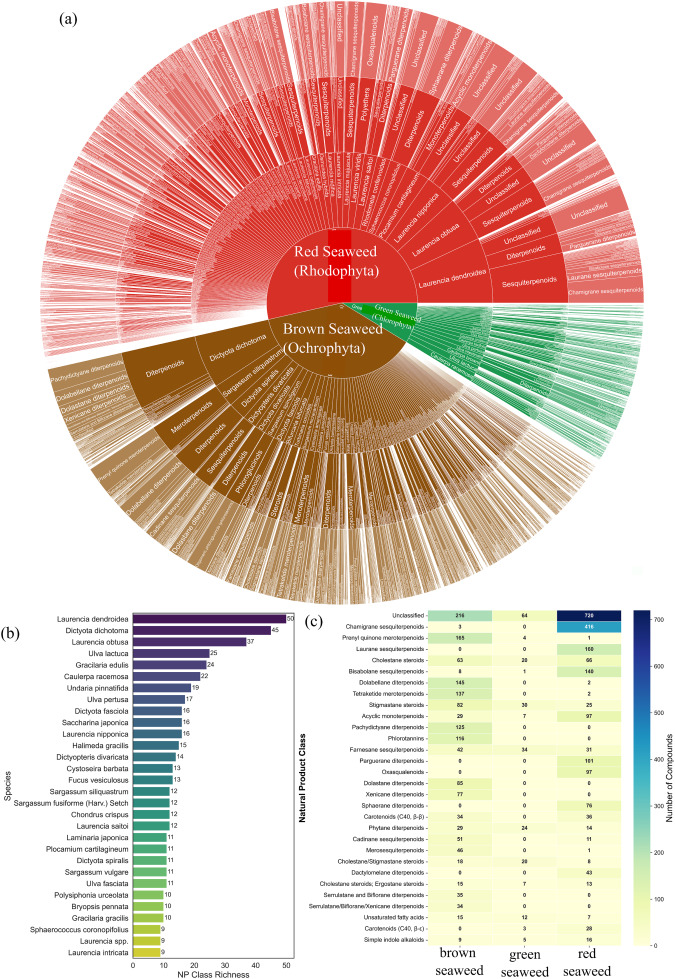
Fig. 2. The compound diversity across seaweed species and phylum: (a) The diversity of compound superclass and class based on the seaweed species retrieved in this study, (b) the top 30 species with the richest compounds' class, and (c) the top 30 compound class distribution across three seaweed phyla.
The NP class richness analysis showed considerable variation among species (Fig. 2b). Class richness was used as an indicator of chemical diversity by counting the number of distinct natural product classes reported for each species. Laurencia dendroidea exhibited the highest richness score, followed by Dictyota dichotoma and Laurencia obtusa. Species belonging to the genus Laurencia dominated the top-ranked species, with several representatives appearing among the 30 most chemically diverse seaweeds. Other red seaweed genera, including Gracilaria and Plocamium, were also frequently represented. Among brown seaweeds, Dictyota, Undaria, Saccharina, Fucus, and Sargassum appeared within the top 30 species. This trend indicated substantial chemical diversity in selected members of Ochrophyta. Green seaweeds were less represented, although species from the genera Ulva and Halimeda were also present among the most compound-rich taxa.
The distribution of natural product classes revealed clear chemotaxonomic differences between seaweed phyla (Fig. 2c). Red seaweeds were strongly enriched in sesquiterpene-derived metabolites, particularly chamigrane sesquiterpenes, laurene sesquiterpenes, and bisabolene sesquiterpenes. These classes were abundant in Rhodophyta, although they occurred in limited numbers in brown seaweeds. In contrast, brown seaweeds were characterized by prenyl quinone meroterpenoids, dolabellane diterpenoids, and tetraketide meroterpenoids, which were much less common in red seaweeds. The heatmap also showed that several classes were almost exclusively associated with one phylum, suggesting distinct biosynthetic capabilities among macroalgal lineages. Green seaweeds generally contained fewer compounds and fewer dominant classes, although some metabolite groups were shared with both Rhodophyta and Ochrophyta.
The final training datasets differed considerably in size among the seven targets. The largest dataset was obtained for mTOR, with 4285 compounds, followed by CASP3 with 1751 compounds. The remaining datasets contained 350 compounds for BCL2, 294 for NFkB, 252 for CASP8, 226 for CDK4, and only 25 for CASP9. Thus, the amount of experimental activity data available for model development was strongly target-dependent. The experimental pIC50 distributions also differed among the targets (Fig. 3). The pIC50 ranges were 2.37–9.09 for BCL2, 3.05–10.00 for CASP3, 4.00–9.92 for CASP8, 4.03–8.70 for CASP9, 3.63–9.15 for CDK4, 2.00–10.15 for mTOR, and 4.01–12.00 for NFkB. Median experimental pIC50 values also varied among the datasets, with the lowest median observed for CASP3 (5.29) and the highest for CDK4 (7.49).
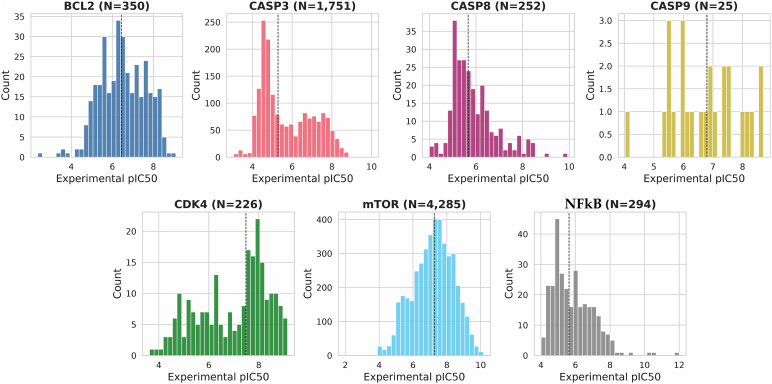
Fig. 3. Final sizes and experimental pIC50 distributions of the seven target-specific ChEMBL datasets after data audit and curation. The dashed vertical lines indicate the median experimental pIC50 for each target.
The seaweed library contained 4083 unique standardized structures. These structures were compared with the final target-specific model-development datasets to examine possible structural overlap (Table 3). Only one exact structural match was identified. Caffeine occurred in both the seaweed library and the mTOR model-development dataset and was therefore treated as a non-novel prediction for this target. No exact match was found for the other six targets (Table S9, supplementary). Among the remaining non-exact structures, no seaweed compound showed a Tanimoto similarity ≥0.80 to a compound in any of the model-development datasets. The highest non-exact similarity ranged from 0.279 for CDK4 to 0.778 for NFkB. Median maximum similarity was also low, ranging from 0.116 for CASP9 to 0.197 for NFkB. Some scaffold-level overlap was nevertheless observed. A shared Bemis–Murcko scaffold was found for 74 BCL2 compounds (1.81%), 293 CASP3 compounds (7.18%), 254 CASP8 compounds (6.22%), 253 CASP9 compounds (6.20%), and 259 NFkB compounds (6.34%). No non-exact shared scaffold was detected for CDK4 or mTOR. Thus, direct structural overlap with the model-development compounds was limited, although several targets showed broader scaffold-level similarity.
Table 3. Structural similarity and overlap between the seaweed screening library and the final target-specific model-development datasets.
| Target | Final model-development compounds (n) | Exact seaweed–training matches (n) | Maximum non-exact Tanimoto | Non-exact analogues with Tanimoto ≥ 0.80, n (%) | Median maximum Tanimoto | Non-exact shared Murcko scaffolds, n (%) |
|---|---|---|---|---|---|---|
| BCL2 | 350 | 0 | 0.517 | 0 (0.00) | 0.147 | 74 (1.81) |
| CASP3 | 1751 | 0 | 0.677 | 0 (0.00) | 0.172 | 293 (7.18) |
| CASP8 | 252 | 0 | 0.375 | 0 (0.00) | 0.143 | 254 (6.22) |
| CASP9 | 25 | 0 | 0.309 | 0 (0.00) | 0.116 | 253 (6.20) |
| CDK4 | 226 | 0 | 0.279 | 0 (0.00) | 0.126 | 0 (0.00) |
| mTOR | 4285 | 1 | 0.514 | 0 (0.00) | 0.158 | 0 (0.00) |
| NFkB | 294 | 0 | 0.778 | 0 (0.00) | 0.197 | 259 (6.34) |
Four regression algorithms were evaluated for each target using the same nested cross-validation framework. Model and hyperparameter selection were performed within the inner cross-validation loop, while the outer folds were used to estimate predictive performance. The final algorithm differed among targets. SVR was selected for BCL2, CASP9, CDK4, and mTOR, ETR was selected for CASP3 and NFkB, and RF was selected for CASP8 (Table 4). Predictive performance varied among the seven targets. CASP3 showed the highest mean outer-fold Q2 at 0.816 ± 0.025, followed by mTOR at 0.788 ± 0.014. BCL2 and CDK4 gave Q2 values of 0.682 ± 0.074 and 0.663 ± 0.118, respectively. NFkB showed a Q2 of 0.627 ± 0.104, while CASP8 gave 0.570 ± 0.103. CASP9 remained the weakest model, with a mean outer-fold Q2 of 0.292 ± 0.447, RMSE of 0.802, and CCC of 0.573. Its large variation among outer folds was consistent with the very small training set of only 25 compounds. Consequently, CASP9 predictions were retained in the seven-target analysis yet were interpreted as the least certain component of the predicted profile. Their larger prediction error was propagated into the subsequent Monte Carlo pair-stability analysis.
Table 4. Predictive performance of the final target-specific models under nested cross-validation.
| Target | N | Final model | Outer Q2, mean ± SD | RMSE | MAE | CCC | Pooled OOF Q2 |
|---|---|---|---|---|---|---|---|
| BCL2 | 350 | SVR | 0.682 ± 0.074 | 0.614 | 0.443 | 0.81 | 0.695 |
| CASP3 | 1751 | ETR | 0.816 ± 0.025 | 0.566 | 0.398 | 0.897 | 0.824 |
| CASP8 | 252 | RF | 0.570 ± 0.103 | 0.625 | 0.442 | 0.723 | 0.618 |
| CASP9 | 25 | SVR | 0.292 ± 0.447 | 0.802 | 0.69 | 0.573 | 0.528 |
| CDK4 | 226 | SVR | 0.663 ± 0.118 | 0.771 | 0.559 | 0.805 | 0.704 |
| mTOR | 4285 | SVR | 0.788 ± 0.014 | 0.552 | 0.403 | 0.882 | 0.798 |
| NFkB | 294 | ETR | 0.627 ± 0.104 | 0.703 | 0.512 | 0.762 | 0.658 |
The structural applicability domain differed strongly among the seven target-specific models (Fig. 4, Table 5). The analysis was performed for 4083 unique standardized seaweed structures, with exact target-specific training-set matches excluded from the novel-compound coverage calculation. The primary structural AD was defined using the fifth percentile (Q05) of the leave-one-out nearest-neighbour Tanimoto similarity distribution of each training set. The Q05 threshold ranged from 0.207 for CASP9 to 0.658 for mTOR. NFkB showed the largest coverage of the seaweed chemical space, with 526 structures (12.88%) inside the Q05 structural AD. Coverage was much lower for CASP9 (102 structures (2.50%)), CASP3 (84 (2.06%)), and BCL2 (65 (1.59%)). No novel seaweed structure met the Q05 threshold for CASP8, CDK4, or mTOR. Coverage changed when Q01 or Q10 was used, confirming that the AD classification was sensitive to the selected boundary. No novel seaweed structure was inside the Q05 structural AD of all seven targets. Thus, most large-scale predictions represented extrapolation relative to the corresponding target-specific training chemical space and were interpreted with greater caution.
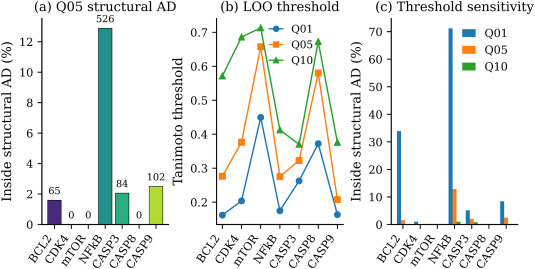
Fig. 4. Applicability-domain assessment of the seven target-specific machine-learning models: (a) Percentage of seaweed structures inside the primary structural applicability domain defined at the Q05 threshold, (b) Target-specific Tanimoto similarity thresholds derived from the Q01, Q05, and Q10 percentiles of leave-one-out nearest-neighbour similarities in each training set, (c) Sensitivity of structural applicability-domain coverage to the selected threshold.
Table 5. Target-specific structural applicability-domain coverage of the seaweed screening library.
| Target | Q05 Tanimoto threshold | Novel structures evaluated, n | Inside structural AD, n (%) | Outside structural AD, n (%) | Exact training matches, n |
|---|---|---|---|---|---|
| BCL2 | 0.2765 | 4083 | 65 (1.59%) | 4018 (98.41%) | 0 |
| CASP3 | 0.3226 | 4083 | 84 (2.06%) | 3999 (97.94%) | 0 |
| CASP8 | 0.5801 | 4083 | 0 (0.00%) | 4083 (100.00%) | 0 |
| CASP9 | 0.2075 | 4083 | 102 (2.50%) | 3981 (97.50%) | 0 |
| CDK4 | 0.3764 | 4083 | 0 (0.00%) | 4083 (100.00%) | 0 |
| mTOR | 0.6575 | 4082 | 0 (0.00%) | 4082 (100.00%) | 1 |
| NFkB | 0.2753 | 4083 | 526 (12.88%) | 3557 (87.12%) | 0 |
The target-distribution sensitivity analysis showed a Spearman correlation of ρ = 0.601 between the primary pIC50-based and percentile-normalized rankings across the 5203 records. Twelve of the 16 primary Robust Priority Front-1 records (75.0%) were also included in the percentile-normalized Front 1. This result indicates that most final candidates remained supported after removal of target-specific prediction-scale differences, although the overall ranking was moderately sensitive to normalization. CDK4 was the strongest predicted oncogenic target for 5169 compounds (99.35%). CASP3 had the lowest predicted inhibitory potency among the three caspases for 5182 compounds (99.60%) and was described as the most-spared caspase in the computational screening. Here, sparing refers to weaker predicted inhibition and not to caspase activation. The largest median oncogenic–caspase contrasts involved CDK4-CASP3 and CDK4-CASP8, followed by mTOR-CASP3.
Propagation of target-level model error changed the stability of several contrasts. Under the RMSE-based Gaussian perturbation model, CDK4-CASP3 remained the most stable oncogenic–caspase comparison, while CDK4-CASP8 also provided substantial robust-pair support. In contrast, none of the four oncogenic-CASP9 pairs reached the predefined pair-stability threshold of ≥0.95. Thus, CASP9 did not contribute a robust positive pair to the criterion for any compound. Its influence on the final ranking was mainly through the lower pair-stability values and potentially the minimum pair-stability criterion. CASP9 acted as an uncertainty-related constraint rather than as positive evidence supporting final candidate selection.
The final ranking was based on the joint trade-off among Monte Carlo oncogenic Pareto Front-1 stability, the number of robust positive oncogenic–caspase pairs, and minimum pair stability (Fig. 5). Sixteen occurrence records, corresponding to 12 unique standardized structures, formed the final Robust Priority Front 1, including 5-OHKF (SW5194), hydroxypheophytin a (SW0481), pheophytin a (SW0482), aplysiatoxin (SW2423), 6-hydroxystigmasta-4,22-dien-3-one (SW0494), pheophorbide A (SW0476), pheophorbide B (SW0325), and clerosterol 3-glucoside (SW4827) (Fig. 6, Fig. 7). Since some compounds have International Union of Pure and Applied Chemistry (IUPAC) names, and those are long names, we put the complete list of Robust Priority Front 1 into Table S11 (Supplementary).
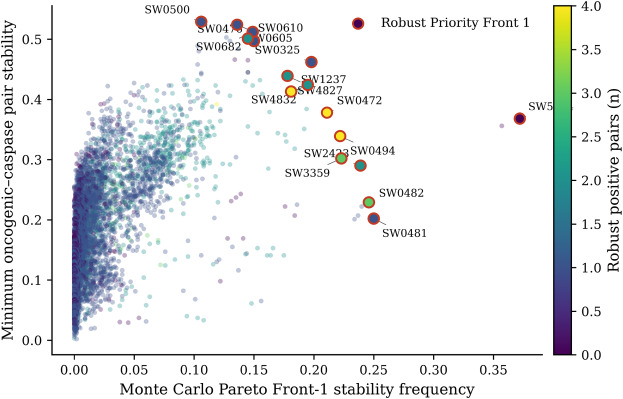
Fig. 5. Monte Carlo Pareto Front-1 stability frequency plotted against the minimum oncogenic–caspase pair stability for 5203 compounds.
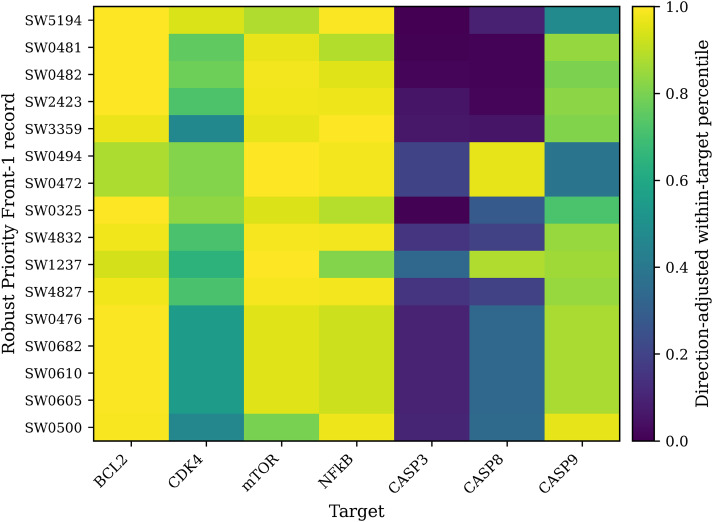
Fig. 6. Predicted pIC50 profiles of the 16 Robust Priority Front-1 occurrence records across the seven targets.
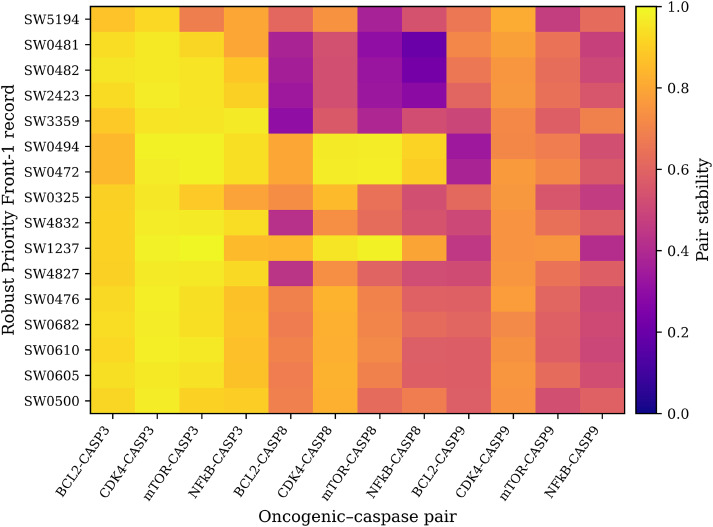
Fig. 7. Pairwise Monte Carlo stability of the 16 Robust Priority Front-1 occurrence records. Stability values represent the fraction of RMSE-based Gaussian perturbations in which each of the 12 oncogenic–caspase contrasts remained positive. These values are model-based stability measures and not experimentally calibrated probabilities.
Chemical-class enrichment was evaluated at the Top 5%, Top 10%, and final Robust Priority Front-1 thresholds (Fig. 8). Here, enrichment refers to statistical overrepresentation of a chemical class among computationally prioritized compounds relative to its background frequency in the complete dataset. A high EF does not indicate greater biological potency or stronger in vitro or in vivo anticancer activity of compounds belonging to that class. At the Top 5% threshold, several chemical classes remained significantly enriched after FDR correction. Related enrichment patterns were also observed in the Top 10% set, although the magnitude and statistical support varied among classes and priority thresholds.
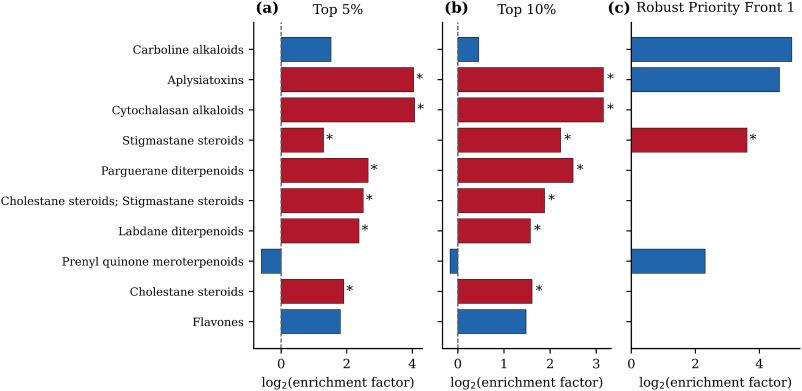
Fig. 8. Chemical-class enrichment across the compound-priority thresholds: (a) top 5%, (b) top 10%, and (c) robust priority Front-1. Red bars indicate classes significant after Benjamini–Hochberg correction (FDR < 0.05), whereas blue bars indicate non-significant enrichment. The dashed line indicates EF = 1, *FDR < 0.05. only classes with ≥10 compounds in the complete dataset are shown. (For interpretation of the references to color in this figure legend, the reader is referred to the web version of this article.)
The enrichment pattern changed in the final 16-record Robust Priority Front 1. Four occurrence records were classified as stigmastane steroids, while two records were classified as prenyl quinone meroterpenoids. Aminosugars, cyclic peptides/depsipeptides/lipopeptides, aplysiatoxins, and carboline alkaloids were each represented by one Front-1 record. Several of these classes showed high enrichment factors because their background frequencies in the complete dataset were low. However, high EF values based on only one or a few Front-1 records should be interpreted cautiously, particularly when statistical significance was not retained after multiple-testing correction.
The docking protocol was evaluated using 20 known actives and 100 decoys for each target (Table 6). Its ability to discriminate actives from decoys differed strongly among targets. CDK4 showed the highest ROC-AUC of 0.970, followed by mTOR at 0.899. BCL2 showed moderate discrimination (AUC = 0.704), whereas CASP3, NFkB, CASP9, and CASP8 showed substantially weaker discrimination, with AUC values of 0.572, 0.536, 0.532, and 0.438, respectively. Early enrichment showed a similar pattern, with EF5 = 6.0 for CDK4 and mTOR but little or no enrichment for most other targets. Docking reliability was strongly target-dependent. Results for CDK4 and mTOR had greater support from the retrospective benchmarking, whereas results for BCL2 should be interpreted more moderately and those for CASP3, NFkB, CASP9, and CASP8 with greater caution. Docking was used only as complementary structural evidence and not as confirmation or independent validation of the ML predictions.
Table 6. Retrospective active–decoy validation of the target-specific molecular docking protocols.
| Target | PDB ID | Actives | Decoys | ROC-AUC (95% CI) | EF1 | EF5 | EF10 | Median active score | Median decoy score |
|---|---|---|---|---|---|---|---|---|---|
| BCL2 | 6O0K | 20 | 100 | 0.704 (0.604–0.797) | 0 | 1 | 1 | −9.204 | −8.475 |
| CDK4 | 7SJ3 | 20 | 100 | 0.970 (0.930–0.997) | 6 | 6 | 6 | −11.538 | −9.481 |
| mTOR | 4JT6 | 20 | 100 | 0.899 (0.811–0.967) | 6 | 6 | 5 | −10.682 | −8.564 |
| NFkB | 1IKN | 20 | 100 | 0.536 (0.408–0.657) | 0 | 0 | 1 | −8.707 | −8.402 |
| CASP3 | 2XYG | 20 | 100 | 0.572 (0.435–0.709) | 0 | 1 | 2 | −7.437 | −7.258 |
| CASP8 | 1QTN | 20 | 100 | 0.438 (0.324–0.554) | 0 | 0 | 0 | −6.928 | −7.016 |
| CASP9 | 1JXQ | 20 | 100 | 0.532 (0.401–0.663) | 0 | 0 | 1 | −6.877 | −6.766 |
The final Robust Priority Front 1 contained 16 occurrence records corresponding to 12 unique standardized structures. Repeated occurrence records sharing the same standardized structure were represented once in the docking analysis. These 12 structures were docked against all seven targets, giving 84 structure–target combinations (Fig. 9). Vina scores ranged from −10.637 to −4.223 kcal/mol. The most negative scores were observed for SW0500 against mTOR (−10.637 kcal/mol) and for SW0494 against CDK4 (−10.507 kcal/mol). SW0500 also showed a low score against NFkB (−9.247 kcal/mol), while SW0494 gave the lowest score for BCL2 (−8.788 kcal/mol) and CASP8 (−8.004 kcal/mol). Within the other caspases, the lowest scores were obtained for SW0500 against CASP3 (−7.767 kcal/mol) and SW4832 against CASP9 (−7.818 kcal/mol).
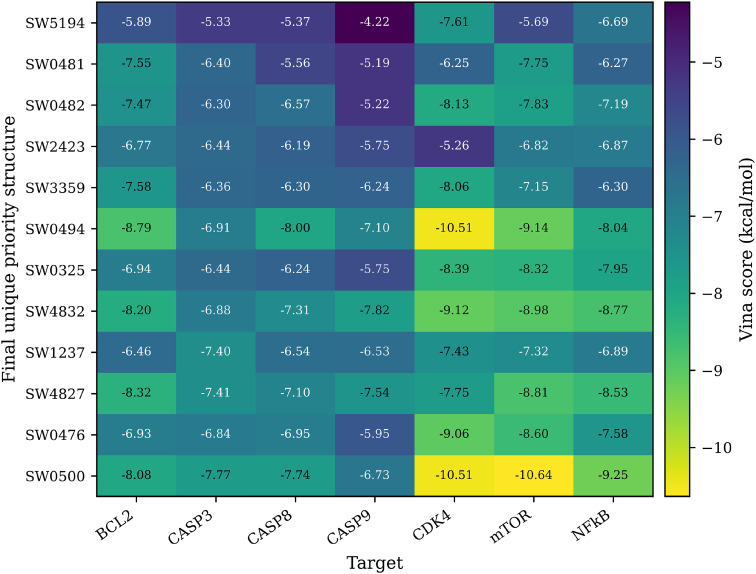
Fig. 9. Molecular docking-score profiles of the final Robust Priority Front-1 structures across seven targets.
Agreement between the ML predictions and docking rankings was target-dependent and generally limited (Fig. 10). Spearman correlations ranged from −0.816 for CASP3 to 0.116 for mTOR. Negative correlations were observed for CASP3 (ρ = −0.816), CASP8 (ρ = −0.599), BCL2 (ρ = −0.508), CASP9 (ρ = −0.403), and CDK4 (ρ = −0.144), while weak positive correlations were obtained for mTOR (ρ = 0.116) and NFkB (ρ = 0.053). The inverse CASP3 correlation was statistically significant and remained significant after Benjamini–Hochberg correction (p = 0.0012; FDR = 0.0084). CASP8 showed a nominal association (p = 0.0396), yet it did not remain significant after multiple-testing correction (FDR = 0.139). The remaining target-wise correlations were not statistically significant after correction. The significant inverse CASP3 association indicates disagreement between the ML and docking rankings rather than independent validation of the ML predictions. Docking was retained as a complementary structural assessment and was not used to rerank or confirm the ML predictions.
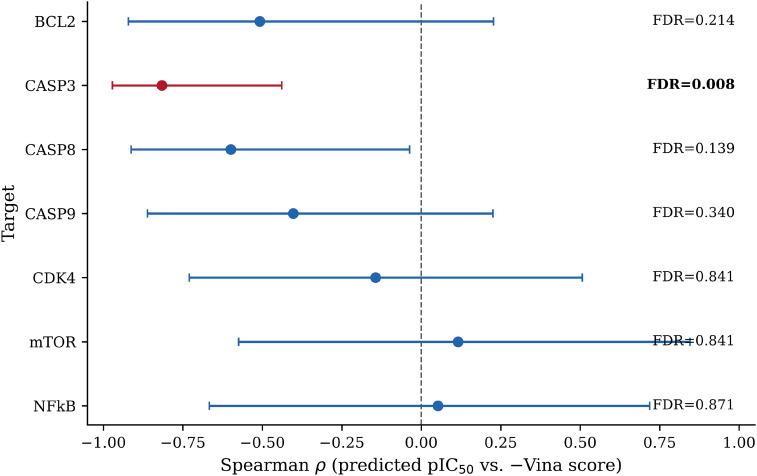
Fig. 10. Target-wise ML–docking rank concordance for the 12 final unique structures. Points show Spearman ρ between predicted pIC50 and −Vina score, with 95% confidence intervals. FDR values were obtained using Benjamini–Hochberg correction.
The 16 occurrence records in the final Robust Priority Front 1 were reported from 11 seaweed species. Dictyota dichotoma contributed four Front-1 records, while D. fasciola and Codium decorticatum each contributed two records; the remaining species contributed one record each. Normalization by the number of screened records changed the apparent species priority. Among species represented by at least 10 records, C. decorticatum showed the highest Front-1 hit rate, with 2 of 13 records (15.38%). This was followed by Bryopsis pennata (1/16 (6.25%)), Halimeda gracilis (1/22 (4.55%)), Gracilaria coronopifolia (1/24 (4.17%)), D. fasciola (2/57 (3.51%)), and Caulerpa racemosa (1/50 (2.00%)). In contrast, the more extensively represented D. dichotoma, Sargassum siliquastrum, and Laurencia dendroidea showed lower normalized hit rates of 1.33%, 0.76%, and 0.27%, respectively. At genus level, Gracilaria contained 2 Front-1 records among 147 screened records (1.36%), compared with 6/657 (0.91%) for Dictyota and 1/1684 (0.059%) for Laurencia (Fig. 11). These normalized hit rates are descriptive proportions and should not be interpreted as statistical evidence of species-level chemical enrichment. In particular, high rates based on small denominators can be unstable even when a minimum threshold of 10 screened records is applied.
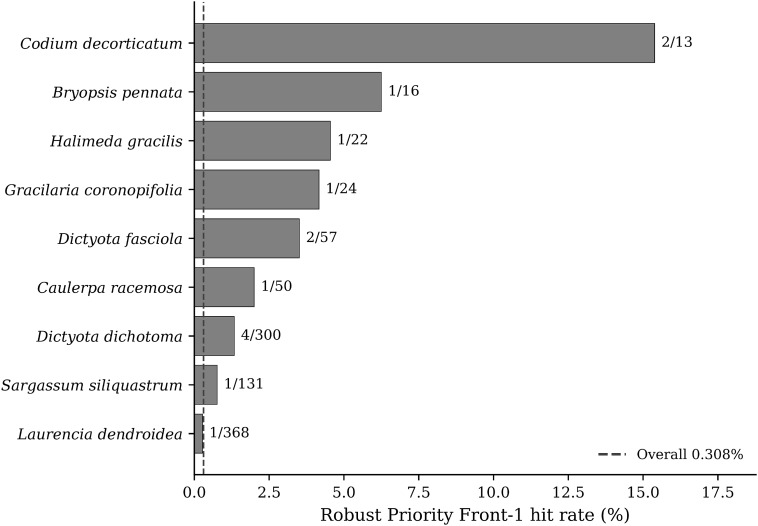
Fig. 11. Species-normalized representation of the final Robust Priority Front 1. Labels indicate the number of Front-1 records relative to the total number of screened records for each species. The dashed line indicates the overall Front-1 rate across the complete screening dataset.
The present study was designed to evaluate seaweed-derived natural products against two groups of molecular targets involved in cancer progression. The first group consisted of caspase family proteins (CASP3, CASP8, and CASP9), which play central roles in apoptosis [191], [192], [193]. Caspase activation is generally associated with programmed cell death and is therefore considered beneficial for eliminating cancer cells [194]. In contrast, the second group consisted of oncogenic targets, including BCL2, NFkB, mTOR, and CDK4, which promote cell survival, proliferation, cell-cycle progression, and resistance to apoptosis [195], [196], [197]. Compounds were prioritized when they showed stronger predicted inhibition of oncogenic targets while maintaining weaker predicted inhibition of the caspases. This strategy differs from conventional virtual screening approaches that focus only on potency.
The curated datasets ranged from only 25 unique compounds for CASP9 to 4285 for mTOR, while CASP3 contained 1751 compounds. This difference was also seen in validation. CASP3 showed the highest mean outer-fold Q2 of 0.816 ± 0.025, while mTOR reached about 0.79 with very low fold variation. In contrast, CASP9 showed a much lower Q2 of about 0.29 and much larger variation (SD = 0.45). This distinction indicates that high training performance does not necessarily generalize well to unseen compounds. Recent work on small-data drug discovery similarly shows that limited datasets and data curation often give unstable models because they provide poor coverage of chemical and biological variation [198]. The effect of this uncertainty was evident in the multi-target prioritization. Although several oncogenic–CASP9 point-prediction contrasts were positive, none reached the robust pair-stability threshold after uncertainty propagation. CASP9 therefore did not provide robust positive-pair evidence for the final candidates. Instead, its low stability could reduce the minimum pair-stability value used in the final non-dominated sorting. In this sense, CASP9 acted mainly as a conservative constraint in the prioritization. The final Front-1 compounds should not be interpreted as compounds with reliably predicted CASP9 sparing. Their priority status reflects the combined multi-target trade-off, with stronger robust evidence coming from the oncogenic objectives and contrasts involving CASP3 or CASP8. Fourches et al. found duplicate compounds differing by up to about 1 log activity unit and showed that structurally identical compounds could appear in both training and external sets with different measured activities [199]. Nested cross-validation reduced another source of bias by separating hyperparameter optimization from final performance estimation. Cawley and Talbot showed that overfitting during model selection can create bias comparable to the apparent difference between competing algorithms [200].
The applicability-domain analysis further showed that prediction reliability cannot be inferred from training-set size alone. Among 4083 unique seaweed structures, exact training overlap was essentially absent except for caffeine in the mTOR dataset. However, no seaweed compound was within the Q05 structural domain of all seven targets. This agrees with Zhang et al. [201] that evaluated more than 81,000 chemicals and showed that applicability-domain coverage varied strongly with chemical class and domain definition. Mullowney et al. also identified chemical-space coverage as a major limitation in ML-based natural-product discovery [202]. The target predictions were interpreted with different levels of confidence, and compounds outside the structural domain were retained mainly for hypothesis generation rather than as equally reliable quantitative potency estimates.
This study reduced 5203 valid seaweed occurrence records to 16 Robust Priority Front-1 records, corresponding to 12 unique standardized structures, after target-specific ML prediction, uncertainty analysis, and multi-objective prioritization. This differs from many recent anticancer QSAR studies that predict cytotoxicity directly within one chemical series. Putra et al., for example, compared GA-MLR, RF, SVR, and XGB for renieramycin derivatives against non-small-cell lung cancer cells [203]. Vijara et al. studied 89 flavone analogues against MCF-7 and HepG2 cells [204]. These studies worked with relatively related compounds and a defined cellular endpoint. This study differs by applying seven independent protein-target models to a chemically broad seaweed library.
This difference becomes clear in the final compounds. The final set included structurally different metabolites such as 5-OHKF, hydroxypheophytin a, pheophytin a, aplysiatoxin, pheophorbide A, pheophorbide B, 6-hydroxystigmasta-4,22-dien-3-one, and clerosterol 3-glucoside. Their priority arose from the joint trade-off among the seven independently predicted target profiles rather than from one target alone. The percentile-normalized sensitivity analysis gave a moderate correlation with the primary ranking (ρ = 0.601), and 12 of the 16 primary Robust Priority Front-1 records were retained in the percentile-normalized Front 1. This indicates that most final candidates remained supported after removing differences in target-specific prediction scale, although the overall ranking was sensitive to normalization. The predicted differences should not be interpreted as experimentally measured selectivity ratios because the values were generated by independently trained target-specific models. This point is important for the term oncogenic-target preference with caspase sparing. The models favor stronger predicted inhibition of BCL2, CDK4, mTOR, and NFkB and weaker inhibition of CASP3, CASP8, and CASP9. They do not predict caspase activation, and they do not establish preferential killing of malignant cells. Target engagement in intact cells requires membrane access, sufficient intracellular concentration, and interaction with the protein in its cellular environment. These properties cannot be established from isolated target predictions alone [205].
Several priority pigments already have experimental anticancer data, although the reported activities do not validate their predicted CDK4, BCL2, or mTOR effects. Pheophorbide A (SW0476) had a predicted mTOR pIC50 of 6.292, equivalent to about 0.51 μM. In comparison, photoactivated pheophorbide A inhibited several cancer cell lines at 70–250 nM; reported IC50 values were 95 nM in HepG2 and 150 nM in HeLa cells under 14 J/cm2 irradiation [206]. A seaweed-derived preparation from Grateloupia elliptica was also active without direct irradiation, with an IC50 of 2.8 μg/mL in U87MG glioblastoma cells, while HUVEC cells showed IC50 > 50 μg/mL [49]. Pheophytin A provides additional literature context for chlorophyll-derived metabolites. It had a predicted CDK4 pIC50 of 6.888, corresponding to approximately 0.13 μM. Experimentally, pheophytin a gave an IC50 of 22.9 ± 5.8 μM in A549 lung cancer cells and 183.6 ± 1.92 μM in non-cancerous Vero cells [207]. Thus, the presence of several chlorophyll derivatives in the robust set has some experimental biological context. However, their known actions, especially photodynamic and mitochondrial effects, also show that mechanisms outside the seven targets may be important.
The other priority compounds provide a different picture and are useful because the final set did not simply recover compounds already known as strong anticancer agents [208]. 5-OHKF (SW5194) provides another example. The exact compound was reported to have no antitumor activity in the assays used in its original study, although it inhibited Plasmodium falciparum D6 and W2 with IC50 values of 1.5 and 1.2 μg/mL [209]. Its close analogue Kahalalide F is very different: prostate and breast cancer cell IC50 values ranged from 0.07 to 0.28 μM, while non-tumor cells showed IC50 values of 1.6–3.1 μM [210]. Small changes within this scaffold can therefore strongly alter biological activity, which supports compound-level rather than class-level interpretation. The chemical-class enrichment analysis should also be interpreted at the statistical level. A high enrichment factor means that a class occurred more frequently among computationally prioritized compounds than expected from its frequency in the complete dataset. It does not show that compounds from that class have stronger anticancer activity. The enrichment analysis does not measure experimental potency, cellular efficacy, toxicity, bioavailability, or in vivo activity. Enriched classes represent computational patterns that may support selection for further investigation, while biological superiority requires direct experimental comparison.
In this study, the favorable difference between predicted oncogenic and caspase activities exists at the modelled protein level. It is not evidence that a compound selectively kills cancer cells. True cellular selectivity requires comparison of cancer and non-malignant cells under the same experimental conditions. Pheophytin a provides a useful example, such as A549 and Vero IC50 values of 22.9 and 183.6 μM give an approximately eight-fold difference in cellular sensitivity [207]. Kahalalide F provides another example. Non-tumor MCF10A, HUVEC, HMEC-1, and IMR90 cells were reported to be 5–40 times less sensitive than prostate and breast cancer cells [210]. Such experiments measure a property that our seven QSAR models do not measure. Cancer-cell response also depends on uptake, metabolism, target abundance, pathway dependence, and off-target effects. Therefore, the present oncogenic–caspase profile should be regarded as a protein-level prioritization hypothesis. Selective cytotoxicity toward cancer rather than normal cells therefore remains to be tested experimentally.
The species analysis adds useful biological context, but normalization changed the interpretation compared with simple compound counts. Among species represented by at least 10 records, Codium decorticatum showed the highest normalized Front-1 hit rate, with 2 of 13 records (15.38%), followed by Bryopsis pennata (1/16 (6.25%)), Halimeda gracilis (1/22 (4.55%)), Gracilaria coronopifolia (1/24 (4.17%)), Dictyota fasciola (2/57 (3.51%)), and Caulerpa racemosa (1/50 (2.00%)). The more extensively represented Dictyota dichotoma and Laurencia dendroidea showed lower normalized hit rates of 1.33% and 0.27%, respectively. This does not mean that these species have weaker anticancer chemistry. A high rate based on a small denominator, such as 2 Front-1 records among 13 screened records for C. decorticatum, should be interpreted as a descriptive screening signal rather than evidence of true chemical enrichment or biological superiority. B. pennata is particularly relevant because it is a source of kahalalides, including 5-OHKF, while Kahalalide F associated with Bryopsis showed IC50 values of 0.07–0.28 μM in prostate and breast cancer cells [210]. The difference was therefore cell-line dependent and not uniformly selective. In contrast, the extensively studied L. dendroidea has yielded obtusol and (−)-elatol with Colo-205 IC50 values of 1.2 ± 1.4 and 2.5 ± 1.3 μg/mL [211]. Thus, a low normalized Front-1 rate should not be interpreted as weak biological potential.
This study should be interpreted as computational prioritization rather than experimental demonstration of anticancer activity. The predicted pIC50 values were generated from independently trained target-specific ML models, and these outputs remain estimates rather than measured target inhibition. QSAR-based virtual screening is mainly intended to reduce a large chemical space to a smaller set for experimental testing. External experimental confirmation remains necessary before predicted activities can be considered biologically valid. The oncogenic–caspase Pareto profile also represents target-level preference, not cancer-cell selectivity or demonstrated pro-apoptotic activity. In particular, weaker predicted inhibition of CASP3, CASP8, and CASP9 was treated as caspase sparing, yet this does not establish caspase activation or apoptosis. The Monte Carlo analysis also has an important limitation. The outer-CV RMSE represents target-level average prediction error and does not provide compound-specific uncertainty. The Gaussian perturbation served as a sensitivity model for propagating differences in target-level prediction error. The resulting stability values should be interpreted as robustness of the computational prioritization under this assumed error model, not as calibrated probabilities of true target activity or biological selectivity.
Docking provided additional structural support; however, its reliability differed markedly among targets according to the active-decoy benchmarking. The docking results for targets with weak ROC-AUC values should therefore be interpreted with particular caution. Docking scores and predicted poses were not considered confirmation of the ML predictions, measured binding affinity, or target inhibition. Experimental validation should first include target-specific biochemical or biophysical assays to confirm activity against the proposed proteins. Compounds supported by these assays should be evaluated in appropriate cancer-cell and non-malignant cell models under comparable conditions to determine cellular selectivity. Measurements of apoptosis and general cytotoxicity would also be required before any pro-apoptotic or anticancer effect could be inferred. This study selected some species based on reported metabolites from those species receiving positive computational rankings, rather than because the seaweed or its extract had been experimentally demonstrated to have anticancer activity. Unequal research effort, as well as variations in metabolite abundance due to region, season, and extraction circumstances, can all have an impact on species-level interpretation. Therefore, the highlighted seaweeds should be considered candidate sources for isolation and experimental testing rather than validated anticancer materials.
This study screened 5203 seaweed-metabolite occurrence records against BCL2, CDK4, mTOR, NFkB, CASP3, CASP8, and CASP9 using target-specific machine-learning models followed by uncertainty-aware Pareto prioritization. Sixteen Robust Priority Front-1 occurrence records were retained, corresponding to 12 unique standardized structures. These structures included 5-OHKF, hydroxypheophytin a, pheophytin a, aplysiatoxin, 6-hydroxystigmasta-4,22-dien-3-one, pheophorbide A, pheophorbide B, and clerosterol 3-glucoside. The candidates showed different seven-target profiles rather than a single common pattern, with CDK4 contributing strongly among the oncogenic objectives and CASP3 frequently represented among the caspase-sparing profiles. At the taxonomic level, normalization changed the pattern obtained from raw metabolite counts. Among species with at least 10 screened records, Codium decorticatum showed the highest Front-1 hit rate (2/13 (15.38%)), followed by Bryopsis pennata (1/16 (6.25%)), Halimeda gracilis (1/22 (4.55%)), Gracilaria coronopifolia (1/24 (4.17%)), Dictyota fasciola (2/57 (3.51%)), and Caulerpa racemosa (1/50 (2.00%)). These rates are descriptive and remain sensitive to small denominators and unequal database coverage; therefore, they should not be interpreted as evidence of species-level chemical enrichment or biological superiority. These taxonomic patterns should still be interpreted in view of unequal database coverage and research effort. Docking provided supporting structural information but showed variable discrimination among targets. The ML–docking rank association was generally weak or non-significant, except for a significant inverse association for CASP3 after multiple-testing correction. This inverse relationship indicates disagreement between the two computational approaches rather than independent validation of the predicted activity. The study identifies a focused set of computationally prioritized metabolites, seaweed sources, and protein profiles for experimental follow-up. These metabolites should not be considered confirmed anticancer compounds. Target-specific biochemical or biophysical assays are first required to confirm activity against the proposed proteins. Compounds supported at the target level should then be evaluated in appropriate cancer and non-malignant cell models to assess cellular selectivity, apoptosis-related effects, and toxicity. Subsequent in vivo validation would be required before any anticancer or therapeutic relevance can be established.
Fitri Budiyanto: Writing – original draft, Visualization, Funding acquisition, Formal analysis, Data curation, Conceptualization. Tutik Murniasih: Writing – original draft, Investigation, Conceptualization. Bustanussalam: Methodology, Formal analysis, Data curation. Muhammad Sulaiman Zubair: Writing – review & editing, Supervision, Resources. Widyandani Sasikirana: Methodology, Investigation, Formal analysis, Data curation. S. Syafiie: Writing – review & editing, Supervision.
Not applicable.
Not applicable.
Not applicable, no human or animal sample is applied in this study.
This work did not require ethical permission. No human or animal sample is applied in this study.
This study was funded by the Indonesia Endowment Fund for Education Agency (LPDP) and the National Research and Innovation Agency (BRIN) through Riset Inovasi untuk Indonesia Maju/Research and Innovations for Indonesian Advancement (RIIM) batch 7, Grant No. RIIM-576559514582.
The author confirms that there is no conflict of interest related to the manuscript.
The authors acknowledge the National Research and Innovation Agency (BRIN) for facilitating the search on references. The authors also thank the Indonesia Endowment Fund for Education Agency (LPDP) and the National Research and Innovation Agency (BRIN) through Riset Inovasi untuk Indonesia Maju/Research and Innovations for Indonesian Advancement (RIIM) batch 7 for the funding. The authors also thank BRIN for providing access to the Mahameru High-Performance Computing (HPC) facility through E-Layanan Sains/ELSA (Electronic Service for Science).
R.L. Siegel, T.B. Kratzer, N.S. Wagle, H. Sung, A. Jemal
Cancer statistics, 2026
G. Babaei, S. Gholizadeh-Ghaleh Aziz, M. Rajabi Bazl, M.H. Khadem Ansari
A comprehensive review of anticancer mechanisms of action of Alantolactone
B.P. Puah, J. Jalil, A. Attiq, Y. Kamisah
New insights into molecular mechanism behind anti-cancer activities of lycopene
Z. Dong, X. Zhang, Q. Zhang, J. Tangthianchaichana, M. Guo, S. Du, Y. Lu
Anticancer mechanisms and potential anticancer applications of antimicrobial peptides and their nano agents
J.P. Dávila-Vega, A.C. Gastelum-Hernández, S.N. Serrano-Sandoval, S.O. Serna-Saldívar, J.A. Guitiérrez-Uribe, J. Milán-Carrillo, M.C. Martínez-Cuesta, D. Guardado-Félix
Metabolism and anticancer mechanisms of selocompounds: comprehensive review
S. Banerjee, S. Nau, S.N. Hochwald, H. Xie, J. Zhang
Anticancer properties and mechanisms of botanical derivatives
S.G. Lee
Molecular target and action mechanism of anti-cancer agents
A. Vafa, B. Rais, N. Afroz, R. Ghosh, S. Wajid
The BCL-2–tumor microenvironment axis: mechanisms of immune suppression, resistance, and pathways to therapeutic reprogramming
M. Vogler, Y. Braun, V.M. Smith, M.A. Westhoff, R.S. Pereira, N.M. Pieper, M. Anders, M. Callens, T. Vervliet, M. Abbas, S. Macip, R. Schmid, G. Bultynck, M.J.S. Dyer
The BCL2 family: from apoptosis mechanisms to new advances in targeted therapy
E. Pavitra, J. Kancharla, V.K. Gupta, K. Prasad, J.Y. Sung, J. Kim, M.B. Tej, R. Choi, J.H. Lee, Y.K. Han, G.S.R. Raju, L.V.K.S. Bhaskar, Y.S. Huh
The role of NF-κB in breast cancer initiation, growth, metastasis, and resistance to chemotherapy
K. Lukas, J. Nguyen, C. Necas, K. Dave, V. Venketaraman
Targeting the NF-κB pathway in cancer: mechanisms, resistance, and therapeutic potential across tumor types
E. Petroulakis, Y. Mamane, O. Le Bacquer, D. Shahbazian, N. Sonenberg
mTOR signaling: implications for cancer and anticancer therapy
W. Fu, G. Wu
Targeting mTOR for anti-aging and anti-cancer therapy
D.V. Ziegler, K. Parashar, L. Fajas
Beyond cell cycle regulation: the pleiotropic function of CDK4 in cancer
S.J. Baker, P.I. Poulikakos, H.Y. Irie, S. Parekh, E.P. Reddy
CDK4: a master regulator of the cell cycle and its role in cancer
Genes Cancer, 13 (2022), pp. 21-45
M. Olsson, B. Zhivotovsky
Caspases and cancer
M. Zhou, X. Liu, Z. Li, Q. Huang, F. Li, C.Y. Li
Caspase-3 regulates the migration, invasion and metastasis of colon cancer cells
J.P. Silva, C. Alves, S. Pinteus, J. Silva, A. Valado, R. Pedrosa, L. Pereira
Antioxidant and antitumor potential of wild and IMTA-cultivated Osmundea pinnatifida
M. Zenthoefer, U. Geisen, K. Hofmann-Peiker, M. Fuhrmann, J. Kerber, R. Kirchhöfer, S. Hennig, M. Peipp, R. Geyer, L. Piker, H. Kalthoff
Isolation of polyphenols with anticancer activity from the Baltic Sea brown seaweed Fucus vesiculosus using bioassay-guided fractionation
A.A. Mansur, M.T. Brown, R.A. Billington
The cytotoxic activity of extracts of the brown alga Cystoseira tamariscifolia (Hudson) Papenfuss, against cancer cell lines changes seasonally
P.O. de Souza, F.A. Silva, C.O.S. Frozza, R. Frassini, M. Roesch-Ely, M.A.Z. dos Santos, R.A. Freitag, P. Colepicolo, C.M.P. Pereira, E. Braganhol
Bioprospecting of new Antarctic seaweed selective antitumor molecules: chemical characterization and in vitro analysis
H. Zbakh, G. Salhi, V. Bochkov, C.J. Ciudad, V. Noé, M. Hassoun, H. Riadi
Insights on the anti-inflammatory and antitumor activities of extracts from the marine green alga Codium decorticatum
Y.S. Shin, K.J. Kim, H. Park, M.G. Lee, S. Cho, S.I. Choi, H.J. Heo, D.O. Kim, G.H. Kim
Effects of ecklonia cava extract on neuronal damage and apoptosis in pc-12 cells against oxidative stress
B.S. Alotaibi, T.A. El-Masry, H. Selim, M.M. El-Bouseary, M.M. El-Sheekh, M.E.M. Makhlof, M.M.F. El-Nagar
New insights into the anticancer effects of Polycladia crinita aqueous extract and its selenium nanoformulation against the solid Ehrlich carcinoma model in mice via VEGF, notch 1, NF-кB, cyclin D1, and caspase 3 signaling pathway
G.J. Wu, P.W. Hsiao
Assessment of anti-prostate cancer activity among four seaweeds, with focus on Caulerpa lentillifera
H.K. Permatasari, D.S. Wewengkang, N.I. Tertiana, F.Z. Muslim, M. Yusuf, S.O. Baliulina, V.P.A. Daud, A.A. Setiawan, F. Nurkolis
Anti-cancer properties of Caulerpa racemosa by altering expression of Bcl-2, BAX, cleaved caspase 3 and apoptosis in HeLa cancer cell culture
N. Goutzourelas, D.P. Kevrekidis, S. Barda, P. Malea, V. Trachana, S. Savvidi, A. Kevrekidou, A.N. Assimopoulou, A. Goutas, M. Liu, X. Lin, N. Kollatos, G.D. Amoutzias, D. Stagos
Antioxidant activity and inhibition of liver cancer cells' growth of extracts from 14 marine macroalgae species of the Mediterranean Sea
U. Geisen, M. Zenthoefer, M. Peipp, J. Kerber, J. Plenge, A. Managò, M. Fuhrmann, R. Geyer, S. Hennig, D. Adam, L. Piker, G. Rimbach, H. Kalthoff
Molecular mechanisms by which a Fucus vesiculosus extract mediates cell cycle inhibition and cell death in pancreatic cancer cells
H. Mamoudou, M.M.M. Alain
From prediction to design: a machine learning model for de novo bioactive compounds and personalized biotherapeutics
J.P. Edaugal, D. Zhang, T.S.A. Lewis, D. Liu, V.A. Glezakou, N. Sun
Machine learning-driven solvent screening for biobased 2,3-butanediol extraction
A. Tayyebi, A.S. Alshami, Z. Rabiei, X. Yu, N. Ismail, M.J. Talukder, J. Power
Prediction of organic compound aqueous solubility using machine learning: a comparison study of descriptor-based and fingerprints-based models
J. Lapić, A. Bebek Markovinović, N. Račić, L. Vujanić, M. Kostić, D. Rakić, S. Djaković, D. Bursać Kovačević
Predicting bioactive compounds in Arbutus unedo L. leaves using machine learning: influence of extraction technique, solvent type, and geographical location
D.S. Wishart, T. Sajed, M. Pin, E.F. Poynton, B. Goel, B.L. Lee, A.C. Guo, S. Saha, Z. Sayeeda, S. Han, M. Berjanskii, H. Peters, E. Oler, V. Gautam, T. Jordan, J. Kim, B. Ledingham, Z.M. Tretter, J.T. Koller, H.A. Shreffler, L.R. Stillwell, A.M. Jystad, N. Govind, J.L. Bade, L.W. Sumner, R.G. Linington, J.R. Cort
The natural products magnetic resonance database (NP-MRD) for 2025
M.D. Guiry, G.M. Guiry
algaebase
World-Wide Electronic Publication, University of Galway (2026)
D.A. Abdelrheem, A.A. Rahman, K.N.M. Elsayed, H.R. Abd El-Mageed, H.S. Mohamed, S.A. Ahmed
Isolation, characterization, in vitro anticancer activity, DFT calculations, molecular docking, bioactivity score, drug-likeness and ADMET studies of eight phytoconstituents from brown alga Sargassum platycarpum
B. Bharath, K. Perinbam, S. Devanesan, M.S. AlSalhi, M. Saravanan
Evaluation of the anticancer potential of hexadecanoic acid from brown algae Turbinaria ornata on HT-29 colon cancer cells
P. Perumal, S. Dhanasundaram, A. Aravinth, C. Kamaraj, P. Santhanam, R. Rajaram
In vitro evaluation of the anticancer potential of betulin, isolated from the seaweed Sargassum ilicifolium, against Hep-2, THP-1 and HeLa cell lines
A. Aravinth, P. Perumal, R. Rajaram, S. Dhanasundaram, M. Narayanan, S. Maharaja, A. Manikumar
Isolation and characterization of 2,4-di-tert-butyl phenol from the brown seaweed, Dictyota ciliolata and assessment of its anti-oxidant and anticancer characteristics
X. Li, D.Y. Zhou, F.T. Li, Y.F. Jiang, Y.L. Dai, Y.J. Jeon
Saringosterol acetate isolated from Sargassum fusiformis induces mitochondrial-mediated apoptosis in MCF-7 breast cancer cells
E. Caamal-Fuentes, R. Moo-Puc, Y. Freile-Pelegrín, D. Robledo
Cytotoxic and antiproliferative constituents from Dictyota ciliolata, Padina sanctae-crucis and Turbinaria tricostata
H. Zbakh, E. Zubía, C. de Los Reyes, J.M. Calderón-Montaño, V. Motilva
Anticancer activities of meroterpenoids isolated from the brown alga Cystoseira usneoides against the human colon cancer cells HT-29
V. Smyrniotopoulos, C. Merten, D. Firsova, H. Fearnhead, D. Tasdemir
Oxygenated acyclic diterpenes with anticancer activity from the Irish brown seaweed Bifurcaria bifurcata
V. Smyrniotopoulos, D. Firsova, H. Fearnhead, L. Grauso, A. Mangoni, D. Tasdemir
Density Functional Theory (DFT)-aided structure elucidation of linear diterpenes from the Irish brown seaweed Bifurcaria bifurcata
J.Y. Lee, M.S. Kim, W.-S. Jung, D.-G. Song, B.-H. Um, J.-K. Son, C.-H. Pan
Phlorofucofuroeckol-A, a potent inhibitor of aldo-keto reductase family 1 member B10, from the edible brown alga Eisenia bicyclis
J. Korean Soc. Appl. Biol. Chem., 55 (2012), pp. 721-727, 10.1007/s13765-012
E.M. Antunes, A.F. Afolayan, M.T. Chiwakata, J. Fakee, M.G. Knott, C.E. Whibley, D.T. Hendricks, J.J. Bolton, D.R. Beukes
Identification and in vitro anti-esophageal cancer activity of a series of halogenated monoterpenes isolated from the South African seaweeds Plocamium suhrii and Plocamium cornutum
C. Alves, J. Silva, M.B. Afonso, R.A. Guedes, R.C. Guedes, R. Alvariño, S. Pinteus, H. Gaspar, M.I. Goettert, A. Alfonso, C.M.P. Rodrigues, M.C. Alpoím, L. Botana, R. Pedrosa
Disclosing the antitumour potential of the marine bromoditerpene sphaerococcenol A on distinct cancer cellular models
C. Alves, E. Serrano, J. Silva, C. Rodrigues, S. Pinteus, H. Gaspar, L.M. Botana, M.C. Alpoim, R. Pedrosa
Sphaerococcus coronopifolius bromoterpenes as potential cancer stem cell-targeting agents
A. Aravinth, P. Perumal, R. Rajaram, C. Kamaraj, S. Dhanasundharam, P.K. Mohan, P. Kolandhasamy, S. Ravi, R. Vinayagam
Antiproliferative potential of piceatannol isolated from the red alga Gelidiella acerosa on HeLa cell lines
M.L. Cho, G.M. Park, S.N. Kim, T. Amna, S. Lee, W.S. Shin
Glioblastoma-specific anticancer activity of pheophorbide a from the edible red seaweed Grateloupia elliptica
S. Tarhouni-Jabberi, O. Zakraoui, E. Ioannou, I. Riahi-Chebbi, M. Haoues, V. Roussis, R. Kharrat, K. Essafi-Benkhadir
Mertensene, a halogenated monoterpene, induces G2/M cell cycle arrest and caspase dependent apoptosis of human colon adenocarcinoma HT29 cell line through the modulation of ERK-1/-2, AKT and NF-κB signaling
C. Alves, J. Silva, S. Pintéus, R.A. Guedes, R.C. Guedes, R. Alvariño, R. Freitas, M.I. Goettert, H. Gaspar, A. Alfonso, M.C. Alpoím, L.M. Botana, R. Pedrosa
Bromoditerpenes from the red seaweed Sphaerococcus coronopifolius as potential cytotoxic agents and proteasome inhibitors and related mechanisms of action
H.S. Alorfi
Antifungal-antiproliferative norcycloartane-type triterpenes from the Red Sea green alga Tydemania expeditionis
T. Pragna Lakshmi, S. Vajravijayan, M. Moumita, N. Sakthivel, K. Gunasekaran, R. Krishna
A novel guaiane sesquiterpene derivative, guai-2-en-10α-ol, from Ulva fasciata Delile inhibits EGFR/PI3K/Akt signaling and induces cytotoxicity in triple-negative breast cancer cells
J. Silva, C. Alves, A. Martins, P. Susano, M. Simões, M. Guedes, S. Rehfeldt, S. Pinteus, H. Gaspar, A. Rodrigues, M.I. Goettert, A. Alfonso, R. Pedrosa
Loliolide, a new therapeutic option for neurological diseases? In vitro neuroprotective and anti-inflammatory activities of a monoterpenoid lactone isolated from Codium tomentosum
K. Ramulu, S.D. Reddy, B. Siva, P. Poornima, L. Satish, B. Sridhar, K.S. Babu
Gracilarioside A, new glycolipid and other cytotoxic constituents from red algae Gracilaria edulis
S.Y. Wang, J. Xiang, X.J. Huang, X. Wei, Q. Zhang, X.H. Du, J.S. Hu, Y.M. Wang, C.X. Zhang
Chemical constituents from Sargassum fusiforme (Harv.) Setch
X. Lu, A.A. Dissanayake, C. Xiao, J. Gao, M. Zhao, M.G. Nair
The edible seaweed Laminaria japonica contains cholesterol analogues that inhibit lipid peroxidation and cyclooxygenase enzymes
H.G. Lee, H.S. Kim, J.G. Je, J. Hwang, K.K.A. Sanjeewa, D.S. Lee, K.M. Song, Y.S. Choi, M.C. Kang, Y.J. Jeon
Lipid inhibitory effect of (−)-loliolide isolated from Sargassum horneri in 3T3-L1 adipocytes: inhibitory mechanism of adipose-specific proteins
N. Martens, M. Schepers, N. Zhan, F. Leijten, G. Voortman, A. Tiane, B. Rombaut, J. Poisquet, N. van de Sande, A. Kerksiek, F. Kuipers, J.W. Jonker, H. Liu, D. Lütjohann, T. Vanmierlo, M.T. Mulder
24(S)-Saringosterol prevents cognitive decline in a mouse model for Alzheimer's disease
J.D. Batucan, B. Ryu, Z.B.L. Malto, B.C.V. Narvarte, L.A.R. Hinaloc, R.R.A. Patoc, E. Glukhov, L. Gerwick, W.H. Gerwick, L.A. Salvador-Reyes, M.Y. Roleda
Philippine marine macroalgae as sources of bioactive natural products and macronutrients for food applications
G.S. Dos Santos, P.A. Miyasato, E.M. Stein, P. Colepicolo, A.D. Wright, C.A.B. Pereira, M. Falkenberg, E. Nakano
Algal-derived halogenated sesquiterpenes from Laurencia dendroidea as lead compounds in schistosomiasis environmental control
B. Patel, B. Devliya, A. Choudhary, S. Chauhan, J. Nagapara, S. Mevada, H. Chauhan, M.S. Thakar, G.M. Sindhav, H. Patel
From ocean to oncology: isolation of 2,4-diacetyl phloroglucinol from Spermothamnion repens and its conjugation with silver nanoparticles for targeted cancer therapy
A.J. Santiago-Benítez, A. Puerta, J.M. Padrón, M. Norte, J.J. Fernández, A. Hernández Daranas, F. Cen-Pacheco
Antiproliferative effect of natural and semisynthetic polyethers from Laurencia viridis
R.R. Fonseca, C.J.B. Ramos, A.P.S. Filho, V.L. Teixeira
Inhibiting effect of cholesterol isolated from marine red seaweed Plocamium brasiliense in the Eastern Amazon Region, Brazil
L.P. Machado, L.R. Carvalho, M.C.M. Young, E.M. Cardoso-Lopes, D.C. Centeno, L. Zambotti-Villela, P. Colepicolo, N.S. Yokoya
Evaluation of acetylcholinesterase inhibitory activity of Brazilian red macroalgae organic extracts
V. Bultel-Poncé, S. Etahiri, M. Guyot
New ketosteroids from the red alga Hypnea musciformis
K. Chakraborty, D. Joseph, M. Joy, V.K. Raola
Characterization of substituted aryl meroterpenoids from red seaweed Hypnea musciformis as potential antioxidants
C.-S. Li, X.-M. Li, C.-M. Cui, G. Wang
Brominated metabolites from the marine red alga Laurencia similis
Z. Naturforsch., 65 (2010), pp. 87-89
N.-Y. Ji, X.-M. Li, L.-P. Ding, B.-G. Wang
Aristolane sesquiterpenes and highly brominated indoles from the marine red alga Laurencia similis (Rhodomelaceae)
Helv. Chim. Acta, 90 (2007), pp. 385-391
M.P. Rahelivao, M. Gruner, H. Andriamanantoanina, B. Andriamihaja, I. Bauer, H.J. Knölker
Red algae (Rhodophyta) from the coast of Madagascar: preliminary bioactivity studies and isolation of natural products
A. Ur-Rahman, V.U. Ahmad, S. Bano, S.A. Abbas, K.A. Alvi, M.S. Ali, H.S.M. Lu, J. Clardy
Pinnatazane, a bridged cyclic ether sesquiterpene from Laurencia pinnatifida
Phytochemistry, 27 (1988), pp. 3879-3880
S.-E.N. Ayyad, A.-A.M. Dawidar, H.W. Dias, R.A. Howie, J. Jakupovic, R.H. Thomsont
Three halogenated metabolites from Laurencia obtusa
Phytochemistry, 29 (1990), pp. 3193-3196
A. Öztunç, S. Imre, H. Lotter, H. Wagner
Two C15 bromoallenes from the red alga Laurencia obtusa
Phytochemistry, 30 (1991), pp. 255-257
V. Amico, S. Caccamese, P. Neri, G. Russo, M. Foti
Brasilane-type sesquiterpenoids from the Mediterranean red alga Laurencia obtusa
Phytochemistry, 30 (1991), pp. 1921-1927
M.W. Bernart, W.H. Gerwick, E.E. Corcoran, A.Y. Lee, J. Clardy
Laurencione, a heterocycle from the red alga Laurencia spectabilis
Phytochemistry, 31 (1992), pp. 1273-1276
R. de Nys, G.M. König, A.D. Wright, O. Sticher
Two metabolites from the red alga Laurencia flexilis
Phytochemistry, 34 (1993), pp. 725-728
S. Imre, S. Islimyeli, A. Öztunç, R.H. Thomson
Obtusenol, a sesquiterpene from Laurencia obtusa
Phytochemistry, 20 (1981), pp. 833-834
M.D. Higgs, D. John Faulkner
A diterpene from Laurencia obtusa
M. Ojika, Y. Shizuri, K. Yamada
A halogenated chamigrane epoxide and six related halogen-containing sesquiterpenes from the red alga Laurencia okamurai
D.J. Kennedy, I.A. Selby, R.H. Thomson
Chamigrane metabolites from Laurencia obtusa and L. scoparia
M. Norte, J.J. Fernández, J.Z. Ruano, L. Matías, R.P. Rodríguez
Graciosin and graciosallene, two bromoethers from Laurencia obtusa
J.D. Martin, P. Caballero, J.J. Fernandez, M. Norte, R. Perez, M.L. Rodriguez
Metabolites from Laurencia obtusa
M. Suzuki, Y. Matsuo, S. Takeda, T. Suzuki
Intricatetraol, a halogenated triterpene alcohol from the red alga Laurencia intricata
M. Suzuki, Y. Takahashi, Y. Matsuo, M. Masuda
Pannosallene, a brominated C15 nonterpenoid from Laurencia pannosa
M. Suzuki, Y. Mizuno, Y. Matsuo, M. Masuda
Neoisoprelaurefucin, a halogenated C15 non-terpenoid compound from Laurencia nipponica
S. Caccamese, R. Azzolina, R.M. Toscano, K.L. Rinehart
Variations in the halogenated metabolites of Laurencia obtusa from Eastern Sicily
Biochem. Syst. Ecol., 9 (1981), pp. 241-246
X.D. Li, F.P. Miao, K. Li, N.Y. Ji
Sesquiterpenes and acetogenins from the marine red alga Laurencia okamurai
X.D. Li, F.P. Miao, X.L. Yin, J.L. Liu, N.Y. Ji
Sesquiterpenes from the marine red alga Laurencia composita
Z.B. Hu, X.Q. Yu, B. Wang, A.H. Liu, T.S. Zhao, Y.W. Guo, H.L. Huang, S.C. Mao
Structurally diverse halosesquiterpenoids from the red alga Laurencia composita Yamada
A.L. Lane, E.P. Stout, M.E. Hay, A.C. Prusak, K. Hardcastle, C.R. Fairchild, S.G. Franzblau, K. Le Roch, J. Prudhomme, W. Aalbersberg, J. Kubanek
Callophycoic acids and callophycols from the Fijian red alga Callophycus serratus
J.M. Babu, H.H. Mathur, G.K. Trivedi
An hydroxy diketosteroid from the marine red alga Hypnea musciformis
Phytochemistry, 29 (1990), pp. 2029-2031
M. Salunke, B. Wakure, P. Wakte
HR-LCMS assisted phytochemical screening and an assessment of anticancer activity of Sargassum squarrossum and Dictyota dichotoma using in vitro and molecular docking approaches
D.F. Al-Hashdy, A. El-Shaibany, A.S. Abdelkhalek, S.M. Raweh, M.M. Elaasser, A.E. Raslan
Phytochemical profiling, toxicity, and pharmacological investigations of the brown seaweed Sargassum vulgare collected from the Red Sea coast combined with molecular docking analysis and SwissADMET prediction
A. Trifan, A. Vasincu, S.V. Luca, C. Neophytou, E. Wolfram, S.E.W. Opitz, D. Sava, L. Bucur, B.I. Cioroiu, A. Miron, A.C. Aprotosoaie, O. Cioanca, M. Hancianu, A. Jitareanu, A.I. Constantinou
Unravelling the potential of seaweeds from the Black Sea coast of Romania as bioactive compounds sources. Part I: Cystoseira barbata (Stackhouse) C. Agardh
A. Velankanni, R. Vasanthkumar, T.N. Mary, S. Vinoth, M. Arun, P. Gurusaravanan
Biochemical profiling and anticancer properties of brown seaweed Dictyota dichotoma (Hudson.) J.V. Lamouroux
M.A. Salunke, B.S. Wakure, P.S. Wakte
High-resolution liquid chromatography and mass spectrometry (HR-LCMS) assisted phytochemical profiling and an assessment of anticancer activities of Gracilaria foliifera and Turbinaria conoides using in vitro and molecular docking analysis
K.R. Priyanka, R. Vaikundamoorthy, R. Rajendran, S. Chandran Manimegalai, K. Balamuthu
In vitro and in silico evaluation of Turbinaria ornata-derived compounds: elucidating mechanisms of anticandidal and anticancer activities
M. Vinodkumar, A.S.B. Packirisamy
Effective isolation of brown seaweed flavonoids with their potential to inhibit free radicals and proliferative cells
Z. Radwan, R. Kassir, F. Al Feghaly, R. Zaiter, M.A. Daher, R. Roufayel, Z. Fajloun, H. Mawlawi, M. El-Sabban, Z. Dassouki
Anticancer activity of Jania rubens in HCT-116 cells via EMT suppression, TET downregulation, and ROS-mediated cytotoxicity
J.R.B. Monteiro, R.P. Rodrigues, A.C. Mazzuco, R. de Cassia Ribeiro Gonçalves, A.F. Bernardino, R.M. Kuster, R.R. Kitagawa
In vitro and in silico evaluation of red algae Laurencia obtusa anticancer activity
K. Vanbrabant, D. Van Meel, A. Kerksiek, S. Friedrichs, M. Dubbeldam, M. Schepers, N. Zhan, K. Gutbrod, P. Dörmann, H.B. Liu, M.T. Mulder, T. Vanmierlo, D. Lütjohann
24(R, S)-Saringosterol — from artefact to a biological medical agent
B.A. Al-Mur
In vitro anticancer, antioxidant and antibacterial activities of crude extract prepared from Enteromorpha intestinalis habited in Jeddah, Saudi Arabia
G. Sanger, D. Wonggo, N. Taher, V. Dotulong, A.A. Setiawan, H.K. Permatasari, S. Maulana, F. Nurkolis, A. Tsopmo, B. Kim
Green seaweed Caulerpa racemosa — chemical constituents, cytotoxicity in breast cancer cells and molecular docking simulation
V. Ramalingam, N. Narendra Kumar, M. Harshavardhan, H.M. Sampath Kumar, A.K. Tiwari, K. Suresh Babu, M.K.R. Mudiam
Chemical profiling of marine seaweed Halimeda gracilis using UPLC-ESI-Q-TOF-MSE and evaluation of anticancer activity targeting PI3K/AKT and intrinsic apoptosis signaling pathway
A. Husni, M. Gazali, N. Nurjanah, R. Syafitri, A. Matin, Z. Zuriat
Cytotoxic activity of green seaweed Halimeda tuna methanolic extract against lung cancer cells
D. Wicaksono, N.A. Taslim, V. Lau, R.A. Syahputra, A.I. Alatas, P.P. Putra, T.E. Tallei, R.R. Tjandrawinata, A. Tsopmo, B. Kim, F. Nurkolis
Elucidation of anti-human melanoma and anti-aging mechanisms of compounds from green seaweed Caulerpa racemosa
S.N. Magwaza, K.A. Olofinsan, A.I. Mohamed, B. Meriga, M.S. Islam
Bioactivities of Sargassum elegans, Bryopsis myosuroides, Callophyllis variegata seaweeds on diabetes and obesity-related biochemical parameters: a comparative in vitro study
O. Aina, A.O. Fadaka, D. Watson, C.Y. Ojemaye, D.R. Beukes, K. Nyambo, K. Tapfuma, V. Mavumengwana, N.R.S. Sibuyi, M. Keyster, A. Klein
Sargassum incisifolium and Ulva spp metabolites activity and their molecular dynamics simulation against Fusarium oxysporum 14-alpha-demethylase
N. Patel, S. Pal, A. Arkatkar, C. Prajapati, A. Soni, P. Sharma
Evaluation of antihypertensive activity and molecular docking analysis of Padina boergesenii extract
R.K. Saini, M.F. Mahomoodally, N.B. Sadeer, Y.S. Keum, K.R.R. Rengasamy
Characterization of nutritionally important lipophilic constituents from brown kelp Ecklonia radiata (C. Ag.) J. Agardh
K.C.M. Xavier, D.K.D. do Nascimento Santos, R.C.D. da Cruz, L.Q.M. da Silva, A.M.S. Araújo, P.É.M. dos Santos, P.M. Guedes, L.A. Rolim, D.C.G. Bedor, S.A. Júnior
Insecticidal effects of Sargassum vulgare and Caulerpa racemosa extracts on Aedes aegypti
A.P. Laura, A.R. Múzquiz de la Garza, P.M. Elena, J.A. Gutiérrez-Uribe, T.C. Armando, L.E. Cruz-Suárez, S.O. Serna-Saldívar
Effects of Ecklonia arborea or Silvetia compressa algae intake on serum lipids and hepatic fat accumulation in Wistar rats fed hyperlipidic diets
A. Martić, L. Čižmek, N.V. Ul'yanovskii, T. Paradžik, L. Perković, G. Matijević, T. Vujović, M. Baković, S. Babić, D.S. Kosyakov, P. Trebše, R. Čož-Rakovac
Intra-species variations of bioactive compounds of two Dictyota species from the Adriatic Sea: antioxidant, antimicrobial, dermatological, dietary, and neuroprotective potential
J.M.C. Obando, T.C. dos Santos, R.R. Fortes, M. Bernardes, N. Nascimento, R.C. Villaça, V.L. Teixeira, E. Barbarino, D.N. Cavalcanti
Influence of laboratory conditions on two species Dictyotaceae family (Phaeophyceae): diterpenoid profile and physiological response
Z. Chen, N. Shen, X. Wu, J. Jia, Y. Wu, H. Chiba, S. Hui
Extraction and quantitation of phytosterols from edible brown seaweeds: optimization, validation, and application
F. Oumassi, K. Chebbac, N. Ben Ali, S. Kaabi, Z.N. El Ansari, A. Metouekel, A. El Barnossi, A. El Moussaoui, M. Chebaibi, L. Bounab, I. Mssillou, A.A. Shahat, B. El Bouzdoudi, M. L'bachir El Kbiach
Chemical composition, free radicals and pathogenic microbes in the extract derived from Dictyota dichotoma: in silico and in vitro approaches
J. Yan, J. Bak, Y. Go, J. Park, M. Park, H.J. Lee, H. Kim
Scytosiphon lomentaria extract ameliorates obesity and modulates gut microbiota in high-fat-diet-fed mice
S.N. Magwaza, K.A. Olofinsan, M.S. Islam
In vitro and computational investigation of the antidiabetogenic pharmacological bioactivities of Gigartina polycarpa (Kützing) Setchell & N.L. Gardner 1933 red seaweed
S.K. Boopathi, N. Subramani, L.E. Hanna, L.P. Karunakaran, S.J.P. Joseph, K. Murugesan
Piperazine derivatives and bioactive compounds from red seaweed Haloplegma duperreyi: a novel source for inhibition of HIV-I
A. Asghar, Y.C. Tan, M. Shahid, Y.Y. Yow, C. Lahiri
Metabolite profiling of Malaysian Gracilaria edulis reveals eplerenone as novel antibacterial compound for drug repurposing against MDR bacteria
M.D.N. Meinita, Riyanti, D. Sanjayasari, Riviani, D. Harwanto, A. Jiso, T.F. Schäberle, U. Mettal, I.S. Moon, J.S. Choi
Bioactive compound profiling of agarophyte seaweed (Gelidiella acerosa, Gracilaria arcuata, and Gracilaria verrucosa) based on LC-HRMS metabolomic and molecular networking approach
M. Salunke, B. Wakure, P. Wakte
High-resolution liquid chromatography mass spectrometry (HR-LCMS) and 1H NMR analysis of methanol extracts from marine seaweed Gracilaria edulis
I.I. de Santi, B.S. Pacheco, D. Venzke, R.A. Freitag, L.S. de Almeida, P. Colepicolo, M.T. Fujii, D. Dias, C.M.P. Pereira
Sterols in red macroalgae from antarctica: extraction and quantification by Gas Chromatography–Mass spectrometry
P. Lalruatfeli, R. Krishnan, P. Janaki, M. Suganthy, M. Djanaguiraman, R. Kalpana
Unraveling the volatile metabolites and potential plant-stimulating properties of organically extracted Caulerpa racemosa
H.W. Kim, M. Wang, C.A. Leber, L.F. Nothias, R. Reher, K. Bin Kang, J.J.J. Van Der Hooft, P.C. Dorrestein, W.H. Gerwick, G.W. Cottrell
NPClassifier: a deep neural network-based structural classification tool for natural products
D. Domingo-Fernández, Y. Gadiya, S. Mubeen, D. Healey, B.H. Norman, V. Colluru
Exploring the known chemical space of the plant kingdom: insights into taxonomic patterns, knowledge gaps, and bioactive regions
A. Gaulton, L.J. Bellis, A.P. Bento, J. Chambers, M. Davies, A. Hersey, Y. Light, S. McGlinchey, D. Michalovich, B. Al-Lazikani, J.P. Overington
ChEMBL: a large-scale bioactivity database for drug discovery
X. Feng, Y.W. Wang, S.J. He, Q. Huang
The paradigm-shifting roles of caspase-3 in cancer: from death towards resuscitation
X. Liu, Y. He, F. Li, Q. Huang, T.A. Kato, R.P. Hall, C.Y. Li
Caspase-3 promotes genetic instability and carcinogenesis
C. Contadini, A. Ferri, C. Cirotti, D. Stupack, D. Barilà
Caspase-8 and tyrosine kinases: a dangerous liaison in cancer
Z. Cui, H. Dabas, B.C. Leonard, J.V. Shiah, J.R. Grandis, D.E. Johnson
Caspase-8 mutations associated with head and neck cancer differentially retain functional properties related to TRAIL-induced apoptosis and cytokine induction
M. Brentnall, L. Rodriguez-Menocal, R.L. De Guevara, E. Cepero, L.H. Boise
Caspase-9, caspase-3 and caspase-7 have distinct roles during intrinsic apoptosis
S. Hafezi, M. Rahmani
Targeting BCL-2 in cancer: advances, challenges, and perspectives
L. Xia, S. Tan, Y. Zhou, J. Lin, H. Wang, L. Oyang, Y. Tian, L. Liu, M. Su, H. Wang, D. Cao, Q. Liao
Role of the NFκB-signaling pathway in cancer
Z. Zou, T. Tao, H. Li, X. Zhu
MTOR signaling pathway and mTOR inhibitors in cancer: progress and challenges
D. Rogers, M. Hahn
Extended-connectivity fingerprints
T. Szostek, M. Wiśniewski, D. Ballabio, V. Consonni, D. Plewczyński, D. Szulczyk
De novo design of anticancer 4-thiazolidinone derivatives: a generative framework shaped by activity cliffs
G.W. Bemis, M.A. Murcko
The properties of known drugs. 1. Molecular frameworks
S. Arvidsson McShane, U. Norinder, J. Alvarsson, E. Ahlberg, L. Carlsson, O. Spjuth
CPSign: conformal prediction for cheminformatics modeling
R. Acosta-Murillo, J.C. Ortiz-Bayliss, P.A. Zapata-Morin
Enhancing cancer drug discovery: QSAR modeling with machine learning and chemical representations
N.S. Thomas, S. Kaliraj
An improved and optimized random forest based approach to predict the software faults
W. Ahmed, T. Ashraf, M.T. Saleem, E.E. Mahmoud, K. Ali, S. Zaman, M.B. Belay
Computational approaches in drug chemistry leveraging python powered QSPR study of antimalaria compounds by using artificial neural networks
X. Ji, W. Tong, Z. Liu, T. Shi
Five-feature model for developing the classifier for synergistic vs. antagonistic drug combinations built by XGboost
O.A. Montesinos López, A. Montesinos López, J. Crossa
Support vector machines and support vector regression
Multivariate Statistical Machine Learning Methods for Genomic Prediction, Springer International Publishing (2022), pp. 337-378, 10.1007/978-3-030-89010-0_9
A.J. Smola, B. Schölkopf, S. Schölkopf
A Tutorial on Support Vector Regression
Kluwer Academic Publishers (2004)
L. Breiman
Random forests
M. Ghazwani, M.Y. Begum
Computational intelligence modeling of hyoscine drug solubility and solvent density in supercritical processing: gradient boosting, extra trees, and random forest models
M. Wiens, A. Verone-Boyle, N. Henscheid, J.T. Podichetty, J. Burton
A tutorial and use case example of the eXtreme Gradient Boosting (XGBoost) artificial intelligence algorithm for drug development applications
S. Kapsiani, B.J. Howlin
Random forest classification for predicting lifespan-extending chemical compounds
A. Géron
Hands-on Machine Learning with Scikit-Learn, Keras, and TensorFlow: Concepts, Tools, and Techniques to Build Intelligent Systems
(2nd ed.), O'Reilly Media, Inc., Sebastopol (2019)
S.J. Belfield, M.T.D. Cronin, S.J. Enoch, J.W. Firman
Guidance for good practice in the application of machine learning in development of toxicological quantitative structure-activity relationships (QSARs)
L. Lombardo, V. Battisti, T. Langer, R. Gitto, L. De Luca
Prediction of activity and selectivity profiles of sigma receptor ligands using Machine Learning approaches
G. Schüürmann, R.-U. Ebert, J. Chen, B. Wang, R. Kühne
External validation and prediction employing the predictive squared correlation coefficient — test set activity mean vs training set activity mean
D.K. Sharma, M. Chatterjee, G. Kaur, S. Vavilala
3 — Deep learning applications for disease diagnosis
D. Gupta, U. Kose, A. Khanna, V.E. Balas (Eds.), Deep Learning for Medical Applications with Unique Data, Academic Press (2022), pp. 31-51, 10.1016/B978-0-12-824145-5.00005-8
A.S. Rajawat, O. Mohammed, R.N. Shaw, A. Ghosh
Chapter six — Renewable energy system for industrial internet of things model using fusion-AI
R.N. Shaw, A. Ghosh, S. Mekhilef, V.E. Balas (Eds.), Applications of AI and IOT in Renewable Energy, Academic Press (2022), pp. 107-128, 10.1016/B978-0-323-91699-8.00006-1
H. Bulut, M. Zobu, V. Sağlam
A high-breakdown MCD-based robust concordance correlation coefficient
T.M. Dutschmann, V. Schlenker, K. Baumann
Chemoinformatic regression methods and their applicability domain
J.R. Mora, E.A. Marquez, N. Pérez-Pérez, E. Contreras-Torres, Y. Perez-Castillo, G. Agüero-Chapin, F. Martinez-Rios, Y. Marrero-Ponce, S.J. Barigye
Rethinking the applicability domain analysis in QSAR models
D. Sharma, M. Subramaniam, M. Anabala, R. Muniyan
An integrative machine learning, explainable AI, molecular simulation, and cytotoxicity validation framework for the discovery of selective SIRT1 inhibitors against triple negative breast cancer
T. Wen, X. Cai, J. Li
Graph neural networks vs. traditional QSAR: a comprehensive comparison for multi-label molecular odor prediction
M. Evangelista, N. Chirico, E. Papa
In silico models for the screening of human transthyretin disruptors
J.C. Fromer, D.E. Graff, C.W. Coley
Pareto optimization to accelerate multi-objective virtual screening
J.S. Angelo, I.A. Guedes, H.J.C. Barbosa, L.E. Dardenne
Multi-and many-objective optimization: present and future in de novo drug design
D.J. Wood, L. Carlsson, M. Eklund, U. Norinder, J. Stålring
QSAR with experimental and predictive distributions: an information theoretic approach for assessing model quality
S. Jiang, S. Qin, R.C. Van Lehn, P. Balaprakash, V.M. Zavala
Uncertainty quantification for molecular property predictions with graph neural architecture search
T. Frömbgen, E. Surzhikova, J. Dölz, J. Proppe, B. Kirchner, C.R. Jacob
Uncertainty quantification for in silico chemistry
M. Juhás, G. Ecker
A proteochemometric model for ligands of the SLC5 transporter family
M. Hildemann, E. Pebesma, J.A. Verstegen
Multi-objective allocation optimization of soil conservation measures under data uncertainty
M. Cinelli, M. Spada, W. Kim, Y. Zhang, P. Burgherr
MCDA Index Tool: an interactive software to develop indices and rankings
P. Novoa-Hernández, D.A. Pelta, C.C. Corona
Helping to choose a robust alternative: a sensitivity analysis and a software tool for multi-criteria decision-making
J. Braisted, A. Patt, C. Tindall, T. Sheils, J. Neyra, K. Spencer, T. Eicher, E.A. Mathé
RaMP-DB 2.0: a renovated knowledgebase for deriving biological and chemical insight from metabolites, proteins, and genes
R. Matsuta, H. Yamamoto, A. Fukushima, S. Tabata, H. Makinoshima, T. Soga, R. Saito, E. Hayakawa
An enrichment-based approach to interpreting metabolomic data using differential metabolomic profiles within the iDMET framework
B. Wadie, M.R. Molenaar, L.M. Vieira, T. Alexandrov
Enrichment analysis for spatial and single-cell metabolomics accounting for molecular ambiguity
Y. Benjamini, Y. Hochberg
Controlling the false discovery rate: a practical and powerful approach to multiple testing
S. Ganesan, J. Mehnert
Biomarkers for response to immune checkpoint blockade
M. Çakır, A. Aydın, B. Türkmenoğlu, M. Seçme
Pharmacologic activation of TRPA1 induces multi-target anticancer responses via apoptotic and mitochondrial pathway
M. Renatus, H.R. Stennicke, F.L. Scott, R.C. Liddington, G.S. Salvesen
Dimer formation drives the activation of the cell death protease caspase 9
R. Kumari, S. Banerjee
Indian medicinal phytocompounds for targeting apoptosis and high-penetrance genes in triple-negative breast cancer: an in-silico exploration
S.I. Gharbi, L.A. Pelletier, A. Espada, J. Gutiérrez, S.M.G. Sanfeliciano, C.T. Rauch, M.P. Ganado, C. Baquero, E. Zapatero, A. Zhang, J. Benach, A.-M. Russell, L. Cano, S. Gomez, H. Broughton, N. Pulliam, C.M. Perez, R. Torres, M.F. Debets, A. de Dios, O. Puig, M.T. Hilgers, M.J. Lallena
Crystal structure of active CDK4-cyclin D and mechanistic basis for abemaciclib efficacy
D. Stary, E. Nepovimova, K. Kuca, M. Bajda
Searching for new mTOR kinase inhibitors: analysis of binding sites and validation of docking protocols
H. Yang, D.G. Rudge, J.D. Koos, B. Vaidialingam, H.J. Yang, N.P. Pavletich
mTOR kinase structure, mechanism and regulation
C.R. Khunt, P. Salaria, G.N. Desu, A.M. Reddy, D.K. Jani
Synergistic anti-inflammatory potential of andrographolide and hesperetin for psoriasis treatment: molecular docking, molecular dynamics simulations, and in vitro validation in LPS-stimulated RAW264.7 cells
B. Vallat, Y. Rose, D.W. Piehl, J.M. Duarte, S. Bittrich, C. Bi, J. Segura, A. Zalevsky, M.R. Sekharan, B.M. Webb, C. Bhikadiya, M. Voigt, J. Henry, H. Chao, A. Pingale, D. Raymond, J. Sagendorf, E. Peisach, Z. Feng, V. Guranovic, J. Smith, A.S. Rose, J.Y. Young, H.M. Berman, A. Sali, S.K. Burley
RCSB Protein Data Bank: delivering integrative structures alongside experimental structures and computed structure models
J. Eberhardt, D. Santos-Martins, A.F. Tillack, S. Forli
AutoDock Vina 1.2.0: new docking methods, expanded force field, and Python bindings
S. Wang, J. Witek, G.A. Landrum, S. Riniker
Improving conformer generation for small rings and macrocycles based on distance geometry and experimental torsional-angle preferences
U.F. Röhrig, M. Goullieux, M. Bugnon, V. Zoete
Attracting cavities 2.0: improving the flexibility and robustness for small-molecule docking
K.S. Kittelson, A.C.F. Martins, R.P. Santos, G. Celante, R. da Silva Gomes
Reproducibility, validation, and failure modes across classical and AI-driven molecular docking
M.M. Mysinger, M. Carchia, J.J. Irwin, B.K. Shoichet
Directory of useful decoys, enhanced (DUD-E): better ligands and decoys for better benchmarking
L.N. Alberca, D.N. Prada Gori, M.J. Fallico, A.V. Fassio, A. Talevi, C.L. Bellera
LIDEB's Useful Decoys (LUDe): a freely available decoy-generation tool. Benchmarking and scope
H. Khachatryan, M. Matevosyan, V. Harutyunyan, S. Gevorgyan, A. Shavina, I. Tirosyan, Y. Gabrielyan, M. Ayvazyan, M. Bozdaganyan, Z. Fakhar, S. Gharaghani, H. Zakaryan
Computational evaluation and benchmark study of 342 crystallographic holo-structures of SARS-CoV-2 Mpro enzyme
G. Gupta, V.P. Samuel, M.M. Rekha, B. Rani, Y. Sasikumar, P.P. Nayak, P. Sudan, K. Goyal, B.G. Oliver, A. Chakraborty, K. Dua
Caspase-independent cell death in lung cancer: from mechanisms to clinical applications
S. Kesavardhana, R.K.S. Malireddi, T. Kanneganti
Caspases in cell death, inflammation, and gasdermin-induced pyroptosis
Annu. Rev. Immunol. (2020), pp. 567-595
S. Kesavardhana, R.K. Subbarao Malireddi, T.-D. Kanneganti
Caspases in cell death, inflammation, and gasdermin-induced pyroptosis
M. Brentnall, L. Rodriguez-Menocal, R.L. De Guevara, E. Cepero, L.H. Boise
Caspase-9, caspase-3 and caspase-7 have distinct roles during intrinsic apoptosis
BMC Cell Biol., 14 (2013), p. 32
S.M. Fazeela Mahaboob Begum, S. Hemalatha
Phytoconstituents from Gelidiella acerosa induce apoptosis by regulating Bax, Bcl2 expression in A549 cells
B.-H. Jiang, L.-Z. Liu, M. Babb
Role of mTOR in anticancer drug resistance: perspectives for improved drug treatment
Drug Resist. Updat. (2008), pp. 63-76
D. Pu, D. Xu, Y. Wu, H. Chen, G. Shi, D. Feng, M. Zhang, Z. Liu, J. Li
Efficacy of CDK4/6 inhibitors combined with endocrine therapy in HR+/HER2− breast cancer: an umbrella review
N. Pallikkavaliyaveetil, S. Chandrasekaran
Small data, big challenges: machine- and deep-learning strategies for data-limited drug discovery
D. Fourches, E. Muratov, A. Tropsha
Trust, but verify: on the importance of chemical structure curation in cheminformatics and QSAR modeling research
G.C. Cawley, N.L.C. Talbot
On over-fitting in model selection and subsequent selection bias in performance evaluation
J. Mach. Learn. Res., 11 (2010), pp. 2079-2107
Z. Zhang, A. Sangion, S. Wang, T. Gouin, T. Brown, J.A. Arnot, L. Li
Chemical space covered by applicability domains of quantitative structure-property relationships and semiempirical relationships in chemical assessments
M.W. Mullowney, K.R. Duncan, S.S. Elsayed, N. Garg, J.J.J. van der Hooft, N.I. Martin, D. Meijer, B.R. Terlouw, F. Biermann, K. Blin, J. Durairaj, M. Gorostiola González, E.J.N. Helfrich, F. Huber, S. Leopold-Messer, K. Rajan, T. de Rond, J.A. van Santen, M. Sorokina, M.J. Balunas, M.A. Beniddir, D.A. van Bergeijk, L.M. Carroll, C.M. Clark, D.A. Clevert, C.A. Dejong, C. Du, S. Ferrinho, F. Grisoni, A. Hofstetter, W. Jespers, O.V. Kalinina, S.A. Kautsar, H. Kim, T.F. Leao, J. Masschelein, E.R. Rees, R. Reher, D. Reker, P. Schwaller, M. Segler, M.A. Skinnider, A.S. Walker, E.L. Willighagen, B. Zdrazil, N. Ziemert, R.J.M. Goss, P. Guyomard, A. Volkamer, W.H. Gerwick, H.U. Kim, R. Müller, G.P. van Wezel, G.J.P. van Westen, A.K.H. Hirsch, R.G. Linington, S.L. Robinson, M.H. Medema
Artificial intelligence for natural product drug discovery
I.D. Putra, P. Maitarad, M. Yokoya, Z.Z. Ei, D. Hotta, L. Shi, T. Rungrotmongkol, P. Chanvorachote
QSAR machine learning-guided discovery of renieramycin right-half derivatives with cytotoxic activity against NSCLC cells
N. Vijara, B. Toopradab, J. Yahuafai, T. Gulchatchai, R. Hairani, A. Patigo, T. Rungrotmongkol, S. Wacharasindhu, W. Chavasiri, L. Shi, P. Maitarad, R. Ardkhean, T. Khotavivattana
Machine learning-driven QSAR modeling of anticancer activity from a rationally designed synthetic flavone library
S. St John-Campbell, G. Bhalay
Target engagement assays in early drug discovery
V. Rapozzi, M. Miculan, L. Xodo
Evidence that photoactivated pheophorbide a causes in human cancer cells a photodynamic effect involving lipid peroxidation
V.L. Shailaja, V.S. Christina, C.D. Mohanapriya, P. Sneha, R. Lakshmi Sundaram, R. Magesh, C. George Priya Doss, K.M.E. Gnanambal
A natural anticancer pigment, pheophytin A, from a seagrass acts as a high affinity human mitochondrial translocator protein (TSPO) ligand, in silico, to reduce mitochondrial membrane potential (∆ψ mit) in adenocarcinomic A549 cells
M. Kitajima, K. Hashimoto, M. Yokoya, H. Takayama, M. Sandoval, N. Aimi
Two new nor-triterpene glycosides from Peruvian “Uña de Gato” (Uncaria tomentosa)
J. Gao, M.T. Hamann
Chemistry and biology of kahalalides
Y. Suárez, L. González, A. Cuadrado, M. Berciano, M. Lafarga, A. Muñoz
Kahalalide F, a new marine-derived compound, induces oncosis in human prostate and breast cancer cells
Mol. Cancer Ther., 2 (2003), pp. 863-872
M. Barcellos Marini, W. Rodrigues de Freitas, F. Lacerda da Silva Machado, I. Correa Ramos Leal, A. Ribeiro Soares, M. Masahiko Kanashiro, M. Frazão Muzitano
Cytotoxic activity of halogenated sesquiterpenes from Laurencia dendroidea
来源 查看原文
版权申明 本网站立足国家海洋药物和生物制品产业联盟,致力于打造海洋生物医药“产学研用”一站式、综合性资讯共享服务平台,促进我国海洋药物和功能制品“资源链、科技链、产业链、应用链”协同创新、深度融合发展。本文转载自原文来源。版权归原作者及原来出处所有,部分文章未能联系到原作者,在此深表歉意。如涉及版权问题,请留言联系我们协商处理(邮箱:czhang@tio.org.cn),侵权内容将即刻删除。
免责声明 本文仅代表作者个人观点,与本平台立场无关。本站不对内容真实性、完整性、时效性作保证,仅供参考,请读者自行核实。