NATIONAL INDUSTRY ALLIANCE FOR MARINE DRUGS AND BIOPRODUCTS

当前我国食品安全形势持续稳中向好,同时也出现了一些新情况、新问题,特别是近期发生的“甲醛白菜”“敌敌畏消杀”“药水杨梅”等严重冲击食品安全底线事件,引发社会广泛关注。为确保广大人民群众“舌尖上的安全”,近日,中央政法委印发《关于依法从严查处危害食品安全违法犯罪的意见》,对政法机关依法从严查处危害食品安全违法犯罪提出要求。《意见》围绕政法机关依法从严查处危害食品安全违法犯罪提出三方面要求。一是突出打击重点。聚焦社会高度关切的肉制品、校园食品、保健食品、蔬菜水果等重点领域,生产加工、网络销售、终端餐饮、食品进口等重点环节,深挖案件线索,严惩违法犯罪分子,释放依法严惩的强烈信号。二是坚持依法从严。对侦查、逮捕、起诉、审判、刑罚执行等刑事诉讼全过程、各环节依法从严提出要求,要求依法严格控制缓刑、免予刑事处罚适用,对情节严重、影响恶劣的依法从重判罚。三是加强督办指导。对重大疑难复杂的涉食品安全案件,通过个案督办、类案指导等形式,加大督促指导力度,提升办案质效。《意见》要求,政法机关加强与市场监管、农业农村等部门沟通衔接,推动食品安全领域行政执法与刑事司法衔接有关规范性文件出台,明确案件移送标准、检验鉴定、证据转化等规则,切实解决案件标准不明确、移送程序不规范、以罚代刑、当罚不罚等问题。推动建立食品安全行政执法与刑事司法衔接信息共享平台,加快信息数据共享,促进行政处罚与刑事处罚双向衔接、无缝对接。近日,中央政法委印发《关于依法从严查处危害食品安全违法犯罪的意见》。为何出台意见?如何抓好意见贯彻落实?中央政法委有关负责同志12日进行了解读。问:出台《意见》的背景是什么?答:以习近平同志为核心的党中央高度重视食品安全工作,强调要以“最严谨的标准、最严格的监管、最严厉的处罚、最严肃的问责”的“四个最严”要求,做好食品安全工作,确保广大人民群众“舌尖上的安全”。近年来,政法系统认真贯彻落实习近平总书记关于食品安全“四个最严”重要指示精神,依法严厉打击食品安全违法犯罪,取得明显成效。当前我国食品安全形势总体平稳可控,持续稳中向好,同时也出现了一些新情况、新问题。一是食品安全犯罪呈现网络化、专业化、链条化等特点。二是执法办案中存在行刑衔接不够顺畅、相关制度有待完善等短板不足。三是相关领域食品安全犯罪仍高发频发,特别是近期发生的“甲醛白菜”“敌敌畏消杀”“药水杨梅”等事件严重冲击食品安全底线,引发社会广泛关注。为严厉打击危害食品安全违法犯罪,用法治维护好人民群众生命安全和身体健康,中央政法委会同有关方面经深入调查研究,广泛听取意见,研究起草了《意见》,对依法从严查处危害食品安全违法犯罪提出要求。问:制定《意见》的总体考虑是什么?答:食品安全事关人民群众身体健康和生命安全,既是民生工程,也是民心工程。政法机关持续加大危害食品安全违法犯罪打击惩治力度,坚决守护好人民群众“舌尖上的安全”。一是坚持以人民为中心。聚焦社会高度关切的肉制品、校园食品、保健食品、蔬菜水果等重点领域,督办一批重大案件,严惩一批违法犯罪分子,及时消除影响人民群众日常生活的食品安全隐患,让人民群众吃得放心、吃得安心、吃得健康。二是坚持严的主基调。始终保持严字当头、一严到底的高压态势,对那些利欲熏心、挑战道德和良知底线的不法分子,下猛药、出重拳,发现一起,查处一起。通过刑罚惩戒大幅提高违法犯罪成本,形成有力震慑,倒逼生产经营者守法自律。三是坚持依法治理。始终把法治思维、法治方式作为食品安全治理的重要支撑,从完善法律法规、依法办理案件、健全行刑衔接机制、加强普法宣传、推动加强行业监管等方面提出若干具体举措,推动食品安全治理常态长效。问:《意见》突出强调“依法从严查处”,实践中有哪些具体要求?答:《意见》围绕依法从严查处提出3方面要求。一是突出打击重点。聚焦社会高度关切的肉制品、校园食品、保健食品、蔬菜水果等重点领域,生产加工、网络销售、终端餐饮、食品进口等重点环节,深挖案件线索,严惩违法犯罪分子,释放依法严惩的强烈信号。二是坚持依法从严。对侦查、逮捕、起诉、审判、刑罚执行等刑事诉讼全过程、各环节依法从严提出要求,要求依法严格控制缓刑、免予刑事处罚适用,对情节严重、影响恶劣的依法从重判罚。三是加强督办指导。对重大疑难复杂的涉食品安全案件,通过个案督办、类案指导等形式,加大督促指导力度,提升办案质效。问:《意见》在健全行刑衔接机制上提出了哪些具体举措?答:健全行刑衔接机制有利于破除行政执法与刑事司法壁垒,凝聚工作合力,提升打击违法犯罪的整体效能。《意见》围绕健全行刑衔接机制提出3方面要求。一是加强与市场监管、农业农村等部门沟通衔接,推动食品安全领域行刑衔接有关规范性文件出台,明确案件移送标准、检验鉴定、证据转化等规则,切实解决案件标准不明确、移送程序不规范、以罚代刑、当罚不罚等问题。二是推动建立食品安全行刑衔接信息共享平台,加快信息数据共享,提高行刑衔接效率。三是健全行刑反向衔接机制,促进行政处罚与刑事处罚双向衔接、无缝对接。问:《意见》在完善法律政策方面有哪些要求?答:《意见》突出食品安全依法治理,充分发挥法治固根本、稳预期、利长远的作用,围绕强化法律政策供给提出3方面要求。一是针对网络新业态蓬勃发展的新趋势新动向,加快推进食品安全法全面修订工作,明确生鲜电商、餐饮外卖、直播带货等新业态监管要求,压实各方主体责任。构建过罚相当的法律责任体系,科学设置阶梯式处罚标准。二是针对执法办案中遇到的法律适用问题,及时组织研究论证,通过出台发布典型案例、编写人民法院案例库案例等方式,统一法律适用标准。三是针对办案中发现的新型非法添加物,协调有关部门及时更新非法添加名录,为依法准确惩治犯罪提供法律政策支撑。问:《意见》强调要“加强源头治理”,实践中如何抓好落实?答:《意见》着眼于立足政法机关职责,推动完善食品安全全链条监管,严防、严管、严控食品安全风险,主要有以下3方面工作举措。一是针对案件背后反映的食品安全风险隐患,及时制发司法建议书、检察建议书、公安提示函,推动完善食品安全全链条监管。二是结合法治宣传教育法学习贯彻和法治宣传教育“九五”规划全面实施,深入宣传食品安全法等法律法规,提升社会公众食品安全意识。三是充分运用大数据法律监督模型、检察公益诉讼等,推动有关部门深化线索核查和行业整治,推进食品安全治理向事前预防转型。问:下一步如何抓好《意见》的落实?答:《意见》要求中央政法委加强统筹协调,最高人民法院、最高人民检察院、公安部、司法部加强协作配合,同时结合实际对本系统依法从严查处危害食品安全违法犯罪相关工作进行具体部署,确保有关工作举措落地见效,取得预期效果。来源:新华网END【邀您入群】新原料落地难?怕申报踩坑?速进「新原料保健食品合规交流群」,群内聊审评动态、分享申报案例,政策解读、市场趋势紧跟不丢,添加微信18511323469入群,和同路人一起破局,少走弯路!【星标指南】因公众号推送规则调整,如想每天都收到推送文章,请进入健研申讯公众号主页,设置星标,实时get新鲜推文,踩准行业脉搏,不掉队!声明:本文数据综合自行业研究机构、电商平台、企业财报,部分数据因统计口径或存在波动,仅供参考,文中品牌及产品仅作市场分析,不构成消费、投资建议。图文版权归作者,观点不代表本平台立场,侵权请联系处理。《食品安全法》修订草案出炉!保健食品监管七大核心变化解读四项保健食品原料推荐性国家标准将于2027年4月正式实施!2026年第三季度食检中心保健食品审评审批动态关注营养健康行业内容矩阵get更多精彩内容👇点赞分享留言
begin-->各市科技局,各有关单位:为加快推动创新药与高端医疗器械高质量发展,按照全国统一大市场建设要求,根据《山东省生物医药产业科技创新行动计划(2025-2027年)》等有关政策,决定开展创新药物与高端医疗器械研发补助资金申报工作,有关事项通知如下:一、申报范围2026年1月1日至2026年8月31日期间,在山东省内完成Ⅰ、Ⅱ、Ⅲ期临床试验的一类新药及进入特别审查程序的国家创新医疗器械;创新药物有多个规格和适应症的,研发投入可合并计算;如在相应时间内完成多期临床试验的一类新药,以最新一期临床试验为准。二、申报主体1. 申报单位应是在鲁注册1年以上、具有独立法人资格、从事具有特色优势创新药物与高端医疗器械的骨干企业。须有明确技术创新目标、任务分工、知识产权归属、支撑要素保障条件等。2. 承诺申请研发补助资金的创新药物与高端医疗器械必须在山东省内落地并实现产业化。3. 申报单位、企业法人不存在惩戒执行期内的科研严重失信行为记录;无“绿色门槛”制度不予支持或相关社会领域信用“黑名单”记录;不得存在污染、环保、安全生产等方面的负面清单事项。三、相关要求1. 按时申报。申报系统于10月12日开放,申报单位可按附件提前准备佐证材料,于11月16日17:00前在山东省科技云平台填报并提交至各市科技局审核;各市科技局需在11月17日17:00前审查提交至省科技厅,由于申报单位填报和各市科技局审查时间造成申报延误的,由申报单位和各市科技局自行负责,逾期不予受理。2. 推荐上报。申请研发补助单位应当对所提交材料的真实性和有效性负责;各市科技局要对材料进行严格审查。省科技厅将对提供材料真实性和审查情况纳入科研诚信管理。各市科技局要认真履行工作职责,严格审核把关,确保政策应享尽享。3. 注意事项。在项目申报、现场考察、专家评审等过程中,省科技厅将严格按照公开、公平、公正的原则,不委托任何单位或个人从事项目申报等代理服务工作;不提倡、不建议申报单位有偿委托任何单位或个人提供中介服务。请申报单位保持警惕,避免上当受骗、造成不必要的损失。联 系 人:赵 岩 联系电话:0531-51751196 电子邮箱:sdshfzkj@shandong.cn附件:1.山东省创新药物研发补助资金申报书2.山东省高端医疗器械研发补助资金申报书附件下载:1.山东省创新药物研发补助资金申报书.docx2.山东省高端医疗器械研发补助资金申报书.docx山东省科学技术厅2026年10月8日end-->
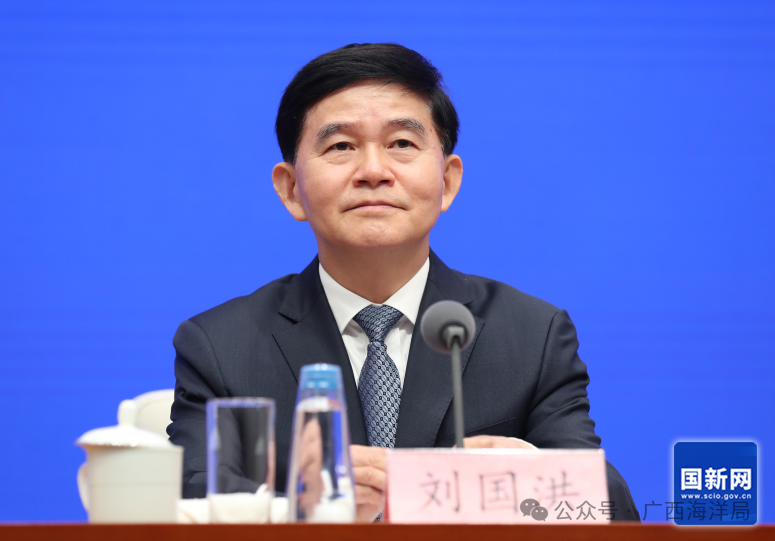
自然资源部党组书记、国家自然资源总督察刘国洪国务院新闻办公室于2026年9月22日(星期二)上午10时举行“开局起步‘十五五’”系列主题新闻发布会,请自然资源部党组书记、国家自然资源总督察刘国洪,自然资源部副部长庄少勤,副部长张文彤,新闻发言人、副部长周星,国家林业和草原局(国家公园管理局)副局长闫振介绍促进自然资源安全高效永续利用有关情况,并答记者问。闪电新闻记者:海洋是高质量发展战略要地,请问,“十五五”时期,自然资源部将采取哪些举措来推动海洋经济高质量发展?谢谢。刘国洪:谢谢您的提问。正如这位记者朋友说的,海洋是高质量发展战略要地。发展海洋经济,是落实习近平总书记提出的建设海洋强国重要指示精神的重要举措。“十五五”时期,我们将加强海洋开发利用和保护,着力推动海洋经济高质量发展。我想从三个方面来给大家作个介绍。第一个是海洋经济在哪里发展?第二个是发展什么?第三个是如何实现高质量发展?第一,解决好在哪发展的问题。要坚持陆海统筹、江海联动来拓展发展空间。大家一听海洋经济,觉得那是沿海的事,其实不尽然,沿海地区是海洋经济发展的主战场,这是当然的,在沿海地区主要是要加快建设海洋强省和海洋经济发展示范区,来推进蓝色海湾、美丽岸滩、和美海岛等行动。内陆地区是海洋经济发展的重要战略腹地,我们可以依托长江黄金水道、西部陆海新通道等等,同样可以发挥内陆地区向海而兴的空间和潜力。比如说,刚刚开通的平陆运河,它就是江海联动的一个战略通道。我们国家西南地区的货物从北部湾出海,不仅大幅降低综合的物流成本,而且拓展了整个区域对外开放的新空间。预计到2030年,全国海洋生产总值将突破13万亿元,刚才周星同志介绍,2025年是11万亿元。我们北部、东部、南部海洋经济圈辐射带动能力、开放水平将进一步得到提升。第二,要解决好发展什么的问题。这里有两个方面:一方面是海洋传统产业潜力巨大,我们将推动渔业、船舶制造、油气勘探、旅游等产业结构优化、转型升级。另一方面,海洋新质生产力前景广阔,我们将进一步壮大海洋生物医药、海洋可再生能源、海水淡化利用等产业。比如说,全球已上市的海洋药物品类当中,我们国家自主研发的占30%左右,像治疗肿瘤、慢阻肺等疾病的一系列海洋生物的新药,已经进入临床试验阶段。预计到2030年,我国海洋生物医药产业增加值将突破1300亿元,较2025年增长三成;海上风电装机容量将实现翻番,达到1亿千瓦。第三,是解决好如何发展的问题,如何实现高质量发展,关键的路径是什么。首先我们要坚持创新驱动,同时要加强政策协同。科技创新是动力,要组织开展深海、极地、海洋资源环境等重大领域的科研攻关,突破一批关键核心技术。最近我们正在加快建设4个国家海洋综合试验场,很多行业都要使用海域来做试验,我们建设综合试验场,是营商环境和营商基础设施建设的重要组成部分,支撑好海洋新型装备的研发。另一方面,政策协同是保障,我们将推动出台促进海洋资源利用、产业发展的激励政策,来大力发展“蓝色金融”,引导更多社会资本、大型企业投向蓝色经济。从今年上半年情况看,我国海洋生产总值达到了5.5万亿元,同比增长5.1%,海洋经济发展开局良好。下一步,我们将持续推动完善海洋开发利用保护的政策,以海洋经济高质量发展来更好支撑海洋强国建设。谢谢!信息来源:海洋知圈整理自国务院新闻办公室官网、自然资源部官微
省地联合举办“生物医药产业高质量发展”专场服务活动 来源:浙江省药品监督管理局办公室 日期:2026-09-22 09:00:58 浏览次数:146 字体:[ 大 中 小 ] 为进一步纾解医药企业发展痛点难点,赋能产业提质增效,近日,省药监局联合金华市、东阳市市场监管局,在东阳开展“生物医药产业高质量发展”专场服务活动。 活动面向金华市药品生产企业,设置了案例分享、互动答疑两大环节。其间,省药监局相关处室、直属单位围绕药品安全生产、上市后变更、生产许可申报等企业重点关切的问题,通过典型案例形式,系统解读最新的法规政策要求;监管部门专家团队现场回应企业在生产过程中遇到的实操难题,精准提供解决方案和整改路径。 此次专场服务活动是2026年浙江省药品安全宣传周系列活动之一,旨在精准对接企业需求,打通服务企业“最后一公里”,持续优化我省医药产业发展环境。

近日,为贯彻落实党中央、国务院决策部署,落实制造强国和健康中国建设战略任务,推动医药工业高质量发展,根据《中华人民共和国国民经济和社会发展第十五个五年规划纲要》,工业和信息化部、国家发展改革委、自然资源部、农业农村部、商务部、国家卫生健康委、应急管理部、国家医保局、国家中医药局、国家药监局等十部门联合发布实施《医药工业发展“十五五”规划》(以下简称《规划》)。《规划》提出以推动高质量发展为主题,以人民健康为中心,以培育发展新质生产力为重点,激活创新核心动力,构筑韧性安全根基,深化数智融合赋能,引领精准诊疗范式,推进效率变革提升,增强价值创造能力,提高普惠可及水平,拓展开放互利合作,为全方位满足全生命周期健康需求、全面推进健康中国建设构筑强大物质技术基础。《规划》提出到2030年的发展目标:生物医药研发应用稳居世界前列,创新驱动效能充分释放,重点领域关键核心技术实现系统性突破,生物医药产业加速成为国家新兴支柱产业。同时,《规划》围绕产业规模效益、创新发展、企业培育与集群发展等方面提出规模以上医药工业企业营业收入、研发投入强度、创新药械上市数量、龙头企业与千亿级园区培育等10项具体指标。围绕主要目标,《规划》聚焦创新驱动、韧性安全、数智转型、精准诊疗、效率提升、价值创造、普惠健康、开放共赢等八个方面提出25项重点任务。同时,从加强统筹协调、优化审评审批机制、完善价格支付及使用政策、加强医药健康产业科普宣传、强化人才支撑、发挥行业组织作用等方面提出相关保障措施。关于印发《医药工业发展“十五五”规划》的通知工信部联规〔2026〕210号各省、自治区、直辖市、计划单列市及新疆生产建设兵团工业和信息化、发展改革、自然资源、农业农村、商务、卫生健康、应急、医保、中医药、药监主管部门:现将《医药工业发展“十五五”规划》印发给你们,请结合实际,认真贯彻实施。工业和信息化部国家发展改革委自然资源部农业农村部商务部国家卫生健康委应急管理部国家医保局国家中医药局国家药监局2026年8月28日医药工业发展“十五五”规划为贯彻落实党中央、国务院决策部署,落实制造强国和健康中国建设战略任务,推动医药工业高质量发展,根据《中华人民共和国国民经济和社会发展第十五个五年规划纲要》,制定本规划。一、总体要求坚持以习近平新时代中国特色社会主义思想为指导,深入贯彻党的二十大和二十届历次全会精神,认真落实四中全会部署,完整准确全面贯彻新发展理念,加快构建新发展格局,锚定基本实现新型工业化目标,统筹发展和安全,以推动高质量发展为主题,以人民健康为中心,以培育发展新质生产力为重点,激活创新核心动力,构筑韧性安全根基,深化数智融合赋能,引领精准诊疗范式,推进效率变革提升,增强价值创造能力,提高普惠可及水平,拓展开放互利合作,为全方位满足全生命周期健康需求、全面推进健康中国建设构筑强大物质技术基础。到2030年,生物医药研发应用稳居世界前列,创新驱动效能充分释放,重点领域关键核心技术实现系统性突破。全产业链数智赋能成效彰显,精准医药体系高效助力重大疾病综合防治。要素协同生态日趋成熟,产业发展空间不断拓展。生产供应保障坚实有力,核心竞争力与国际影响力大幅跃升,深度嵌入全球医药创新协作网络。生物医药产业加速成为国家新兴支柱产业,持续守护增进人民生命健康福祉,有力支撑制造强国、健康中国战略落地实施,为筑牢国家安全屏障、携手构建人类卫生健康共同体贡献坚实产业力量。二、重点任务(一)引领产业向新向优,锻造创新驱动新引擎1.增强原始创新能力。聚焦重大传染病、重大慢性病、罕见病、儿童用药等重点领域,强化企业创新主体地位,加快推动我国创新药械研发向首创性、突破性、颠覆性升级。支持医药工业企业瞄准医药前沿科技,开发一批新靶点、新机制、新药物类型的首创新药(FIC)和同类最优药物(BIC)。加快研发应用一批前沿性、引领性高端医疗器械。专栏2 重点创新领域和产品1.化学药新靶点和新作用机制药物。重点开发针对传统不可成药靶点的干预药物,基于基因组学、蛋白质组学、空间组学等新靶点药物,针对重大疾病相关宿主因子的干预药物,变构调节机制药物,表观遗传及转录调控机制药物,RNA功能调控机制药物和微环境重塑机制药物等。新模态药物。重点开发siRNA/ASO等寡核苷酸药物,靶向蛋白降解药物(PROTAC、分子胶),新型多肽及口服环肽药物,多肽偶联药物(PDC),多肽或小分子放射性核素偶联药物等。新型递送系统与成药性优化技术。重点开发脑靶向化学药物递送系统,病理微环境响应型递送系统(pH、酶特异性释放)等。重点发展脂质体和聚合物纳米粒等纳米药物技术,口服吸收增强技术和缓控释及长效化技术等。2.中药中药新药。针对中医具有优势的疾病领域和环节,加大创新药开发力度,将医疗机构制剂或名老中医经验方,通过现代技术赋能,转化为运用现代剂型的创新中药。结合新技术、新方法,重点开发兼具整体调节与靶向干预、组分明确、机制清楚的天然药物。经典名方。以《古代经典名方目录》为基础,开展“药材饮片—基准样品—制剂”全链条研究,开发古代经典名方中药复方制剂。民族药。聚焦藏、蒙、维等少数民族医学特色和优势病种,挖掘民族药特色药材资源与验方,重点开发创新药、特色复方制剂与专科专用制剂。3.生物制品抗体及重组蛋白药物。重点开发针对新靶点的抗体药物及双/多特异性抗体药物,具有增强肿瘤靶向性与免疫激活协同效应的创新产品,长效化抗体及重组蛋白药物,重组融合蛋白药物,重组酶替代治疗用蛋白药物,肿瘤微环境特异性解离遮蔽肽的高靶向性双/多特异性抗体药物,靶向补体系统的抗体及重组蛋白药物等。新一代偶联药物。重点开发双/多特异性抗体偶联药物(ADC),基于新型载荷(含双载荷)、肿瘤微环境特异性释放连接子的高靶向性抗体偶联药物,抗体/蛋白类放射性核素偶联药物(RDC),抗体寡核苷酸偶联药物(AOC)等。细胞与基因治疗药物。针对实体瘤、自身免疫性疾病及遗传性疾病等,重点开发靶向新靶点的新型CAR-T细胞治疗产品、通用型CAR-T细胞治疗产品,体内基因编辑CAR-T细胞治疗产品,多功能诱导干细胞(iPSC)治疗产品等。重点发展用于体内基因递送的腺相关病毒(AAV)载体及用于体内核酸药物递送的脂质纳米颗粒(LNP)等递送系统。新型疫苗。重点开发针对呼吸道合胞病毒(RSV)、带状疱疹等新适应症的mRNA疫苗,替代传统疫苗的基因重组疫苗新品种,联合疫苗,新给药途径疫苗,新疫苗佐剂等。4.医疗器械植介入器械。重点开发降解速率可控的冠脉支架、心脏起搏器、神经介入微导管/微导丝、药物洗脱外周动脉支架等产品。重点发展突破钛合金/氮化钛表面纳米改性、快速精密3D打印等技术,应用于3D打印植入物、组织修复材料等再生医学材料。体外诊断器械。重点发展新型分子诊断、单细胞测序、肿瘤早筛、罕见病基因检测等技术和产品。智能医疗器械。重点发展高端计算机断层扫描(CT)、磁共振、多模态AI病理系统等AI辅助诊断产品及关键零部件。重点发展高端放射治疗系统、多模态AI手术导航定位系统、专科化和轻量化微创介入手术机器人等治疗设备。重点发展AI驱动的闭环胰岛素泵、无创连续血压/血糖监测设备、多参数居家心衰管理系统等家用医疗器械。重点发展外骨骼机器人、脑机接口驱动外骨骼、AI步态分析系统等康复医疗器械。2.充分发挥产业创新平台作用。支持医药工业企业与国家实验室,以及国家技术创新中心、国家制造业创新中心、国家产业技术工程化中心、国家临床医学研究中心等创新载体深化合作,加强临床应用验证与评价,贯通医药基础研究与成果转化。发展专业化医药服务型制造,加强医药研发及生产服务平台建设,加速新型抗体药物、偶联药物、小核酸药物、多肽药物等新模态药物关键技术验证、转化与产业化应用。加强新发突发重大传染性疾病疫苗和治疗药物的技术储备。3.积极培育壮大创新药械产业。聚焦肿瘤、自身免疫性疾病、代谢性疾病、心血管系统疾病、神经系统疾病等重点领域,加大创新药械研发、生产、应用推广力度,加速形成一批拉动产业规模扩容的重磅产品。搭建儿童、老年、罕见病患者等人群用药供需对接平台,加快推动适宜剂型、规格的产品研发应用。鼓励开展真实世界研究用于药品全生命周期评价,加强临床综合评价力度,加强评价结果分析转化。4.加快布局前沿技术和产品。强化跨学科交叉融合与前沿技术供给,支持医药工业企业、高校、科研院所、医疗机构等联合攻关。加快人工智能、量子计算、超级计算、计算医学等新技术赋能药物研发,探索超限制造、太空制药、生物制造等药械生产新模式,深化基因编辑、分子精准递送、细胞编程与调控、先进组学、新一代脑机接口等前沿技术应用,突破人工生命体系合成、类器官与器官芯片、通用型细胞治疗、复杂再生器官、诊疗一体化放射性药物、异种移植器官等关键技术,培育若干新增长点。专栏3 重点前沿技术1.基础研究阶段。量子生成式AI药物分子设计技术、生物大分子结构—序列双模态预测技术、RNA三维结构预测与功能解析技术、DNA数字存储技术、医药领域全场景数字孪生技术、基于精准基因编辑的中药育种技术、生物分子相分离与凝聚体靶向干预技术、新型基因编辑系统开发及体内递送技术、仿生纳米疫苗技术、微环境响应型遮蔽肽与前药激活技术、低丰度高纯度医用放射性前置核素提取及纯化技术等。2.技术转化阶段。基于多组学大数据的临床队列数据分析与药物靶标发现技术、AI驱动的类器官/器官芯片药物评价技术、珍稀濒危药用资源生物替代技术与可持续利用技术、基于中医药“证候”动态演化的精准药效评价技术、中药多靶点作用机制的时空动态解析技术、中药和天然药物活性分子高效发现技术、基因治疗病毒载体规模化制备技术、大分子偶联降解剂技术、人诱导多能干细胞衍生细胞药物技术、大功率多核素靶系统技术等。3.产业熟化阶段。协同催化合成技术与连续流生产技术、药物共晶与晶型工程技术、RNA药物(mRNA、siRNA、ASO)化学修饰技术、合成生物学驱动的天然药物规模化生产技术、全自动高灵敏分子诊断技术、β核素放射性药物自动化合成与GMP生产技术、创新性α类放射性药物全流程质量控制与评价技术、原创性放射性药物化学标记与生物评价技术等。(二)着力强基础扬优势,构建韧性安全新体系5.夯实产业基础。完善医药产业链供应链安全风险评估和应对机制,加强对重点产品、产业链关键环节监测预警。支持相关医药工业企业开展上下游协同攻关,突破药用辅料、高端制药设备及耗材、仪器试剂、原材料和工业软件等环节关键技术。加强产业中试平台建设,加速科技成果转化与技术迭代升级,贯通创新产品技术研发、功能验证与规模化应用。支持建设生物信息中心、生命健康大数据产业基础设施等关键数据平台。专栏4 产业基础技术和产品1.高端药用辅料与包装材料高端药用辅料。重点发展口服缓控释制剂用骨架材料、新型刺激响应与主动靶向新材料、生物药及核酸药物等高端制剂专用药用辅料、新型透皮制剂辅料、吸入制剂药用辅料、中药特色辅料等。医药包装材料。重点发展环状聚烯烃(COC、COP等)、含氟聚合物覆膜材料、热缩性弹性体(TPE)等材料,适合传统中药制剂的包装材料和形式、自我给药装置、可穿戴医药包装与装置、铝/玻璃等药品容器/组件的内/外喷涂及表面处理材料等。2.原材料高端植介入医疗器械原材料。重点发展医用级聚氨酯、聚四氟乙烯、聚醚醚酮、聚砜/聚醚砜、钛镍超薄带材/丝材、铂合金丝材、锆铌合金、可降解医用镁合金/锌合金、高纯氧化锆、亲水润滑涂层/抗菌涂层/抗凝涂层等。生物药生产用原料及耗材。重点发展新型无血清培养基、不同类型生物制品分离纯化用层析填料,深层过滤、超滤、纳滤等膜过滤材料等。3.生产工艺系统原料药及制剂生产工艺系统。重点发展微通道反应器、核酸合成仪、新型结晶器、高密闭性隔离器、膜分离系统、高端生物反应器及核心部件、碟片离心机、全自动一次性层析/多柱连续层析系统、微纳米制剂和透皮贴片等高端制剂生产设备、高速无菌吹灌封(BFS)一体化生产线等。医疗器械生产工艺系统。重点发展高端五轴联动加工中心、介入器械专用四轴精密成型机床、3D生物打印定制装备、表面改性专用等离子喷涂设备、微流控芯片精密刻蚀机、高精度光学装调与检测系统等。4.医药工业软件药物研发类。重点发展实验室信息管理系统、计算机辅助药物设计、人工智能药物发现与设计等。生产控制类。重点开发与药品生产质量管理规范(GMP)相结合的制造执行系统、高级计划与排程系统、过程分析系统,数据采集与监控系统、分散控制系统等工业控制系统。质量保障类。重点开发药品和医疗器械质量管理系统、质量回顾系统、电子批记录系统、工艺趋势预测和偏差分析系统等。6.巩固竞争优势。实施专利过期药物高效替代行动,推进通用名药(即仿制药)、生物类似药系统开发和推广应用,支持新技术、新剂型、新工艺快速迭代升级,大幅提升高价值临床用药可及性。增强化学原料药市场竞争力和产业控制力,提高连续化、智能化、绿色化生产水平。支持中药工业企业加强传承创新,强化中药大品种的质量优势和品牌优势。积极发展创新中药,健全符合中医药规律特点的评价体系,畅通经典名方、医疗机构制剂向规模化产品转化路径。专栏5 优势工艺技术1.原料药绿色生产技术。重点发展酶催化、电化学反应、光化学合成、生物合成、连续合成等技术,贵金属催化剂替代或再利用技术,有毒有害、高VOCs含量、高光化学反应活性原料替代技术,废水高级氧化、膜生物反应等处理技术,高浓度难降解废水处理技术,挥发性有机废气高效处理技术,废液废渣资源化、无害化处理与评价技术等。2.中药关键技术工艺。重点发展濒危药材人工繁育、中药材品种选育、中药材生态种植养殖、中药炮制智能制造、中药连续制造、中药全产业链质量控制等技术。突破天然活性分子成药性优化技术、中药复方物质基础解析、质量标志物识别、质量—药效关联评价及批间一致性控制技术等。3.高端化学药复杂制剂工艺。重点发展脂质体靶向递送、微球/植入剂长效缓释、纳米晶增溶、透皮微针、刺激响应性释药、口服缓控释、黏膜给药、3D打印制剂、连续化智能制造等工艺。4.高端生物药制备工艺。重点发展细胞株构建、灌流培养、连续流层析、病毒载体生产、ADC定点偶联、小核酸药物肝外靶向递送、mRNA-LNP包封、CAR-T扩增、全封闭自动化细胞处理、环状RNA制备、外泌体递送等工艺。5.医疗器械先进制造工艺技术。重点发展医疗器械超精密微纳加工、介入产品一体化成型、仿生结构高精度复刻等核心制造工艺,高生物相容性表面改性、抗凝血与抗感染涂层制备等功能化处理工艺,突破微创介入器械柔性成型、薄壁管材高精度拉拔、复杂内腔精密抛光等工艺瓶颈。7.培育发展新动能。打造生物类似药、多肽药物、小核酸药物、高端制剂、体外诊断产品等重点优势产业链。推动重点品种产业化,培育细分领域国际龙头企业,推动形成若干产业集群。鼓励医药工业企业聚焦缓控释、靶向给药、新给药途径等高端制剂,打造一批市场认可度高、临床价值突出的卓越产品。加快体外诊断产品迭代升级,拓展应用场景,完善检验检测服务体系。(三)持续提质增效赋能,树立数智转型新标杆8.深化人工智能赋能升级。支持医药工业企业联合医疗机构、科研院所、医药研发服务机构建设医药行业高质量数据集,打造医药健康可信数据空间,促进医药健康数据流通和使用,加快研发医药垂类大模型与智能体。围绕药物发现、临床研究、工艺优化、质量管理、流通使用、智慧监管等环节,打造AI制药高价值应用场景,加速人工智能驱动的医药研发和生产管理范式变革。9.推动数智化转型。以高价值应用场景为切入点,推动医药数智化系统解决方案及技术产品协同攻关,加速检测用高端传感器、在线分析仪等核心零部件产业化。强化标准规范引领,健全数智化转型公共服务体系,依托医药工业数智化转型促进中心、制造业数字化转型促进中心等服务平台,推进共性技术攻关和推广应用,面向全行业提供软硬件适配验证测试、计算机化系统验证(CSV)等技术服务,加快提升医药工业企业质量管理水平和发展效能。10.加快绿色化提升。鼓励医药工业企业运用大数据、人工智能、工业互联网等技术,加强药品生产全过程能源资源利用精准监测与智能调控,持续提升数字化绿色化协同发展能力。引导医药工业企业落实绿色工厂、绿色园区和绿色供应链创建要求,鼓励原料药等领域开展碳足迹评价。支持涉及易燃易爆危险化学品和爆炸性粉尘的医药工业企业加快数字化改造,提升本质安全水平。专栏6 AI制药高价值应用场景培育1.智能靶点筛选与药物发现。重点开发应用AI赋能靶点筛选、药物分子设计与优化、化合物虚拟筛选、候选药物特性分析、动物模型数据挖掘、中医药人用经验数据挖掘和决策模型研究、实验室数据集成管理、辅助临床试验方案审评与科学评估等应用场景。2.智能制药与质量管理。重点开发应用一批基于AI技术的制药全流程数据自动采集与全流程追溯系统,开发面向关键质量属性的实时预警与闭环控制AI智能化平台。3.智能医药使用及健康管理。重点开发应用一批智能用药指导与处方辅助审核场景,结合数字孪生与AI预测模型,探索建立高仿真虚拟患者模型与疾病演进模型体系,赋能临床诊疗、真实世界研究与个性化健康管理应用。4.智慧药械生产流通监管。重点开发应用“两品一械”(药品、化妆品和医疗器械)审评审批检查大模型与智能体,高效赋能产品智能分类、任务分配、资料审查、知识检索、问题识别、报告生成及制证送达等高频业务场景。整合研发、生产、流通、使用等全生命周期数据,实现药械产品质量安全全程受控。5.智能真实世界研究及上市后评价。建设真实世界数据研究与应用平台。支持利用人工智能等技术,系统、规范收集药械临床真实世界应用数据,纳入可信数据空间进行深度关联和挖掘分析,为依法依规开展产品全生命周期临床评价提供支持。(四)顺应技术演进态势,培育精准诊疗新范式11.发展精准预防药械产品。推动基因检测、生物遗传技术与疾病预防体系深度融合。支持医药工业企业开发新型疫苗、精准营养素、靶向干预产品及智能化预防方案,完善产品研发和生产质控体系。加强需求牵引,推动强化遗传病、出生缺陷、肿瘤、心血管疾病等重大疾病早期筛查预防,引导医药工业企业与健康管理专业机构合作,加大健康管理相关产品开发力度。12.壮大精准诊断产业规模。重点发展高通量基因测序、微流控、高灵敏生物检测等技术,推动体外诊断、医学影像、病理诊断、分子诊断、多组学检测等领域融合升级,加快创新诊断产品产业化。完善精准诊断产品质量控制、临床评价及标准体系。推动有条件的医疗机构发展精准诊断中心,加强与相关企业合作,促进诊疗数据互联互通、共享共用,加快精准诊断技术与数字健康、人工智能深度融合,提升罕见病、肿瘤、遗传病等精准诊断水平。专栏7 精准医药重点技术和产品1.肿瘤精准早筛和诊断产品。重点发展基因组、代谢组、蛋白组等多组学联合检测,聚焦多癌种早期筛查,突破数字液体活检、甲基化检测等关键技术的普适化瓶颈,提升早期检出率。重点发展肿瘤分子分型及特异性靶点检测产品,推动基于循环肿瘤DNA(ctDNA)、循环肿瘤细胞(CTC)、外泌体等多靶标联合检测技术的临床应用。重点发展AI辅助影像诊断与多模态影像融合技术,实现病灶精准定位和性质鉴别。加强核医学分子影像探针研发,开发新型正电子发射断层显像(PET)和单光子发射计算机断层显像(SPECT)示踪剂,推动核素诊疗一体化产品的开发与应用。2.重点慢性疾病精准诊断产品。针对心脑血管、代谢异常、神经退行性等慢性疾病早期发现与精准诊断,重点开发基于微针传感、汗液传感等新型在体检测技术,实现生理指标的连续、无创监测。重点开发血脂精准分型检测产品及易感基因检测产品,聚焦帕金森病、阿尔茨海默症等神经退行性疾病,发展基于生物标志物的靶向干预产品与早期筛查技术,实现早预警、早干预。3.母婴与儿童精准检测产品。重点开发NIPT2.0(新一代无创产前筛查技术)、遗传病携带者筛查产品及广谱预防型疫苗,推动新一代基因测序产品在出生缺陷防控领域的应用。发展基于高通量测序技术的单基因遗传病无创产前检测新方法,扩大筛查病种覆盖范围。开发针对新生儿遗传代谢病、基因缺失性疾病等重点出生缺陷疾病的快速精准检测产品,实现遗传病精准诊断与早期预防,降低出生缺陷风险,提升母婴健康保障水平。4.公共卫生感染精准预防与诊断产品。重点开发感染早期预警与免疫干预产品,构建公共卫生防控体系,提升对传染病、感染性疾病的全链条防控能力。重点发展即时检测(POCT)产品,突破核酸快速扩增、微流控芯片、CRISPR等病原体精准识别核心技术,实现现场快速检测。开发普适化多病原体联检产品及耐药基因快速检测产品,提升新发突发传染病的早期发现与快速响应能力。13.构建精准治疗产业生态。支持医药工业企业向“检测—诊断—治疗”全链条延伸,建立基于靶点、分型的精准治疗产品组合。鼓励医药工业企业与医疗机构、科研院所等加强产学研用协同合作,加快重大疾病领域靶向药物、抗体药物、细胞与基因治疗药物、创新中药制剂及微创介入器械等精准治疗产品的研发与产业化。(五)释放要素生态潜能,实现效率提升新突破14.畅通临床高效转化通道。支持医药工业企业联合高校、科研院所和医疗机构组建转化医学联合体和临床资源共享网络,推动靶点发现、药物筛选与临床需求高效衔接。依托重点园区布局转化医学中心和非临床研究平台,提供药效评价、毒理研究等服务。支持研究型医院牵头建设高水平临床试验机构,优化临床试验方案和伦理审查等相关流程,进一步压缩临床试验启动周期。支持推行统一的医院信息系统(HIS)标准,鼓励临床试验数字化改造与审评、检查联网。支持企业建设技术转移机构和专业化服务团队,提升创新成果由实验室向临床阶段转化效率。15.完善工程化高效放大体系。聚焦抗体药物、重组蛋白药物、细胞与基因治疗药物等领域生产工艺验证需求,支持医药工业企业和专业机构建设概念验证、中试验证平台。鼓励第三方机构建设中试车间,向中小企业开放关键设备与生产线资源。支持医药工业企业围绕细胞培养、纯化分离、制剂工艺等关键环节开展工艺优化与放大验证,提升产品稳定性和批次间一致性。引导上游设备、原辅料企业与制药企业协同攻关,提升工程化放大和规模生产支撑能力。16.打造产业高效协同格局。充分发挥龙头医药工业企业引领作用,带动中小企业专精特新发展,培育细分领域制造业单项冠军企业。鼓励通用名药、生物类似药、原料药生产向具备规模优势、生产质量水平领先的企业集中。依托重点园区推动研发、中试和生产功能集聚布局,建设公共服务平台和专业化孵化载体,为中小企业提供检测认证、注册申报等服务。开展国家高新区新赛道培育行动,培育一批生物医药重点新赛道。推动京津冀、长三角、粤港澳大湾区等区域形成世界级医药产业集群,建设若干国内一流和特色突出的医药产业集聚区,提升产业整体效率和规模化发展水平。发挥沿海地区资源优势,统筹加强“资源链+科技链+产业链+应用链”全链条创新体系建设,打造海洋药物和功能制品产业集群。专栏8 优势产业集群培育1.京津冀及其他环渤海地区生物医药产业集群。立足北京、天津、河北、山东、辽宁等环渤海省份资源禀赋的互补优势,构建“京津研发策源、区域协同转化、腹地规模制造”的产业新格局,重点发展小分子创新药、细胞与基因治疗、高端医疗器械、脑机接口、现代中药、高端原料药、海洋药物及高端医药服务型制造等领域。2.长三角创新药械产业集群。发挥长三角地区药物研发和临床资源丰富、制造体系完备等优势,挖掘发展潜力,形成高效协同,打造全球创新药械首发地、科学家创业首选地,实现全球首创、中国首发、临床首用创新产品持续涌现。加快发展小分子创新药、新型抗体、细胞与基因治疗、高端医疗器械等。加快发展重组蛋白药物、高端原料药、药用辅料等。加快发展海洋药物和功能制品、放射性药物等。3.粤港澳创新药械产业集群。依托产业集群优势、“港澳药械通”等制度优势、粤港澳三地联动及大湾区国际资源汇聚的开放合作优势,建设全球知名的高端医疗器械研发中心和国内领先、国际一流的医药产业集聚发展高地,重点发展高端医疗器械、高端原料药、创新药、脑科学与脑机接口产品、现代中药、海洋药物和功能制品等。4.成渝生物医药产业集群。立足成渝地区双城经济圈生物医药资源互补、产业协同优势,发挥成都前沿研发与临床转化、重庆高端器械制造与物流枢纽的双核联动作用,形成“成都研发、双城制造”的协作格局,重点发展抗体药物、基因治疗、高端影像设备、核医药、现代中药及CXO服务平台等细分领域。5.中部医药制造产业集群。依托长江中游城市群与中原城市群的区位交通、产业基础与成本优势,综合发挥化学药、中药、生物制品、医疗器械制造集聚区和医药物流中心的辐射带动作用,深化“研发—制造—流通”全链协同。重点发展高端原料药、高端化学制剂、血液制品、医疗器械、医用耗材、现代中药及医药冷链物流等。6.边疆地区中药(民族药)产业集群。发挥西藏、内蒙古、新疆、云南、广西、海南、吉林等在药材种植、民族医学与特色诊疗等方面的特色优势,强化“资源保护—标准制定—品牌培育—跨境合作”全链条建设,形成“药材道地化、生产标准化、应用国际化”的融合发展格局,打造一批高标准中药原料生产基地、民族药传承创新转化基地,重点发展高品质中药饮片、民族药独家品种、药食同源健康产品、热带海洋药物等。(六)推动量质协同跃升,拓展价值创造新空间17.深化医药工业健康价值。发挥产业溢出效应,构建医药健康产业生态圈。积极推动医药工业与健康养老、健康旅游、慢病康养、健身休闲、健康食品等融合,催生医药健康新产品、新业态、新模式。支持医药工业企业布局药食同源产品、智能健康穿戴设备、保健食品、特殊医学用途配方食品等健康消费品。推动跨界新技术在健康管理相关场景应用,发展远程医疗、个性化健康管理等服务。支持零售药店扩展专业服务、健康促进等功能,打造更好服务群众的“健康驿站”,拓展多元化健康消费市场。挖掘中药资源优势,围绕抗衰老、养老护理、康复、健康管理等需求,开拓中医药新消费场景。18.提升医药工业社会价值。加快慢性病、传染病、老年病、罕见病等领域创新药械推广应用,强化全生命周期健康防护产品供给和重点人群健康保障。大力发展智慧健康服务,强化职业人群健康防护与健康干预。提升生物安全管控能力,指导医药工业企业完善安全管理体系,分级分类强化风险评估、风险辨识、风险预警,支持医药工业企业开发应用先进技术工艺,提升安全保障水平。19.培育医药工业文化价值。推动中医药文化传承创新,加强中医药古籍整理与经典名方开发,展示中医药传统文化与发展成就。鼓励中药原料生产基地、中药企业开展农文旅融合的科普研学活动。培育现代医药产业文化,开发权威科普资源,强化公众对医药产业创新、科技创新的认知与了解。提升文化软实力,推动医药文化融入国民教育,在中小学开展中医药文化、生命科学教育,支持医药题材文艺创作,讲好医药领域中国故事。(七)优化生产保供效能,筑牢普惠健康新基石20.完善多元保障体系。加强重点药品生产供应信息监测,健全重点医药物资生产保供体系。强化常见病、慢性病等非处方药推广应用,重点加强儿童、老年、罕见病患者等人群用药保障。健全国家医药储备管理体系,科学调整储备品种、规模和结构,充分发挥产能储备和技术储备效用。21.强化基本药物与医疗器械优质供给。深入实施制造业卓越质量提升工程,引导医药工业企业参与制造业企业质量管理能力评价,提升企业质量管理能力。加强药品与医疗器械质量提升与全生命周期监管,支持医药工业企业落实新修订药品生产质量管理规范(GMP)相关要求,提升我国药品整体质量水平。围绕基本医疗服务需求,持续提升超声诊断仪、生化分析仪、心电图机等医疗器械的性能品质。动态优化基本药物目录,优先增补临床必需、安全有效、价格合理的品种。22.持续提升用药可及性。充分发挥全产业链成本效率优势,持续提高通用名药、生物类似药、创新药、医疗器械等统筹供应能力。强化国际供需对接,支持疫苗、诊断试剂、抗感染药物等重点产品纳入世界卫生组织(WHO)预认证和全球采购体系。加强国际医药供应协作,提升突发疫情、重大灾害等场景下的医药产品快速调配与供应能力。加强国际医药援助,支持发展中国家提升疾病防控和医疗救治能力。专栏9 重点医药物资保供效能提升1.重点人群用药生产供应保障罕见病药物开发应用。针对血友病、白化病、渐冻症、苯丙酮尿症、线粒体病、多发性硬化病、肺泡蛋白沉积症、库欣综合征、戈谢病、庞贝病、黏多糖贮积症等罕见病,全力推动细胞治疗、基因治疗、小核酸药物、多肽药物、生长抑素类似物等前沿技术攻关,加快罕见病诊疗药物创新研发和转化应用。儿童用药适宜剂型和适配规格开发。针对儿童的生理特点和药物接受度,研发口服制剂、经皮给药制剂、鼻腔给药制剂、吸入制剂、直肠给药制剂等儿童适宜剂型、适配规格及专用辅料。2.储备管理产能储备。根据供应保障需求,结合实物储备规模及产品属性、生产周期、安全属性等,制定国家医药储备应急保供生产企业名单,推动产能储备建设。技术储备。针对未知疾病风险、新发突发传染病防控、重大突发事件保障等场景,制定国家医药储备战略前沿技术目录,加强医药技术储备。(八)深化国际产业合作,塑造开放共赢新格局23.增强产业竞争力。加快构建化学原料药、高端制剂、疫苗、抗体药物、中药、医疗器械等领域优势。完善医药领域跨境技术与服务体系,提升面向国际市场的全链条医药研发生产服务(CRO/CDMO)专业能力。支持国内企业通过共同研发、共同商业化等方式积极参与全球医药创新分工合作,强化知识产权保护与运用,助力创新药械走向国际市场。加强药品监管国际合作,推动国内外监管规则、标准等有效衔接,强化监管协调,提升我国医药产品的国际认可度与影响力。24.提升产业合作能级。加快打造医药健康产业合作生态,加强与共建“一带一路”国家合作,以医疗领域国际交流带动国产先进诊疗技术、药品和医疗器械推广使用。强化海外发展布局指引,鼓励行业协会、专业服务机构等拓展研发、注册、融资、生产等海外服务网络。支持医药工业企业开展创新药国际多中心临床试验和国际注册,拓展海外研发中心、生产基地和销售网络。25.提高市场吸引力。以国内大市场吸引国外医药企业扩大在华业务,加大投资力度,开展从产品研发、临床转化到生产制造的全链条布局。发挥自由贸易试验区、海南自由贸易港、粤港澳大湾区等政策优势,探索跨境数据流动、跨境监管协作等制度创新,构建高效便捷的跨境医药服务体系。加速临床急需进口药械上市并引进在境内生产,带动高端原辅料、设备耗材、仪器试剂等配套产业链发展。支持有条件的地方加快推进国际化创新合作枢纽建设,扩展国际创新合作的深度和广度。三、加强组织实施发挥相关部际协调机制作用,统筹战略规划、重大项目、重大工程、支持政策等,推动产业、科技、监管、医疗、医保、金融、人才等政策协同。做好规划实施情况动态监测、评估等工作。优化审评审批机制,建立健全与我国医药研发生产能力相匹配、与国际先进标准接轨的高水平监管体系,运用人工智能等技术提升智慧监管水平。完善价格、支付及使用政策,落实好全周期药品价格形成机制,大力发展商业健康保险。加快临床急需的创新药械入院应用,优化进院流程与激励措施,支持各地开展医疗机构与医药工业企业对接活动,促进更多创新药械及时惠及临床患者。加强医药健康产业科普宣传,支持行业组织与相关媒体深度合作,联合打造面向公众的专业化、多元化、立体化的产业科普传播矩阵,提升公众医药健康素养。强化人才支撑,加强“高精尖缺”医药人才引进,依托国家学院、国家卓越工程师实践基地和学院等加强复合型人才培养。发挥行业组织作用,加强行业自律管理,规范医药工业企业生产经营管理行为,实现有序竞争、集约发展,提升品牌影响力。(来源:工业和信息化部消费品工业司)
江苏省“十五五”海洋经济发展规划于2026年9月正式印发,锁定2030年海上风电1800万千瓦、船舶海工增加值年均增速超6.5%等量化目标。规划以“拓域深蓝”替代“深耕蓝海”,传统产业绿色转型与深远海装备突破构成双主线,江海联动机制将重塑沿江沿海产业分工。一个被低估的沿海大省,正在重新定义自己的“海”,万亿之后,江苏海洋经济靠什么翻番?2025 年,江苏海洋生产总值达到10843.8 亿元,同比增长6.7%,占全省 GDP 比重7.6%。不过,真正值得关注的是结构:海洋服务业增加值 5608 亿元,占据半壁江山,三次产业结构呈现“三二一” 格局。这也代表着江苏海洋经济早已越过“靠捕捞和造船撑场面”的阶段。2026 年 9 月 6 日,江苏省政府办公厅印发《江苏省 “十五五” 海洋经济发展规划》,把 2030 年的目标锚定在一个更具进取性的坐标上:海洋生产总值年均增速高于 GDP 增速一个百分点,省级以上涉海科技创新平台超过 25 家,海上风电累计装机容量达到 1800 万千瓦。可以说是一份从“滨江达海” 转向 “拓域深蓝”的路线图,其产业逻辑也值得逐层拆解。 传统产业的“焕新”不是修饰词,是生存命题规划对海洋渔业的表述出现了一个转向:从“稳产保供” 升级为 “蓝色种业全链条”。具体动作包括建设省级特色优势苗种中心、构建“原种保育 — 良种选育 — 智能培育 — 产业兴育”的链条。这个提法的产业含义比字面更重,江苏海水养殖产量106.4 万吨,海洋渔业增加值316.1 亿元,体量不算小。但真正搅动格局的是“苏海 1 号”—— 全球首艘 10 万吨级三文鱼养殖工船,2025 年 12 月从连云港赣榆港区出发,2026 年 6 月在威海海域完成首捕,近 40 万尾三文鱼在船上完成从鱼苗到成鱼的全程养殖。这艘船搭载封闭式养殖舱和深层取水系统,能主动追踪黄海冷水团的低温海水,把“靠天吃饭” 变成 “逐水温而居”。“苏海 1 号” 的产业信号也很明确:深远海养殖的装备门槛一旦跨过,种苗、饲料、加工、冷链的配套需求会以指数级释放。规划中“推进大型养殖工船、海上加工船建设”的表述,对应的是一个正在成型的装备制造与服务市场。造船业的转型同样如此。据江苏省自然资源厅数据,江苏造船三大指标占全国比重分别为44.8%、29.7%、39.0%,出口规模全国第一。但规划的重点不在规模,而在“清洁燃料动力技术” 和 “高附加值船舶”。LNG、甲醇、氨、氢燃料船舶的研制被单独列出。规划明确要求“船舶与海工产业增加值年均增长率超过 6.5%”,这个数字对应的不是产能扩张,而是价值跃升—— 传统造船的产能过剩是结构性的,绿色船舶的产能短缺同样是结构性的。 海上风电的 “第二曲线”:运维、制氢与融合场景江苏海上风电累计并网容量1349 万千瓦,占全国近 30%,盐城一市独占720 万千瓦以上。这个数字让江苏稳坐头把交椅,但也意味着近海优质风场的开发空间正在收窄。规划对此的回应非常清晰:向深远海要增量,向融合场景要附加值。“发展近海抗台型、深远海漂浮式风电机组”“突破深远海智能风电装备技术”被写入产业任务,同时明确“建设海上风电运维母港,培育‘一站式’运维保障体系”。到 2030 年,海上风电累计装机容量目标锁定1800 万千瓦,意味着 “十五五” 期间仍有约450 万千瓦的增量空间,且重心必然向深远海迁移。运维这个赛道容易被低估。当一座风场的装机规模达到百万千瓦级,其全生命周期的运维支出会形成稳定且可预测的现金流。江苏规划中的“深远海风电 +” 智能融合平台,本质上是把风电从“发电资产” 重新定义为 “能源基础设施平台”。更值得关注的是“海上风电 + 海水制氢”的提法。规划将海上风电制氢、太阳能海水制氢、深远海碳封存并列为关键技术攻关方向,并明确提出“探索‘风光 + 氢、甲醇、液氨’等多种能源集成方式”。这个组合的产业逻辑是:深远海风电的电力输送成本随距离递增,就地转化为氢或氨再运输,可能是比海底电缆更经济的方案。 海洋新兴产业的 “窄门”:谁在跨过从技术到产品的最后一公里规划对海洋药物和生物制品业的表述密度很高,核心动作是“推动‘蓝色药库’建设”“建设海洋生物医药中试平台和海洋生物基因种质资源库”。海洋生物医药的产业痛点从来不在实验室,而在从活性分子到药品的转化链条。江苏 2025 年海洋药物和生物制品业增加值87.5 亿元,增速10.2%,位列全国第四。体量尚小,但增速和位次说明底子不薄。规划中“中试平台”的反复出现,指向的正是最容易断裂的环节 —— 没有中试能力的生物医药集群,本质上只是论文的高产地。海水淡化与综合利用业的表述更有意思。“探索‘风光储 + 海水淡化’零碳新模式”被写入规划,配套的是“反渗透膜及组件、成套设备集成”等核心环节的自主化目标。这个产业的商业模型依赖两个变量:能源成本和水资源定价。江苏把海水淡化与新能源绑定,实际上是在用绿电的边际成本优势重构海水淡化的成本结构。 空间格局:谁在 “领任务”,谁在 “接外溢”规划的空间格局表述是“江海联动、三城多区、拓域深蓝”。三城 —— 连云港、盐城、南通—— 各有明确的产业分工。连云港的定位是“彰显山海特色的现代海洋城市”,重点在海洋装备、生物医药和南极磷虾产业链。 盐城被赋予“国际湿地特色”,海上风电运维和“以绿制绿”的零碳园区模式是核心抓手。 南通则是“富有江海特色的现代海洋城市”,船舶海工总装集成与深海产业体系是主攻方向。沿江城市的角色被定义为“涉海科创资源向沿海辐射”。这个提法的潜台词是:南京、苏州、无锡的海洋科技资源不再只是 “涉海”,而是被明确要求向沿海三市输出转化。规划甚至具体点出了“支持南京将海洋科技研发作为区域科技产业创新中心建设重点内容”“支持苏锡常三市共建太湖湾科技创新圈”等操作路径。产业集聚区的名单也值得细看:如东洋口港海工重装产业园、启东海工船舶工业园、海门豪华邮轮装备产业园、连云港南极磷虾产业园、大丰海洋生物产业园、射阳风电产业园…… 这份名单的产业指向性极强,每一个集聚区都对应一条明确的产业链环节,而不是笼统的“海洋产业”。机会清单:从政策语言到商业行动海经社判断:这份规划最值得涉海企业决策者关注的,不是某个具体赛道的规模数字,而是政策工具正在从 “给补贴” 转向 “给场景、给标准、给中试能力”。理解这一底层逻辑切换,才能读懂下面五条机会线的真实含金量。绿色船舶与核心配套:LNG、甲醇、氨燃料动力系统的国产化替代,液货维护系统、LNG 蒸发器等核心部件的自主突破。船舶与海工产业增加值年均增速≥6.5% 的目标,意味着价值增量而非产量增量的明确导向。海经社提示,这一增速指标的本质是 “单位吨位的含金量考核”,配套环节的国产替代空间比总装环节更大。深远海养殖装备与服务:“苏海 1 号” 验证了游弋式养殖工船的技术可行性,配套的苗种培育、智能投饲、船岸一体化管控系统存在明确的增量市场。海经社分析认为,工船模式一旦跑通,真正的商业爆发点不在船体建造,而在船岸联动的数据服务与运营托管—— 这是装备制造企业向服务型制造延伸的切口。海上风电运维与融合开发:1349 万千瓦存量装机是运维市场的基础基数,1800 万千瓦的 2030 年目标指向约 450 万千瓦增量,深远海风电和制氢融合是核心方向。运维母港、专用运维船舶、智能监测系统的需求会随装机规模同步增长。海经社观察,规划将 “运维母港” 与 “一站式保障体系” 并提,意味着运维正在从风场附属服务升级为独立的产业基础设施。海洋生物医药中试环节:规划中 “中试平台” 的高频出现,指向一个被长期忽视的产业基础设施缺口。具备海洋活性物质提取、制剂中试能力的主体,可能获得政策与资本的双重加持。海经社研判,中试环节的稀缺性在于它同时卡住了高校成果和药企需求两端,具备平台属性的主体议价能力会持续走强。海洋数据与 AI 应用:“海洋垂域模型”“AI + 海洋”被写入规划,海洋大数据治理、涉海算力交易平台属于早期但明确的制度供给方向。海经社认为,这一赛道的政策信号意义大于短期商业回报,但“绿电 + 冷能 + 储能” 数据中心模式的提出,说明江苏在算力成本结构上已有差异化设计,值得提前布局卡位。往期推荐全国首单船舶转型贷款落地江苏:从造船业“大省”迈向“强省”的转型密钥福建“十五五”海洋经济规划解读:万亿蓝海市场的产业重构与商业机遇浙江“十五五”海洋经济规划出炉,1+5+N链群里的下一个五年机会
为破解海洋中药材因缺乏统一标准而导致资源开发无序、产品质量不稳的产业瓶颈,广西壮族自治区药品监督管理局于2025年在全国率先启动海洋中药材标准制定工作。该项任务由广西药品检验研究院牵头,联合区内多家科研院校协同攻关,历经艰苦科研探索,成功颁布实施涵盖37个特色海洋中药材品种的《广西海洋中药材标准》,为北部湾“蓝色药库”的深度开发和产业升级奠定了坚实的质量基石。

原标题:辽宁举行深入解读《辽宁省“十五五”海洋经济发展规划》和《进一步推动海洋经济高质量发展若干政策举措》新闻发布会2026年8月19日(周三)9时,辽宁省政府新闻办组织召开新闻发布会,邀请省发展改革委相关负责同志介绍解读近日印发的《辽宁省“十五五”海洋经济发展规划》和配套出台的《进一步推动海洋经济高质量发展若干政策举措》有关情况。同时,省科技厅、省工业和信息化厅、省自然资源厅、省交通运输厅、省农业农村厅、大连市海洋发展局相关负责同志也出席发布会,共同解读《政策举措》并回答记者朋友感兴趣的问题。辽宁省人民政府新闻办公室外宣新闻处处长李卉:各位记者朋友:大家上午好!欢迎出席省政府新闻办新闻发布会。前不久,我省印发《辽宁省“十五五”海洋经济发展规划》,并配套出台《进一步推动海洋经济高质量发展若干政策举措》。为帮助大家更好了解有关情况,今天我们邀请到,省发展改革委副主任王鹏先生向大家详细解读《规划》和《政策举措》。同时邀请到:省科技厅副厅长许爱东先生,省工业和信息化厅副厅长王轶先生,省自然资源厅副厅长华天舒先生,省交通运输厅副厅长王瑞先生,省农业农村厅二级巡视员钱劲先生,大连市海洋发展局副局长郭淼女士,请他们介绍推动全省海洋经济高质量发展的配套举措,并回答记者提问。现在,首先请省发展改革委副主任王鹏先生作主发布。辽宁省发展改革委副主任王鹏:各位媒体朋友:大家好!非常感谢长期以来对辽宁海洋经济工作的关心与支持。为深入贯彻落实党中央、国务院发展海洋经济、建设海洋强国的决策部署,推动“十五五”期间辽宁海洋经济高质量发展,按照省委、省政府统筹部署,立足全省发展实际,我省近期印发了《辽宁省“十五五”海洋经济发展规划》(以下简称《规划》),并配套出台了《进一步推动海洋经济高质量发展若干政策举措》(以下简称《政策举措》),现就有关情况介绍如下。一、《规划》主要内容《规划》共9部分,包括28项重点任务、13个任务专栏,着力构建具有辽宁特色的现代海洋产业体系。第一部分明确总体要求,包括指导思想、发展目标等内容。提出到2030年全省海洋生产总值达到8000亿元的总体目标。第二部分优化空间布局,提出优化“一核引领、两翼共进”海洋经济发展格局,打造“多区联动、陆海统筹”海洋经济发展新范式。第三至五部分立足海洋科技创新、产业更新、港航服务三大领域,聚焦培育海洋新质生产力明确重点任务。海洋科技创新从高能级平台建设、关键核心技术攻关、数字化智能化转型、教育科技人才发展四方面进行统筹部署。产业更新推出十项全产业链任务,升级船舶与海工装备、深远海养殖等传统产业,壮大海洋药物与生物制品、海水淡化与综合利用、海洋新能源、海洋新材料等新兴产业,前瞻布局海洋未来产业、创新发展海洋现代服务业,着力打造辽宁特色现代海洋产业体系。港航服务重点完善现代化港航基础设施,统筹港口群一体化整合与陆海通道建设,畅通东北对外开放门户。第六至八部分筑牢发展底线,统筹生态、开放、安全三大保障领域。坚持“保护优先、系统治理”,守护海洋生态环境,打造人海和谐蓝色海湾;立足沿海沿边区位,深化海洋领域开放合作;健全海洋安全保障体系,守住全域安全底线。第九部分保障措施,从组织领导、要素保障、政策配套、考核督导四方面构建全流程保障机制,确保《规划》落地见效。二、《规划》突出特点一是目标清晰靶向发力。《规划》紧扣维护国家“五大安全”政治使命,提出“一总四分”发展定位,即“一总”为打造海洋强国战略东北支点,“四分”为打造环渤海海洋科技创新高地、世界级高端船舶与海工装备制造基地、高品质“蓝色粮仓”及东北亚陆海核心枢纽。立足省情实际和比较优势,设置“1+10+N”目标体系,提出海洋生产总值突破8000亿元的总目标,制定10个核心量化目标及一系列具体目标,确保靶向明确、协同发力,聚力打造海洋强国战略东北支点。二是空间布局协同优化。《规划》提出构建“一核引领、两翼共进、多区联动、陆海统筹”海洋经济发展格局。在宏观层面,以建设高水平现代海洋城市为目标,突出大连核心引领作用,强化“渤海翼”“黄海翼”差异化协同发展。在具体区域,推进各类海洋经济集聚区建设,将全省海洋经济空间布局由分散独立的“多点支撑”转变为集聚协同的“多区联动”,强化沿海与内陆产业互动、功能互补,培育壮大特色产业集群,进一步激活“蓝色引擎”。三是产业体系加快成势。《规划》布局深海、拓展远洋,坚持存量升级和增量培育双向发力,谋划8项重大工程、181个重大项目。加快传统产业提质更新,强化科技创新与产业创新融合发展,深化人工智能赋能应用,打造世界级高端船舶与海工装备制造基地和高品质“蓝色粮仓”。大力发展海洋药物与生物制品、海洋新能源等海洋新兴产业,创新发展高端航运、涉海金融保险等海洋服务业,加速培育“海洋+低空”“海洋+航天”等一批特色应用场景,打造海洋经济新增长极。四是港口航运聚力赋能。《规划》以港为基、内外联动,统筹港口、航运和临港产业协同发展,谋划港口群优化提升工程,全面提升东北海陆大通道海向物流枢纽功能。做大做强海洋运输业,谋划组建大型国有航运企业,发展专业化船队,构建高质量海运航线网络。加快邮轮、游艇产业发展,开展游艇旅游租赁试点,实施游艇产业培育工程,打造北方游艇产业基地和游艇消费先行区。建立港口城市与内陆城市结对发展新机制,促进港口和产业深度融合。为压实《规划》部署,强化配套支撑,打通政策落地“最后一公里”,我省同步出台《政策举措》。该举措共五部分、20条,从创新驱动、产业更新、生态保护、开放合作、要素保障五个维度,集成财政奖补、金融贴息、审批服务、人才支撑等全链条支持政策,构建全方位、系统化的海洋发展政策支撑体系。一方面统筹存量政策延续与增量政策创新,依托专项资金重点赋能海洋药物与生物制品、海洋新能源、人工智能等新兴赛道,培育壮大海洋新质生产力;另一方面聚焦企业发展痛点难点,落实金融贴息、深化审批改革、强化人才支撑,充分释放企业向海发展活力。下一步,省发展改革委将充分发挥省海洋经济发展委员会办公室牵头抓总作用,会同各地区、各部门细化工作举措,确保各项部署落地见效。一是健全统筹调度机制。对照《规划》总体部署和目标任务,开展任务清单化分解、精准化落地,逐项明确各地区、各部门核心职责、工作任务、时间节点,抓好总体谋划和统筹调度。召开工作推进会,及时协调解决跨海域、跨区域、跨部门堵点问题。强化跟踪问效,动态评估各项政策措施的落实情况和实施效果。二是强化资金项目牵引。紧跟国家战略导向和产业前沿趋势,坚持传统产业转型升级和新兴产业培育壮大两手并重,谋划储备一批牵引性强、带动面广的重大项目。加快组织实施,建立海洋经济重大项目全周期推进机制,从立项审批、施工建设到竣工验收实行全流程服务,推动签约项目早开工、在建项目快投产、竣工项目早见效,夯实我省海洋经济产业底盘。三是夯实要素保障机制。全方位构建多层次要素支撑体系,精准统筹用地、用海、用岛等空间要素,优先保障重点海洋产业、重大港口项目空间需求。持续加大财政专项资金、产业基金对涉海领域支持力度,强化资金政策保障。完善统计核算体系,健全海洋经济统计核算、监测评价体系,精准摸清海洋经济家底,为科学决策、精准施策提供坚实数据支撑。锚定“十五五”,省发展改革委将统筹联动各地区、各部门汇聚合力、协同赋能,深耕海洋科技创新、产业更新、港航提质、生态安全、开放增效等重点领域,以实打实的举措推动规划落地见效、政策落地生根,全力激活海洋经济发展动能,奋力打造支撑辽宁全面振兴的强劲“蓝色引擎”。谢谢大家!科技日报记者:《辽宁省“十五五”海洋经济发展规划》明确提出增强海洋科技创新支撑能力、打造辽宁特色现代海洋产业体系。想了解一下,省科技厅在“十五五”期间将落地哪些重大任务和创新举措,为全省海洋产业提质增效、创新升级提供科创支撑?辽宁省科技厅副厅长许爱东:感谢媒体朋友的提问。围绕科技创新赋能海洋经济高质量发展,我给大家介绍一下相关情况。一是抓实顶层规划设计。我们在《辽宁省“十五五”科技创新规划》中专设海洋专栏,聚焦船舶与海工装备、海洋资源、海洋能源、海洋信息、海洋渔业、深海极地等重点方向,统筹布局基础研究、关键核心技术攻关、重大装备产品研发,构建起全链条的海洋科技创新工作布局,为全省海洋科技发展把方向、定任务。二是做强高能级涉海创新平台。创新平台建设要遵循4个字:“顶天立地”。既要“顶天”服务国家重大战略、重大任务,又要“立地”服务辽宁海洋产业高质量发展。如大连理工大学“海岸与海洋工程全国重点实验室”,是我国海洋工程领域首个国家重点实验室,取得的科技成果有力支撑了深海油气开发、跨海工程、南海岛礁、滨海核电等一批国家重大项目建设,这就是顶天。那么立地呢,我们紧扣辽宁海洋产业实际需求,以重大科技任务为牵引,支持辽宁材料、滨海、黄海实验室,紧贴经济主战场开展科研攻关,在海洋装备用绿色轻质钢、海水制氢、特种船用轴承等领域,产出了一批实打实的辽宁产业急需的技术成果,为我省海洋产业发展筑牢创新底座。三是攻坚海洋领域关键核心技术。面向海洋新兴产业与未来产业培育,今年,我们首次启动实施海洋领域省级科技重大专项。同时,我们充分运用“揭榜挂帅”等攻关机制,紧盯产业痛点堵点,着力破解技术瓶颈。经过努力,船用大功率双燃料发动机、甚高频数据交换系统(VDES)、多效蒸发海水淡化等重大成果攻关落地,部分打破国外垄断。值得一提的是,我们建造了全球首制7500立方米液态二氧化碳运输船,处于世界领先水平。以上这些海洋科技成果,大幅提升了海洋产业链供应链自主可控水平。四是充分激活企业科技创新主体地位。我们始终坚持“产业出题、科技答题”,以创新联合体破解海洋产业“卡脖子”难题。推动省内海洋龙头企业牵头组建体系化、任务型创新联合体,联动上下游企业、高校、科研院所抱团协同攻关,真正让好技术找到好场景、好成果变成好产品。比如,鞍钢股份牵头组建了“辽宁省深远海装备用关键金属材料创新联合体”,联合10多家高校、科研院所和企业协同攻坚,促进产学研用深度融合,取得了很好的效果。与此同时,我们充分释放船舶与海工装备、水产等省重点实验室群的协同创新效能。比如,辽宁省水产重点实验室群由辽渔集团、大连海洋大学共同担任群主单位,朱蓓薇院士出任专家委员会主任,汇聚了31家省级以上科研平台以及多家高校院所、上下游企业。实验室群全部科研任务均来自产业一线,群内企业互为上下游,高校院所各展所长,集中开展种质创制、健康养殖、水产品深加工等方向研究,紧紧围绕产业链布局创新链,健全全链条协同攻关与产学研对接机制,有力推动我省海参、南极磷虾、河蟹等特色水产产业安全高效可持续发展,加快建设高品质“蓝色粮仓”。我就介绍这么多,谢谢大家!香港大公文汇传媒集团记者:《辽宁省“十五五”海洋经济发展规划》提出,打造世界级高端船舶与海工装备制造基地、升级壮大海洋优势制造业等重点任务。请问省工业和信息化厅,接下来将拿出哪些务实举措做强做优海洋制造业,夯实产业根基,有力支撑全省海洋经济高质量发展?辽宁省工业和信息化厅副厅长王轶:感谢这位记者的提问。我省海洋制造业底蕴深厚、基础坚实,船舶海工、临海石化等优势产业支撑有力、发展稳健。今年前7个月,全省造船完工量、手持订单量位居全国第二,新接订单量跃居全国首位,为海洋经济高质量发展提供了坚实支撑。下一步,我们将聚焦提质增效、育新强链,从5个方面系统推进海洋制造业做强做优。一是以集群化发展塑造核心优势。一方面聚力打造大连世界级船舶海工产业集群,支持大船集团、恒力重工等龙头企业提质升级,主攻绿色智能船舶、深远海装备、极地装备等高附加值领域。另一方面推动大盘绿色石化产业集群提质进阶,通过老旧装置改造、绿色智能升级,全面提升本质安全水平和核心产品竞争力,构建错位协同、各具特色的沿海产业布局。二是以图谱化建链夯实产业根基。立足全省涉海产业基础,系统梳理产业链短板弱项与增量空间,高质量绘制海洋制造业强链补链延链图谱。依托图谱实施精准培育、精准招商、精准配套,补齐船用高端配套、深海智能装备等薄弱环节,推动上下游集聚协同、供需高效对接,持续提升海洋产业链完整性、稳定性和自主可控水平。三是以数字化绿色化实现全域赋能。面向全省涉海企业分类推进智改数转、绿色低碳转型,覆盖船舶海工、临海石化、海洋生物医药等全行业。推广智能化建造、数字化管控、精益化生产新模式,有效缩短生产周期、提升产品精度、降低能耗物耗成本,推动传统涉海产业整体向高端化、智能化、绿色化迭代跃升。四是以创新驱动培育海洋新质生产力。聚焦海洋生物医药、深海探测装备、海上风电配套等新兴赛道,集中优质资源开展关键核心技术攻关。充分用好“数字辽宁智造强省”专项资金,鼓励企业开展技术研发与成果转化,持续培育涉海专精特新企业,壮大海洋新兴产业规模,打造海洋经济新的增长引擎。五是以开放协同畅通产业循环。持续深化辽苏船舶海工等共链协作,常态化搭建产业链供需对接平台,畅通跨区域配套渠道、共享优质产业资源。深化央地、政企产学研融合,推动技术互通、产能协同、成果落地,不断完善全链条产业生态,全面提升我省海洋制造业整体竞争力,助力海洋经济强省建设。中国网记者:辽宁省已提出构建“一核引领、两翼共进、多区联动、陆海统筹”的整体布局,想要把这套空间布局落到实处,海洋空间的科学管控和海域资源的科学配置是关键支撑。据了解,省自然资源厅已编制完成《辽宁省海洋功能区规划》,请问省自然资源厅,该规划落地实施,将从海洋空间统筹管控等层面为全省海洋经济高质量发展提供哪些支撑保障?辽宁省自然资源厅副厅长华天舒:感谢这位记者的提问。《辽宁省海洋功能区规划》是我省在海洋空间治理领域的一次创新。《规划》全面贯彻落实“海洋强国”战略,强化“寸海寸金”意识,围绕“更加注重创新驱动、更加注重高效协同、更加注重产业更新、更加注重人海和谐、更加注重合作共赢”的海洋经济高质量发展要求,服务省委、省政府加快建设海上辽宁的战略部署落地实施。具体支撑保障作用体现在以下几个方面:一、加强规划引领,夯实海洋经济发展新格局。落实全省“一核引领、两翼共进”的海洋经济发展新格局,增强沿海与内陆发展一体化联动。一是强化陆海协同。以41个陆海一体化区域为核心抓手,统筹推动陆海生态修复、产业空间布局和基础设施建设,支撑滨海地区全域高标准保护和高质量发展。推动海洋空间利用从平面布局向立体格局延伸,加强项目用海空间保障。二是突出刚弹结合。基于海洋空间利用立体化特征,细化海洋二级规划分区至三级管控单元,编制418种规划分区与用海活动兼容情形的对照表,明确海洋空间鼓励与禁止利用的范畴。三是预留战略留白。重点在大连湾、长兴岛、大连南部和辽东湾等海域划定海洋预留区,为未来重大战略实施预留空间。二、围绕高质量发展需求,科学匹配海洋空间资源,高效释放海洋空间价值。一是8类功能分区与产业需求匹配(渔业用海区占47.7%、海洋生态保护区占26.3%等)。精准对接临港产业基地、深远海海上牧场等重大项目用海需求,协同布局船舶海工、海上风电、临港石化等重点产业,打造服务全省海洋高质量发展的“一张蓝图”。二是科创平台与产业升级相匹配。统筹布局涉海科技创新平台,支撑全省在深海探测、海洋生物育种、海洋碳汇等领域突破一批关键核心技术。三是港口功能与城市发展匹配。完善港口、海陆大通道、对外开放平台等设施支撑体系,重点保障沿海港口42条航道、290公里大陆港口岸线空间、重点港区临港产业空间,推动港产城融合发展,有效盘活闲置海域资源,实现港口和临港工业一体化开发。四是陆海联动与区域布局匹配。结合全省区域协调发展战略布局,加强沿海城市与内陆城市的产业联动,发挥东北海陆大通道和对外开放平台的促进作用,形成“港口—临港工业—腹地”的高效联动。三、强化实施保障,提升海洋空间治理效能。一是加强规划传导。形成各市海洋经济高质量发展空间布局“一图一清单”(保护开发指引图和项目清单)。创新海洋空间治理机制,探索立体兼容用海管控模式、自然岸线占补平衡、用海强度管控及低效用海退出等机制,引导海域资源向优质项目集聚,促进资源高效利用。二是优化用海审批流程。在全国省级层面率先出台海域使用权证、水域滩涂养殖证集成办理工作方案,实现“一套材料、一窗受理、一网办理”,审批时限由法定85个工作日压减至15个工作日。三是加强海洋空间治理能力。统筹建立全域全要素的海洋资源开发保护制度,严格围填海管控,规范无居民海岛开发利用,完善海洋灾害综合防治体系。加强陆地和海洋监管体系衔接,强化涉海部门管理联动和常态化执法机制。国际在线记者:省“十五五”海洋经济发展规划将港口航运作为独立章节重点部署,明确要求优化完善港口群功能布局,提升东北海陆大通道海向物流枢纽作用。请问省交通运输厅,下一步在推进港口高质量发展方面具体谋划了哪些重点工作,切实发挥港口枢纽优势助力全省海洋经济提质增效?辽宁省交通运输厅副厅长王瑞:我介绍下有关情况。港口是推动海洋经济高质量发展重要引擎之一,下一步,我们将重点聚焦以下五个方面推动港口高质量发展:一是推进现代化港口群建设,夯实发展“硬支撑”。推动港口基础设施数智化升级、绿色化转型(这也是国家“十五五”规划明确的重点方向);加快疏港铁路、疏港公路、高等级航道建设,完善集疏运体系,大力发展多式联运“一单制”“一箱制”,打通物流“最后一公里”,全面提升港口综合服务质效。二是提升大连港引领能级,点燃航运“强引擎”。支持大连东北亚国际航运中心建设,在稳定东北亚航线的基础上,积极拓展面向RCEP成员国、“一带一路”沿线国家的外贸直航干线。力争在适航期推动北极航线常态化挂靠大连港,打造北极航线始发港。三是促进港产城深度融合,培育发展“新动能”。推动港口从“运输中心”向“贸易、产业中心”转型,全力打造沿海港口“三中心一基地”(大连汽国家级汽车交易中心、大连国际级冷链产品转运中心、营口国家级钢材转运交易中心、营口国家级矿石转运基地)。建立港口与内陆城市结对机制,集聚高端航运要素做强航运服务业,为临港产业发展创造有利条件。四是发展交旅融合新业态,打造消费“增长极”。我们将出台促进游艇邮轮产业高质量发展的行动方案,在大连开展游艇租赁经营试点,打造北方游艇产业基地,培育游艇消费市场主体;推动开发“海上游辽宁”等精品航线,让海洋经济既有“吞吐量”,更有“人气值”。五是实施内河航道复航工程,构建物流“新通道”。按照省委、省政府工作部署,我们正在推动浑太水系、大辽河等内河航道复航,旨在进一步完善大运量、低成本的水运网络,进一步降低社会物流成本。同步考虑发展河海联运,实现陆海统筹、联动发展。以上几个方面就是下一步港口发展的重点工作,谢谢。农民日报记者:省委、省政府立足保障海上生产安全、惠及沿海渔民,部署推进渔船“木改钢”专项工作,从源头夯实渔船本质安全水平,这项工作既是守护渔民生命财产安全的民生工程,也助力传统渔业现代化转型。请问省农业农村厅,当前全省渔船“木改钢”推进整体进度如何?现阶段已取得哪些实际工作成效?辽宁省农业农村厅二级巡视员钱劲:感谢这位记者的提问。总体来看,我省渔船船况较差,老旧、木质占比高,遭遇恶劣海况时极易发生倾覆、进水等安全事故。为切实提升渔船本质安全水平,省委、省政府加快推进渔船“木改钢”,对老旧渔船加快淘汰更新、升级渔船通导救生消防等设施设备、完善渔船智能化监管系统。这既是从源头化解渔船安全隐患、提升渔业本质安全水平、保障渔民生命财产安全的重要举措,也是推动渔业安全治理由事后应急处置向事前源头预防转变的关键抓手。截至8月16日,全省累计受理更新改造渔船申请1797艘,目前在建506艘,已建成510艘,预计9月1日前全部小型渔船建造完成。我们主要做了以下工作:一是建立了三级工作体系。省、市、县都成立了由政府主要负责同志任组长,相关职能部门负责人为成员的“木改钢”工作专班。省里出台了《全省海洋捕捞渔船更新改造和减船转产工作方案》,明确工作目标、细化实施路径,强化政策统筹,形成了上下联动、部门协同的高效运转体系。二是加大财政金融支持力度。在财政补贴方面,对实施更新改造的渔船给予最高达总造价30%的补贴,同步配套落实减船转产补贴、就业奖励、公益岗位帮扶等多项扶持政策。在金融支持方面,17家银行机构积极推出“马力花贷”、“渔船贷”等专属金融信贷产品,贷款利率低至2.8%,期限最长可达20年。省、市两级同步出台贴息贴费配套政策,着力破解渔民贷款难的现实瓶颈。截至目前,全省已累计发放“木改钢”贷款5.4亿元。三是持续优化审批与服务保障。针对“木改钢”审批流程繁琐等问题,省农业农村厅将审批环节由13个精简至6个,同步精简申报材料,明确凡是可通过政务服务系统核验的信息,不再要求申请人重复提交,整体办理时限较国家要求压缩50%以上。针对船舶检验、设计力量不足的短板,推行设计单位检查结果互认机制,积极引进省外船舶设计企业入辽开展业务,累计吸引省外28家船舶设计单位,全省设计单位总量达到34家。同步组建辽宁省渔业船舶审图技术交流中心,引入5家第三方船检服务机构,分3批发布19套标准船型,供渔民自主自愿选用。针对渔民对新船、新设备操作不熟悉的现实顾虑,在沿海6市设立了28个培训点,分批次开展“木改钢”新船实操培训,已累计开展培训44期、培训3897人次。“木改钢”工作是一项兼顾安全、民生、生态与发展的系统性工程,其多重效益已在推进过程中逐步显现,形成了多方共赢的良性格局。广大渔民切实体会到政策带来的红利,财政补贴有效降低了渔民造船投入成本,审批服务改革也切实提高了办事效率,以往部分审批事项办理周期长达半年,如今7天内即可全部办结。木改钢专项启动以来,申请更新改造渔船数比过去5年之和还多1122艘,渔民用自己的选择,唱响了木改钢的赞歌。接下来,我们继续在尊重渔民意愿的前提下,加强政策供给,坚持示范引领,推动更多的渔船更新改造,全力推进海洋经济高质量发展。辽宁日报记者:省“十五五”海洋经济规划提出要建设世界级高端船舶与海工装备制造基地、高品质“蓝色粮仓”等目标,打造辽宁特色现代化海洋产业体系。请问大连市,立足核心引领定位,接下来将聚焦哪些关键方向推出务实举措推动现代海洋产业体系建设?大连市海洋发展局副局长郭淼:感谢这位记者的提问。《辽宁省“十五五”海洋经济发展规划》赋予大连“一核引领”定位,提出要打造高技术船舶与高端海工装备制造基地、国家水产品北方繁育基地、东北亚氢基能源中心。大连横跨黄渤两海,海域面积约3万平方公里,海岸线2211公里,居沿海城市首位。“十四五”时期,我市坚持陆海统筹、创新驱动、绿色低碳发展,海洋经济综合实力稳步提升,全市海洋生产总值年均增长7%。“十五五”时期,我们将立足海洋资源禀赋,围绕传统产业提质、新兴产业壮大、现代服务业提升、未来产业布局,构建具有大连特色的现代海洋产业体系。一是着力推动传统产业转型升级。拓展深远海养殖,发展现代化远洋捕捞,做强大连海鲜品牌,建设国家级水产品北方繁育基地,打造“蓝色粮仓”。提升东北亚国际航运中心、国际物流中心能级,统筹黄渤海两翼港口资源,稳步提升“两岛三湾”核心港区功能。优化长兴岛、松木岛、大孤山园区产业链布局,打造循环绿色化工园区。提升国际滨海旅游目的地功能,打造金石滩、长山群岛等高端滨海旅游度假区,发展邮轮游艇、低空观光、海上运动等业态。二是打造世界级产业集群,积极培育海洋新兴产业。提升高技术船舶与海工装备总装建造能力,以高端化、绿色化、智能化为主攻方向,打造覆盖科研开发、总装建造、设备供应、技术服务的完整产业链。推进大连海洋中医药研究院建设,推动南极磷虾生物科技园、生物医药创新产业园等项目建设。依托庄河、长海千万千瓦级海上风电大基地和太平湾风电装备产业园等项目建设,打造东北亚氢基能源中心。三是提升海洋服务业发展能级,前瞻布局发展新赛道。加速推进大连国际航运中心大厦建设,打造国际知名海员教育培训中心和海员人力资源配置中心。加强海洋产业信贷支持,创新海域、水产品融资模式。拓展人工智能在海洋领域应用,有序建设海洋信息基础设施。适度超前开展前沿技术研发,攻关载人深潜器、水下机器人等核心装备,抢抓海洋未来产业发展机遇。大连因海而生、向海而兴。我们将在省委、省政府的坚强领导下,加快建设现代海洋城市,为海洋经济强省建设贡献大连力量。李卉:由于时间关系,记者现场提问就进行到这里。感谢7位发布人,感谢记者朋友的关注,请大家积极做好宣传报道工作,本场发布会到此结束,谢谢大家!来源:辽宁省人民政府新闻办公室

关注我们获取更多精彩内容点击关注 近日,省海洋与渔业局印发《福建海洋强省建设中长期发展战略(2026—2040年)》,立足我省独特区位优势和海洋资源禀赋,展望未来10余年福建海洋强省建设目标任务。 创新驱动方面,福建将深入实施海洋科创“洪流计划”,建强高能级科创平台,聚力关键核心技术突破,支持海洋产教融合发展。 高效协同方面,强化福厦双核引领,建设全国海洋经济发展样板,推动湾区经济特色发展,建设海洋高新产业集聚区,深化陆海统筹发展,构建新时代山海协作新格局。 产业更新方面,福建将加快建设现代“海洋经济强省”:焕新传统产业,建设“福海粮仓”,推动临港石化、海洋交通运输业绿色发展,助推海洋船舶工业智能制造,推动海洋文旅融合;壮大新兴产业,发力“蓝色药库”建设,壮大海洋生物医药产业,做强海洋工程装备制造业,扩容海洋清洁能源产业;前瞻布局未来产业,培育深海极地产业,规划建设台湾海峡海底观测网,发展智慧海洋产业集群。 人海和谐方面,福建将加强海洋综合调查,推进美丽海湾建设,加强海洋生态保护修复,深挖海洋碳汇潜力,深化一体化大融合“海上福建”总平台建设,织密“空天陆海潜”立体观测网。 合作共赢方面,福建将深化闽台海洋融合发展,立足“海丝”核心区建设,深度参与全球海洋治理。来源 | 福建日报排版 | 数智深蓝公众号 转载请注明排版及来源扫码关注推动海洋数智化进程别忘了点分享、收藏、在看、点赞哦!
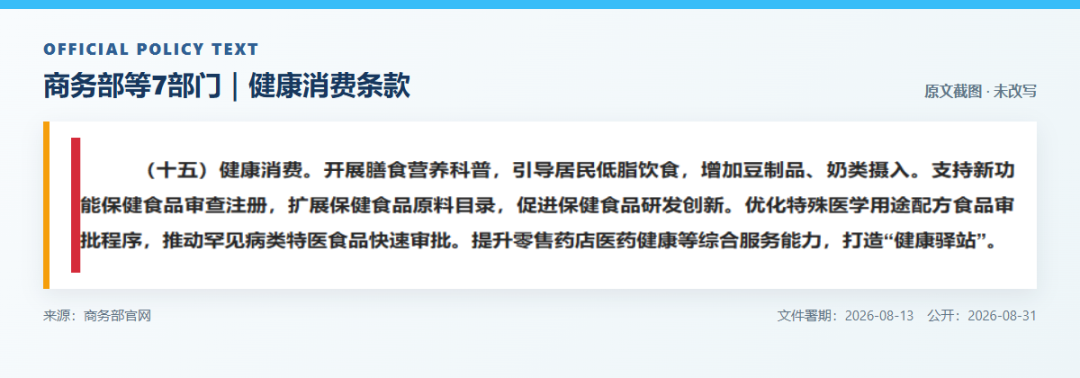
INTRODUCTION引言“支持新功能保健食品审查注册,扩展保健食品原料目录,促进保健食品研发创新。”这句话出现在商务部等7部门8月31日公开的《关于推动商品消费扩容升级的实施意见》中。文件署期为2026年8月13日。同一段还写到:优化特殊医学用途配方食品审批程序,推动罕见病类特医食品快速审批;提升零售药店医药健康综合服务能力,打造“健康驿站”。图1|7部门文件对健康消费的原文表述。商务部官网真实截图,文件署期2026-08-13,页面核对至2026-09-01;编辑仅加外框、来源和日期,原文未改写。ARTICLE SUMMARY文章小结把这几句话连起来看,政策瞄准的已经不只是“多卖一些健康产品”,而是健康产品从研发、准入到专业渠道的一整套供给能力。先把边界说清。这是一份正式公开的消费政策文件,不是新的保健食品注册细则。它没有公布新原料名单,也没有给出统一缩短后的审批时限。它真正改变的是政策优先级:原料、功能、特医审批和药店服务,被放进了同一张扩大消费的任务表。图2|原料目录、新功能注册、特医审批和药店服务共同指向可评价、可监管的健康产品供给。AI生成概念底图,中文与政策关系由编辑确定性排版,不作为政策原文证据。POLICY SIGNAL一、为什么这次不是普通的“消费利好”?过去谈健康消费,企业容易听见需求侧语言:老龄化、健康意识、消费升级。本次文件直接碰到了供给侧的四个堵点:原料能否进入更清晰的备案路径,新的健康功能如何获得评价,专业产品怎样加快准入,健康产品通过什么渠道提供服务。这四件事分别由不同规则、不同部门和不同证据体系管理。如今被放在一起,说明政策期待的不只是营销规模增长,而是更丰富、可评价、可监管的健康产品供给。这也是本文的核心判断:政策空间在变大,技术门槛并没有变低。NEW FUNCTION二、“新功能”已经不再只是一句未来时附件梗概把新功能理解为“如果真正推进”。截至2026年9月1日,这个状态已经更新。2023年,市场监管总局发布《保健食品新功能及产品技术评价实施细则(试行)》,允许企业、高校和科研机构在开展研究后提出新功能建议,并与对应产品注册申请进行关联审查。2026年1月,“有助于维持骨关节健康”正式成为该机制建立后首个纳入目录的新功能,并配套评价试验项目、试验原则和结果判定要求。这个落地案例比“鼓励创新”四个字更有价值。它说明新功能不是给旧配方换一个说法,而是要同时回答四个问题:需求是否明确、科学依据是否充分、评价方法能否重复、适宜与不适宜人群是否清楚。涉及疾病预防、治疗或诊断的功能,仍然不能进入保健功能目录。因此,下一轮研发竞争不会只看谁找到更多原料组合。更稀缺的能力,是把一种健康需求变成可审评的功能名称、稳定的试验方法和完整的人体证据。MATERIAL DIRECTORY三、“扩展原料目录”,扩的到底是什么?这里最容易出现两个误读。第一个误读,是把保健食品原料目录与食药物质目录混为一谈。食药物质目录解决特定物质作为普通食品原料使用的身份问题;保健食品原料目录则规定用于备案保健食品的原料名称、用量、适宜与不适宜人群、对应功能和技术要求。两套目录需要衔接,但不能相互替代。第二个误读,是认为一种原料进入目录后,企业就可以自由组合、自由定量、自由声称。截至2026年4月,市场监管总局公开口径显示,备案原料目录已纳入85种维生素、矿物质化合物原料和10种功能性原料。2026年4月,番茄红素目录文件公开征求意见;5月的反馈显示,相关意见已整理研究,下一步按程序推进。截至9月1日,不能把它写成已经正式纳入。7月公开的益生菌申报规定征求意见稿更能说明问题。拟议规则在讨论目录通道的同时,要求菌株明确到菌株号,并提交遗传稳定性、耐药性和产毒等安全资料。目录扩容并非“放进来就结束”。每增加一项原料,往往同时增加一套规格、安全、用量、功能和质量控制要求。对原料企业来说,能卖原料只是起点。谁能提供稳定基源、批次数据、检测方法、安全证据和可转移的技术资料,谁才更可能进入备案产品的供应体系。MEDICAL FOOD四、特医食品为什么和保健食品一起出现?特医食品并不是保健食品的高阶版本。它面向进食受限、消化吸收障碍、代谢紊乱或特定疾病状态人群,需要在医生或临床营养师指导下使用,注册与临床证据要求也不同。7部门文件把“优化审批程序”和“推动罕见病类特医食品快速审批”写进健康消费条款,是因为部分临床营养需求长期存在产品供给不足。这条线已经有现实进展。市场监管总局2026年6月披露,我国已批准注册特医食品330个;35个临床急需产品经公示进入优先审评审批绿色通道,5款国产罕见病类特医食品通过该通道获批。这些数字说明,快速审批并不等于降低标准,而是把有限的审评资源优先配置给临床急需、类别稀缺且证据准备充分的产品。对企业而言,特医赛道的机会与门槛同时存在。没有临床需求识别、配方依据、稳定生产和医院端使用能力,仅凭“政策支持”很难形成产品。PHARMACY SERVICE五、药店会成为新的健康消费入口吗?2026年1月,商务部等9部门已经提出推动药店从药品销售终端向“健康服务驿站”转型,内容包括药学服务、健康顾问、处方流转、合理用药和慢病管理等。8月的7部门文件再次点到零售药店,延续的是同一方向:药店的价值不只在货架,还在专业人员、社区触达和持续服务。这对保健食品企业确实提供了渠道机会,但机会附带条件。如果产品只能依靠夸大功效、疾病焦虑或导购个人话术成交,进入专业药店后,合规风险不会减少。真正适合这个渠道的产品,应当让药师和健康顾问能够清楚说明产品身份、适用人群、证据边界和使用方法。药店也需要重新核算一笔账:健康服务带来的复购和信任,能否覆盖人员培训、内容审核、消费者随访和投诉处理成本。WHO BENEFITS六、哪些企业更可能接住这轮政策空间?第一类,是已经积累安全、质量和人体研究资料的企业。政策路径打开后,它们可以更快把存量研究转化为申报材料,而不是从零补课。第二类,是具备原料标准化能力的供应商。目录管理越细,采购方越看重基源、规格、批次一致性和检测方法,单纯依靠概念和产地故事的议价能力会下降。第三类,是能把研发、法规和市场放在同一项目组里的企业。新功能产品不是研发部门做完试验再交给注册,也不能先由市场确定卖点、再倒推证据。第四类,是具有专业服务能力的药店和特医企业。它们的优势来自服务流程和临床、药学资源,不只是门店数量或渠道覆盖。相反,最容易误判政策的企业也很清楚:等目录公布后再临时找配方,把动物或细胞研究直接包装成人体功效,以及在项目尚未获得明确路径前先建设大产能。ACTION CHECKLIST七、企业现在要填好的“四张准备表”图3|企业应同步核查政策状态、原料准入、功能证据和渠道服务;任一暂停条件触发,都不应以营销或扩产替代答案。本图为编辑依据正文制作的确定性管理工具。01政策状态表至少记录文件名称、发布部门、发布日期、法律状态、适用产品类别、已经改变的规则、尚未改变的规则和下一观察节点。凡是征求意见稿、工作答复或政策鼓励,都不得在内部立项材料中写成“已经允许”。02原料准入表字段包括原料名称、基源与使用部位、现行食品身份、是否进入保健食品原料目录、每日用量、适宜与不适宜人群、对应功能、质量规格、安全资料和供应稳定性。暂停条件是:原料身份或使用路径尚不清楚,却已经开始进行产品宣传或产线投资。03功能证据表字段包括目标人群、健康需求、功能名称、作用依据、核心终点、评价方法、人体试验设计、样本量、持续时间、安全性指标和数据可追溯性。暂停条件是:只有成分机理或动物实验,却准备直接提出人体功能声称。04渠道服务表字段包括产品身份、允许话术、药师或营养人员培训、用户筛选、使用指导、复购率、退货率、投诉类型和不良反应信息收集。暂停条件是:销售增长依赖无法标准化、无法留痕或经不起公开审查的口头承诺。WHAT TO WATCH八、接下来要看什么?市场监管总局特殊食品司:番茄红素目录是否发布正式公告,最终用量、功能和技术要求与征求意见稿有何变化。新功能审查注册:首个骨关节健康功能之后,是否出现新的目录项目,以及评价方法能否形成稳定、可执行的行业路径。特医食品审批:优先审评审批覆盖哪些临床急需类别,进入通道后的实际审评时长和获批率如何。零售药店政策落地:地方是否形成健康驿站的人员、服务、数据留痕和风险管理标准,而不只增加商品品类。JUDGMENT REVERSAL九、这个判断在什么情况下需要修正?本文认为,政策正在提高证据型创新的价值。这个判断不是不可改变。如果后续细则明显降低安全、功能或质量评价要求,或者目录扩展长期没有形成新的正式项目,企业对证据体系的投入回报就需要重新估算。如果新功能产品注册持续缺少可观察进展,药店转型也只停留在增加货架品类,那么本轮政策对产业供给方式的影响会弱于本文判断。FINAL JUDGMENT结语:真正的松绑,是让有证据的产品有路可走7部门文件值得重视,但不需要把它写成“保健食品全面放开”。从2023年的新功能评价机制,到2026年首个新功能正式落地,再到番茄红素、益生菌和罕见病特医食品的最新进展,可以看到一条清晰路线:政策在增加创新入口,同时把安全、功能和质量证据写得更具体。目录可能继续扩,功能可能继续增,审批也可能继续优化。企业能否受益,要看它是否在政策窗口出现之前,就把证据、产品路径和渠道服务准备好了。下一次产品立项会,不妨先让研发、法规、市场和渠道共同填完本文的“四张准备表”,再讨论要不要追逐下一个热门原料。SOURCES & SCOPE证据边界与来源EVIDENCE BOUNDARY证据边界资料核对日期:2026年9月1日。核心政策与数据来自商务部等7部门《实施意见》、保健食品原料与功能目录管理办法、首个新功能正式公告、番茄红素征求意见反馈、特医食品注册进展及药品零售行业意见。本文对政策影响的分析属于编辑判断。7部门文件未公布具体新增原料、统一审批时限或企业扶持名单;番茄红素和益生菌相关文件仍须按各自法定程序观察后续状态。本文不构成注册、法律、产品功效或投资建议。END
近日,广西壮族自治区市场监督管理局(知识产权局)联合教育厅、科技厅、卫生健康委、国资委正式印发《广西专利申请前评估工作指引》,从源头杜绝低质量、无价值专利产出,加快推动专利向“质量提升、价值增值”转型,为新质生产力培育注入知识产权动能。“十四五”期间,广西每万人口高价值发明专利数从1.59件翻番至3.18件,超额完成自治区规划目标,但专利创造“重数量、轻质量、弱转化”的问题依然突出。国家知识产权局数据显示,截至2025年底,广西高校、科研机构发明专利产业化率仅为8.01%和13.4%,分别低于全国平均水平2.09和3.8个百分点,部分重点高校产业化率甚至不足4%,大量专利因缺乏市场价值被闲置,造成财政资源和创新资源的双重浪费。“我们有不少专利技术看起来很先进,但实际上没有市场需求,申请下来后就束之高阁了。”南宁某高校科研负责人坦言,以前申请专利更多是为了完成考核指标,很少考虑产业化前景。此次出台的指引,正是瞄准这一痛点,创新构建覆盖评估标准、流程规范、结果运用的全链条质量管控体系,从制度层面倒逼创新主体转变专利创造理念。据悉,该指引重点将财政性资金支持的科技项目成果纳入强制评估范围,明确“无产业化前景、无战略储备价值的技术成果,不得使用财政资金支付专利相关费用”的刚性要求,从源头上杜绝财政资源低效投入。重点针对“评什么、怎么评”的核心问题,明确三大核心评估维度:产业化前景评估:从法律价值(新颖性、创造性)、技术价值(行业先进性、可替代性)、经济价值(市场规模、盈利空间)三个层面,全方位研判技术成果的转化潜力,避免“为专利而专利”;专利申请策略评估:结合产业趋势和创新布局需求,精准确定专利类型(发明/实用新型/外观设计)、申请时机、国内外布局路径,明确优先审查、快速预审等申报策略,提升专利布局的精准性;申请文件质量评估:对权利要求完整性、保护范围合理性、说明书支撑度等内容开展标准化核验,从源头提升专利授权稳定性,避免因文件缺陷导致专利“低值”。为确保指引落地见效,广西将整合知识产权公共服务资源,推动知识产权保护中心、运营中心、技术与创新支持中心(TISC)等平台建强评估服务能力,为创新主体提供“专业化、规范化、低成本”的评估支撑。“我们将组织专利代理人、技术专家、资产评估师组建专业评估团队,为企业和高校提供免费或低成本的评估服务,帮助他们筛选真正有价值的技术成果。”自治区知识产权局有关负责人介绍。广西还将推动专利申请前评估制度融入科研管理全流程,在项目立项、中期检查、结题验收等环节同步开展评估,形成“创新—评估—申请—转化”的闭环管理。“以后我们申请专利前,必须先过评估这一关,这不仅能提高专利质量,还能让我们的科研成果更贴近市场需求。”广西某科研院所研究员表示。据了解,广西计划到2027年,实现财政性资金支持的科技项目专利申请前评估覆盖率100%,全区高价值发明专利产业化率提升至15%以上,推动知识产权真正成为实体经济高质量发展的“创新引擎”。
打造海洋强国战略东北支点、环渤海海洋科技创新高地、世界级高端船舶与海工装备制造基地、高品质“蓝色粮仓”和东北亚陆海核心枢纽……未来五年海洋经济如何发展,辽宁有了新目标。 8月19日,省政府新闻办召开新闻发布会,省发展改革委相关负责人就近期印发的《辽宁省“十五五”海洋经济发展规划》(以下简称《规划》)进行详细解读。省科技厅、省工业和信息化厅、省自然资源厅、省交通运输厅、省农业农村厅、大连市海洋发展局相关负责人分别就促进海洋经济发展回答记者提问。 《规划》共9部分,包括28项重点任务,提出到2030年全省海洋生产总值达到8000亿元的总体目标,呈现目标清晰靶向发力、空间布局协同优化、产业体系加快成势、港口航运聚力赋能等特点。在目标设计上,《规划》紧扣维护国家“五大安全”政治使命,提出“一总四分”发展定位,“一总”为打造海洋强国战略东北支点,“四分”为打造环渤海海洋科技创新高地、世界级高端船舶与海工装备制造基地、高品质“蓝色粮仓”及东北亚陆海核心枢纽。 在空间布局上,《规划》提出构建“一核引领、两翼共进、多区联动、陆海统筹”海洋经济发展格局。在宏观层面,以建设高水平现代海洋城市为目标,突出大连核心引领作用,强化“渤海翼”“黄海翼”差异化协同发展。在具体区域,推进各类海洋经济集聚区建设,将全省海洋经济空间布局由分散独立的“多点支撑”转变为集聚协同的“多区联动”。 产业体系方面,《规划》提出,谋划8项重大工程、181个重大项目,加快传统产业提质更新,大力发展海洋药物与生物制品、海洋新能源等海洋新兴产业,创新发展高端航运、涉海金融保险等海洋服务业,打造海洋经济新增长极。以港为基、内外联动,统筹港口、航运和临港产业协同发展,谋划港口群优化提升工程,全面提升东北海陆大通道海向物流枢纽功能。 发展海洋经济,科技创新是关键支撑。对此,省科技厅面向海洋新兴产业与未来产业培育,今年首次启动实施海洋领域省级科技重大专项。同时,将充分运用“揭榜挂帅”等攻关机制,紧盯产业痛点堵点,着力破解技术瓶颈。目前,已实现船用大功率双燃料发动机、甚高频数据交换系统(VDES)、多效蒸发海水淡化等重大成果攻关落地,部分打破国外垄断。此外,我省还建造了全球首制7500立方米液态二氧化碳运输船,处于世界领先水平。 升级壮大海洋优势制造业,是“十五五”时期我省重点任务之一。为全面夯实产业根基,省工业和信息化厅将立足全省涉海产业基础,系统梳理产业链短板弱项与增量空间,高质量绘制海洋制造业强链补链延链图谱。依托图谱实施精准培育、精准招商、精准配套,补齐船用高端配套、深海智能装备等薄弱环节,推动上下游集聚协同、供需高效对接,持续提升海洋产业链完整性、稳定性和自主可控水平。 海洋空间和海域资源,需要实施科学管控、优化配置利用,实现发展与保护协同共进。省自然资源厅编制完成《辽宁省海洋功能区规划》,以41个陆海一体化区域为核心抓手,统筹推动陆海生态修复、产业空间布局和基础设施建设,推动海洋空间利用从平面布局向立体格局延伸。同时,细化海洋二级规划分区至三级管控单元,编制418种规划分区与用海活动兼容情形的对照表,明确海洋空间鼓励与禁止利用的范畴,实现海洋空间高效治理。 作为海陆联动枢纽,港口在推动海洋经济发展中的作用极为关键。省交通运输厅将大力推进现代化港口群建设,推动港口基础设施数智化升级、绿色化转型;加快疏港铁路、疏港公路、高等级航道建设,完善集疏运体系,大力发展多式联运“一单制”“一箱制”。支持大连东北亚国际航运中心建设,积极拓展面向RCEP成员国、“一带一路”沿线国家的外贸直航干线。促进港产城深度融合,推动港口从“运输中心”向“贸易、产业中心”转型。同时,实施内河航道复航工程,构建物流“新通道”。 一段时间以来,我省大力推进渔船“木改钢”专项工作,既守护渔民生命财产安全,也助力传统渔业现代化转型。省农业农村厅相关负责人表示,截至8月16日,全省累计受理更新改造渔船申请1797艘,目前在建506艘,已建成510艘,预计9月1日前全部小型渔船建造完成。接下来,将继续在尊重渔民意愿的前提下,加强政策供给,坚持示范引领,推动更多的渔船更新改造。 《规划》赋予大连“一核引领”定位。大连横跨黄渤两海,海域面积约3万平方公里,海岸线2211公里。大连市海洋发展局相关负责人表示,“十四五”时期,大连市坚持陆海统筹、创新驱动、绿色低碳发展,海洋经济综合实力稳步提升,全市海洋生产总值年均增长7%。“十五五”时期,将立足海洋资源禀赋,围绕传统产业提质、新兴产业壮大、现代服务业提升、未来产业布局,构建具有大连特色的现代海洋产业体系。 此外,为压实《规划》部署,强化配套支撑,打通政策落地“最后一公里”,我省还同步出台了《进一步推动海洋经济高质量发展若干政策举措》,从创新驱动、产业更新、生态保护、开放合作、要素保障五个维度,集成财政奖补、金融贴息、审批服务、人才支撑等全链条支持政策,构建全方位、系统化的海洋发展政策支撑体系,全力激活海洋经济发展动能。
打造海洋强国战略东北支点、环渤海海洋科技创新高地、世界级高端船舶与海工装备制造基地、高品质“蓝色粮仓”和东北亚陆海核心枢纽……未来五年海洋经济如何发展,辽宁有了新目标。 8月19日,省政府新闻办召开新闻发布会,省发展改革委相关负责人就近期印发的《辽宁省“十五五”海洋经济发展规划》(以下简称《规划》)进行详细解读。省科技厅、省工业和信息化厅、省自然资源厅、省交通运输厅、省农业农村厅、大连市海洋发展局相关负责人分别就促进海洋经济发展回答记者提问。 《规划》共9部分,包括28项重点任务,提出到2030年全省海洋生产总值达到8000亿元的总体目标,呈现目标清晰靶向发力、空间布局协同优化、产业体系加快成势、港口航运聚力赋能等特点。在目标设计上,《规划》紧扣维护国家“五大安全”政治使命,提出“一总四分”发展定位,“一总”为打造海洋强国战略东北支点,“四分”为打造环渤海海洋科技创新高地、世界级高端船舶与海工装备制造基地、高品质“蓝色粮仓”及东北亚陆海核心枢纽。 在空间布局上,《规划》提出构建“一核引领、两翼共进、多区联动、陆海统筹”海洋经济发展格局。在宏观层面,以建设高水平现代海洋城市为目标,突出大连核心引领作用,强化“渤海翼”“黄海翼”差异化协同发展。在具体区域,推进各类海洋经济集聚区建设,将全省海洋经济空间布局由分散独立的“多点支撑”转变为集聚协同的“多区联动”。 产业体系方面,《规划》提出,谋划8项重大工程、181个重大项目,加快传统产业提质更新,大力发展海洋药物与生物制品、海洋新能源等海洋新兴产业,创新发展高端航运、涉海金融保险等海洋服务业,打造海洋经济新增长极。以港为基、内外联动,统筹港口、航运和临港产业协同发展,谋划港口群优化提升工程,全面提升东北海陆大通道海向物流枢纽功能。 发展海洋经济,科技创新是关键支撑。对此,省科技厅面向海洋新兴产业与未来产业培育,今年首次启动实施海洋领域省级科技重大专项。同时,将充分运用“揭榜挂帅”等攻关机制,紧盯产业痛点堵点,着力破解技术瓶颈。目前,已实现船用大功率双燃料发动机、甚高频数据交换系统(VDES)、多效蒸发海水淡化等重大成果攻关落地,部分打破国外垄断。此外,我省还建造了全球首制7500立方米液态二氧化碳运输船,处于世界领先水平。 升级壮大海洋优势制造业,是“十五五”时期我省重点任务之一。为全面夯实产业根基,省工业和信息化厅将立足全省涉海产业基础,系统梳理产业链短板弱项与增量空间,高质量绘制海洋制造业强链补链延链图谱。依托图谱实施精准培育、精准招商、精准配套,补齐船用高端配套、深海智能装备等薄弱环节,推动上下游集聚协同、供需高效对接,持续提升海洋产业链完整性、稳定性和自主可控水平。 海洋空间和海域资源,需要实施科学管控、优化配置利用,实现发展与保护协同共进。省自然资源厅编制完成《辽宁省海洋功能区规划》,以41个陆海一体化区域为核心抓手,统筹推动陆海生态修复、产业空间布局和基础设施建设,推动海洋空间利用从平面布局向立体格局延伸。同时,细化海洋二级规划分区至三级管控单元,编制418种规划分区与用海活动兼容情形的对照表,明确海洋空间鼓励与禁止利用的范畴,实现海洋空间高效治理。 作为海陆联动枢纽,港口在推动海洋经济发展中的作用极为关键。省交通运输厅将大力推进现代化港口群建设,推动港口基础设施数智化升级、绿色化转型;加快疏港铁路、疏港公路、高等级航道建设,完善集疏运体系,大力发展多式联运“一单制”“一箱制”。支持大连东北亚国际航运中心建设,积极拓展面向RCEP成员国、“一带一路”沿线国家的外贸直航干线。促进港产城深度融合,推动港口从“运输中心”向“贸易、产业中心”转型。同时,实施内河航道复航工程,构建物流“新通道”。 一段时间以来,我省大力推进渔船“木改钢”专项工作,既守护渔民生命财产安全,也助力传统渔业现代化转型。省农业农村厅相关负责人表示,截至8月16日,全省累计受理更新改造渔船申请1797艘,目前在建506艘,已建成510艘,预计9月1日前全部小型渔船建造完成。接下来,将继续在尊重渔民意愿的前提下,加强政策供给,坚持示范引领,推动更多的渔船更新改造。 《规划》赋予大连“一核引领”定位。大连横跨黄渤两海,海域面积约3万平方公里,海岸线2211公里。大连市海洋发展局相关负责人表示,“十四五”时期,大连市坚持陆海统筹、创新驱动、绿色低碳发展,海洋经济综合实力稳步提升,全市海洋生产总值年均增长7%。“十五五”时期,将立足海洋资源禀赋,围绕传统产业提质、新兴产业壮大、现代服务业提升、未来产业布局,构建具有大连特色的现代海洋产业体系。 此外,为压实《规划》部署,强化配套支撑,打通政策落地“最后一公里”,我省还同步出台了《进一步推动海洋经济高质量发展若干政策举措》,从创新驱动、产业更新、生态保护、开放合作、要素保障五个维度,集成财政奖补、金融贴息、审批服务、人才支撑等全链条支持政策,构建全方位、系统化的海洋发展政策支撑体系,全力激活海洋经济发展动能。
中新网沈阳8月19日电 (记者 李晛 季邵华)辽宁省发展改革委副主任王鹏19日在辽宁省政府新闻办召开的发布会上介绍,辽宁省近期印发了《辽宁省“十五五”海洋经济发展规划》(以下简称《规划》),并配套出台了《进一步推动海洋经济高质量发展若干政策举措》(以下简称《政策举措》)。--> 《规划》共9部分,包括28项重点任务、13个任务专栏,着力构建具有辽宁特色的现代海洋产业体系。 《规划》立足省情实际和比较优势,设置“1+10+N”目标体系,提出海洋生产总值突破8000亿元的总目标,制定10个核心量化目标及一系列具体目标,确保靶向明确、协同发力,聚力打造海洋强国战略东北支点。 《规划》提出构建“一核引领、两翼共进、多区联动、陆海统筹”海洋经济发展格局。在宏观层面,以建设高水平现代海洋城市为目标,突出大连核心引领作用,强化“渤海翼”“黄海翼”差异化协同发展。在具体区域,推进各类海洋经济集聚区建设,将全省海洋经济空间布局由分散独立的“多点支撑”转变为集聚协同的“多区联动”,强化沿海与内陆产业互动、功能互补,培育壮大特色产业集群,进一步激活“蓝色引擎”。 《规划》布局深海、拓展远洋,坚持存量升级和增量培育双向发力,谋划8项重大工程、181个重大项目。加快传统产业提质更新,强化科技创新与产业创新融合发展,深化人工智能赋能应用,打造世界级高端船舶与海工装备制造基地和高品质“蓝色粮仓”。大力发展海洋药物与生物制品、海洋新能源等海洋新兴产业,创新发展高端航运、涉海金融保险等海洋服务业,加速培育“海洋+低空”“海洋+航天”等一批特色应用场景,打造海洋经济新增长极。 《规划》以港为基、内外联动,统筹港口、航运和临港产业协同发展,谋划港口群优化提升工程,全面提升东北海陆大通道海向物流枢纽功能。做大做强海洋运输业,谋划组建大型国有航运企业,发展专业化船队,构建高质量海运航线网络。加快邮轮、游艇产业发展,开展游艇旅游租赁试点,实施游艇产业培育工程,打造北方游艇产业基地和游艇消费先行区。建立港口城市与内陆城市结对发展新机制,促进港口和产业深度融合。 为压实《规划》部署,强化配套支撑,打通政策落地“最后一公里”,辽宁省同步出台《政策举措》。该举措共五部分、20条,从创新驱动、产业更新、生态保护、开放合作、要素保障五个维度,集成财政奖补、金融贴息、审批服务、人才支撑等全链条支持政策,构建全方位、系统化的海洋发展政策支撑体系。 据介绍,辽宁省发展改革委下一步将充分发挥省海洋经济发展委员会办公室牵头抓总作用,会同各地区、各部门细化工作举措,确保各项部署落地见效。(完) 【编辑:王琴】

《〈联合国海洋法公约〉下国家管辖范围以外区域海洋生物多样性的养护和可持续利用协定》(简称BBNJ协定或《海洋生物多样性协定》)是联合国框架下具有里程碑意义的国际条约,于2023年6月19日在联合国总部通过,并已于2026年1月17日正式生效。作为近几十年来首个全面、跨领域的海洋条约,该协定填补了公海及国际海底区域(即国家管辖范围以外区域)在生物多样性保护方面的法律空白。协定围绕海洋遗传资源(包括惠益分享)、划区管理工具(如建立海洋保护区)、环境影响评价、以及能力建设与海洋技术转让四大核心领域,建立了一套具有法律约束力的全球规则。其宗旨在于通过加强国际合作与协调,确保海洋生物多样性的长期养护和可持续利用,公正公平地分享海洋资源产生的惠益,并特别关注发展中国家的特殊需求。国家管辖范围以外区域海洋生物多样性养护和可持续利用协定目录第一部分:总则第一条:用语第二条:一般目标第三条:适用范围第四条:例外第五条:本协定与《公约》和相关法律文书和框架以及相关全球、区域、次区域和领域机构的关系第六条:不妨害第七条:一般原则和方法第八条:国际合作第二部分:海洋遗传资源,包括公正和公平分享惠益第九条:目标第十条:适用第十一条:国家管辖范围以外区域海洋遗传资源方面的活动第十二条:国家管辖范围以外区域海洋遗传资源和海洋遗传资源数字序列信息方面活动的通知第十三条:土著人民及当地社区与国家管辖范围以外区域海洋遗传资源有关的传统知识第十四条:公正和公平分享惠益第十五条:获取和惠益分享委员会第十六条:监测和透明度第三部分:包括海洋保护区在内的划区管理工具等措施第十七条:目标第十八条:适用区域第十九条:提案第二十条:提案的公布和初步审查第二十一条:就提案进行协商和评估第二十二条:包括海洋保护区在内的划区管理工具的建立第二十三条:决策第二十四条:紧急措施第二十五条:执行第二十六条:监测和审查第四部分:环境影响评价第二十七条:目标第二十八条:开展环境影响评价的义务第二十九条:本协定与相关法律文书和框架以及相关全球、区域、次区域和领域机构的环境影响评价进程之间的关系第三十条:开展环境影响评价的门槛和因素第三十一条:环境影响评价程序第三十二条:公告和协商第三十三条:环境影响评价报告第三十四条:决策第三十五条:监测授权活动的影响第三十六条:报告授权活动的影响第三十七条:审查授权活动及其影响第三十八条:科学和技术机构制定的与环境影响评价有关的标准和(或)指南第三十九条:战略环境评价第五部分:能力建设和海洋技术转让第四十条:目标第四十一条:能力建设和海洋技术转让方面的合作第四十二条:能力建设和海洋技术转让的模式第四十三条:海洋技术转让的其他模式第四十四条:能力建设和海洋技术转让的类型第四十五条:监测和审查第四十六条:能力建设和海洋技术转让委员会第六部分:体制安排第四十七条:缔约方大会第四十八条:透明度第四十九条:科学和技术机构第五十条:秘书处第五十一条:信息交换机制第七部分:财务资源和机制第五十二条:供资第八部分:执行和遵守第五十三条:执行第五十四条:执行情况的监测第五十五条:执行和遵守委员会第九部分:争端解决第五十六条:防止争端第五十七条:用和平方法解决争端的义务第五十八条:用缔约方选择的任何和平方法解决争端第五十九条:技术性争端第六十条:争端解决程序第六十一条:临时安排第十部分:本协定之非缔约方第六十二条:本协定之非缔约方第十一部分:善意和滥用权利第六十三条:善意和滥用权利第十二部分:最后条款第六十四条:表决权第六十五条:签署第六十六条:批准、核准、接受和加入第六十七条:区域经济一体化组织与其成员国在本协定所规定事项上的权限划分第六十八条:生效第六十九条:临时适用第七十条:保留和例外第七十一条:声明和说明第七十二条:修正第七十三条:退出第七十四条:附件第七十五条:保存者第七十六条:作准文本附件附件一:用于识别区域的指示性衡量标准附件二:能力建设和海洋技术转让的类型《联合国海洋法公约》下国家管辖范围以外区域海洋生物多样性的养护和可持续利用协定序言本协定各缔约方,回顾一九八二年十二月十日《联合国海洋法公约》相关规定,包括保护和保全海洋环境的义务,强调需要尊重《公约》所载之权利、义务和利益的平衡,认识到需要以协调一致及合作的方式处理海洋生物多样性丧失和生态系统退化问题,此种问题特别是由气候变化对海洋生态系统产生的影响,如变暖和海洋脱氧以及海洋酸化,包括塑料污染在内的污染以及不可持续利用所导致,意识到需要根据《公约》制定全面的全球制度,以更好地处理国家管辖范围以外区域海洋生物多样性的养护和可持续利用,认识到促进实现公正和公平的国际经济秩序的重要性,这一秩序考虑到全人类的利益和需要,特别是发展中国家的特殊利益和需要,不论其为沿海国或内陆国,又认识到通过能力建设以及开发和转让海洋技术对发展中国家缔约方的支持,是实现国家管辖范围以外区域海洋生物多样性养护和可持续利用目标的基本要素,回顾《联合国土著人民权利宣言》,确认本协定的任何规定均不得理解为削弱或取消土著人民的现有权利,包括《联合国土著人民权利宣言》所列权利,或在适当情形下的当地社区的现有权利,认识到《公约》规定各国如有合理根据认为在其管辖或控制下的活动可能对海洋环境造成重大污染或重大和有害的变化,则有义务在实际可行范围内就这种活动对海洋环境的可能影响作出评价,铭记《公约》规定的采取一切必要措施,确保事件或活动造成的污染不扩散到根据《公约》行使主权权利的区域以外的义务,希望代表今世后代担任国家管辖范围以外区域的海洋守护者,为此保护、关爱和确保负责任地利用海洋环境,维护海洋生态系统的完整性,保护国家管辖范围以外区域生物多样性的固有价值,承认生成、获取和利用国家管辖范围以外区域海洋遗传资源数字序列信息,以及公正和公平分享其利用所产生的惠益,有助于研究和创新以及本协定的一般目标,尊重各国主权、领土完整和政治独立,回顾《公约》或任何其他有关协定非缔约方的法律地位以条约法规则为准据,又回顾《公约》规定,各国有责任履行其关于保护和保全海洋环境的国际义务,并可按照国际法承担责任,致力于实现可持续发展,期望实现普遍参与,兹商定如下:第一部分 一般规定第一条 用语为本协定的目的:(一) “划区管理工具”是指为根据本协定实现特定养护和可持续利用目标,在某一地理上界定的区域,用以管理一个或多个领域或活动的工具,包括海洋保护区。(二) “国家管辖范围以外区域”是指公海和“区域”。(三) “生物技术”是指使用生物系统、生物体或其衍生物,制作或修改产品或工艺以供特定用途的任何技术应用。(四) “原地收集”,在海洋遗传资源方面,是指国家管辖范围以外区域海洋遗传资源的收集或取样。(五) “《公约》”是指一九八二年十二月十日《联合国海洋法公约》。(六) “累积影响”是指包括已知的过去及目前活动和可合理预见的活动在内的不同活动或随着时间推移重复的类似活动,以及气候变化、海洋酸化和有关影响的后果造成的叠加和递进影响。(七) “环境影响评价”是指识别和评估某项活动的可能影响以供决策参考的程序。(八) “海洋遗传资源”是指来自海洋植物、动物、微生物或其他来源的、任何含有具实际或潜在价值的遗传功能单位的材料。(九) “海洋保护区”是指一个地理上界定的,为达到特定长期生物多样性养护目标而指定和管理,并可以酌情允许符合养护目标的可持续利用的海域。(十) “海洋技术”包括,除其他外,以方便用户的方式提供的关于海洋科学及有关海上作业和服务的信息和数据;手册、指南、衡量指标、标准和参考材料;取样和方法设备;用于原地和实验室观测、分析和实验的观测设施和设备;计算机和计算机软件,包括模型和建模技术;有关生物技术;与海洋生物多样性养护和可持续利用有关的专长、知识、技能、技术、科学和法律专门技能和分析方法。(十一) “缔约方”是指已同意受本协定约束、且本协定已对其生效的国家或区域经济一体化组织。(十二) “区域经济一体化组织”是指由某一区域的一些主权国家组成的组织,其成员国已将处理本协定规定的事项的权力向其让渡,且其已按照内部程序获得签署、批准、核准、接受或加入本协定的正式授权。(十三) “可持续利用”是指利用生物多样性组成部分的方式和速度不会导致生物多样性的长期衰退,从而保持其满足今世后代的需要和期望的潜力。(十四) “海洋遗传资源的利用”是指通过包括应用上述第(三)款界定的生物技术等途径,进行海洋遗传资源的遗传和(或)生物化学结构的研究与开发。第二条 一般目标本协定的目标是通过有效执行《公约》的相关规定以及加强国际合作和协调,确保国家管辖范围以外区域海洋生物多样性当前及长期的养护和可持续利用。第三条 适用范围本协定适用于国家管辖范围以外区域。第四条 例外本协定不适用于任何军舰、军机或海军辅助船。除第二部分外,本协定不适用于为缔约方所拥有或经营并在当时只供政府非商业性服务之用的其他船只或飞机。但每个缔约方应采取不损害由其拥有或经营的此类船只或飞机的操作或操作能力的适当措施,以确保这些船只或飞机在合理可行范围内以符合本协定的方式活动。第五条 本协定与《公约》和相关法律文书和框架以及相关全球、区域、次区域和领域机构的关系一、本协定应按《公约》上下文并以符合《公约》的方式解释和适用。本协定中的任何规定不应妨害各国按照《公约》享有的权利、管辖权和义务,包括在专属经济区和二百海里以内和以外的大陆架方面的权利、管辖权和义务。二、本协定的解释和适用不应损害相关法律文书和框架以及相关全球、区域、次区域和领域机构,并应促进与这些文书、框架和机构的一致性和协调性。三、本协定不影响《公约》或任何其他相关协定的非缔约方与这些文书有关的法律地位。第六条 不妨害本协定,包括缔约方大会或其任何附属机构的任何决定或建议,以及据此实施的任何行为、措施或活动,应不妨害主权、主权权利或管辖权,包括与此有关的任何争端;并且不得据此提出或否认任何主权、主权权利或管辖权主张,包括与此有关的任何争端。第七条 一般原则和方法为实现本协定的目标,缔约方应遵循下列原则和方法:(一)污染者付费原则;(二)《公约》规定的人类共同继承财产原则;(三)海洋科学研究自由以及其他公海自由;(四)公平原则以及公正和公平分享惠益;(五)在适当情形下,风险预防原则或风险预防方法;(六)生态系统方法;(七)海洋综合管理方法;(八)一种既建立生态系统韧性,包括应对气候变化和海洋酸化的不利影响,又维持和恢复生态系统完整性,包括支持海洋在气候中发挥作用的碳循环服务的方法;(九)利用最佳可得科学和科学信息;(十)在可获得情况下,利用土著人民和当地社区的相关传统知识;(十一)在采取行动处理国家管辖范围以外区域海洋生物多样性的养护和可持续利用问题时,尊重、促进和考虑各自与土著人民或适当情形下的当地社区权利相关的可适用的义务;(十二)在采取措施防止、减少和控制海洋环境污染时,不直接或间接将损害或危险从一个区域转移到另一个区域,且不将一种污染转变成另一种污染;(十三)充分承认小岛屿发展中国家和最不发达国家的特殊情况;(十四)承认内陆发展中国家的特殊利益和需要。第八条 国际合作一、缔约方应根据本协定合作养护和可持续利用国家管辖范围以外区域的海洋生物多样性,包括在实现本协定目标的过程中加强和增进与相关法律文书和框架以及相关全球、区域、次区域和领域机构的合作,并促进它们之间的合作。二、缔约方在参与其他相关法律文书、框架或全球、区域、次区域或领域机构之下的决策时,应酌情努力促进本协定的目标。三、为支持本协定的目标,缔约方应根据《公约》促进海洋科学研究方面的国际合作,并促进海洋技术开发和转让方面的国际合作。第二部分海洋遗传资源,包括公正和公平分享惠益第九条 目标本部分的目标是:(一)公正和公平分享国家管辖范围以外区域海洋遗传资源和海洋遗传资源数字序列信息方面的活动产生的惠益,以促进国家管辖范围以外区域海洋生物多样性的养护和可持续利用;(二)建设和发展缔约方在国家管辖范围以外区域海洋遗传资源和海洋遗传资源数字序列信息方面开展活动的能力,特别是发展中国家缔约方,尤其是最不发达国家、内陆发展中国家、地理不利国家、小岛屿发展中国家、非洲沿海国家、群岛国和中等收入发展中国家的能力;(三)生成知识、科学认知和技术创新,包括为此发展和进行海洋科学研究,作为对执行本协定的基本贡献;(四)根据本协定开发和转让海洋技术。第十条 适用一、本协定的规定应适用于在本协定对有关缔约方生效后收集和生成的国家管辖范围以外区域海洋遗传资源和海洋遗传资源数字序列信息方面的活动。本协定规定的适用应扩大到生效之前收集或生成的国家管辖范围以外区域海洋遗传资源和海洋遗传资源数字序列信息的利用,除非缔约方在签署、批准、核准、接受或加入本协定时,根据第七十条以书面形式作出例外。二、本部分的规定不应适用于:(一)受相关国际法管制的捕鱼,以及捕鱼相关活动;或(二)已知的在捕鱼和捕鱼相关活动中从国家管辖范围以外区域获取的鱼类或其他海洋生物资源,但此种鱼类或其他海洋生物资源根据本部分作为利用受到规制的除外。三、本部分的义务不应适用于缔约方的军事活动,包括从事非商业服务的政府船只和飞机的军事活动。本部分关于利用国家管辖范围以外区域海洋遗传资源和海洋遗传资源数字序列信息的义务应适用于缔约方的非军事活动。第十一条 国家管辖范围以外区域海洋遗传资源方面的活动一、国家管辖范围以外区域海洋遗传资源和海洋遗传资源数字序列信息方面的活动可由无论处于何种地理位置的所有缔约方,以及缔约方管辖下的自然人或法人开展。此类活动应根据本协定开展。二、缔约方应就国家管辖范围以外区域海洋遗传资源和海洋遗传资源数字序列信息方面的所有活动促进合作。三、原地收集国家管辖范围以外区域海洋遗传资源应根据《公约》规定,适当顾及沿海国在其国家管辖范围以内区域的权利及合法利益,并适当顾及其他国家在国家管辖范围以外区域的利益。为此目的,缔约方应酌情努力开展合作,包括通过根据第五十一条确定的信息交换机制的具体运行模式开展合作,以期执行本协定。四、任何国家不应对国家管辖范围以外区域海洋遗传资源主张或行使主权或主权权利。任何此类主权和主权权利的主张或行使均应不予承认。五、原地收集国家管辖范围以外区域海洋遗传资源不应构成对海洋环境任何部分或其资源的任何主张的法律依据。六、国家管辖范围以外区域海洋遗传资源和海洋遗传资源数字序列信息方面的活动有益于所有国家并造福于全人类,特别是有益于推进人类的科学知识和促进海洋生物多样性的养护和可持续利用,同时特别考虑发展中国家的利益和需要。七、国家管辖范围以外区域海洋遗传资源和海洋遗传资源数字序列信息方面的活动应仅为和平目的进行。第十二条 国家管辖范围以外区域海洋遗传资源和海洋遗传资源数字序列信息方面活动的通知一、缔约方应采取必要的立法、行政或政策措施,确保根据本部分向信息交换机制通报信息。二、应在原地收集国家管辖范围以外区域海洋遗传资源开始前六个月或尽可能提早向信息交换机制通报以下信息:(一)开展收集工作的性质和目标,酌情包括其所属的任何方案;(二)研究对象,或在已知的情况下,拟针对或收集的海洋遗传资源,以及收集此类资源的目的;(三)进行收集的地理区域;(四)收集方法和工具简介,包括船只的船名、吨位、类型和船级、所用科学设备和(或)研究方法;(五)关于对拟议主要方案的任何其他贡献的信息;(六)研究船最初到达和最后离开的预定日期,或装备的部署和拆除的预定日期,视情况而定;(七)主持机构名称和项目负责人姓名;(八)所有国家的科学家,特别是发展中国家的科学家参与项目或与项目建立联系的机会;(九)认为对于可能需要并要求技术援助的国家,特别是发展中国家,能参与或有代表参与该项目的程度;(十)按照开放和负责任数据治理要求制定的数据管理计划,同时考虑现行国际实践。三、收到上述第二款所述通知后,信息交换机制应自动生成“BBNJ”(指国家管辖范围以外区域海洋生物多样性)标准化批次标识符。四、如果向信息交换机制提供的信息在计划的收集之前发生重大变化,应在可行时,于合理时间内且不迟于原地收集开始前,将更新后的信息通报信息交换机制。五、缔约方应确保以下信息可获得后,尽快将其连同“BBNJ”标准化批次标识符通报信息交换机制,但不迟于原地收集国家管辖范围以外区域海洋遗传资源后一年:(一)存放或将存放海洋遗传资源数字序列信息的存储库或数据库;(二)原地收集的所有海洋遗传资源现在或计划的存放或保藏处;(三)一份报告,其中详细说明收集海洋遗传资源的地理区域,包括收集的纬度、经度和深度信息,并在可得的范围内,说明所开展活动的发现;(四)根据上述第二款第(十)项提供的数据管理计划的任何必要更新。六、缔约方应根据现行国际实践,并在切实可行的范围内,确保其管辖下的存储库或数据库中的国家管辖范围以外区域海洋遗传资源样本和海洋遗传资源数字序列信息可被识别为源自国家管辖范围以外区域。七、缔约方应确保其管辖下的在切实可行的范围内的存储库,以及数据库,每两年编写一份汇总报告,说明获取与其“BBNJ”标准化批次标识符相连的海洋遗传资源和数字序列信息的情况,并将报告提供给根据第十五条设立的获取和惠益分享委员会。八、在国家管辖范围以外区域海洋遗传资源以及可行情况下的此类资源数字序列信息被缔约方管辖下的自然人或法人所利用、包括进行商业化的情况下,缔约方应确保在下列信息可获得后,尽快将其连同可获得的“BBNJ”标准化批次标识符通报信息交换机制:(一)在何处可找到利用的成果,如出版物,如可获得并在可能范围内被授予的专利,以及开发的产品;(二)在可获得的情况下,向信息交换机制发出的关于作为利用对象的海洋遗传资源的收集后通知详情;(三)作为利用对象的原始样本保藏于何处;(四)获取被利用的海洋遗传资源和海洋遗传资源数字序列信息的设想模式,以及有关数据管理计划;(五)一旦投入市场,在可获得的情况下,有关产品的销售和任何进一步开发的信息。第十三条 土著人民及当地社区与国家管辖范围以外区域海洋遗传资源有关的传统知识缔约方应在相关情况下酌情采取立法、行政或政策措施,旨在确保在获取土著人民及当地社区持有的与国家管辖范围以外区域海洋遗传资源有关的传统知识方面,仅应在这些土著人民和当地社区自由、事先和知情同意或批准以及参与的情况下进行。信息交换机制可为获取此种传统知识提供便利。对于此种传统知识的获取和利用,应订立共同商定的条件。第十四条 公正和公平分享惠益一、因国家管辖范围以外区域海洋遗传资源和海洋遗传资源数字序列信息方面的活动而产生的惠益应根据本部分以公正和公平的方式分享,并为国家管辖范围以外区域海洋生物多样性的养护和可持续利用作出贡献。二、非货币惠益应根据本协定予以分享,除其他外,其形式包括:(一)根据现行国际实践获取样本和样本集;(二)根据现行国际实践获取数字序列信息;(三)根据现行国际实践及开放和负责任数据治理要求,开放获取可查找、可访问、可互操作和可重复使用的科学数据;(四)以可公开检索和访问的形式,将第十二条所规定之通知中载明的信息,连同“BBNJ”标准化批次标识符一并提供;(五)根据本协定第五部分规定的相关模式转让海洋技术;(六)能力建设,包括资助研究方案,为科学家和研究人员提供开展研究项目的伙伴关系机会,特别是直接相关和实质性的机会,以及专项倡议,尤其是面向发展中国家,同时考虑小岛屿发展中国家和最不发达国家的特殊情况;(七)加强技术和科学合作,特别是与发展中国家的科学家和科学机构的合作;(八)缔约方大会考虑第十五条所设获取和惠益分享委员会建议所确定的其他形式的惠益。三、缔约方应采取必要的立法、行政或政策措施,考虑现行国际实践,确保不迟于相关利用开始起三年将缔约方管辖下的自然人或法人利用的国家管辖范围以外区域海洋遗传资源和海洋遗传资源数字序列信息连同其“BBNJ”标准化批次标识符存入由各国或国际维护的可公开访问的存储库和数据库,或在可获得后尽快存入。四、获取缔约方管辖下的存储库和数据库中的国家管辖范围以外区域海洋遗传资源和海洋遗传资源数字序列信息,可受下列合理条件的限制:(一)保持海洋遗传资源的物理完整性的需要;(二)与维护存放样本、数据或信息的相关基因库、生物存储库或数据库有关的合理费用;(三)与提供海洋遗传资源、数据或信息有关的合理费用;(四)符合本协定目标的其他合理条件;并且根据包括减让和优惠条款在内的公平和最有利条款,可向发展中国家的研究人员和研究机构提供此种获取机会。五、利用国家管辖范围以外区域海洋遗传资源和海洋遗传资源数字序列信息所产生的货币惠益,包括商业化的货币惠益,应通过第五十二条所设财务机制公正和公平分享,以促进国家管辖范围以外区域海洋生物多样性的养护和可持续利用。六、本协定生效后,发达缔约方应向第五十二条所述特别基金进行年度缴款。该缔约方的缴款率应为缔约方大会根据第四十七条第六款第(五)项通过的预算中该缔约方分摊会费的百分之五十。此种付款应一直持续至缔约方大会根据下述第七款作出决定。七、缔约方大会应决定利用国家管辖范围以外区域海洋遗传资源和海洋遗传资源数字序列信息的货币惠益的分享模式,同时考虑根据第十五条所设获取和惠益分享委员会的建议。在为达成协商一致的所有努力均已穷尽的情况下,决定应由出席并参加表决的缔约方四分之三多数通过。付款应通过第五十二条设立的特别基金进行。模式可包括下列各项:(一)阶段性付费;(二)与产品商业化有关的付款或缴款,包括产品销售收入的一定比例的付款;(三)根据衡量某缔约方活动总体水平的一套多样化指标,定期分级付费;(四)缔约方大会考虑到获取和惠益分享委员会的建议决定的其他形式。八、缔约方可在缔约方大会通过这些模式时作出声明,声明这些模式在最长四年的期间内不对该缔约方生效,以便有时间开展必要的执行工作。作出此种声明的缔约方应继续支付上述第六款所列款项,直至新的模式生效。九、缔约方大会在根据上述第七款决定使用国家管辖范围以外区域海洋遗传资源数字序列信息所产生的货币惠益的分享模式时,应考虑获取和惠益分享委员会的建议,同时认识到这些模式需与其他获取和惠益分享文书相辅相成并相互适应。十、缔约方大会考虑到根据第十五条设立的获取和惠益分享委员会的建议,应每两年审查和评估利用国家管辖范围以外区域海洋遗传资源和海洋遗传资源数字序列信息的货币惠益。第一次审查应不迟于本协定生效后五年进行。审查应包括考虑上述第六款所述的年度缴款。十一、缔约方应酌情采取必要的立法、行政或政策措施,以确保其管辖下的自然人或法人在国家管辖范围以外区域海洋遗传资源和海洋遗传资源数字序列信息方面的活动所产生的惠益根据本协定分享。第十五条 获取和惠益分享委员会一、兹设立获取和惠益分享委员会。除其他外,委员会应作为根据第十四条制定惠益分享指南、提供透明度并确保公正和公平地分享货币和非货币惠益的一种方式。二、获取和惠益分享委员会应由在有关领域内具备适当资格的十五名成员组成,以确保委员会有效行使职能。成员应由缔约方提名并经缔约方大会选举,同时考虑性别均衡和公平地域分配,并保证包括最不发达国家、小岛屿发展中国家和内陆发展中国家在内的发展中国家在委员会的代表性。委员会的职权范围和运行模式应由缔约方大会确定。三、委员会可就与本部分有关的事项向缔约方大会提出建议,包括下列事项:(一)关于根据本部分开展国家管辖范围以外区域海洋遗传资源和海洋遗传资源数字序列信息方面的活动的指南或行为准则;(二)执行根据本部分所作决定的措施;(三)根据第十四条分享货币惠益的比率或机制;(四)与本部分有关的涉及信息交换机制的事项;(五)与本部分有关的涉及根据第五十二条设立的财务机制的事项;(六)缔约方大会可能要求获取和惠益分享委员会处理的与本部分有关的任何其他事项。四、每一缔约方应通过信息交换机制向获取和惠益分享委员会提供本协定所要求的信息,其中应包括:(一)关于获取和惠益分享的立法、行政和政策措施;(二)国家联络点的详细联系方式和其他相关信息;(三)根据缔约方大会的决定要求提供的其他信息。五、获取和惠益分享委员会可就其职权范围内的活动与相关法律文书和框架以及相关全球、区域、次区域和领域机构协商,并促进信息交流,这些活动包括惠益分享、海洋遗传资源数字序列信息的使用、最佳实践、工具和方法、数据治理和经验教训。六、获取和惠益分享委员会可就根据上述第五款获得的信息向缔约方大会提出建议。第十六条 监测和透明度一、应按照缔约方大会根据获取和惠益分享委员会所提建议通过的程序,通过向信息交换机制通报情况,并根据本部分使用“BBNJ”标准化批次标识符,对国家管辖范围以外区域海洋遗传资源和海洋遗传资源数字序列信息方面的活动进行监测和实现透明度。二、缔约方应定期向获取和惠益分享委员会提交关于本部分规定执行情况的报告,说明根据本部分开展国家管辖范围以外区域海洋遗传资源和海洋遗传资源数字序列信息方面的活动和分享其中所得惠益的情况。三、获取和惠益分享委员会应根据信息交换机制收到的信息编写报告并提供给缔约方,缔约方可提交评论。获取和惠益分享委员会应提交该报告,包括收到的评论,供缔约方大会审议。缔约方大会考虑获取和惠益分享委员会所提建议,可确定执行本条的适当指南,其中应考虑缔约方的国家能力和情况。第三部分包括海洋保护区在内的划区管理工具等措施第十七条 目标本部分的目标是:(一)通过建立划区管理工具综合系统等,包括具有生态代表性和良好连通性的海洋保护区网络,养护和可持续利用需要保护的区域;(二)在使用包括海洋保护区在内的划区管理工具方面,加强国家、相关法律文书和框架以及相关全球、区域、次区域和领域机构间的合作与协调;(三)保护、保全、恢复和维持生物多样性和生态系统,目的包括增强其生产力和健康;加强其抵御压力的韧性,包括抵御与气候变化、海洋酸化和海洋污染有关的压力;(四)支持粮食安全和其他社会经济目标,包括保护文化价值;(五)通过能力建设以及开发和转让海洋技术,支持发展中国家缔约方,特别是最不发达国家、内陆发展中国家、地理不利国家、小岛屿发展中国家、非洲沿海国家、群岛国和中等收入发展中国家,同时考虑小岛屿发展中国家的特殊情况,开发、实施、监测、管理和执行包括海洋保护区在内的划区管理工具。第十八条 适用区域包括海洋保护区在内的划区管理工具的建立不应包括国家管辖范围以内的任何区域,并且不得以此为依据,提出或否认任何主权、主权权利或管辖权主张,包括与此有关的任何争端。缔约方大会不得审议关于建立此类包括海洋保护区在内的划区管理工具的提案以作出决定,此类提案在任何情况下均不得解释为承认或不承认任何主权、主权权利或管辖权主张。第十九条 提案一、关于建立本部分规定的包括海洋保护区在内的划区管理工具的提案,应由缔约方单独或集体提交秘书处。二、缔约方应酌情与相关利益攸关方,包括各国和全球、区域、次区域、领域机构,以及民间社会、科学界、私营部门、土著人民、当地社区合作和协商,按照本部分的规定拟订提案。三、拟订提案应基于最佳可得科学和科学信息,以及在可获得的情况下,土著人民和当地社区的相关传统知识,同时考虑风险预防方法和生态系统方法。四、关于所识别区域的提案应包括下列主要要素:(一)参照附件一列出的指示性衡量标准,对提案目标区域的地理或空间说明;(二)用于识别区域的附件一所述任何衡量标准以及可能根据下述第五款进一步制定和修订的任何衡量标准的相关信息;(三)区域内的人类活动,包括可能有的土著人民和当地社区的利用,及其可能的影响;(四)对所识别区域内海洋环境和生物多样性状况的说明;(五)对拟在区域适用的养护目标,以及在适当情况下的可持续利用目标的说明;(六)管理计划草案,内含拟议措施,并概述为实现具体目标拟开展的监测、研究和审查活动;(七)如有,提议区域和措施的期限;(八)如有,与包括毗邻沿海国在内的各国和(或)相关全球、区域、次区域和领域机构开展的任何协商的信息;(九)在相关法律文书和框架以及相关全球、区域、次区域和领域机构下实施的包括海洋保护区在内的划区管理工具的信息;(十)相关科学投入,以及在可获得情形下,土著人民和当地社区的传统知识。五、用于识别这种区域的指示性衡量标准应包括附件一所列相关内容,并可由科学和技术机构视需要进一步制定和修订,供缔约方大会审议和通过。六、有关提案内容的更多要求,包括上述第五款所述指示性衡量标准的适用模式,以及上述第四款第(二)项所述的提案指导意见,应由科学和技术机构视需要拟订,供缔约方大会审议和通过。第二十条 提案的公布和初步审查秘书处应在收到书面提案后公布提案,并将其交由科学和技术机构进行初步审查。审查的目的是确定提案载有第十九条要求的信息,包括本部分和附件一所述的指示性衡量标准。该审查的结果应予公布,并应由秘书处转交提案方。提案方应在考虑科学和技术机构的初步审查后,将提案重新提交秘书处。秘书处应通知各缔约方,公布重新提交的提案,并按照第二十一条协助进行协商。第二十一条 就提案进行协商和评估一、就根据第十九条规定提交的提案所进行的协商应包容、透明,对包括各国和全球、区域、次区域、领域机构,以及民间社会、科学界、土著人民和当地社区在内的所有相关利益攸关方开放。二、秘书处应通过下列方式协助开展协商并收集投入:(一)应通知各国,特别是毗邻沿海国,除其他外,请其提交:1.关于提案实质内容和地理范围的看法;2.任何其他相关的科学投入;3.关于国家管辖范围以内和以外毗邻或相关的区域内任何现有措施或活动的信息;4.关于提案对国家管辖范围以内区域的潜在影响的看法;5.任何其他相关信息;(二)应通知相关法律文书和框架机构以及相关全球、区域、次区域和领域机构,除其他外,请其提交:1.关于提案实质内容的看法;2.任何其他相关的科学投入;3.该文书、框架或机构为有关区域或毗邻的区域通过的任何现有措施的相关信息;4.关于提案识别的管理计划草案中的属于该机构职权范围内的措施和其他要素的任何方面的看法;5.关于属于该文书、框架或机构权限范围的任何相关额外措施的看法;6.任何其他相关信息;(三)应请具备相关传统知识的土著人民和当地社区、科学界、民间社会以及其他相关利益攸关方,除其他外,提交:1.关于提案实质内容的看法;2.任何其他相关的科学投入;3.土著人民和当地社区的任何相关传统知识;4.任何其他相关信息。三、根据上述第二款收到的贡献应由秘书处公布。四、如拟议措施影响到完全被国家专属经济区包围的区域,提案方应:(一)与这些国家开展有针对性且积极主动的协商,包括事先通知;(二)考虑这些国家对拟议措施的看法和评论,给出专门针对此类看法和评论的书面回应,并酌情相应修改拟议措施。五、提案方应考虑协商期间收到的贡献以及科学和技术机构提供的看法和信息,并应酌情对提案作相应修改或就提案中未反映的实质性贡献作出回应。六、协商应有时限。七、经修订的提案应提交科学和技术机构,由其进行评估并向缔约方大会提出建议。八、协商和评估程序的模式,包括期限,应视需要由科学和技术机构在其第一次会议上进一步拟定,供缔约方大会审议和通过,同时考虑小岛屿发展中国家的特殊情况。第二十二条 包括海洋保护区在内的划区管理工具的建立一、缔约方大会,基于最后提案和管理计划草案,同时考虑根据本部分确立的协商程序中收到的贡献和科学投入以及科学和技术机构的科学意见和建议:(一)应就建立包括海洋保护区在内的划区管理工具和有关措施作出决定;(二)可与相关法律文书和框架以及相关全球、区域、次区域和领域机构进行合作和协调,就与这些文书、框架和机构所通过措施相兼容的措施作出决定;(三)在拟议措施属于其他全球、区域、次区域或领域机构的职权范围时,可向本协定缔约方和全球、区域、次区域和领域机构提出建议,以促进经由此类文书、框架和机构根据各自权限,通过相关措施。二、缔约方大会在根据本条作出决定时,应尊重相关法律文书和框架以及相关全球、区域、次区域和领域机构的职权,不应损害这些文书和框架及机构。三、缔约方大会应为定期协商作出安排,以在包括海洋保护区在内的划区管理工具方面,加强与相关法律文书和框架以及相关全球、区域、次区域和领域机构的合作与协调,以及这些文书、框架和机构间的合作与协调,并加强在此类文书和框架下以及由此类机构所通过的相关措施方面的协调。四、如为实现本部分目标和执行本部分而有此需要,为促进国家管辖范围以外区域海洋生物多样性的养护和可持续利用方面的国际合作与协调,缔约方大会可考虑并可在符合上述第一款和第二款的前提下酌情决定,就相关法律文书和框架或相关全球、区域、次区域或领域机构通过的包括海洋保护区在内的现有划区管理工具建立机制。五、缔约方大会根据本部分通过的决定和建议不应损害就国家管辖范围以内区域所采取措施的有效性,并应根据《公约》适当顾及所有国家的权利和义务。若根据本部分提议的措施可能影响或可合理预期将影响沿海国根据《公约》行使主权权利的海底区域的海床和底土的上覆水域,这些措施应适当顾及这些沿海国的主权权利。应按照本部分规定为此开展协商。六、根据本部分建立的包括海洋保护区在内的划区管理工具,若后来全部或部分归入某沿海国的国家管辖范围,则国家管辖范围以内的部分应立即失效。仍在国家管辖范围以外区域的部分应继续有效,直至缔约方大会在其下次会议上视需要审查并决定是否修订或撤销该包括海洋保护区在内的划区管理工具。七、在建立相关法律文书或框架或相关全球、区域、次区域或领域机构,或修订相关法律文书或框架或相关全球、区域、次区域或领域机构的职权后,缔约方大会根据本部分通过的包括海洋保护区在内的任何划区管理工具或相关措施,如随之全部或部分归入上述文书、框架或机构的职权范围,应继续有效,直至缔约方大会与该文书、框架或机构密切合作和协调,审查并酌情决定保留、修订或撤销包括海洋保护区在内的划区管理工具及相关措施。第二十三条 决策一、作为一般规则,本部分下的决定和建议应协商一致作出。二、在未达成协商一致的情况下,本部分下的决定和建议应由出席并参加表决缔约方的四分之三多数作出,在此之前,缔约方大会应由出席并参加表决缔约方的三分之二多数确定,为达成协商一致的所有努力均已穷尽。三、根据本部分作出的决定应在作出这些决定的缔约方大会会议一百二十天后生效,并应对所有缔约方具有约束力。四、在上述第三款规定的一百二十天期间内,任何缔约方均可书面通知秘书处对根据本部分通过的决定提出反对,则该决定对该缔约方不具约束力。对一项决定的反对可随时以书面通知秘书处的方式撤回,此后该决定在撤回反对的通知之日九十天后对该缔约方具有约束力。五、根据上述第四款提出反对的缔约方应在提出反对时向秘书处书面解释反对理由,反对应以下列一项或多项理由为依据:(一)该决定不符合本协定或《公约》规定的反对方的权利和义务;(二)该决定形式上或事实上无理歧视反对方;(三)该缔约方在作出一切合理努力后,在提出反对时无法切实可行地遵守该决定。六、根据上述第四款提出反对的缔约方应在切实可行的范围内采取与其所反对的决定具有同等效果的替代措施或办法,并且不应采取损害其所反对的决定有效性的措施或行动,除非这种措施或行动对于反对方根据《公约》行使权利和履行义务至关重要。七、提出反对的缔约方应在其根据上述第四款作出通知后,向缔约方大会下一次例会报告其执行上述第六款的情况,并在此后定期报告,以便为根据第二十六条进行的监测和审查提供信息。八、按照上述第四款对某项决定提出的反对,只有在反对方认为仍有必要的情况下,方可在该决定生效后每三年以书面通知秘书处的方式予以续展。此种书面通知应包括对其最初反对理由的解释。九、如未收到根据上述第八款作出的续展通知,则该反对应被视为自动撤回,此后该决定应在该反对被自动撤回一百二十天后对该缔约方具有约束力。秘书处应在该反对将被自动撤回之日前六十天通知该缔约方。十、根据本部分通过的缔约方大会的决定以及对这些决定提出的反对应由秘书处公布,并应转交所有国家和相关法律文书和框架及相关全球、区域、次区域和领域机构。第二十四条 紧急措施一、如果某一自然现象或人为灾害已经或可能对国家管辖范围以外区域的海洋生物多样性造成严重或不可挽回的损害,缔约方大会应视需要决定通过在国家管辖范围以外区域紧急适用的措施,以确保严重或不可挽回的损害不会加剧。二、仅当与相关法律文书或框架或者相关全球、区域、次区域或领域机构协商后,这种严重或不可挽回的损害既无法通过适用本协定的其他条款,也无法通过相关法律文书或框架或者相关全球、区域、次区域或领域机构及时加以管控时,才应认为有必要根据本条规定采取措施。三、在紧急情况下采取的措施应基于最佳可得科学和科学信息,以及在可获得的情况下,土著人民和当地社区的相关传统知识,并应考虑风险预防方法。此类措施可由缔约方提议或由科学和技术机构建议,并可在闭会期间通过。这些措施应是临时性的,必须在通过后由缔约方大会下一次会议重新审议以作出决定。四、这些措施应在其生效两年后终止;或应在被根据本部分建立的包括海洋保护区在内的划区管理工具及相关措施或相关法律文书或框架或相关全球、区域、次区域或领域机构采取的措施取代时,由缔约方大会提前予以终止;或在缔约方大会在需要采取该措施的情况不存在时作出决定予以终止。五、制定紧急措施的程序和指导意见,包括协商程序,应由科学和技术机构视需要拟订,供缔约方大会及早审议和通过。此类程序应具有包容性和透明度。第二十五条 执行一、缔约方应确保其管辖或控制下国家管辖范围以外区域开展的活动符合根据本部分所通过的决定。二、本协定中的任何规定不应妨碍缔约方根据国际法,为支持本协定目标,针对其国民和船只或其管辖或控制下的活动采取比根据本部分所通过的措施更严格的措施。三、执行根据本部分通过的措施不得给小岛屿发展中国家或最不发达国家缔约方直接或间接施加不合比例的负担。四、缔约方应酌情促进其为成员的相关法律文书和框架以及相关全球、区域、次区域和领域机构采取措施,以支持实施缔约方大会根据本部分所作决定和建议。五、缔约方应鼓励有资格成为本协定缔约方的国家,特别是其活动、船只或国民在已建立包括海洋保护区在内的划区管理工具区域内运作的国家,采取措施支持缔约方大会根据本部分所作建立包括海洋保护区在内的划区管理工具的决定和建议。六、对相关法律文书或框架的非缔约方或非参与方,或未加入相关全球、区域、次区域或领域机构、且未以其他方式同意适用在此类文书和框架下和由此类机构制定的措施的缔约方,不应免除其根据《公约》和本协定在国家管辖范围以外区域海洋生物多样性的养护和可持续利用方面的合作义务。第二十六条 监测和审查一、缔约方应单独或集体向缔约方大会报告根据本部分制定的包括海洋保护区在内的划区管理工具和有关措施的执行情况。此类报告以及下述第二款和第三款分别所述的信息和审查应由秘书处公布。二、应邀请相关法律文书和框架以及相关全球、区域、次区域和领域机构向缔约方大会提供信息,说明其为实现根据本部分建立的包括海洋保护区在内的划区管理工具的目标所通过措施的实施情况。三、根据本部分建立的包括海洋保护区在内的划区管理工具,包括有关措施,应由科学和技术机构进行监测和定期审查,同时考虑上述第一款和第二款分别所述的报告和信息。四、在上述第三款提及的审查中,科学和技术机构应评估根据本部分建立的包括海洋保护区在内的划区管理工具,包括有关措施的有效性及实现其目标的进展,并向缔约方大会提供意见和建议。五、在审查后,缔约方大会应视需要,根据最佳可得科学和科学信息,以及在可获得的情况下,土著人民和当地社区的相关传统知识,就缔约方大会通过的包括海洋保护区在内的划区管理工具以及任何有关措施的修订、延长或撤销,作出决定或建议,同时考虑风险预防方法和生态系统方法。第四部分 环境影响评价第二十七条 目标本部分的目标是:(一)通过为缔约方开展和报告评价制定程序、门槛和其他要求,落实《公约》中关于国家管辖范围以外区域环境影响评价的各项规定;(二)确保本部分涵盖的活动得到评价和开展,以防止、减轻和管理重大不利影响,从而保护和保全海洋环境;(三)支持考虑累积影响和在国家管辖范围以内区域的影响;(四)规定战略环境评价;(五)为国家管辖范围以外区域的活动建立协调一致的环境影响评价框架;(六)建立和加强缔约方,特别是发展中国家缔约方,尤其是最不发达国家、内陆发展中国家、地理不利国家、小岛屿发展中国家、非洲沿海国家、群岛国和中等收入发展中国家准备、开展和评估环境影响评价和战略环境评价的能力,以支持本协定的目标。第二十八条 开展环境影响评价的义务一、缔约方应确保对其管辖或控制下、在国家管辖范围以外区域计划开展的活动授权之前,按照本部分的规定评价活动对海洋环境的可能影响。二、当缔约方确定其管辖或控制下、在国家管辖范围以内海洋区域计划开展的某项活动可能对国家管辖范围以外区域海洋环境造成重大污染或重大和有害的变化时,应确保根据本部分对该活动开展环境影响评价,或根据缔约方本国程序开展环境影响评价。根据本国程序进行此类评价的缔约方应:(一)在本国程序期间通过信息交换机制及时提供相关信息;(二)确保按照符合其本国程序要求的方式对该活动进行监测;(三)确保按照本协定,通过信息交换机制提供环境影响评价报告和任何相关监测报告。三、在收到上文第二款第(一)项所述信息后,科学和技术机构可向管辖或控制计划活动的缔约方提出评论。第二十九条 本协定与相关法律文书和框架以及相关全球、区域、次区域和领域机构的环境影响评价进程之间的关系一、缔约方应推动其为成员的相关法律文书和框架以及相关全球、区域、次区域和领域机构使用环境影响评价并采用和执行根据第三十八条制定的标准和(或)指南。二、缔约方大会应根据本部分设立机制,供科学和技术机构与规范国家管辖范围以外区域的活动或保护海洋环境的相关法律文书和框架以及相关全球、区域、次区域和领域机构进行协作。三、在根据第三十八条制定或更新对本协定缔约方开展的在国家管辖范围以外区域的活动进行环境影响评价的标准或指南时,科学和技术机构应酌情与相关法律文书和框架以及相关全球、区域、次区域和领域机构进行协作。四、当管辖或控制计划活动的缔约方认定存在以下情形时,对国家管辖范围以外区域计划活动无须进行筛选或环境影响评价:(一)已按照其他相关法律文书或框架的要求或由相关全球、区域、次区域或领域机构,对计划活动或活动类别的可能影响进行过评价;(二)1.已进行的针对计划活动的评价等同于本部分要求的评价,且其结果得到考虑;或2.相关法律文书或框架或相关全球、区域、次区域或领域机构源于评价的规章或标准的设计旨在防止、减轻或管理低于本部分规定的环境影响评价门槛的可能影响,并已得到遵守。五、如已在相关法律文书或框架或相关全球、区域、次区域或领域机构下针对在国家管辖范围以外区域的计划活动进行过环境影响评价,有关缔约方应确保通过信息交换机制公布环境影响评价报告。六、除非符合上述第四款第(二)项第1目所列衡量标准的计划活动在相关法律文书或框架或相关全球、区域、次区域或领域机构下接受监测和审查,缔约方应监测和审查该活动,并确保通过信息交换机制公布监测和审查报告。第三十条 开展环境影响评价的门槛和因素一、如计划活动对海洋环境产生的影响可能超出轻微或短暂的程度,或者活动的影响未知或知之甚少,管辖或控制该活动的缔约方应根据第三十一条,使用下述第二款所列因素,对该活动进行筛选,并且:(一)筛选应足够详细,以供缔约方评价是否有合理根据认为计划活动可能对海洋环境造成重大污染或重大和有害的变化,并应包括:1.对计划活动的说明,包括其目的、地点、持续时间和强度;以及2.对可能影响进行初步分析,包括考虑累积影响和酌情考虑计划活动的替代方案;(二)如根据筛选确定该缔约方有合理根据认为该活动可能对海洋环境造成重大污染或重大和有害的变化,则应按照本部分的规定进行环境影响评价。二、在确定其管辖或控制下的计划活动是否达到上述第一款规定的门槛时,缔约方应考虑下列非穷尽因素:(一)活动类型和使用的技术以及开展方式;(二)活动持续时间;(三)活动地点;(四)所在地点的特点和生态系统,包括具有特殊生态或生物学意义或脆弱性的区域;(五)活动可能影响,包括可能累积影响和在国家管辖范围以内区域的可能影响;(六)活动的影响未知或知之甚少的程度;(七)其他相关生态或生物学衡量标准。第三十一条 环境影响评议程序一、缔约方应确保按照本部分进行环境影响评价所用的程序包含下列步骤:(一)筛选。缔约方应按照第三十条及时进行筛选,认定是否需要对在其管辖或控制下的计划活动进行环境影响评价,并公布所作认定:1.缔约方如认定不需要对在其管辖或控制下的计划活动进行环境影响评价,则应通过本协定规定的信息交换机制公开相关信息,包括第三十条第一款第(一)项所述信息;2.根据最佳可得科学和科学信息以及,在可获得的情况下,土著人民和当地社区的相关传统知识,在根据上述第(一)项第1目作出的认定公布四十天内,缔约方可向作出认定的缔约方和科学和技术机构登记其对所认定计划活动的可能影响的看法;3.如登记其看法的缔约方对所认定计划活动的可能影响表示关切,作出认定的缔约方应考虑这些关切,并可对其认定实施审查;4.科学和技术机构在考虑缔约方根据上述第(一)项第2目登记的关切后,根据最佳可得科学和科学信息以及,在可获得的情况下,土著人民和当地社区的相关传统知识,应考虑并可评估计划活动的可能影响,并可在给予作出认定的缔约方就所登记关切作出回应的一次机会和考虑到这种回应后,酌情向该缔约方提出建议;5.根据上述第(一)项第1目作出认定的缔约方应考虑科学和技术机构的任何建议;6.登记的看法和科学和技术机构的建议应通过信息交换机制等途径公布;(二)确定范围。缔约方应确保识别主要环境影响和任何相关影响如经济、社会、文化和人类健康影响,包括可能的累积影响和在国家管辖范围以内区域的影响,以及根据本部分开展环境影响评价所包括的计划活动的可能存在的替代方案。应利用最佳可得科学和科学信息以及,在可获得的情况下,土著人民和当地社区的相关传统知识确定范围;(三)影响评价和评估。缔约方应确保利用最佳可得科学和科学信息以及在可获得的情况下,土著人民和当地社区的相关传统知识评价和评估计划活动的影响,包括累积影响以及在国家管辖范围以内区域的影响;(四)防止、减轻和管理可能的不利影响。缔约方应确保:1.识别和分析有关措施,以防止、减轻和管理在其管辖或控制下的计划活动可能造成的不利影响,从而避免重大不利影响。此类措施可包括考虑在其管辖或控制下的计划活动的替代方案;2.酌情把这些措施纳入环境管理计划;(五)缔约方应确保按照第三十二条进行公告和协商;(六)缔约方应确保按照第三十三条编写和公布环境影响评价报告。二、缔约方可开展联合环境影响评价,尤其是对小岛屿发展中国家管辖或控制下的计划活动。三、应在科学和技术机构下设立一个专家名册。能力有限的缔约方可请这些专家提供意见和协助,以进行并评估对该缔约方管辖或控制下的计划活动的筛选和环境影响评价。专家不能被任命到同一活动的环境影响评价程序的其他环节。请求提供意见和协助的缔约方应确保向其提交此类环境影响评价,供审查和决策。第三十二条 公告和协商一、缔约方应确保通过信息交换机制和秘书处公布等途径,及时公告计划活动,并在切实可行的范围内,提供有计划的、有效且有时限的机会,让所有国家,特别是毗邻沿海国和任何其他毗邻该活动的潜在最受影响的国家以及环境影响评价程序中的利益攸关方参与其中。在决定是否授权开展该活动前,应酌情在整个环境影响评价程序中作出公告和提供通过提交评论等方式的参与机会,包括在根据第三十一条第一款第(二)项确定环境影响评价范围和根据第三十三条编写完成环境影响评价报告草案时。二、在确定潜在最受影响的国家时,应考虑到计划活动的性质和对海洋环境的可能影响,并应包括:(一)可合理地认为在为勘探、开发、养护或管理自然资源的目的行使主权权利方面受到该活动影响的沿海国;(二)可合理地认为在计划活动区域内所开展的人类活动,包括经济活动,受到影响的国家。三、这一程序的利益攸关方包括具有相关传统知识的土著人民和当地社区、相关全球、区域、次区域和领域机构、民间社会、科学界和公众。四、按照第四十八条第三款,公告和协商应包容和透明,及时进行,如涉及小岛屿发展中国家,并应有针对性且积极主动。五、缔约方应考虑并答复或处理在协商程序中,从毗邻沿海国和任何其他毗邻该计划活动的潜在最受影响国等国家收到的实质性评论。缔约方应特别关注有关在国家管辖范围以内区域的可能影响的评论,并酌情提供专门针对这些评论的书面回应,包括在应对这些可能影响的任何额外措施方面。缔约方应公布所收到的评论和回应或对评论处理方式的说明。六、如某一计划活动影响到完全被国家专属经济区包围的公海区域,缔约方应:(一)与此类周边国家开展有针对性且积极主动的协商,包括事先通知;(二)考虑这些周边国家对该计划活动的看法和评论,给出专门针对此类看法和评论的书面回应,并酌情相应修改计划活动。七、缔约方应确保可获取根据本协定进行的环境影响评价程序的相关信息。尽管如此,不得要求缔约方披露机密或专有信息。应在公开文件中注明已隐去机密或专有信息的事实。第三十三条 环境影响评价报告一、缔约方应确保为根据本部分进行的任何环境影响评价编写环境影响评价报告。二、环境影响评价报告应包括至少下列信息:包括活动地点在内的计划活动说明;确定范围工作的结果说明;可能受影响的海洋环境基线评估;可能影响说明,包括可能累积影响和在国家管辖范围以内区域的任何影响;可能的防止、减轻和管理措施说明;不确定性和知识空白说明;公共协商程序相关信息;对于计划活动合理替代方案的考虑情况说明;后续行动说明,包括环境管理计划;以及非技术性摘要。三、缔约方应在公共协商程序期间,通过信息交换机制提供环境影响评价报告草案,以便科学和技术机构有机会考虑和评估该报告。四、科学和技术机构可酌情就环境影响评价报告草案及时向缔约方提出评论。缔约方应考虑科学和技术机构提出的任何评论。五、缔约方应通过信息交换机制等途径,公布环境影响评价报告。秘书处应确保报告通过信息交换机制公布时,所有缔约方均得到及时通知。六、科学和技术机构应根据本协定下的相关实践、程序和知识考虑最终环境影响评价报告,目的是制定指南,包括识别最佳实践。七、科学和技术机构应根据本协定下的相关实践、程序和知识,考虑和审查在按照第三十条和第三十一条决定是否开展环境影响评价的筛选程序中使用的部分公开信息,目的是制定指南,包括识别最佳实践。第三十四条 决策一、管辖或控制计划活动的缔约方应负责确定活动可否进行。二、在根据本部分确定计划活动可否进行时,应充分考虑按照本部分进行的环境影响评价。缔约方仅应在考虑到减轻或管理措施的情况下,确定其已作出一切合理努力,来确保该活动能以符合防止对海洋环境造成重大不利影响的方式开展时,就管辖或控制下的计划活动作出授权决定。三、决策文件应明确列出与减轻措施和后续要求有关的任何批准条件。决策文件应通过信息交换机制等公布。四、在确定管辖或控制下的计划活动可否进行时,应该缔约方请求,缔约方大会可向其提供意见和协助。第三十五条 监测授权活动的影响缔约方应利用最佳可得科学和科学信息以及,在可获得的情况下,土著人民和当地社区的相关传统知识,不断监视其所准许或从事的在国家管辖范围以外区域的任何活动的影响,以确定这些活动是否可能对海洋环境造成污染或不利影响。特别是,每一缔约方应按照该活动批准书规定的条件,监测其管辖或控制下的授权活动的环境影响和任何相关影响,如经济、社会、文化和人类健康影响。第三十六条 报告授权活动的影响一、缔约方,无论单独或集体行动,均应定期报告所授权活动的影响,以及第三十五条所要求的监测的结果。二、监测报告应通过信息交换机制等公布,科学和技术机构可考虑和评估监测报告。三、科学和技术机构应根据本协定下的相关实践、程序和知识考虑监测报告,目的是制定监测授权活动影响的指南,包括识别最佳实践。第三十七条 审查授权活动及其影响一、缔约方应确保按照第三十五条监测的所授权活动的影响得到审查。二、如管辖或控制该活动的缔约方识别环境影响评价未预见到的、在性质或严重程度方面的重大不利影响,或因违反活动批准书规定的任何条件而产生的重大不利影响,该缔约方应审查其关于授权开展活动的决定,通过信息交换机制等通知缔约方大会、其他缔约方和公众,并:(一)要求酌情提出并执行防止、减轻和(或)管理这些影响的措施,或采取任何其他必要行动和(或)停止活动;并(二)及时评估根据上述第(一)项执行的任何措施或采取的任何行动。三、根据按照第三十六条提交的报告,如科学和技术机构认为活动可能产生环境影响评价未预见到的重大不利影响或因违反批准所授权活动的任何条件而产生的重大不利影响,可通知授权进行该活动的缔约方并可酌情向该缔约方提出建议。四、(一)根据最佳可得科学和科学信息,以及在可获得的情况下,土著人民和当地社区的相关传统知识,缔约方可向授权进行该活动的缔约方和科学和技术机构登记其关切,即所授权活动可能产生环境影响评价未预见到的、在性质或严重程度方面的重大不利影响,或因违反批准所授权活动的任何条件而产生的重大不利影响;(二)授权进行该活动的缔约方应考虑此类关切;(三)在考虑缔约方登记的关切后,科学和技术机构根据最佳可得科学和科学信息以及,在可获得的情况下,土著人民和当地社区的相关传统知识,应考虑并可评估该事项,并在认为该活动可能产生环境影响评价未预见到的重大不利影响或因违反批准所授权活动的任何条件而产生的重大不利影响时,可通知授权进行该活动的缔约方,并在给予该缔约方就所登记关切作出回应的一次机会和考虑到这种回应后,可酌情向授权进行该活动的缔约方提出建议;(四)登记的关切、发出的任何通知和科学和技术机构提出的任何建议应通过信息交换机制等公布;(五)授权进行该活动的缔约方应考虑科学和技术机构发出的任何通知和提出的任何建议。五、应在根据本协定授权进行的活动的监测、报告和审查程序中,向所有国家,特别是毗邻沿海国和任何其他毗邻该活动的潜在最受影响的国家以及利益攸关方随时通过信息交换机制通报情况,并可与其协商。六、缔约方应通过信息交换机制等公布:(一)关于所授权活动影响的审查报告;(二)决定文件,如缔约方改变关于授权活动的决定,还包括缔约方决定理由的记录。第三十八条 科学和技术机构制定的与环境影响评价有关的标准和(或)指南一、科学和技术机构应就下列事项制定标准和(或)指南,供缔约方大会审议和通过:(一)确定计划活动是否达到或超过第三十条规定的进行筛选或环境影响评价的门槛,包括根据该条第二款列出的非穷尽因素;(二)评价在国家管辖范围以外区域的累积影响,以及需如何在环境影响评价程序中考虑这些影响;(三)评价在国家管辖范围以外区域的计划活动在国家管辖范围以内区域的影响,以及需如何在环境影响评价程序中考虑这些影响;(四)第三十二条所述的公告和协商程序,包括确定何种信息构成机密或专有信息;(五)第三十三条所述的环境影响评价报告中要求包含的内容以及筛选程序中使用的公开信息,包括最佳实践;(六)第三十五条和第三十六条所述的对授权活动的影响的监测和报告,包括识别最佳实践;(七)开展战略环境评价。二、科学和技术机构还可就包括下列事项在内的事项制定标准和指南,供缔约方大会审议和通过:(一)就需要或不需要进行环境影响评价的活动以及与这些活动有关的任何衡量标准,制定非穷尽指示性清单,清单应定期更新;(二)本协定缔约方在识别的需要保护或特别关注的区域进行环境影响评价。三、任何标准应根据第七十四条在本协定附件中列出。第三十九条 战略环境评价一、缔约方应单独或与其他缔约方合作,考虑对将在国家管辖范围以外区域开展的其管辖或控制下的活动的相关计划和方案进行战略环境评价,以评价此类计划或方案以及替代方案对海洋环境的可能影响。二、缔约方大会可对某一区域或地区开展战略环境评价,以整理和综合关于该区域或地区的最佳可得信息,评价当前影响和未来潜在影响,并识别数据空白和研究优先事项。三、如按照本部分进行环境影响评价,缔约方应考虑根据上述第一款和第二款进行相关战略环境评价的可得结果。四、缔约方大会应就本条所述的每一类战略环境评价的开展制定指导意见。第五部分能力建设和海洋技术转让第四十条 目标本部分的目标是:(一)帮助各缔约方,特别是发展中国家缔约方执行本协定的规定,以实现其各项目标;(二)使各方能够包容、公平和有效地开展合作并参与根据本协定开展的各项活动;(三)发展各缔约方,特别是发展中国家缔约方在养护和可持续利用国家管辖范围以外区域海洋生物多样性方面的海洋科学和技术能力,包括研究能力,途径包括向发展中国家缔约方提供获取海洋技术的机会并向其转让海洋技术;(四)增加、传播和分享关于国家管辖范围以外区域海洋生物多样性的养护和可持续利用的知识;(五)更具体而言,通过本协定规定的能力建设和海洋技术发展和转让,支持发展中国家缔约方,特别是最不发达国家、内陆发展中国家、地理不利国家、小岛屿发展中国家、非洲沿海国家、群岛国和中等收入发展中国家实现有关下列方面的目标:1.第九条所述的海洋遗传资源,包括惠益分享;2.第十七条所述的包括海洋保护区在内的划区管理工具等措施;3.第二十七条所述的环境影响评价。第四十一条 能力建设和海洋技术转让方面的合作一、缔约方应直接开展合作或通过相关法律文书和框架以及相关全球、区域、次区域和领域机构开展合作,协助缔约方特别是发展中国家缔约方,通过能力建设以及海洋科学和海洋技术的发展和转让,实现本协定的各项目标。二、在根据本协定提供能力建设和海洋技术转让时,缔约方应在各层级并以各种方式开展合作,包括为此酌情与私营部门、民间社会、作为传统知识持有者的土著人民和当地社区等所有相关利益攸关方建立伙伴关系,让它们参与进来,并为此加强相关法律文书和框架以及相关全球、区域、次区域和领域机构之间的合作与协调。三、各缔约方在执行本部分时,应充分认识到发展中国家缔约方,特别是最不发达国家、内陆发展中国家、地理不利国家、小岛屿发展中国家、非洲沿海国家、群岛国和中等收入发展中国家的特殊要求。缔约方应确保提供能力建设和海洋技术转让不附带繁琐的报告要求。第四十二条 能力建设和海洋技术转让的模式一、缔约方在其能力范围内应根据本协定的规定,确保为发展中国家缔约方开展能力建设,并应合作向其转让海洋技术,特别是向有需要和提出要求的发展中国家缔约方转让海洋技术,同时考虑小岛屿发展中国家和最不发达国家的特殊情况。二、缔约方在其能力范围内应提供资源,支持这种能力建设和海洋技术发展和转让,并为获得其他来源的支持提供便利,同时考虑本国政策、优先事项、计划和方案。三、能力建设和海洋技术转让需为由国家驱动的、透明的、有效的和迭代的进程,同时也是参与型、跨领域和促进性别平等的进程。能力建设和海洋技术转让应酌情在现有项目基础上进行,而不是重复现有项目,并且应以经验教训为指导,包括以那些从相关法律文书和框架以及相关全球、区域、次区域和领域机构下的能力建设和海洋技术转让活动中吸取的经验教训为指导。能力建设和海洋技术转让应尽可能考虑这些活动,以期最大限度地提高效率和取得成果。四、能力建设和海洋技术转让应基于并照顾到通过逐案、次区域或区域需要评估所识别的发展中国家缔约方的需要和优先事项,同时考虑小岛屿发展中国家和最不发达国家的特殊情况。对于此类需要和优先事项,既可自行评估,也可借助能力建设和海洋技术转让委员会和信息交换机制增进识别。第四十三条 海洋技术转让的其他模式一、各缔约方共有一个长期愿景,即充分实现技术开发和转让,对于就根据本协定开展的、旨在充分实现协定目标的活动进行包容、公平和有效的合作和参与而言,具有重要意义。二、应按照公平和最有利的条款,包括减让和优惠条款,并根据共同商定的条款和条件及本协定的目标,开展根据本协定进行的海洋技术转让。三、缔约方应促进和鼓励向发展中国家缔约方转让海洋技术的经济和法律条件,其中可包括向企业和机构提供激励,同时考虑小岛屿发展中国家和最不发达国家的特殊情况。四、进行海洋技术转让应考虑对此种技术的所有权利和适当顾及一切合法利益,除其他外,包括海洋技术持有者、供应者和接受者的权利和义务,同时特别考虑发展中国家在实现本协定目标方面的利益和需要。五、根据本部分转让的海洋技术应适当、具有相关性并在可能的范围内做到可靠、可负担、与时俱进、环境友好、以发展中国家缔约方可获取的方式提供,同时考虑小岛屿发展中国家和最不发达国家的特殊情况。第四十四条 能力建设和海洋技术转让的类型一、为支持第四十条规定的目标,能力建设和海洋技术转让的类型可包括但不限于支持建设或加强缔约方的人力、财务管理、科学、技术、组织、机构和其他资源能力,例如:(一)分享和使用相关数据、信息、知识和研究成果;(二)传播信息,提高认识,包括在土著人民和当地社区的相关传统知识方面,应符合土著人民和适当情形下当地社区的自由、事先和知情同意;(三)发展和加强相关基础设施,包括设备及使用和维护设备的人员的能力;(四)发展和加强机构能力和国家规管框架或机制;(五)通过交流、研究合作、技术支持、教育、培训以及海洋技术转让,发展和加强人力和财务管理资源能力与技术专长;(六)制定和分享手册、指南和标准;(七)制定技术、科学以及研究发展项目;(八)发展和加强有效监测、控制和监视本协定范围内各项活动的能力和技术工具。二、附件二阐述关于本条所识别的能力建设和海洋技术转让类型的进一步细节。三、考虑到能力建设和海洋技术转让委员会的建议,缔约方大会应视需要定期审查、评估和进一步制定附件二规定的关于能力建设和海洋技术转让类型的非穷尽指示性清单,并提供有关指导,以反映技术进步和创新,回应和适应各国、次区域和区域不断变化的需要。第四十五条 监测和审查一、根据本部分规定进行的能力建设和海洋技术转让应定期监测和审查。二、上述第一款所指监测和审查应由能力建设和海洋技术转让委员会在缔约方大会领导下进行,并应旨在:(一)根据第四十二条第四款,评估和审查发展中国家缔约方在能力建设和海洋技术转让方面的需要和优先事项,同时特别关注发展中国家缔约方的特殊要求以及小岛屿发展中国家和最不发达国家的特殊情况;(二)审查所要求、已提供和已调动的支持,以及在满足发展中国家缔约方与本协定有关的已评估需要方面的差距;(三)在根据第五十二条设立的财务机制下识别和调动资金,以发展和实施能力建设和海洋技术转让,包括用于开展需要评估;(四)根据商定指标衡量绩效,审查基于成果的分析,包括根据本协定开展的能力建设和海洋技术转让的产出、结果、进展和有效性分析,以及取得的成功和面临的挑战;(五)针对后续活动提出建议,包括如何进一步加强能力建设和海洋技术转让,使发展中国家缔约方得以加强本协定的执行以实现其目标,同时考虑小岛屿发展中国家和最不发达国家的特殊情况。三、为支持对能力建设和海洋技术转让的监测和审查,缔约方应向能力建设和海洋技术转让委员会提交报告。这些报告需采用将由缔约方大会确定的格式和时间间隔,同时考虑能力建设和海洋技术转让委员会的建议。缔约方在提交其报告时,应在适用情形下考虑区域和次区域机构关于能力建设和海洋技术转让的投入。缔约方提交的报告以及区域和次区域机构关于能力建设和海洋技术转让的任何投入需予以公开。缔约方大会应确保报告要求需简洁而不繁琐,特别是对发展中国家缔约方而言,包括在费用和时间要求方面。第四十六条 能力建设和海洋技术转让委员会一、兹设立能力建设和海洋技术转让委员会。二、该委员会应由缔约方提名并经缔约方大会选举的拥有适当资格和专长并为本协定的最大利益客观履职的委员组成,同时考虑性别平衡和公平地域分配,并为最不发达国家、小岛屿发展中国家和内陆发展中国家提供在委员会的代表性。委员会的职权范围和运行模式应由缔约方大会第一次会议决定。三、委员会应提交报告和建议,对此缔约方大会应予审议并酌情采取行动。第六部分体制安排第四十七条 缔约方大会一、兹设立缔约方大会。二、缔约方大会的第一次会议应由联合国秘书长在不迟于本协定生效后一年内召开。其后的缔约方大会例会应按照缔约方大会所确定的时间间隔定期举行。缔约方大会特别会议可按照议事规则在其他时间举行。三、缔约方大会应通常在秘书处所在地或联合国总部举行。四、缔约方大会应在第一次会议上协商一致通过自身及其附属机构的议事规则、关于缔约方大会供资以及秘书处和任何附属机构供资的财务规则,并在其后通过缔约方大会可能设立的任何其他附属机构的议事规则和财务规则。在议事规则通过之前,应适用《联合国海洋法公约》下就国家管辖范围以外区域海洋生物多样性的养护和可持续利用拟订一份具有法律约束力的国际文书政府间会议的议事规则。五、缔约方大会应尽所有努力协商一致通过决定和建议。除非本协定另有规定,在为达成协商一致的所有努力均已穷尽的情况下,缔约方大会关于实质性问题的决定和建议应由出席并参加表决的缔约方三分之二多数通过,关于程序问题的决定和建议应由出席并参加表决的缔约方多数通过。六、缔约方大会应审查和评估本协定的执行情况,为此目的,应:(一)通过与本协定的执行有关的决定和建议;(二)审查和便利缔约方之间交流与本协定的执行有关的信息;(三)通过建立适当程序等方式,促进与相关法律文书和框架以及相关全球、区域、次区域和领域机构的合作与协调,并促进这些文书、框架和机构间的合作与协调,以促进为养护和可持续利用国家管辖范围以外区域海洋生物多样性所作的各种努力协调一致;(四)设立为支持执行本协定而被认为必要的附属机构;(五)按照缔约方大会确定的频率和财务期间,在为达成协商一致的所有努力均已穷尽的情况下,由出席并参加表决的缔约方四分之三多数通过预算;(六)履行本协定识别的或执行本协定可能要求的其他职能。七、缔约方大会可决定就其职权范围内任何事项的提案是否符合本协定的法律问题,请求国际海洋法法庭提供咨询意见。不应就其他全球、区域、次区域或领域机构职权范围内的事项,或必然涉及同时审议关于对大陆或岛屿陆地领土的主权或其他权利或有关主张或国家管辖范围以内区域法律地位的任何争端的事项,请求提供咨询意见。该请求应说明请求提供咨询意见的法律问题的范围。缔约方大会可要求此种意见作为紧急事项提供。八、缔约方大会应在本协定生效后五年内评估和审查本协定各项规定的充分性和有效性,并在此后按缔约方大会确定的时间间隔进行评估和审查,在必要时提出加强执行这些规定的方法,以更好地处理国家管辖范围以外区域海洋生物多样性的养护和可持续利用。第四十八条 透明度一、缔约方大会应促进决策过程的透明度以及根据本协定开展的其他活动的透明度。二、除非缔约方大会另有决定,缔约方大会及其附属机构的所有会议应向按照议事规则参加会议的观察员开放。缔约方大会应公布并保存其决定的公开记录。三、缔约方大会应促进本协定执行的透明度,包括通过公开传播信息,酌情和根据本协定的规定便利相关全球、区域、次区域和领域机构、持有相关传统知识的土著人民和当地社区、科学界、民间社会以及其他相关利益攸关方的参与并与其协商。四、非本协定缔约方的国家代表、相关全球、区域、次区域和领域机构、持有相关传统知识的土著人民和当地社区、科学界、民间社会和其他利益攸关方的代表,对与缔约方大会有关的事项感兴趣的,可请求作为观察员参加缔约方大会及其附属机构的会议。缔约方大会的议事规则应规定此种参与的方式,在这方面不应施加不当限制。议事规则还应规定这些代表及时获得所有相关信息。第四十九条 科学和技术机构一、兹设立科学和技术机构。二、科学和技术机构应由缔约方提名并经缔约方大会选举的具有适当资格并以专家身份为本协定的最大利益履职的成员组成,同时考虑需要多学科专长,包括相关科学和技术专长以及在土著人民和当地社区相关传统知识方面的专长,并考虑性别平衡和公平地域代表性。应由缔约方大会第一次会议确定科学和技术机构的职权范围和运行模式,包括其选举程序和成员任期。三、科学和技术机构可视需要采用相关法律文书和框架、相关全球、区域、次区域和领域机构以及其他科学家和专家提供的适当意见。四、在缔约方大会的领导和指导下,并考虑上述第二款所指多学科专长,科学和技术机构应向缔约方大会提供科学和技术意见,履行本协定赋予它的职能以及缔约方大会可能确定的其他职能,并向缔约方大会提交工作报告。第五十条 秘书处一、兹设立秘书处。缔约方大会第一次会议应为秘书处的运作作出安排,包括决定秘书处的所在地。二、在秘书处开始履行其职能前,联合国秘书长应通过联合国秘书处法律事务厅海洋事务和海洋法司履行本协定规定的秘书处职能。三、秘书处和东道国可缔结总部协定。秘书处应在东道国领土内享有法律能力,并由东道国给予履行其职能所需要的特权和豁免。四、秘书处应:(一)为执行本协定的目的,向缔约方大会及其附属机构提供行政和后勤支持;(二)安排各次缔约方大会以及根据本协定或缔约方大会可能设立的任何其他机构的会议,并为会议提供服务;(三)及时分发与本协定执行情况有关的信息,包括公布并向所有缔约方以及相关法律文书和框架及相关全球、区域、次区域和领域机构转递缔约方大会的决定;(四)酌情便利与其他有关国际机构秘书处的合作和协调,特别是为此目的及有效履行其职能作出可能要求的行政和合同安排,但须经缔约方大会核准;(五)编写报告,说明其履行本协定下各项职能的情况,并将报告提交缔约方大会;(六)协助执行本协定,并履行缔约方大会可能确定的或本协定可能赋予它的其他职能。第五十一条 信息交换机制一、兹设立信息交换机制。二、信息交换机制应主要包括一个开放使用的平台。信息交换机制的具体运行模式应由缔约方大会确定。三、信息交换机制应:(一)充当中央平台,使缔约方能够获取、提供和传播与根据本协定规定开展的各项活动有关的信息,包括以下方面:1.本协定第二部分规定的国家管辖范围以外区域的海洋遗传资源;2.包括海洋保护区在内的划区管理工具的建立和执行情况;3.环境影响评价;4.关于能力建设和海洋技术转让的要求以及与此有关的各种机会,包括研究合作和培训机会,与用于海洋技术转让的技术信息和数据的来源和可获得性有关的信息,便于获取海洋技术的机会,以及供资的可获得性;(二)为将能力建设需要与可得的支持和海洋技术转让提供者,包括有意以捐助者身份参与海洋技术转让的政府、非政府或私营实体,进行匹配而提供便利,并为获取相关专门技能和专长提供便利;(三)提供与相关全球、区域、次区域、国家和领域信息交换机制以及其他基因库、存储库和数据库的链接,包括与土著人民和当地社区相关传统知识有关的链接,并在可能的情况下促进与公开的私营和非政府信息交流平台的链接;(四)在全球机制下设立区域和次区域机制时,在适用情形下利用全球、区域和次区域信息交换机构;(五)促进提高透明度,包括通过促进缔约方和其他相关利益攸关方之间分享与国家管辖范围以外区域海洋生物多样性的养护和可持续利用有关的环境基线数据和信息;(六)促进国际合作与协作,包括科学技术合作与协作;(七)履行缔约方大会可能确定或本协定可能赋予它的其他职能。四、信息交换机制应由秘书处管理,不妨害缔约方大会确定的与其他相关法律文书和框架及相关全球、区域、次区域和领域机构可能的合作,包括与联合国教育、科学及文化组织政府间海洋学委员会、国际海底管理局、国际海事组织和联合国粮食及农业组织的合作。五、在信息交换机制的管理方面,应充分承认发展中国家缔约方的特殊要求和小岛屿发展中缔约方的特殊情况,并应为它们利用这一机制提供便利,使这些国家可在没有不当障碍或行政负担的情况下利用这一机制。应提供信息,说明为促进在这些国家国内和与这些国家分享信息、提高认识和传播信息以及为向这些国家提供具体项目而开展的活动。六、根据本协定提供的信息的保密性及相关权利应得到尊重。本协定的任何内容均不得解释为要求共享根据缔约方国内法或其他适用法律免于披露的信息。第七部分财务资源和机制第五十二条 供资一、每一缔约方在其能力范围内应为旨在实现本协定目标的活动提供资源,同时考虑本国政策、优先事项、计划和项目。二、根据本协定设立的机构应由缔约方分摊会费供资。三、兹设立一个机制,用于根据本协定提供充足、可获取、新的、额外的和可预测的财务资源。该机制应协助发展中国家缔约方执行本协定,包括通过提供支持能力建设和海洋技术转让的资金,并履行本条规定的养护和可持续利用海洋生物多样性的其他职能。四、该机制应包括:(一)缔约方大会为便利发展中国家缔约方,特别是最不发达国家、内陆发展中国家和小岛屿发展中国家的代表参加根据本协定所设各机构的会议而设立的一项自愿信托基金;(二)应由下列来源供资的一项特别基金:1.根据第十四条第六款的年度缴款;2.根据第十四条第七款的付款;3.希望提供财务资源以支持国家管辖范围以外区域海洋生物多样性养护和可持续利用的缔约方和私营实体的额外捐款;(三)全球环境基金信托基金。五、缔约方大会可考虑设立额外基金的可能性,作为财务机制的一部分,以支持国家管辖范围以外区域海洋生物多样性的养护和可持续利用,并资助国家管辖范围以外区域海洋生物多样性的修复和生态恢复。六、特别基金和全球环境基金信托基金应用于:(一)资助根据本协定开展的能力建设方案,包括养护和可持续利用海洋生物多样性的有效方案,以及与海洋技术转让有关的活动和项目,包括培训;(二)协助发展中国家缔约方执行本协定;(三)支持作为传统知识持有者的土著人民和当地社区开展的养护和可持续利用项目;(四)支持国家、次区域和区域层级的公开协商;(五)资助开展缔约方大会决定的任何其他活动。七、财务机制使用资金时需设法确保避免重复,并促进互补性和一致性。八、为支持执行本协定而调动的财务资源可包括以下来源的供资:国家和国际层级的公共和私营来源,包括但不限于国家、国际金融机构、全球和区域文书规定的现有供资机制、捐款机构、政府间组织、非政府组织以及自然人和法人的捐款,以及公私合作伙伴关系。九、为本协定的目的,本机制应在缔约方大会适当情形下的领导,以及指导下运作,并对缔约方大会负责。缔约方大会应就财务资源获取及其利用的总体战略、政策、优先项目和资格条件提供指导。十、缔约方大会和全球环境基金应在缔约方大会第一次会议上商定落实上述各款的安排。十一、认识到迫切需要处理国家管辖范围以外区域海洋生物多样性的养护和可持续利用,缔约方大会应确定到二〇三〇年从所有来源为特别基金调动资源的初步目标,同时,除其他外,考虑特别基金的体制模式以及通过能力建设和海洋技术转让委员会提供的信息。十二、根据本协定提供的资金的获取资格,应根据需要向发展中国家缔约方开放。特别基金下的资金应按照公平分享标准进行分配,同时考虑有特殊要求的缔约方的援助需要,特别是最不发达国家、内陆发展中国家、地理不利国家、小岛屿发展中国家和非洲沿海国家、群岛国和中等收入发展中国家的援助需要,并考虑小岛屿发展中国家和最不发达国家的特殊情况。特别基金应旨在通过精简申请和审批程序、强化支持准备,确保这些发展中国家缔约方高效获得资金。十三、考虑到能力限制,为了养护和可持续利用国家管辖范围以外区域海洋生物多样性的目的,缔约方应鼓励国际组织在适当资金和技术援助的分配以及各组织专门服务的利用方面给予发展中国家缔约方特别是最不发达国家、内陆发展中国家和小岛屿发展中国家优惠待遇,并考虑它们的具体需要和特殊要求,同时考虑小岛屿发展中国家和最不发达国家的特殊情况。十四、缔约方大会应设立一个关于财务资源的财务委员会。委员会应由具有适当资格和专长的委员组成,同时考虑性别平衡和公平地域分配。委员会的职权范围和运行模式应由缔约方大会决定。委员会应定期报告该机制下资金的识别和调动情况并就此提出建议。委员会还应收集信息,报告直接或间接推动实现本协定目标的其他机制和文书下的供资情况。除本条规定的考虑因素外,委员会,除其他外,应考虑以下方面:(一)评估缔约方特别是发展中国家缔约方的需要;(二)资金的可获得性和及时拨付情况;(三)筹资及分配的决策和管理程序的透明度;(四)接收资金的发展中国家缔约方在资金商定用途方面所负之责。十五、缔约方大会应审议财务委员会的报告和建议,并采取适当行动。十六、此外,缔约方大会应定期审查财务机制,以评估财务资源,包括用于提供能力建设和海洋技术转让的财务资源的充足性、有效性和可及性,尤其是对发展中国家缔约方而言。第八部分执行和遵守第五十三条 执行缔约方应酌情采取必要的立法、行政或政策措施,确保执行本协定。第五十四条 执行情况的监测每一缔约方应监测其履行本协定义务的情况,并应按将由缔约方大会确定的格式和时间间隔,向大会报告其为执行本协定所采取的措施。第五十五条 执行和遵守委员会一、兹设立执行和遵守委员会,以推动和审议本协定规定的执行,并促进遵守本协定规定。执行和遵守委员会应是促进性的,并以透明、非对抗、非惩罚性的方式行使职能。二、执行和遵守委员会应由缔约方提名并经缔约方大会选举的具备适当资格和经验的委员组成,同时适当考虑性别平衡和公平地域代表性。三、执行和遵守委员会应根据缔约方大会第一次会议通过的模式和议事规则运行。执行和遵守委员会除其他外应审议执行和遵守方面的个案和系统层面问题,定期向缔约方大会报告并酌情提出建议,同时认识到各国各自的情况。四、执行和遵守委员会在开展工作过程中,可视需要,参考来自根据本协定设立的机构以及相关法律文书和框架以及相关全球、区域、次区域和领域机构的适当信息。第九部分争端解决第五十六条 防止争端缔约方应开展合作,以防止争端。第五十七条 用和平方法解决争端的义务缔约方有义务通过谈判、调查、调停、调解、仲裁、司法解决、诉诸区域机构或安排,或自行选择的其他和平方法来解决关于本协定解释或适用的争端。第五十八条 用缔约方选择的任何和平方法解决争端本部分的任何规定均不损害本协定任何缔约方在任何时候同意以自行选择的任何和平方法解决它们之间关于本协定的解释或适用的争端的权利。第五十九条 技术性争端如争端涉及技术性事项,则有关缔约方可将争端提交其设立的特设专家小组。专家小组应与有关缔约方协商,并应努力在不诉诸本协定第六十条规定的有约束力的争端解决程序的情况下迅速解决争端。第六十条 争端解决程序一、应按照《公约》第十五部分规定的争端解决条款,解决关于本协定解释或适用的争端。二、为解决涉及非《公约》缔约方的本协定缔约方的争端之目的,《公约》第十五部分和附件五、六、七和八的规定应被视作纳入本协定。三、同时也是《公约》缔约方的本协定缔约方根据《公约》第二八七条接受的任何程序,适用于本部分所述的争端解决,除非该缔约方在签署、批准、核准、接受或加入本协定时,或在其后任何时间,已根据《公约》第二八七条接受另一项程序,以解决本部分所述争端。四、同时也是《公约》缔约方的本协定缔约方根据《公约》第二九八条所作任何声明,适用于本部分所述的争端解决,除非该缔约方在签署、批准、核准、接受或加入本协定时,或在其后任何时间,已根据《公约》第二九八条作出不同声明,以解决本部分所述争端。五、依照上述第二款,非《公约》缔约方的本协定缔约方,在签署、批准、核准、接受或加入本协定时,或在其后任何时间,应有自由以向保存者提交书面声明的方式,选择下列一个或一个以上方法,以解决关于本协定解释或适用的争端:(一)国际海洋法法庭;(二)国际法院;(三)附件七仲裁法庭;(四)处理附件八规定的一类或一类以上争端的附件八特别仲裁法庭。六、非《公约》缔约方的本协定缔约方未作出声明的,应视为已接受上述第五款第(三)项中的选项。如果争端各方已接受同一程序以解决这项争端,除各方另有协议外,争端仅可提交该程序。如果争端各方未接受同一程序以解决这项争端,除各方另有协议外,争端仅可提交《公约》附件七所规定的仲裁。《公约》第二八七条第六款至第八款应适用于根据上述第五款作出的声明。七、非《公约》缔约方的本协定缔约方,在签署、批准、核准、接受或加入本协定时,或在其后任何时间,在不妨害根据本部分所产生的义务的情形下,可以书面声明对于《公约》第二九八条规定的一类或一类以上争端,不接受《公约》第十五部分第二节规定的一种或一种以上的程序用于本部分所述的争端解决。《公约》第二九八条应适用于这种声明。八、本条的各项规定应不妨害作为相关法律文书或框架参与方或相关全球、区域、次区域或领域机构成员的缔约方,就这些文书和框架的解释或适用所同意的争端解决程序。九、本协定中的任何规定均不得解释为授予某一法院或法庭对关于或必然涉及同时审议国家管辖范围以内区域法律地位的任何争端的管辖权,或对关于本协定缔约方对大陆或岛屿陆地领土的主权或其他权利或有关主张的任何争端的管辖权,前提是本款的任何规定均不得解释为限制某一法院或法庭根据《公约》第十五部分第二节享有的管辖权。十、为避免疑义,不得以本协定的任何规定为依据,提出或否认对陆地或海洋区域的任何主权、主权权利或管辖权主张,包括与此有关的任何争端。第六十一条 临时安排在按照本部分解决争端之前,争端各方应尽一切努力达成实际性的临时安排。第十部分本协定之非缔约方第六十二条 本协定之非缔约方缔约方应鼓励本协定之非缔约方成为缔约方并通过与本协定规定相一致的法律和规章。第十一部分善意和滥用权利第六十三条 善意和滥用权利缔约方应善意履行根据本协定承担的义务并应以不致构成滥用权利的方式,行使本协定所承认的权利。第十二部分最后条款第六十四条 表决权一、除下述第二款规定外,本协定每一缔约方应有一票表决权。二、作为本协定缔约方的区域经济一体化组织,对属于其权限范围内的事项行使表决权时,其票数应与其作为本协定缔约方的成员国数目相同。如此类组织的任何成员国行使表决权,则该组织不应行使表决权,反之亦然。第六十五条 签署本协定应自二〇二三年九月二十日起开放供所有国家和区域经济一体化组织签署,并将在纽约联合国总部持续开放供签署,直至二〇二五年九月二十日为止。第六十六条 批准、核准、接受和加入本协定应经各国和区域经济一体化组织批准、核准或接受。本协定应自签署截止日之次日起开放供各国和区域经济一体化组织加入。批准书、核准书、接受书和加入书应交存联合国秘书长。第六十七条 区域经济一体化组织与其成员国在本协定所规定事项上的权限划分一、任何成为本协定缔约方而其成员国均非缔约方的区域经济一体化组织应受本协定一切义务的约束。如此类组织的一个或多个成员国为本协定的缔约方,则该组织及其成员国应决定其各自在履行本协定义务方面的责任。在此种情况下,该组织及其成员国应无权同时行使本协定规定的权利。二、区域经济一体化组织应在其批准、核准、接受或加入书中声明其在本协定所规定事项上的权限范围。任何此类组织亦应将其权限范围的任何相关变更通知保存者,再由保存者通知各缔约方。第六十八条 生效一、本协定应在第六十份批准书、核准书、接受书或加入书交存之日后一百二十天生效。二、对于在第六十份批准书、核准书、接受书或加入书交存以后批准、核准、接受或加入本协定的每一国家或区域经济一体化组织,本协定应在该国或该组织交存其批准书、核准书、接受书或加入书之后第三十天起生效,但以符合上述第一款的规定为前提。三、为上述第一款和第二款目的,区域经济一体化组织交存的任何文书,不应被视为其成员国所交存文书之外的额外文书。第六十九条 临时适用一、在签署或交存其批准书、核准书、接受书或加入书时书面通知保存者同意临时适用本协定的国家或区域经济一体化组织可临时适用本协定。临时适用自保存者收到通知之日起生效。二、一国或区域经济一体化组织的临时适用应在本协定对该国或该区域经济一体化组织生效之日终止或在该国或该区域经济一体化组织书面通知保存者其有意终止临时适用时终止。第七十条 保留和例外对本协定不得作出保留或例外,除非本协定其他条款明示许可。第七十一条 声明和说明第七十条不排除一国或区域经济一体化组织在签署、批准、核准、接受或加入本协定时,作出不论如何措辞或用何种名称的声明或说明,目的在于除其他外使其法律和规章同本协定的规定协调,但这种声明或说明无意排除或修改本协定规定适用于该国或区域经济一体化组织的法律效力。第七十二条 修正一、缔约方可书面通知秘书处,提出本协定的修正案。秘书处应将这种通知分送所有缔约方。如在分送通知之日起六个月内,有不少于半数的缔约方答复赞成这一要求,则应在缔约方大会的下一次会议上审议该拟议修正案。二、根据第四十七条通过的本协定修正案应由保存者通知所有缔约方,供其批准、核准或接受。三、本协定的修正案,应自修正案获得通过时的三分之二本协定缔约方交存批准书、核准书或接受书之后第三十天起对批准、核准或接受修正案的缔约方生效。此后,对于在规定数目的批准书、核准书或接受书交存之后交存其对一项修正案的批准书、核准书或接受书的每一缔约方,该项修正案应自其批准书、核准书或接受书交存之后第三十天起生效。四、一项修正案可在通过时规定应有比本条规定者更少或更多的批准书、核准书或接受书才能生效。五、为上述第三款和第四款的目的,区域经济一体化组织交存的任何文书,不应被视为其成员国所交存文书之外的额外文书。六、在修正案按照上述第三款生效后成为本协定缔约方的国家或区域经济一体化组织,应在该国或该区域经济一体化组织不表示其他意思的情形下:(一)视为如此修正后的本协定的缔约方;(二)在其对不受修正案约束的任何缔约方的关系上,视为未修正的本协定的缔约方。第七十三条 退出一、缔约方可书面通知联合国秘书长退出本协定,并可说明其理由。未说明理由应不影响退出的效力。退出应自接到通知之日后一年生效,除非通知中明确一个较晚的日期。二、退出不应以任何方式影响任何缔约方根据国际法而无须基于本协定即应担负的履行本协定所载任何义务的责任。第七十四条 附件一、附件为本协定的组成部分,除另有明文规定外,凡提到本协定或其一个部分也就包括提到与其有关的附件。二、第七十二条关于修正本协定的规定也应适用于本协定新附件的提出、通过和生效。三、任何缔约方均可提出本协定任何附件的修正案,供缔约方大会下一次会议审议。附件可由缔约方大会加以修正。尽管有第七十二条的规定,下列规定应适用于本协定附件的修正案:(一)应至少在会议前一百五十天通知秘书处拟议修正案的案文。秘书处在收到拟议修正案的案文后,应将其通知各缔约方。秘书处应视需要与相关附属机构协商,并应不迟于会议前三十天将任何回应通知所有缔约方;(二)在一次会议上通过的修正案应自该次会议结束之后一百八十天起对所有缔约方生效,但根据下述第四款提出反对的缔约方除外。四、在上述第三款第(二)项规定的一百八十天期限内,任何缔约方均可书面通知保存者对修正案提出反对。此种反对可随时以书面通知保存者的方式撤回,附件修正案应于撤回反对之日后第三十天起对该缔约方生效。第七十五条 保存者联合国秘书长应为本协定及其任何修正案或修订的保存者。第七十六条 作准文本本协定的阿拉伯文、中文、英文、法文、俄文和西班牙文文本同等作准。附件附件一 用于识别区域的指示性衡量标准一、独特性;二、稀缺性;三、对物种生活史各阶段的特殊重要性;四、在该区域内所发现物种的特殊重要性;五、对受威胁、濒危或衰减的物种或栖息地的重要性;六、易受伤害性,包括面临气候变化和海洋酸化时;七、脆弱性;八、敏感性;九、生物多样性和生产力;十、代表性;十一、依赖性;十二、自然性;十三、生态连通性;十四、正在其中发生的重要生态过程;十五、经济和社会因素;十六、文化因素;十七、累积和跨界影响;十八、缓慢恢复和韧性;十九、适宜性和生存力;二十、重复性;二十一、繁殖可持续性;二十二、养护和管理措施的存在。附件二 能力建设和海洋技术转让的类型根据本协定,能力建设和海洋技术转让举措可包括但不限于:(一)以方便用户的方式分享相关数据、信息、知识和研究,包括:1.分享海洋科学和技术知识;2.交流关于养护和可持续利用国家管辖范围以外区域海洋生物多样性的信息;3.分享研发成果;(二)信息传播和提高认识,所涉方面包括:1.海洋科学研究、海洋科学及相关海上作业和服务;2.通过在国家管辖范围以外区域开展研究所收集的环境和生物学信息;3.经持有者自由、事先和知情同意的相关传统知识;4.海洋所面临的影响国家管辖范围以外区域海洋生物多样性的各种压力因素,包括气候变化的不利影响,如变暖、海洋脱氧以及海洋酸化;5.包括海洋保护区在内的划区管理工具等措施;6.环境影响评价;(三)发展和加强相关基础设施,包括设备,例如:1.发展和建立必要的基础设施;2.提供技术,包括取样和方法设备,例如,用于水、地质、生物或化学样本的技术;3.在国家管辖范围以外区域海洋遗传资源和海洋遗传资源数字序列信息方面的活动、包括海洋保护区在内的划区管理工具等措施以及环境影响评价背景下,购置必要设备,以支持并进一步发展研发能力,包括数据管理能力;(四)发展和加强机构能力和国家规管框架或机制,包括:1.治理、政策和法律框架和机制;2.协助制定、实施和执行国家立法、行政或政策措施,包括国家、次区域或区域层级的相关规管、科学和技术要求;3.为执行本协定的规定提供技术支持,包括为数据监测和报告提供技术支持;4.将信息和数据转化为有效且高效政策的能力,包括通过便利获取和获得必要知识,以供发展中国家缔约方的决策者参考;5.建设或加强相关国家和区域组织及机构的机构能力;6.建立国家和区域科学中心,包括作为数据储存库的中心;7.建立区域英才中心;8.建立区域技能发展中心;9.增进各区域机构之间的合作联系,例如南北和南南合作,以及区域海洋组织和区域渔业管理组织之间的合作;(五)通过交流、研究合作、技术支持、教育、培训以及海洋技术转让,开发并加强人力和财务管理资源能力与技术专长,例如:1.海洋科学方面的协作与合作,包括数据收集、技术交流、科学研究方案和项目,以及与发展中国家的机构合作建立联合科学研究方案;2.以下方面的教育和培训:(1)自然和社会科学,包括基础和应用科学,以发展科学和研究能力;(2)技术以及海洋科学和技术的应用,以发展科学和研究能力;(3)政策和治理;(4)传统知识的相关性及其应用;3.专家交流,包括传统知识专家的交流;4.为开发人力资源和技术专长提供资金,包括通过以下方式:(1)为小岛屿发展中国家缔约方代表参加讲习班、培训项目或其他相关项目提供奖学金或其他补助金,以培养其特定能力;(2)在环境影响评价方面提供财务和技术专长及资源,尤其是为小岛屿发展中国家提供此种专长及资源;5.建立训练有素的人力资源网络机制;(六)制定和分享手册、指南和标准,包括:1.衡量标准和参考材料;2.技术标准和规则;3.手册和相关信息的储存库,以分享关于如何进行环境影响评价的知识和能力、经验教训和最佳实践;(七)发展技术、科学和研发项目,包括生物技术研究活动。文章来源:资料整理自联合国官网,参考资料https://www.un.org/bbnjagreement/zh/bbnj-agreement/text-bbnj-agreement,转载请注明原出处及由中国海洋发展研究中心编排—— 版权声明 ——【中国海洋发展研究中心】旨在打造海洋高端智库、服务国家海洋事业。文章推送或内容整理创作,版权属于原作者,部分文章推送时未能与原作者取得联系,或无法查实原作者姓名,在此深表歉意。若涉及版权问题,请原作者留言联系,协商处理。若原作者认为侵权,请及时联系删除。【免责声明】本文仅代表作者个人观点。其原创性及文中陈述内容未经本站证实,对本文以及其中全部或部分内容、文字的真实性、完整性、及时性本站不作保证或承诺,请读者仅作参考,并请自行核实相关内容。中国海洋发展研究中心打造海洋高端智库服务国家海洋事业点击“阅读原文”查看中心网站手机版~点点赞点分享点喜欢
各市、县(市、区)海洋经济主管部门,各有关单位: 为深入贯彻省委、省政府关于加快建设海洋强省、创新浙江等决策部署,加速海洋科技创新与产业创新深度融合,因地制宜培育发展海洋新质生产力,根据《浙江省海洋产业科技项目管理办法(试行)》(浙海经产发〔2025〕4号)要求,经研究,决定组织开展2027年度海洋产业科技项目申报工作。现将有关事项通知如下: 一、项目申报类型 (一)重大项目。重点攻关海洋产业领域重大关键共性技术,核心技术指标可达国际、国内领先水平。项目省级财政资金支持不超过500万元。攻关项目科技含量高、产出效益好,项目达产后可带动产值增长5000万元以上。 (二)重点项目。重点研发海洋产业新技术、新工艺、新材料、新装备等,核心技术指标可达国内一流水平。项目省级财政资金支持不超过300万元。攻关项目科技含量较高、产出效益良好,项目达产后可带动产值增长3000万元以上。 (三)一般项目。重点培育推动具有较好研究基础的项目快速落地,核心技术指标可达行业先进水平。项目省级财政资金支持不超过100万元。项目达产后可带动产值增长1000万元以上。 二、支持重点领域 根据浙江省“十五五”海洋经济发展规划、《浙江省海洋科技创新能力提升行动计划(2025—2027年)》等要求,2027年度拟支持重点领域: (一)海洋新材料领域。支持高强韧、耐腐蚀、耐高压海洋结构材料研发,推进不锈钢特种材料、特种合金材料和轻量耐压海工复合材料等技术攻关。加快长效防腐防污、高性能绝缘密封等防护材料研发与应用。攻关特种高分子材料、高强度特种纤维材料、深海浮力材料、海水淡化及综合利用材料等海洋特种化工及功能材料研发与应用。加大海洋精准感知、柔性电子、自修复、仿生等前沿新材料攻关。加快提升海洋材料测试能力,推进海洋材料工程化应用示范。 (二)海洋生物医药领域。支持抗肿瘤、抗病毒、免疫调节、心血管疾病等海洋创新药物研发和制剂核心技术攻关。推进海洋功能性食品高值化开发利用,加快研发深海鱼油、南极磷虾油、生物肽等高附加值产品。提升甲壳素、壳聚糖等高效高值萃取技术,推进海洋生物高端医用材料产业化技术研发。加快海洋特色生物制品攻关研制与产业化发展。 (三)海洋清洁能源领域。支持潮流能、波浪能、潮汐能等核心设备、装备攻关与产业化应用。加快海上多能融合协同调控技术攻关,推动“风光”同场、“风波”同场、“风渔”互补等模式发展。加快海上绿电制储氢氨醇等技术和核心设备装备攻关及产业化应用。 (四)海洋高端装备领域。支持船舶传动推进、绿色动力推进、高端管系装备等高端船舶配件研制,加强新能源绿色加注船、智能无人船、特种科考船等高端特种船关键技术研发和核心设备攻关。加快突破海洋油气开采存储、海洋新能源开发、深海资源探测开发等新型海工装备核心技术。推进海洋机器人动力、感知、控制、作业等关键技术及设备研发,加快海上无人智能运维成套技术攻关与应用。 (五)海洋电子信息领域。支持海洋声光电磁探测、海洋传感器等高灵敏高精度高稳定性关键器件研发。加快海洋浮标、潜标、自主潜航器等数据采集装备产品研发,攻坚海洋卫星载荷、海上无人机协同的空天海一体化观测技术。优化卫星通信、光缆通信、无线通信等深远海数据高效传输技术。加大海底数据中心技术攻关与应用示范。加快海洋机器人、“人工智能+海洋”技术攻关与场景应用。 (六)现代化海洋渔业领域。支持深远海智能化养殖成套装备研发与绿色健康养殖技术推广,加强种质资源保护利用、特色品种规模化繁育及适养品种良种选育,推动传统海洋渔业转型升级、提质增效。 (七)其他领域。支持海水淡化与综合利用、海洋循环经济等其他海洋新兴未来产业发展,推动关键技术攻关及核心装备研发等。 三、申报相关要求 (一)申报单位要求。 1.项目申报单位和参与单位应为具有独立法人资格且运行管理规范的高等学校、科研院所、新型研发机构及企业等,申报单位和需拨付财政经费的参与单位应为在浙江注册单位。政府机关不得牵头或参与申报。 2.鼓励企业牵头或参与申报产业科技项目,申报单位为企业的,须设立并正常运营1年以上(2025年6月1日前注册),应具有相应的研发能力和研发投入。 3.同一单位牵头承担在研省海洋产业科技项目数原则上不超过2项,涉海创新联合体、省级及以上海洋科创平台、省海洋产业提质增效倍增平台等涉海相关平台的主体可放宽至3项。 (二)申报人员要求。 1.项目负责人应为申报单位在职人员,在相关研究和专业领域应有一定学术地位和技术优势,具有领导和组织开展研究的能力。 2.项目负责人在项目实施期内将到达法定退休年龄的,原则上不得申报。 3.项目负责人同年度只能申报1项,项目负责人及主要参与人在研省海洋产业科技项目数不超过2项。 (三)资金相关要求。 1.自筹经费要求。由企业牵头申报的,自筹经费不低于项目研发总经费的80%(山区海岛县企业牵头申报的项目,自筹经费原则上不低于项目研发总经费的60%);由高校院所、新型研发机构等事业性质单位牵头申报的,自筹经费原则上不低于项目研发总经费的50%。 2.外拨经费要求。项目外拨财政补助资金比例原则上不得超过50%。 3.宁波市属单位和企业承担的项目由宁波市负责管理,不列入省财政经费安排。 (四)科研诚信要求。 1.申报单位、参与单位以及项目成员,无在惩戒执行期内的科研失信行为记录和相关社会领域信用“黑名单”记录。 2.申报单位和项目负责人应承诺本次申报项目的主要研发内容未获得国家、省级等有关部门立项支持,项目可行性报告相似度须低于30%,无多头申报或重复申报情况。 (五)申报时间与方式。 1.申报时间:自本通知印发之日起至2026年9月11日止。 2.申报方式:采取纸质申报方式。项目申报单位应向县级海洋经济主管部门提交项目申报材料(包括项目申报书、项目可行性报告及相关佐证材料),经初审后报送所在设区市海洋经济主管部门,经审核并组织专家评审后,于9月21日下班前将推荐函、推荐项目情况表、项目申报书、项目可行性报告及相关佐证材料等上报省海洋经济厅,盖章纸质版一式三份邮寄至:浙江省杭州市拱墅区密渡桥路51-1号省行政中心二号院省海洋经济厅,盖章电子版通过浙政钉同步报送。 3.推荐名额分配:在统筹考虑项目总资金和去年各地立项等情况的基础上,对各地市项目推荐名额数量进行分配(具体见附件2),其中涉海创新联合体、省级及以上海洋科创平台等主体参与申报的可向县、市两级海洋经济主管部门报备后直接报送省海洋经济厅,不占用推荐名额。请各地市认真组织做好项目申报推荐工作。 联系人:海洋产业与科技处周佳莉,电话:0571-81052096。 附件:1.有关单位名单 2.推荐名额分配表 3.推荐项目情况汇总表 4.浙江省海洋产业科技项目申报书 5.项目可行性报告(参考提纲) 浙江省海洋经济发展厅 2026年8月11日 附件1 有关单位名单 清华长三角研究院、省发展规划研究院、海洋二所、省能源集团、省海港集团、省二轻集团、省自然资源集团、中船重工集团715所、中电科集团36所、中国电建集团华东设计院,浙江大学、浙江工业大学、宁波大学、浙江理工大学、浙江海洋大学、西湖大学,中国科学院宁波材料所,省质科院、省经济信息中心、省海洋科学院、白马湖实验室、东海实验室等 附件2 推荐名额分配表 地市 推荐名额数量 备注 杭州市 重大、重点、一般项目推荐总数不超过20个 原则上项目类型以申报时为准,不得作调整。涉海创新联合体、省级及以上海洋科创平台(4家涉海全国重点实验室,白马湖实验室,东海实验室,全省海岛绿色能源及新材料重点实验室、全省深蓝渔业资源绿色低碳高效开发重点实验室、全省深远海适养种质发掘与高效牧养技术重点实验室、全省近岸生物种质资源保护与利用重点实验室、全省声学测试技术重点实验室、全省海上风电技术重点实验室、全省自主水下仿生机器人重点实验室7家全省重点实验室)等主体参与申报的不占推荐名额。 温州市 重大、重点、一般项目推荐总数不超过15个 湖州市 重大、重点、一般项目推荐总数不超过5个 嘉兴市 重大、重点、一般项目推荐总数不超过8个 绍兴市 重大、重点、一般项目推荐总数不超过8个 金华市 重大、重点、一般项目推荐总数不超过5个 衢州市 重大、重点、一般项目推荐总数不超过5个 舟山市 重大、重点、一般项目推荐总数不超过15个 台州市 重大、重点、一般项目推荐总数不超过15个 丽水市 重大、重点、一般项目推荐总数不超过5个 总计(个) 重大、重点、一般项目推荐总数不超过101个 附件3 推荐项目情况汇总表 推荐单位: 设区市海洋经济主管部门(盖章) 填表人: 联系方式: 序号 所在县市区 申报类型 申报领域 牵头申报单位 参与单位 申报财政补助资金(万元) 自筹资金(万元) 项目负责人 负责人联系方式 主要参与人(除负责人外排名前三) 情况简介(分三点描述:单位优势、项目研究基础、项目攻关必要性、产业化预期成效,总字数不超过500字) 联系人 联系方式 例 吴兴区 重大 海洋新材料 xxx xxx 400 1600 xxx xxx xxx 1.申报单位及研究基础:xxx是全国制造业单项冠军,获国家省部级多项奖;企业营收稳、研发投入足,湖州久立永兴投入3.1亿元建高性能合金项目,产能与资金有保障(包括单位资质、硬件保障、人才团队、前期研发基础等)。2.项目特点:研发的高强韧镍基合金材料,专为海洋高盐雾、低温高压等极端环境设计,可抵御腐蚀、保障储运装备稳定,直接适配海洋天然气储运核心需求。材料国产化打破国外垄断,技术水平国际先进,可支撑海洋天然气资源开发与海洋高端装备制造升级,比进口产品杂质更少、低温韧性更强、焊丝精度更高。3.预期成效:建成年产500吨生产线,在LNG储罐示范应用;成本比进口低15%—30%,执行期年增销2000万元、达产后1亿元。 xxx xxx 说明:1.申报领域根据实际填写海洋新材料、海洋生物医药、海洋清洁能源、海洋高端装备、海洋电子信息、现代化海洋渔业、其他; 2.申报类型根据情况填写“重大”“重点”“一般”; 附件4 浙江省海洋产业科技项目申报书 项目名称: 项目负责人: 申报单位: (盖章) 申报日期: 浙江省海洋经济发展厅 2025年制 一、项目基本情况 项目名称 申报领域 项目类型 ☐重大项目 ☐重点项目 ☐一般项目 计划实施时间 从年月 至 年月 经费预算 总预算万元,其中:申请财政资金万元,单位自筹资金万元(金额取整数) 项目申报单位(为项目第一承担单位) 单位名称 统一社会信用代码 所在县市区 单位类型 ☐企业☐高校☐科研院所☐其他 上年涉海营收 上年涉海研发投入及强度 项目联系人 联系方式 承担单位特征信息(500字以内) 1.包括但不限于单位上一年主营业务、产值及利润、核心研发团队规模、标志性创新成果、取得的相关涉海专利数以及其他能够反映在申报项目领域的实力与基础的特征信息。2.如为省级及以上相关创新联合体、省级及以上海洋科创平台、省海洋产业提质增效倍增平台等平台或相关主体,请注明。 参与单位 序号 单位名称 统一社会信用代码 企业简介(承担单位特征信息) 1 2 3 … 二、项目人员情况 序号 姓名 证件号码 出生年月 性别 职称/职务 手机号码 工作单位 在项目中的分工 1 2 3 4 5 6 7 … … … 说明:在项目中的分工,根据情况填写“项目负责人”“主要参与人”“项目成员”。 三、项目主要研发内容及创新点/关键共性技术 研究内容是否属于军民两用技术 ☐是 ☐否 (字数不超过1500字。)分条目阐述项目研究必要性、主要研发内容、拟解决的关键或共性问题及主要创新点。1. 研究必要性;2. 主要研发内容;3.拟解决的关键或共性技术问题;4.主要创新点(不超过3点)。 (字数不超过500字。)简述项目承担单位、参与单位等各方的合作方式、任务分工等,要求逻辑清晰、分工明确,发挥各自优势。 四、项目预期目标及成果 核心标志性成果(50字以内) 技术先进水平 □国际领先 □国际先进 □国内领先 □国内先进 □省内领先 □行业领先 □行业先进 对标单位、产品(型号) 预期产品水平 □1.完成样机研发□2.开发出样品并实现应用(小试)□3.产品形成小批量生产能力(中试)□4.产品形成批量生产能力(量产)□5.规模化应用 分条目阐述项目预期目标、主要技术指标及预期成果(1000字以内)。(1)预期目标,拟研制或突破的重点产品或设备装备及关键共性技术等,拟开展的测试验证、中试、工程化、示范应用、产业化等情况;(2)主要技术指标,包括:①约束性指标,包括数量指标、技术指标、质量指标、应用指标和产业化指标等。其中,数量指标可以为专利、产品等数量;技术指标可以为关键共性技术、产品性能参数等;质量指标可以为产品的耐震动、无故障运行时间等;应用指标可以为成果应用的对象、范围和效果等;产业化指标可以为成果产业化的数量、经济效益等。②预期性指标,包括标准、指南、专利、论文、专著等。(3)预期成果,包括中期、终期完成的指标和预期标志性成果,成果应用形式、潜在应用单位,应用推广前景和措施等。 五、计划进度目标 起止年月 进度目标要求(每栏限80字) 至 至 至 至 至 至 注:一般按年度制定项目计划进度,将项目主要研发内容及考核指标分解落实到各阶段。 六、经费预算 项目预算表 表1 金额单位:万元 序号 预算科目名称(直接费用) 财政资金 自筹资金 合计 1 1.设备费 2 其中:购置设备费 3 2.业务费 4 3.劳务费 5 合计 注:省级财政资金只能列支设备费、业务费、劳务费等直接费用,不得列支项目研究提供的房屋占用,日常水、电、气、暖、办公设备、办公用品、手机通讯、办公网络、汽车加油等消耗,有关管理费用的补助支出以及激励科研人员的绩效支出等间接费用。 经费预算说明书 表2 对设备费、材料费、测试化验加工费、燃料动力费、会议/差旅/国际合作与交流费、出版/文献/信息传播/知识产权事务费、劳务费、专家咨询费及其他与项目研究任务直接相关的直接费用等的主要用途和测算理由,以及合作研究外拨资金、单价≥50万元的设备费等内容进行必要说明。 七、归口推荐 县(市、区)海洋经济主管部门意见:同意推荐,并承诺若项目获省海洋经济厅立项,将根据省海洋经济发展资金转移支付要求,做好对应财政资金的转移支付安排。单位盖章年 月 日 设区市海洋经济主管部门意见:同意推荐,并承诺若项目获省海洋经济厅立项,将根据省海洋经济发展资金转移支付要求,指导做好对应财政资金的转移支付安排。单位盖章年 月 日 八、诚信承诺书(申报单位及参与单位均需提供) 本单位承诺: 本单位依据海洋产业科技项目申报任务需求,严格履行法人负责制,自愿提交申报书,在此郑重承诺:本单位已就所申报材料内容的真实性和完整性进行审核,不存在违背《科学技术活动违规行为处理暂行规定》(科学技术部令第19号)、《科研失信行为调查处理规则》《浙江省促进科技成果转化条例》《关于进一步加强科研诚信建设弘扬科学家精神的实施意见》(浙委办发〔2019〕80号)、《关于加强科技伦理治理的实施意见》《浙江省科技计划(专项、基金)信用管理和科研不端行为处理办法》(浙科发计〔2017〕172号)、《科学技术活动评审工作中请托行为调查处理办法(试行)》(浙科发监〔2021〕42号)、《浙江省科研诚信信息管理办法》(浙科发监〔2021〕58号)等规定和其他成果转化、科研诚信、科技伦理要求的行为,申报材料符合《中华人民共和国保守国家秘密法》和《科学技术保密规定》等相关法律法规,在项目申报、评审和实施的全过程中,遵守有关规定,杜绝以下行为: (一)针对项目的主要研发内容进行多头申报或重复申报,骗取国家和省级等有关部门重复立项支持; (二)采取虚假填报单位依托平台、贿赂或变相贿赂、造假、剽窃、故意重复申报等不正当手段获取海洋产业科技项目承担资格; (三)为获得有利的评审结果进行游说、说情等;为他人的请托行为提供协助、帮助或其他便利;以“打招呼”“走关系”或其他方式干扰评审工作、影响评审结果、破坏评审秩序;以任何形式探听未公开的评审专家名单及其他评审过程中的保密信息; (四)组织或协助项目团队向评审工作人员、评审专家等提供任何形式的礼品、礼金、有价证券、支付凭证、商业预付卡、电子红包等;宴请评审组织者、评审专家,或向评审组织者、评审专家提供旅游、娱乐健身等可能影响评审公正性的活动; (五)隐瞒、包庇、纵容或参与项目团队虚假申报项目,骗取海洋产业科技项目等违规活动;虚报项目总投入套取财政补助,截留、挤占、挪用、套取、转移、私分科研经费;未经批准,违规转包、分包科研任务; (六)未按规定进行科技伦理审查并监督执行,为项目涉及的伦理与科技安全问题提供虚假证明文件,违反《科技伦理审查办法(试行)》《涉及人的生物医学研究伦理审查办法》《中华人民共和国人类遗传资源管理条例》、实验动物管理及国家科学技术活动保密的相关国家、省级规定; (七)在申报书中以高指标通过评审,在合同书签订时篡改降低相应指标; (八)无正当理由不履行科学技术活动管理合同约定的主要义务;不严肃调查处理或配合调查处理在实施项目过程中发现的违反科研诚信和科技伦理行为;不配合监督检查和评估评价工作,提供虚假材料,对相关处理意见拒不整改或虚假整改; (九)其他违反财政纪律和相关管理规定的行为。 如有违反,本单位愿接受相关部门做出的各项处理决定,包括但不限于停拨或核减经费,终止或撤销项目(课题),追回项目(课题)经费,取消一定期限省海洋产业科技项目申报资格,记入科研诚信数据库以及主要负责人接受相应党纪政纪处理等。 申报单位(并参与单位)分别签章: 日期: 本人承诺: 本人根据海洋产业科技项目申报要求自愿提交项目申报书,在此郑重承诺:严格遵守《科学技术活动违规行为处理暂行规定》(科学技术部令第19号)、《科研失信行为调查处理规则》(国科发监〔2022〕221号)、《浙江省促进科技成果转化条例》《关于进一步加强科研诚信建设弘扬科学家精神的实施意见》(浙委办发〔2019〕80号)、《关于加强科技伦理治理的实施意见》《浙江省科技计划(专项、基金)信用管理和科研不端行为处理办法》(浙科发计〔2017〕172号)、《科学技术活动评审工作中请托行为调查处理办法(试行)》(浙科发监〔2021〕42号)、《浙江省科研诚信信息管理办法》(浙科发监〔2021〕58号)等规定,所申报材料和相关内容真实有效,不存在违背科研诚信和科技伦理要求的行为;申报材料符合《中华人民共和国保守国家秘密法》和《科学技术保密规定》等相关法律法规;在项目申报、评审和实施的全过程中,恪守职业规范和科学道德,遵守有关规定,杜绝以下行为: (一)抄袭、剽窃、侵占他人科研成果或项目申请书;编造、伪造、篡改、购买研究数据、图表、结论、检测报告等;购买、代写、代投论文或项目申请材料(项目验收材料),虚构同行评议专家及评议意见;违反奖励、专利等研究成果署名及论文发表规范,擅自标注或虚假标注获得海洋产业科技项目等资助;对项目涉及的伦理与科技安全问题作虚假陈述,虚构相关证明文件; (二)以虚假填报单位依托平台等弄虚作假的方式或采取贿赂、利益交换、故意重复申报等不正当手段获得海洋产业科技项目、科研经费以及奖励、荣誉等;以任何形式探听尚未公布的评审专家名单及其他评审过程中的保密信息;本人或委托他人通过各种方式及各种途径联系有关专家进行请托、游说,违规到评审会议驻地游说评审专家和工作人员、询问评审或尚未正式向社会公布的信息等干扰评审或可能影响评审公正性的活动;向评审工作人员、评审专家等提供任何形式的礼品、礼金、有价证券、支付凭证、商业预付卡、电子红包,或提供宴请、旅游、娱乐健身等任何可能影响评审公正性的活动; (三)违反《科技伦理审查办法(试行)》《涉及人的生物医学研究伦理审查办法》《中华人民共和国人类遗传资源管理条例》及实验动物管理的相关国家、省级规定; (四)在申报书中以高指标通过评审,在合同书签订时篡改降低相应指标;故意拖延或拒不履行项目合同书约定的主要义务,随意降低目标任务和约定要求,以项目实施周期外或不相关成果充抵交差; (五)虚报、冒领、挪用科研资金,虚报项目总投入套取财政补助;不配合监督检查、科研诚信案件调查、评估评价工作,提供虚假材料,对相关处理意见拒不整改或虚假整改; (六)其他违反财经纪律、项目合同书约定、科研诚信、科技伦理和相关管理规定的行为。 如有违反,本人愿接受相关部门做出的各项处理决定,包括但不限于终止或撤销项目(课题),追回项目(课题)经费,在一定范围或公开通报,取消一定期限省海洋产业科技项目申报资格,记入科研诚信数据库以及接受相应的党纪政纪处理等。 项目负责人签字: 项目组主要成员签字: (除负责人外排名前三) 日期: 附件5 项目可行性报告 (参考提纲) 一、国内外研究现状和技术发展趋势 简述本项目国内外发展现状和技术发展趋势,以及存在的主要问题,并将本项目与国内外同类技术或产品进行对比说明。 二、项目主要研发内容 详细说明本项目实施的主要研发内容,拟研究的科学问题,拟解决的关键或共性技术,项目实施的技术或工艺路线等。说明本项目的创新点,包括技术创新、产品结构或性能创新、生产工艺创新等。 三、项目预期目标 说明项目实施预期取得的主要技术指标、成果应用和产业化前景、获取自主知识产权以及社会经济效益等情况。 四、计划进度安排和课题分解 分年度列出项目实施进度安排、年度主要工作内容和主要目标,并列出具有标志性节点意义的成果形成时间和成果内容(如原型完成、样机完成、小试、中试、量产、规模化应用等);简述项目组织方式、课题分解等。 五、现有工作基础和条件 说明本项目已开展的前期基础工作,包括在技术、设备、人才、资金等方面具备的条件和优势。 注意:要求与附件4分册装订,电子版同样分开,并对公司名称、人名等关键信息作脱敏处理。 各市、县(市、区)海洋经济主管部门,各有关单位: 为深入贯彻省委、省政府关于加快建设海洋强省、创新浙江等决策部署,加速海洋科技创新与产业创新深度融合,因地制宜培育发展海洋新质生产力,根据《浙江省海洋产业科技项目管理办法(试行)》(浙海经产发〔2025〕4号)要求,经研究,决定组织开展2027年度海洋产业科技项目申报工作。现将有关事项通知如下: 一、项目申报类型 (一)重大项目。重点攻关海洋产业领域重大关键共性技术,核心技术指标可达国际、国内领先水平。项目省级财政资金支持不超过500万元。攻关项目科技含量高、产出效益好,项目达产后可带动产值增长5000万元以上。 (二)重点项目。重点研发海洋产业新技术、新工艺、新材料、新装备等,核心技术指标可达国内一流水平。项目省级财政资金支持不超过300万元。攻关项目科技含量较高、产出效益良好,项目达产后可带动产值增长3000万元以上。 (三)一般项目。重点培育推动具有较好研究基础的项目快速落地,核心技术指标可达行业先进水平。项目省级财政资金支持不超过100万元。项目达产后可带动产值增长1000万元以上。 二、支持重点领域 根据浙江省“十五五”海洋经济发展规划、《浙江省海洋科技创新能力提升行动计划(2025—2027年)》等要求,2027年度拟支持重点领域: (一)海洋新材料领域。支持高强韧、耐腐蚀、耐高压海洋结构材料研发,推进不锈钢特种材料、特种合金材料和轻量耐压海工复合材料等技术攻关。加快长效防腐防污、高性能绝缘密封等防护材料研发与应用。攻关特种高分子材料、高强度特种纤维材料、深海浮力材料、海水淡化及综合利用材料等海洋特种化工及功能材料研发与应用。加大海洋精准感知、柔性电子、自修复、仿生等前沿新材料攻关。加快提升海洋材料测试能力,推进海洋材料工程化应用示范。 (二)海洋生物医药领域。支持抗肿瘤、抗病毒、免疫调节、心血管疾病等海洋创新药物研发和制剂核心技术攻关。推进海洋功能性食品高值化开发利用,加快研发深海鱼油、南极磷虾油、生物肽等高附加值产品。提升甲壳素、壳聚糖等高效高值萃取技术,推进海洋生物高端医用材料产业化技术研发。加快海洋特色生物制品攻关研制与产业化发展。 (三)海洋清洁能源领域。支持潮流能、波浪能、潮汐能等核心设备、装备攻关与产业化应用。加快海上多能融合协同调控技术攻关,推动“风光”同场、“风波”同场、“风渔”互补等模式发展。加快海上绿电制储氢氨醇等技术和核心设备装备攻关及产业化应用。 (四)海洋高端装备领域。支持船舶传动推进、绿色动力推进、高端管系装备等高端船舶配件研制,加强新能源绿色加注船、智能无人船、特种科考船等高端特种船关键技术研发和核心设备攻关。加快突破海洋油气开采存储、海洋新能源开发、深海资源探测开发等新型海工装备核心技术。推进海洋机器人动力、感知、控制、作业等关键技术及设备研发,加快海上无人智能运维成套技术攻关与应用。 (五)海洋电子信息领域。支持海洋声光电磁探测、海洋传感器等高灵敏高精度高稳定性关键器件研发。加快海洋浮标、潜标、自主潜航器等数据采集装备产品研发,攻坚海洋卫星载荷、海上无人机协同的空天海一体化观测技术。优化卫星通信、光缆通信、无线通信等深远海数据高效传输技术。加大海底数据中心技术攻关与应用示范。加快海洋机器人、“人工智能+海洋”技术攻关与场景应用。 (六)现代化海洋渔业领域。支持深远海智能化养殖成套装备研发与绿色健康养殖技术推广,加强种质资源保护利用、特色品种规模化繁育及适养品种良种选育,推动传统海洋渔业转型升级、提质增效。 (七)其他领域。支持海水淡化与综合利用、海洋循环经济等其他海洋新兴未来产业发展,推动关键技术攻关及核心装备研发等。 三、申报相关要求 (一)申报单位要求。 1.项目申报单位和参与单位应为具有独立法人资格且运行管理规范的高等学校、科研院所、新型研发机构及企业等,申报单位和需拨付财政经费的参与单位应为在浙江注册单位。政府机关不得牵头或参与申报。 2.鼓励企业牵头或参与申报产业科技项目,申报单位为企业的,须设立并正常运营1年以上(2025年6月1日前注册),应具有相应的研发能力和研发投入。 3.同一单位牵头承担在研省海洋产业科技项目数原则上不超过2项,涉海创新联合体、省级及以上海洋科创平台、省海洋产业提质增效倍增平台等涉海相关平台的主体可放宽至3项。 (二)申报人员要求。 1.项目负责人应为申报单位在职人员,在相关研究和专业领域应有一定学术地位和技术优势,具有领导和组织开展研究的能力。 2.项目负责人在项目实施期内将到达法定退休年龄的,原则上不得申报。 3.项目负责人同年度只能申报1项,项目负责人及主要参与人在研省海洋产业科技项目数不超过2项。 (三)资金相关要求。 1.自筹经费要求。由企业牵头申报的,自筹经费不低于项目研发总经费的80%(山区海岛县企业牵头申报的项目,自筹经费原则上不低于项目研发总经费的60%);由高校院所、新型研发机构等事业性质单位牵头申报的,自筹经费原则上不低于项目研发总经费的50%。 2.外拨经费要求。项目外拨财政补助资金比例原则上不得超过50%。 3.宁波市属单位和企业承担的项目由宁波市负责管理,不列入省财政经费安排。 (四)科研诚信要求。 1.申报单位、参与单位以及项目成员,无在惩戒执行期内的科研失信行为记录和相关社会领域信用“黑名单”记录。 2.申报单位和项目负责人应承诺本次申报项目的主要研发内容未获得国家、省级等有关部门立项支持,项目可行性报告相似度须低于30%,无多头申报或重复申报情况。 (五)申报时间与方式。 1.申报时间:自本通知印发之日起至2026年9月11日止。 2.申报方式:采取纸质申报方式。项目申报单位应向县级海洋经济主管部门提交项目申报材料(包括项目申报书、项目可行性报告及相关佐证材料),经初审后报送所在设区市海洋经济主管部门,经审核并组织专家评审后,于9月21日下班前将推荐函、推荐项目情况表、项目申报书、项目可行性报告及相关佐证材料等上报省海洋经济厅,盖章纸质版一式三份邮寄至:浙江省杭州市拱墅区密渡桥路51-1号省行政中心二号院省海洋经济厅,盖章电子版通过浙政钉同步报送。 3.推荐名额分配:在统筹考虑项目总资金和去年各地立项等情况的基础上,对各地市项目推荐名额数量进行分配(具体见附件2),其中涉海创新联合体、省级及以上海洋科创平台等主体参与申报的可向县、市两级海洋经济主管部门报备后直接报送省海洋经济厅,不占用推荐名额。请各地市认真组织做好项目申报推荐工作。 联系人:海洋产业与科技处周佳莉,电话:0571-81052096。 附件:1.有关单位名单 2.推荐名额分配表 3.推荐项目情况汇总表 4.浙江省海洋产业科技项目申报书 5.项目可行性报告(参考提纲) 浙江省海洋经济发展厅 2026年8月11日 附件1 有关单位名单 清华长三角研究院、省发展规划研究院、海洋二所、省能源集团、省海港集团、省二轻集团、省自然资源集团、中船重工集团715所、中电科集团36所、中国电建集团华东设计院,浙江大学、浙江工业大学、宁波大学、浙江理工大学、浙江海洋大学、西湖大学,中国科学院宁波材料所,省质科院、省经济信息中心、省海洋科学院、白马湖实验室、东海实验室等 附件2 推荐名额分配表 地市 推荐名额数量 备注 杭州市 重大、重点、一般项目推荐总数不超过20个 原则上项目类型以申报时为准,不得作调整。涉海创新联合体、省级及以上海洋科创平台(4家涉海全国重点实验室,白马湖实验室,东海实验室,全省海岛绿色能源及新材料重点实验室、全省深蓝渔业资源绿色低碳高效开发重点实验室、全省深远海适养种质发掘与高效牧养技术重点实验室、全省近岸生物种质资源保护与利用重点实验室、全省声学测试技术重点实验室、全省海上风电技术重点实验室、全省自主水下仿生机器人重点实验室7家全省重点实验室)等主体参与申报的不占推荐名额。 温州市 重大、重点、一般项目推荐总数不超过15个 湖州市 重大、重点、一般项目推荐总数不超过5个 嘉兴市 重大、重点、一般项目推荐总数不超过8个 绍兴市 重大、重点、一般项目推荐总数不超过8个 金华市 重大、重点、一般项目推荐总数不超过5个 衢州市 重大、重点、一般项目推荐总数不超过5个 舟山市 重大、重点、一般项目推荐总数不超过15个 台州市 重大、重点、一般项目推荐总数不超过15个 丽水市 重大、重点、一般项目推荐总数不超过5个 总计(个) 重大、重点、一般项目推荐总数不超过101个 附件3 推荐项目情况汇总表 推荐单位: 设区市海洋经济主管部门(盖章) 填表人: 联系方式: 序号 所在县市区 申报类型 申报领域 牵头申报单位 参与单位 申报财政补助资金(万元) 自筹资金(万元) 项目负责人 负责人联系方式 主要参与人(除负责人外排名前三) 情况简介(分三点描述:单位优势、项目研究基础、项目攻关必要性、产业化预期成效,总字数不超过500字) 联系人 联系方式 例 吴兴区 重大 海洋新材料 xxx xxx 400 1600 xxx xxx xxx 1.申报单位及研究基础:xxx是全国制造业单项冠军,获国家省部级多项奖;企业营收稳、研发投入足,湖州久立永兴投入3.1亿元建高性能合金项目,产能与资金有保障(包括单位资质、硬件保障、人才团队、前期研发基础等)。2.项目特点:研发的高强韧镍基合金材料,专为海洋高盐雾、低温高压等极端环境设计,可抵御腐蚀、保障储运装备稳定,直接适配海洋天然气储运核心需求。材料国产化打破国外垄断,技术水平国际先进,可支撑海洋天然气资源开发与海洋高端装备制造升级,比进口产品杂质更少、低温韧性更强、焊丝精度更高。3.预期成效:建成年产500吨生产线,在LNG储罐示范应用;成本比进口低15%—30%,执行期年增销2000万元、达产后1亿元。 xxx xxx 说明:1.申报领域根据实际填写海洋新材料、海洋生物医药、海洋清洁能源、海洋高端装备、海洋电子信息、现代化海洋渔业、其他; 2.申报类型根据情况填写“重大”“重点”“一般”; 附件4 浙江省海洋产业科技项目申报书 项目名称: 项目负责人: 申报单位: (盖章) 申报日期: 浙江省海洋经济发展厅 2025年制 一、项目基本情况 项目名称 申报领域 项目类型 ☐重大项目 ☐重点项目 ☐一般项目 计划实施时间 从年月 至 年月 经费预算 总预算万元,其中:申请财政资金万元,单位自筹资金万元(金额取整数) 项目申报单位(为项目第一承担单位) 单位名称 统一社会信用代码 所在县市区 单位类型 ☐企业☐高校☐科研院所☐其他 上年涉海营收 上年涉海研发投入及强度 项目联系人 联系方式 承担单位特征信息(500字以内) 1.包括但不限于单位上一年主营业务、产值及利润、核心研发团队规模、标志性创新成果、取得的相关涉海专利数以及其他能够反映在申报项目领域的实力与基础的特征信息。2.如为省级及以上相关创新联合体、省级及以上海洋科创平台、省海洋产业提质增效倍增平台等平台或相关主体,请注明。 参与单位 序号 单位名称 统一社会信用代码 企业简介(承担单位特征信息) 1 2 3 … 二、项目人员情况 序号 姓名 证件号码 出生年月 性别 职称/职务 手机号码 工作单位 在项目中的分工 1 2 3 4 5 6 7 … … … 说明:在项目中的分工,根据情况填写“项目负责人”“主要参与人”“项目成员”。 三、项目主要研发内容及创新点/关键共性技术 研究内容是否属于军民两用技术 ☐是 ☐否 (字数不超过1500字。)分条目阐述项目研究必要性、主要研发内容、拟解决的关键或共性问题及主要创新点。1. 研究必要性;2. 主要研发内容;3.拟解决的关键或共性技术问题;4.主要创新点(不超过3点)。 (字数不超过500字。)简述项目承担单位、参与单位等各方的合作方式、任务分工等,要求逻辑清晰、分工明确,发挥各自优势。 四、项目预期目标及成果 核心标志性成果(50字以内) 技术先进水平 □国际领先 □国际先进 □国内领先 □国内先进 □省内领先 □行业领先 □行业先进 对标单位、产品(型号) 预期产品水平 □1.完成样机研发□2.开发出样品并实现应用(小试)□3.产品形成小批量生产能力(中试)□4.产品形成批量生产能力(量产)□5.规模化应用 分条目阐述项目预期目标、主要技术指标及预期成果(1000字以内)。(1)预期目标,拟研制或突破的重点产品或设备装备及关键共性技术等,拟开展的测试验证、中试、工程化、示范应用、产业化等情况;(2)主要技术指标,包括:①约束性指标,包括数量指标、技术指标、质量指标、应用指标和产业化指标等。其中,数量指标可以为专利、产品等数量;技术指标可以为关键共性技术、产品性能参数等;质量指标可以为产品的耐震动、无故障运行时间等;应用指标可以为成果应用的对象、范围和效果等;产业化指标可以为成果产业化的数量、经济效益等。②预期性指标,包括标准、指南、专利、论文、专著等。(3)预期成果,包括中期、终期完成的指标和预期标志性成果,成果应用形式、潜在应用单位,应用推广前景和措施等。 五、计划进度目标 起止年月 进度目标要求(每栏限80字) 至 至 至 至 至 至 注:一般按年度制定项目计划进度,将项目主要研发内容及考核指标分解落实到各阶段。 六、经费预算 项目预算表 表1 金额单位:万元 序号 预算科目名称(直接费用) 财政资金 自筹资金 合计 1 1.设备费 2 其中:购置设备费 3 2.业务费 4 3.劳务费 5 合计 注:省级财政资金只能列支设备费、业务费、劳务费等直接费用,不得列支项目研究提供的房屋占用,日常水、电、气、暖、办公设备、办公用品、手机通讯、办公网络、汽车加油等消耗,有关管理费用的补助支出以及激励科研人员的绩效支出等间接费用。 经费预算说明书 表2 对设备费、材料费、测试化验加工费、燃料动力费、会议/差旅/国际合作与交流费、出版/文献/信息传播/知识产权事务费、劳务费、专家咨询费及其他与项目研究任务直接相关的直接费用等的主要用途和测算理由,以及合作研究外拨资金、单价≥50万元的设备费等内容进行必要说明。 七、归口推荐 县(市、区)海洋经济主管部门意见:同意推荐,并承诺若项目获省海洋经济厅立项,将根据省海洋经济发展资金转移支付要求,做好对应财政资金的转移支付安排。单位盖章年 月 日 设区市海洋经济主管部门意见:同意推荐,并承诺若项目获省海洋经济厅立项,将根据省海洋经济发展资金转移支付要求,指导做好对应财政资金的转移支付安排。单位盖章年 月 日 八、诚信承诺书(申报单位及参与单位均需提供) 本单位承诺: 本单位依据海洋产业科技项目申报任务需求,严格履行法人负责制,自愿提交申报书,在此郑重承诺:本单位已就所申报材料内容的真实性和完整性进行审核,不存在违背《科学技术活动违规行为处理暂行规定》(科学技术部令第19号)、《科研失信行为调查处理规则》《浙江省促进科技成果转化条例》《关于进一步加强科研诚信建设弘扬科学家精神的实施意见》(浙委办发〔2019〕80号)、《关于加强科技伦理治理的实施意见》《浙江省科技计划(专项、基金)信用管理和科研不端行为处理办法》(浙科发计〔2017〕172号)、《科学技术活动评审工作中请托行为调查处理办法(试行)》(浙科发监〔2021〕42号)、《浙江省科研诚信信息管理办法》(浙科发监〔2021〕58号)等规定和其他成果转化、科研诚信、科技伦理要求的行为,申报材料符合《中华人民共和国保守国家秘密法》和《科学技术保密规定》等相关法律法规,在项目申报、评审和实施的全过程中,遵守有关规定,杜绝以下行为: (一)针对项目的主要研发内容进行多头申报或重复申报,骗取国家和省级等有关部门重复立项支持; (二)采取虚假填报单位依托平台、贿赂或变相贿赂、造假、剽窃、故意重复申报等不正当手段获取海洋产业科技项目承担资格; (三)为获得有利的评审结果进行游说、说情等;为他人的请托行为提供协助、帮助或其他便利;以“打招呼”“走关系”或其他方式干扰评审工作、影响评审结果、破坏评审秩序;以任何形式探听未公开的评审专家名单及其他评审过程中的保密信息; (四)组织或协助项目团队向评审工作人员、评审专家等提供任何形式的礼品、礼金、有价证券、支付凭证、商业预付卡、电子红包等;宴请评审组织者、评审专家,或向评审组织者、评审专家提供旅游、娱乐健身等可能影响评审公正性的活动; (五)隐瞒、包庇、纵容或参与项目团队虚假申报项目,骗取海洋产业科技项目等违规活动;虚报项目总投入套取财政补助,截留、挤占、挪用、套取、转移、私分科研经费;未经批准,违规转包、分包科研任务; (六)未按规定进行科技伦理审查并监督执行,为项目涉及的伦理与科技安全问题提供虚假证明文件,违反《科技伦理审查办法(试行)》《涉及人的生物医学研究伦理审查办法》《中华人民共和国人类遗传资源管理条例》、实验动物管理及国家科学技术活动保密的相关国家、省级规定; (七)在申报书中以高指标通过评审,在合同书签订时篡改降低相应指标; (八)无正当理由不履行科学技术活动管理合同约定的主要义务;不严肃调查处理或配合调查处理在实施项目过程中发现的违反科研诚信和科技伦理行为;不配合监督检查和评估评价工作,提供虚假材料,对相关处理意见拒不整改或虚假整改; (九)其他违反财政纪律和相关管理规定的行为。 如有违反,本单位愿接受相关部门做出的各项处理决定,包括但不限于停拨或核减经费,终止或撤销项目(课题),追回项目(课题)经费,取消一定期限省海洋产业科技项目申报资格,记入科研诚信数据库以及主要负责人接受相应党纪政纪处理等。 申报单位(并参与单位)分别签章: 日期: 本人承诺: 本人根据海洋产业科技项目申报要求自愿提交项目申报书,在此郑重承诺:严格遵守《科学技术活动违规行为处理暂行规定》(科学技术部令第19号)、《科研失信行为调查处理规则》(国科发监〔2022〕221号)、《浙江省促进科技成果转化条例》《关于进一步加强科研诚信建设弘扬科学家精神的实施意见》(浙委办发〔2019〕80号)、《关于加强科技伦理治理的实施意见》《浙江省科技计划(专项、基金)信用管理和科研不端行为处理办法》(浙科发计〔2017〕172号)、《科学技术活动评审工作中请托行为调查处理办法(试行)》(浙科发监〔2021〕42号)、《浙江省科研诚信信息管理办法》(浙科发监〔2021〕58号)等规定,所申报材料和相关内容真实有效,不存在违背科研诚信和科技伦理要求的行为;申报材料符合《中华人民共和国保守国家秘密法》和《科学技术保密规定》等相关法律法规;在项目申报、评审和实施的全过程中,恪守职业规范和科学道德,遵守有关规定,杜绝以下行为: (一)抄袭、剽窃、侵占他人科研成果或项目申请书;编造、伪造、篡改、购买研究数据、图表、结论、检测报告等;购买、代写、代投论文或项目申请材料(项目验收材料),虚构同行评议专家及评议意见;违反奖励、专利等研究成果署名及论文发表规范,擅自标注或虚假标注获得海洋产业科技项目等资助;对项目涉及的伦理与科技安全问题作虚假陈述,虚构相关证明文件; (二)以虚假填报单位依托平台等弄虚作假的方式或采取贿赂、利益交换、故意重复申报等不正当手段获得海洋产业科技项目、科研经费以及奖励、荣誉等;以任何形式探听尚未公布的评审专家名单及其他评审过程中的保密信息;本人或委托他人通过各种方式及各种途径联系有关专家进行请托、游说,违规到评审会议驻地游说评审专家和工作人员、询问评审或尚未正式向社会公布的信息等干扰评审或可能影响评审公正性的活动;向评审工作人员、评审专家等提供任何形式的礼品、礼金、有价证券、支付凭证、商业预付卡、电子红包,或提供宴请、旅游、娱乐健身等任何可能影响评审公正性的活动; (三)违反《科技伦理审查办法(试行)》《涉及人的生物医学研究伦理审查办法》《中华人民共和国人类遗传资源管理条例》及实验动物管理的相关国家、省级规定; (四)在申报书中以高指标通过评审,在合同书签订时篡改降低相应指标;故意拖延或拒不履行项目合同书约定的主要义务,随意降低目标任务和约定要求,以项目实施周期外或不相关成果充抵交差; (五)虚报、冒领、挪用科研资金,虚报项目总投入套取财政补助;不配合监督检查、科研诚信案件调查、评估评价工作,提供虚假材料,对相关处理意见拒不整改或虚假整改; (六)其他违反财经纪律、项目合同书约定、科研诚信、科技伦理和相关管理规定的行为。 如有违反,本人愿接受相关部门做出的各项处理决定,包括但不限于终止或撤销项目(课题),追回项目(课题)经费,在一定范围或公开通报,取消一定期限省海洋产业科技项目申报资格,记入科研诚信数据库以及接受相应的党纪政纪处理等。 项目负责人签字: 项目组主要成员签字: (除负责人外排名前三) 日期: 附件5 项目可行性报告 (参考提纲) 一、国内外研究现状和技术发展趋势 简述本项目国内外发展现状和技术发展趋势,以及存在的主要问题,并将本项目与国内外同类技术或产品进行对比说明。 二、项目主要研发内容 详细说明本项目实施的主要研发内容,拟研究的科学问题,拟解决的关键或共性技术,项目实施的技术或工艺路线等。说明本项目的创新点,包括技术创新、产品结构或性能创新、生产工艺创新等。 三、项目预期目标 说明项目实施预期取得的主要技术指标、成果应用和产业化前景、获取自主知识产权以及社会经济效益等情况。 四、计划进度安排和课题分解 分年度列出项目实施进度安排、年度主要工作内容和主要目标,并列出具有标志性节点意义的成果形成时间和成果内容(如原型完成、样机完成、小试、中试、量产、规模化应用等);简述项目组织方式、课题分解等。 五、现有工作基础和条件 说明本项目已开展的前期基础工作,包括在技术、设备、人才、资金等方面具备的条件和优势。 注意:要求与附件4分册装订,电子版同样分开,并对公司名称、人名等关键信息作脱敏处理。
中新网南宁8月12日电(林浩 韦佳秀)广西壮族自治区政府办公厅近日印发《广西海洋经济发展“十五五”规划》(以下简称《规划》),提出以打造“产业海洋、科技海洋、开放海洋、生态海洋”为主攻方向,加快构建现代海洋产业体系,培育海洋领域新质生产力。到2030年,广西海洋生产总值占地区生产总值比重力争达10%左右。--> 《规划》明确,到2030年,广西海洋经济综合实力显著增强,陆海交通枢纽基本建成。其中,北部湾港货物吞吐量突破7亿吨,开通集装箱航线120条;与东盟国家贸易进出口总额年均增速达10%;自治区级以上涉海科技创新平台保有量达34个,培育壮大涉海高新技术企业50家;近岸海域优良水质比例达95%。 围绕上述目标,广西将按照“一轴牵引、两翼联动,陆海统筹、全域向海”总体布局和“叶脉式”向海产业布局,打造北部湾海湾经济核心区,加快建设平陆运河经济带,并建设一批集聚涉海产业的重点园区。 构建现代海洋产业体系是《规划》的重点任务之一。广西将巩固提升海洋传统产业,打造现代海洋渔业、海洋交通运输业、特色海洋旅游业和海洋化工产业,推动海洋油气资源增储上产;重点发展船舶和海洋工程装备制造、海洋药物和生物制品、海洋新能源、海水淡化与综合利用等新兴产业。 面向海洋未来产业,广西将聚焦新一代海洋通信、海洋大数据、深海物联网,培育海底模型仿真、卫星遥感通信、海基算力等前沿产业。同时推动“人工智能+海洋”行动,拓展智能航运、滨海旅游、海洋防灾减灾等领域应用场景。 在绿色发展和开放合作方面,广西将强化海洋生态环境治理,创新蓝碳生态价值转化机制,并加快建设面向东盟海洋开放合作的前沿窗口。 《规划》还提出,完善海洋综合管理体制机制和联合监管执法体系,强化海洋经济运行监测评估;统筹财政专项资金等既有资金渠道,出台金融支持海洋产业发展专项政策,探索设立产业发展基金、科创投资基金,并强化用地、用林、用海等要素保障,有力保障海洋经济稳定发展。(完) 【编辑:何颖】
广西壮族自治区药品监督管理局关于新增及完善广西海洋中药材质量标准的公示 2026-08-10 08:45 来源:审批注册处 我要收藏 公共资源调用站点 文章分享 【字体:大 中 小】打印 为进一步提升我区中药材地方标准的科学性、适用性与严谨性,我局已组织完成新增、完善广西海洋中药材质量标准的审核工作。现公示,干贝等13个广西海洋中药材标准的完善内容,以及木麻黄海洋中药材标准。 根据《广西壮族自治区海洋中药材标准》编制计划(桂药监函〔2024〕702号)的要求,现将拟定的标准公示,公开征求意见(详见附件),公示期为20个自然日。请相关单位认真研核,若有异议,请及时来函提交反馈意见。相关单位来函需加盖公章,个人来函需本人签名,并同时发送电子材料至指定邮箱。 联系人:罗 倩 联系电话:0771-5865113 电子邮箱:909098677@qq.com 联系地址:南宁市青秀区云景路32号 附件:1.干贝等13个广西海洋中药材标准完善信息表 2.木麻黄海洋中药材质量标准(公示稿) 文件下载: 关联文件:
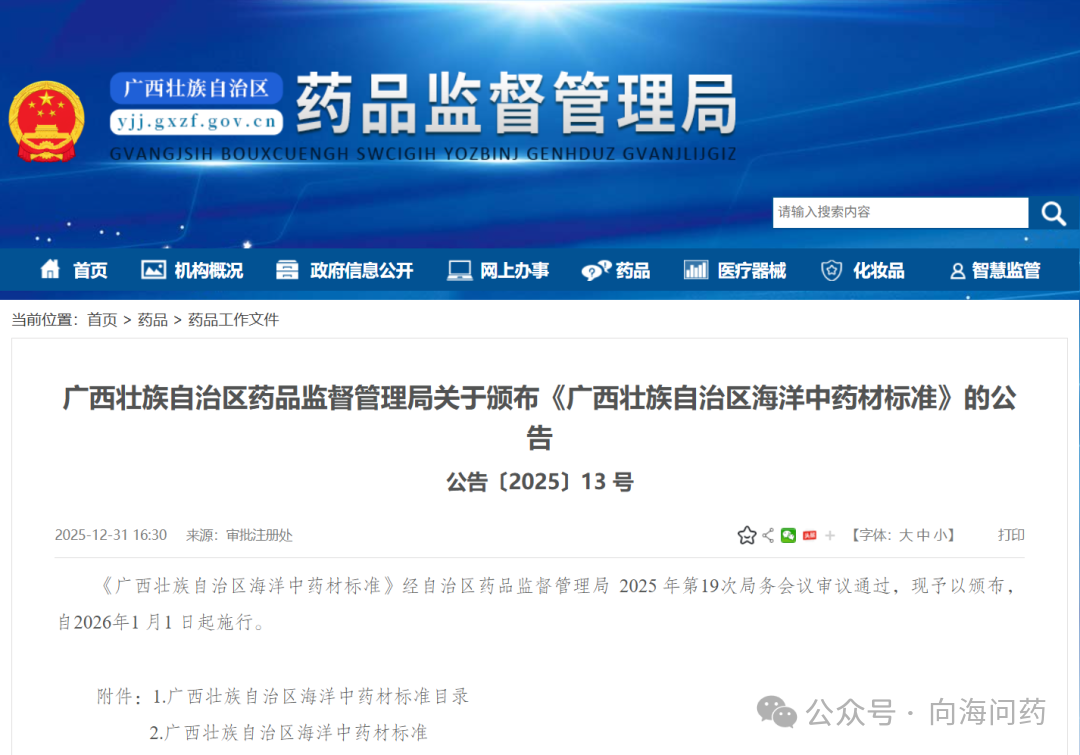
近日,全国首部省级海洋中药材地方标准——《广西海洋中药材标准》正式颁布实施。该标准一次性收载37个海洋中药材品种,明确了各品种的质量指标、检验方法、功能主治等要求,填补了我国海洋中药材标准化体系的空白,标志着北部湾“蓝色药库”开发进入规范化、产业化发展的全新阶段。广西拥有绵长的海岸线和丰富的海洋生物资源,北部湾海域已发现明确药用价值的海洋生物超700种,沙虫、牡蛎、海参、海薯藤、咸水草等特色品种民间药用历史悠久。然而长期以来,我国海洋中药材缺乏统一的质量标准,导致资源开发无序、产品质量参差不齐,成为制约产业升级的瓶颈。为破解这一难题,广西壮族自治区药品监督管理局于2024年7月率先成立海洋中药材标准制定工作领导小组,并于同年12月正式启动标准编制工作,成为全国首个全面推进海洋中药材标准化的省份。此次发布的标准历经多轮科研攻关与专家论证,严格遵循与现行《中华人民共和国药典》体式统一的规范要求。标准覆盖海洋动物、植物及微生物类药材,包含沙虫、虾壳、海漆、黄槿、苦郎树、螺旋藻等广西特色品种,为海洋中药材的生产、经营、使用及监管提供了法定技术依据,更为后续创新药、保健品、化妆品研发奠定了基础。据了解,2024年广西海洋新兴产业增加值同比增长45%,海洋药物和生物制品业已成为向海经济的重要增长点。《广西海洋中药材标准》的发布将为广西海洋生物医药产业发展注入强劲动力,推动产业从资源优势向经济优势转化。来源:广西壮族自治区药品监督管理局 广西日报版权声明:我们分享文章、图片来自网络,版权归原作者及原出处所有。此文出于学习分享、传播更多资讯之目的,无商业用途。若涉及作品内容、版权或其他问题,敬请原作者联系我们(邮箱:xianghaiwenyao@126.com),立即处理。

7月12日,中国海洋学会海洋中药专委会在青岛召开海洋中药发展大会。山东中医药大学牵头编制的团体标准《海洋中药资源分类与编码》在会上发布。该标准的发布实施,是推动自然资源部等八部门联合印发的《关于加快海洋药物和功能制品高质量发展的指导意见》落地的重要举措。自20世纪80年代以来,国际海洋药物研发取得重大突破,海洋生物医药已成为全球医药创新的前沿领域。随着海洋强国战略的深入实施,沿海各省市积极布局海洋生物医药产业,目前已形成山东、广东、浙江、福建、广西五大海洋生物医药产业集群。作为“蓝色药库”的核心资源,海洋中药是我国独具特色的海洋药物体系。《海洋中药资源分类与编码》团体标准的研制,聚焦当前海洋中药产业发展痛点,针对性解决行业长期存在的资源界定模糊、分类体系不健全、品类覆盖不全面、数据标准不统一等突出问题,厘清海洋中药资源的界定标准与分类规则。《海洋中药资源分类与编码》明确了118味海洋中药资源的代码结构、编码规则与相关要求,界定了海洋中药定义范畴、确立海洋中药资源分类体系及编码规范,对构建海洋中药理论体系、攻克海洋新药研发技术难题具有关键作用,对健全我国海洋药物创新资源标准体系、引领海洋中药产业提质增效具有重大战略价值。该标准适用于海洋中药资源普查、调研、生产、经营、流通、存储、科研、教学、临床、监督管理、信息统计、交换及互联互通等全链条管理。据悉,该标准的实施旨在体现四方面效益:有助于规范海洋中药资源管理,通过分类与编码实现海洋中药资源的系统化管理,方便开展海洋中药资源的调查、统计和保护工作;可推动海洋中药资源的科学研究、临床应用与开发利用,为科研人员和临床医师提供统一标准,提高资源利用效率,加快海洋中药资源的现代化研究进程;有助于推动海洋中药产业发展的标准化、国际化,提升海洋中药产品的国际竞争力,增强我国在海洋中药研究和市场领域的话语权;有助于实现海洋中药资源的可持续利用,支撑海洋中药资源动态信息的跟踪、分析与预测,对保护海洋生态环境、实现海洋中药资源合理开发与可持续利用提供数字化支撑。来源:i自然、中国自然资源报(新媒体编辑 周楚军 审核人 安海燕)