大多数接触人工智能的工人不需要专业的人工智能技能(如机器学习、自然语言处理等)。即便如此,人工智能也将改变这些工人所做的任务以及他们所需的技能。本报告为加拿大提供了人工智能对不需要专业人工智能技能的工作技能需求的影响的初步估计。结果显示,在高度接触人工智能的职业中,最需要的技能是管理、沟通和数字技能。这些技能包括预算编制、会计、书面沟通以及基本文字处理和电子表格软件方面的能力。研究结果还显示,在加拿大,过去十年中,高度暴露于人工智能的职业对社交和语言技能的需求增长最快。使用一个机构小组证实了对社交和言语技能的需求不断增加,对生产和身体技能的需求也在增加,这可能是对人工智能的补充。然而,机构小组也发现,有证据表明,更暴露于人工智慧的机构对商业、管理和数字技能的需求正在下降。
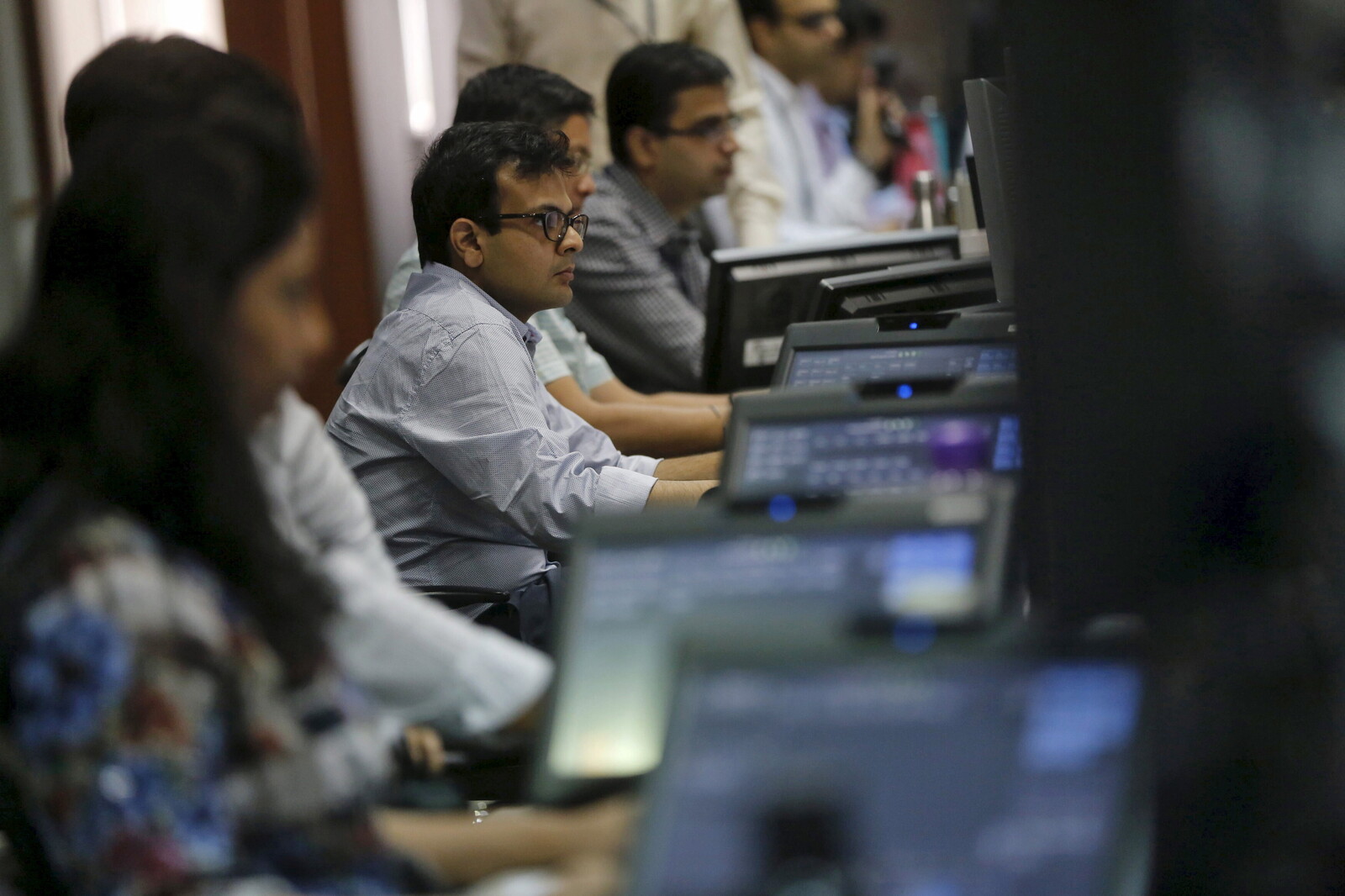
人工智能和生成型人工智能承诺让印度银行为其客户创建一个不断发展的服务生态系统,同时满足不断扩大的风险管理和合规需求

找出为什么我们越早接受人工智能的最佳部分,并建立防止伤害的约束,人工智能对我们的世界的影响就越积极。

人工智能在全球旅行中的未来将专注于为个人需求量身定制的高效、高度个性化的解决方案。
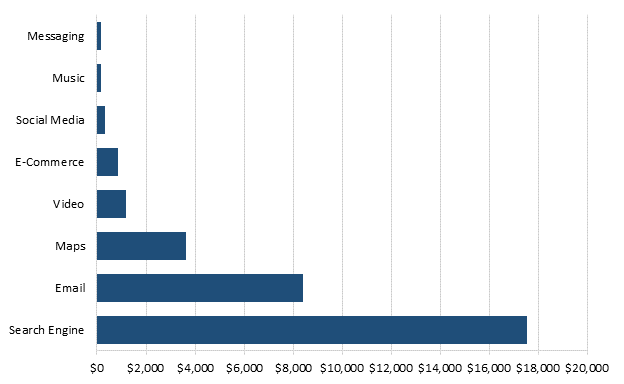
Given how many times per day we rely on digital services in our daily lives—for everything from news and information to maps, social spaces, and marketplaces—it should go without saying that these services provide tremendous benefits to consumers, the economy, and societal welfare. But therein lies a problem: Too often, it does go without saying. In fact, the critical roles these services play in our daily lives are taken almost entirely for granted. And instead of being celebrated, the big technology companies that provide digital services are now objects of fear, resentment, and withering criticism from many policymakers, pundits, and advocates. So, as we go online to finish our holiday shopping, it’s a good time to pause and measure the tangible value we gain from digital services.

It is difficult to evaluate whether the green transition will compensate for AI energy consumption.
