
the most polluting fuel source — must be completely phased out by 2040 to avoid the worst impacts of climate change.

Copper is one of the most crucial minerals needed to drive the clean energy transition, and a faster transition could push copper demand beyond current production capacity. One way to overcome this challenge is by recycling.

To keep the 1.5 degrees Celsius (°C) goal within reach, global coal combustion needs to decline rapidly. Unabated coal use for power generation, the largest coal-consuming sector globally, would need to fall from 36% in 2022 to 13% by 2030, and 3% by 2035, according to global energy system modeling.
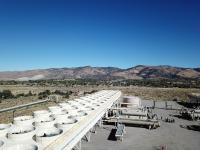
and many see geothermal as especially promising right now thanks to recent innovations.
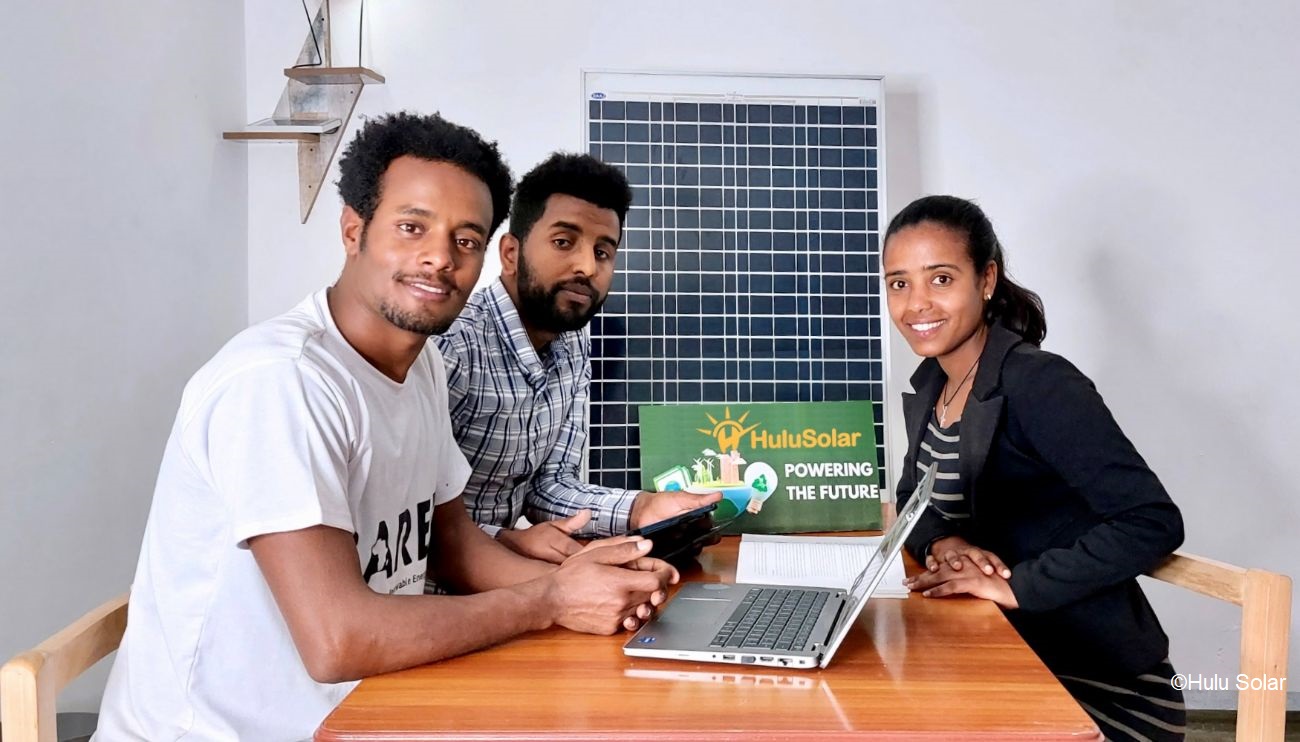
The IRENA NewGen Award 2024 selected the top four solutions from these 17 startups. As winners, they will have the opportunity to pitch their ideas in front of potential investors and investment experts during a dedicated entrepreneurship event in the United Arab Emirates (UAE) in 2025.
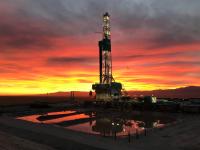
This paper provides an overview of next-generation geothermal systems, including enhanced geothermal systems, closed-loop and superhot systems. It covers current developments within the industry, environmental impacts and policy options. While geothermal energy can be used as a source of both heat and electricity, this paper focuses only on uses in the electricity sector.
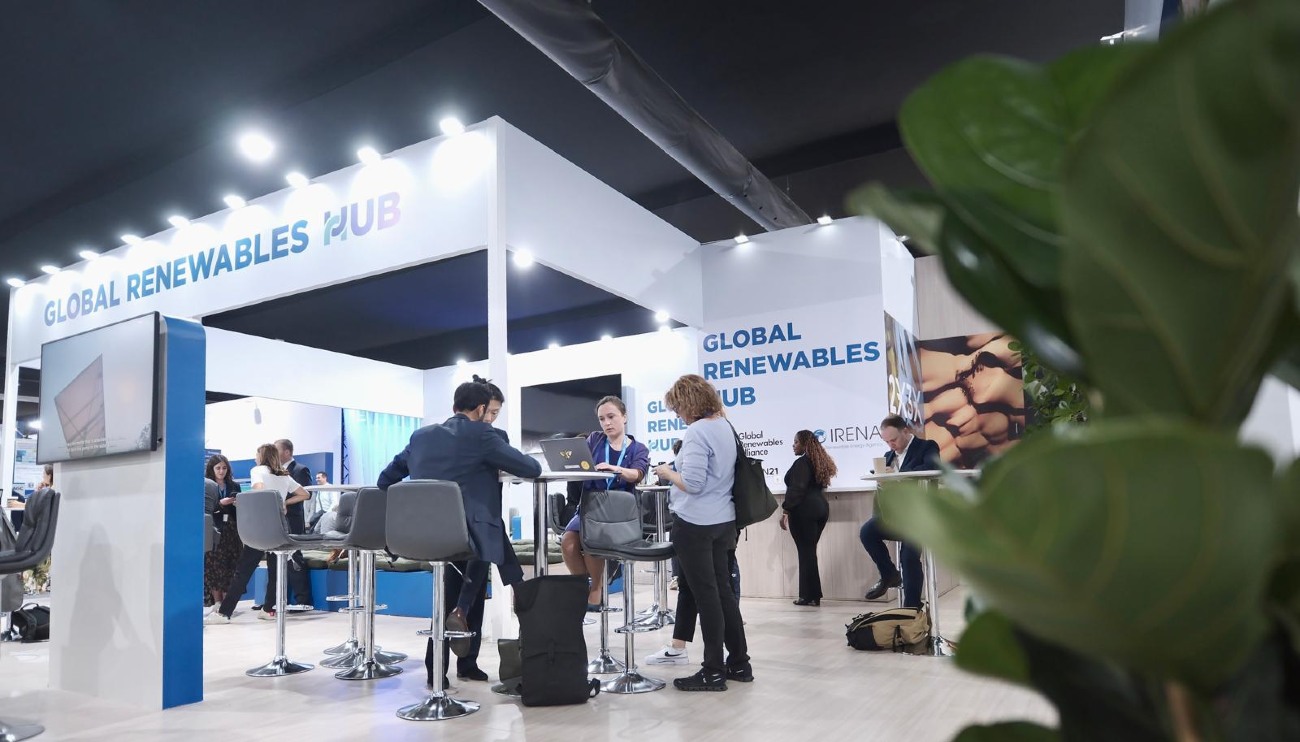
Over the course of two weeks of the conference, the International Renewable Energy Agency (IRENA) launched key initiatives and engaged with governments, the private sector, and youth, advocating for ambitious outcomes that would align decisions related to the energy transition with a 1.5°C scenario.
