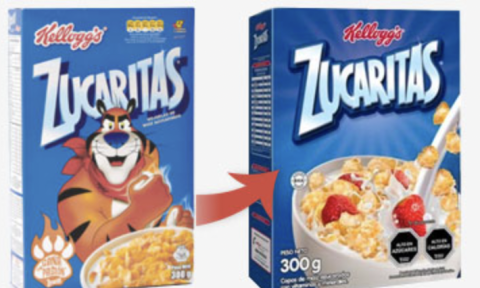
Over the past four decades, countries in the Latin America and Caribbean region have experienced a rapid nutrition transition. Populations have migrated from traditional diets to diets that rely on energy-dense, nutrient-poor foods high in added sugars, sodium, and unhealthy fats. These shifts are linked to higher levels of obesity among all ages and higher burdens of non-communicable diseases (NCDs) such as diabetes. Chile is no exception—child and adolescent obesity there continues to rise amid widespread changes in the food environment in recent decades.
本报告就如何加强外国直接投资的经济、社会和环境效益提出了政策建议。它广泛评估了外国直接投资如何有助于智利经济多样化,进入可持续和知识密集型活动(如绿氢、信息技术),还评估了影响外国直接投资对智利可持续发展影响的政策和监管框架。
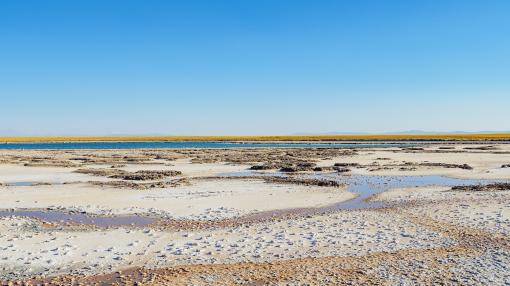
El presidente de Chile, Gabriel Boric, anunció la nueva Estrategia Nacional del Litio o #LitioporChile. En esta entrevista con Juan Luis Dammert, director de NRGI para América Latina, conversamos sobre los puntos principales del anuncio, la posible ashesión de Chile a la Iniciativa para la Transparencia de las Industrias Extractivas (EITI, por sus siglas en inglés) y su impacto en la gobernanza del litio.
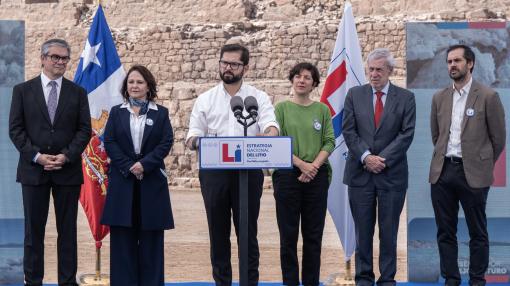
El anuncio del lanzamiento de la estrategia del litio en Chile plantea algunas interrogantes sobre el futuro de este proceso. ¿Cómo se dará el desarrollo de alianzas público–privadas? ¿Cómo se aplicarán las reglas fiscales y de transparencia, o se garantizará los procesos de participación ciudadana?
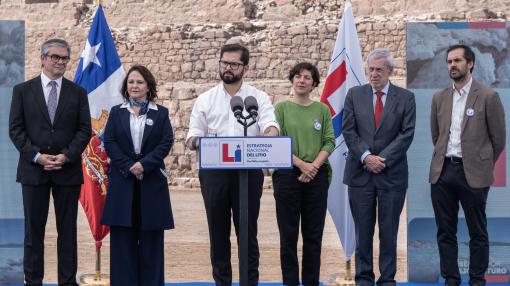
Chile's national lithium strategy seeks to improve governance, but should address key issues such as balancing economic and environmental interests and ensuring fair distribution of benefits.
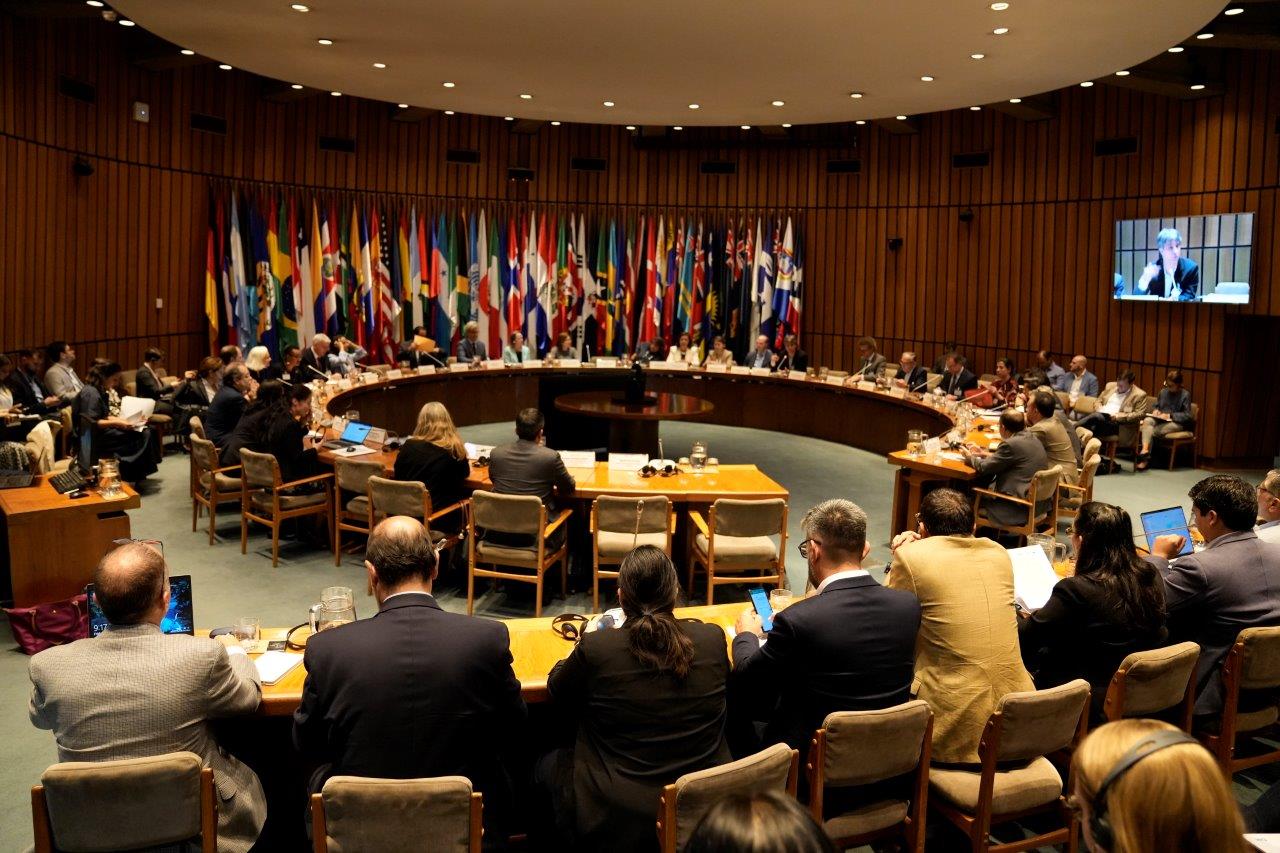
The International Energy Agency held an in-person workshop in Santiago, Chile, last week to discuss the current state of clean energy transitions in Latin America and explore future developments.
