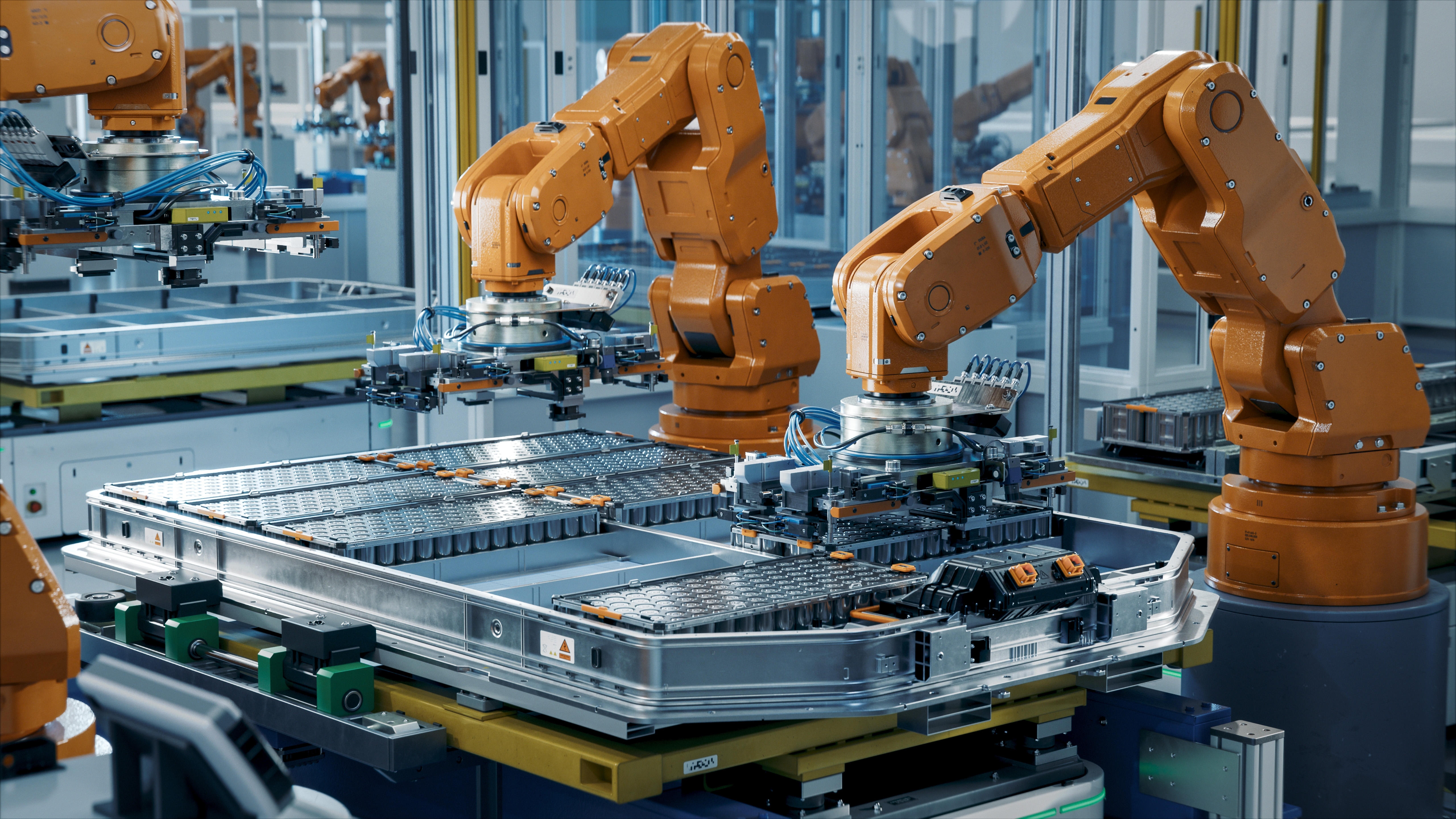
Booming investment in the manufacturing of clean energy technologies, especially solar PV and batteries, is becoming a powerful economic driver globally, creating new industrial and employment opportunities, according to a new report from the International Energy Agency released today.

High-quality carbon credits can have a role to play in accelerating the transition to clean energy and scaling up solutions such as low-emissions hydrogen, sustainable aviation fuel (SAF) and direct air capture and storage (DACS), according to a new joint report by GenZero and the International Energy Agency.

关键原材料是成功能源转型的关键,但我们需要有弹性、负责任的供应链来制造清洁能源技术。
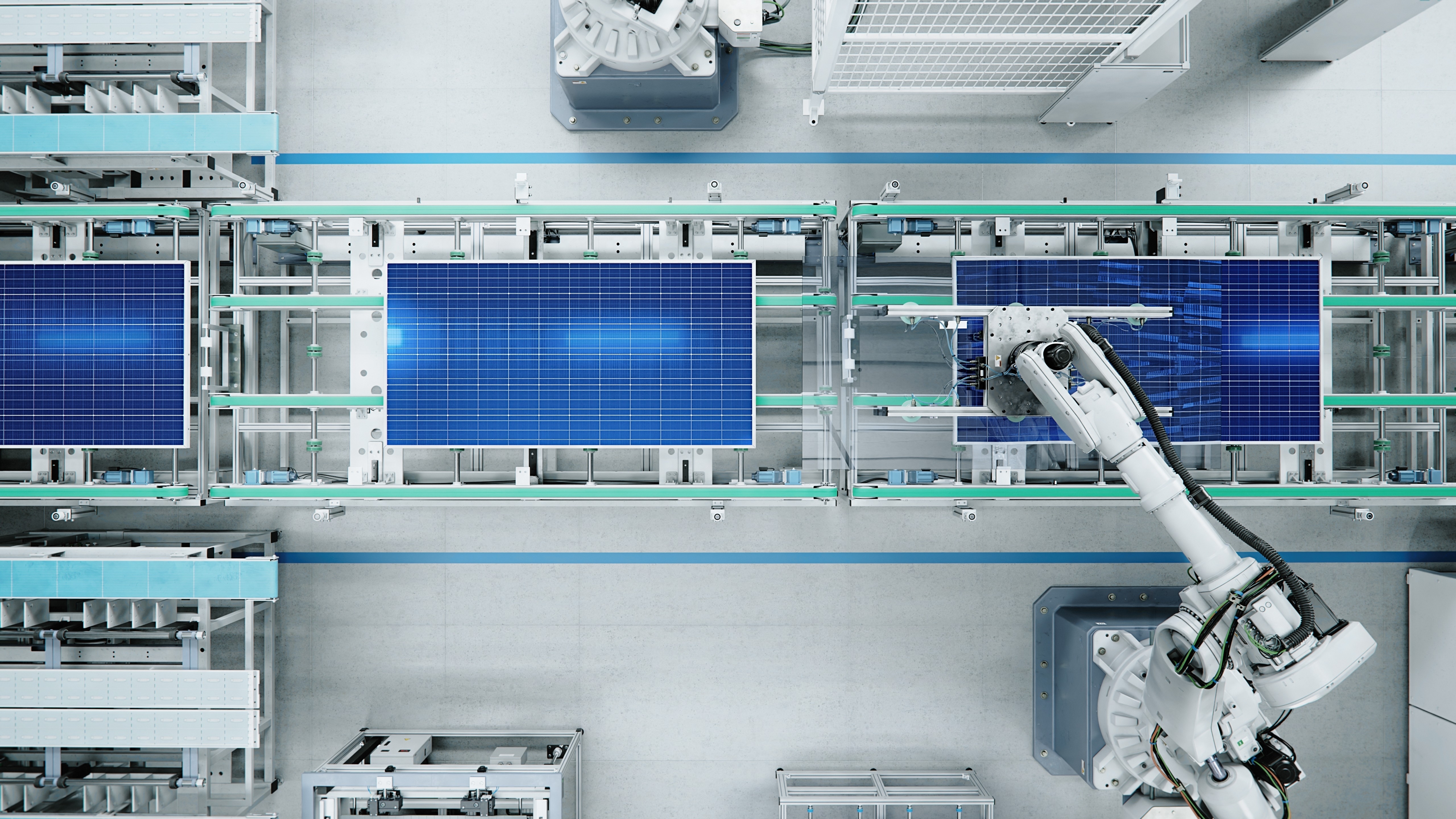
The pipeline of clean energy technology manufacturing projects remains vibrant, with significant additions in the past six months, though the average rate of new capacity announcements slowed relative to the pace set during the first quarter of the year, according to the latest update from the IEA's Energy Technology Perspectives (ETP) series.

The pace of deployment of some clean energy technologies – such as solar PV and electric vehicles – shows what can be achieved with sufficient ambition and policy action, but faster change is urgently needed across most components of the energy system to achieve net zero emissions by 2050, according to the IEA’s latest evaluation of global progress.

Investment in clean energy technologies is significantly outpacing spending on fossil fuels as affordability and security concerns triggered by the global energy crisis strengthen the momentum behind more sustainable options, according to a new IEA report.

To the Department of Energy (DOE) on the RFI related to DOE's use of demand-side support for clean energy technologies.
