
This report is part of the Equity Framework in Action by World Resource Institute’s (WRI) Electric School Bus (ESB) Initiative. Its purpose is to provide an equity analysis of the geographic distribution of school buses, their fuel types, and their emissions control technology to understand which school districts and which populations are exposed to emissions from the oldest, most polluting school buses, and, conversely, what the socioeconomic characteristics are of the districts that have had early success procuring electric school buses. We seek to answer the following question: are older school buses contributing to the disproportionate burden of transport pollution exposure seen in disadvantaged communities?
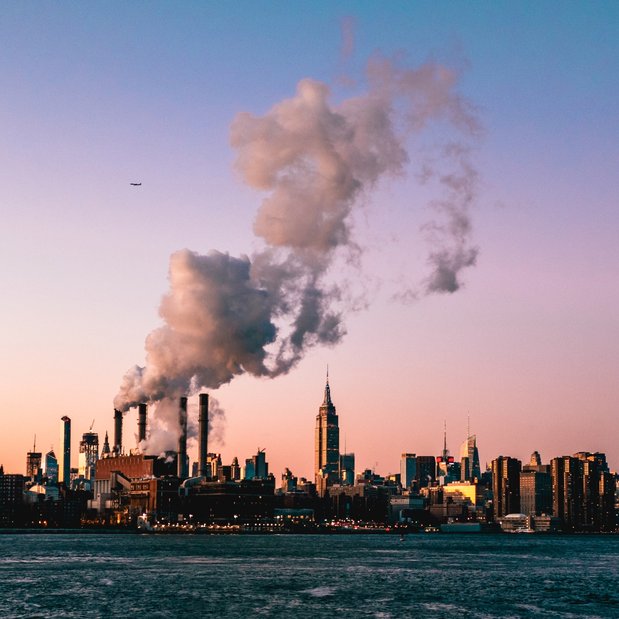
本期简报与纽约市环境正义联盟合作制作,介绍了两种方法,使纽约州的限额交易和投资系统在减少弱势社区附近的排放方面更有效。
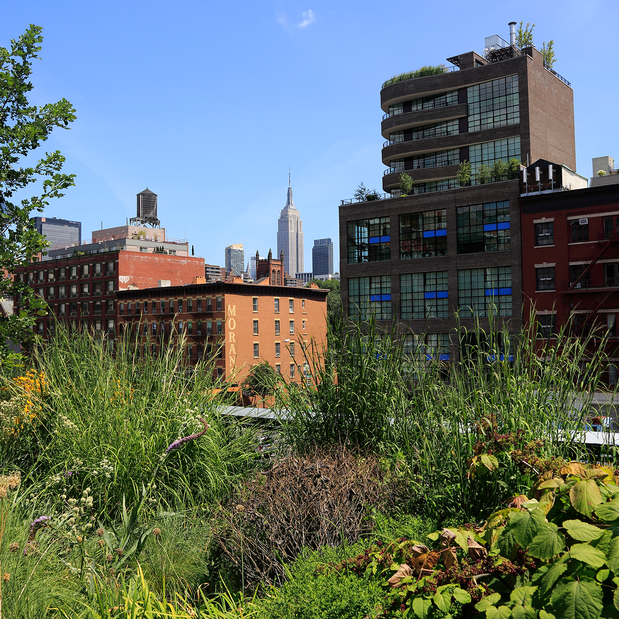
A new issue brief explores ways to make New York State’s cap-trade-and-invest system more effective at reducing emissions near disadvantaged communities.
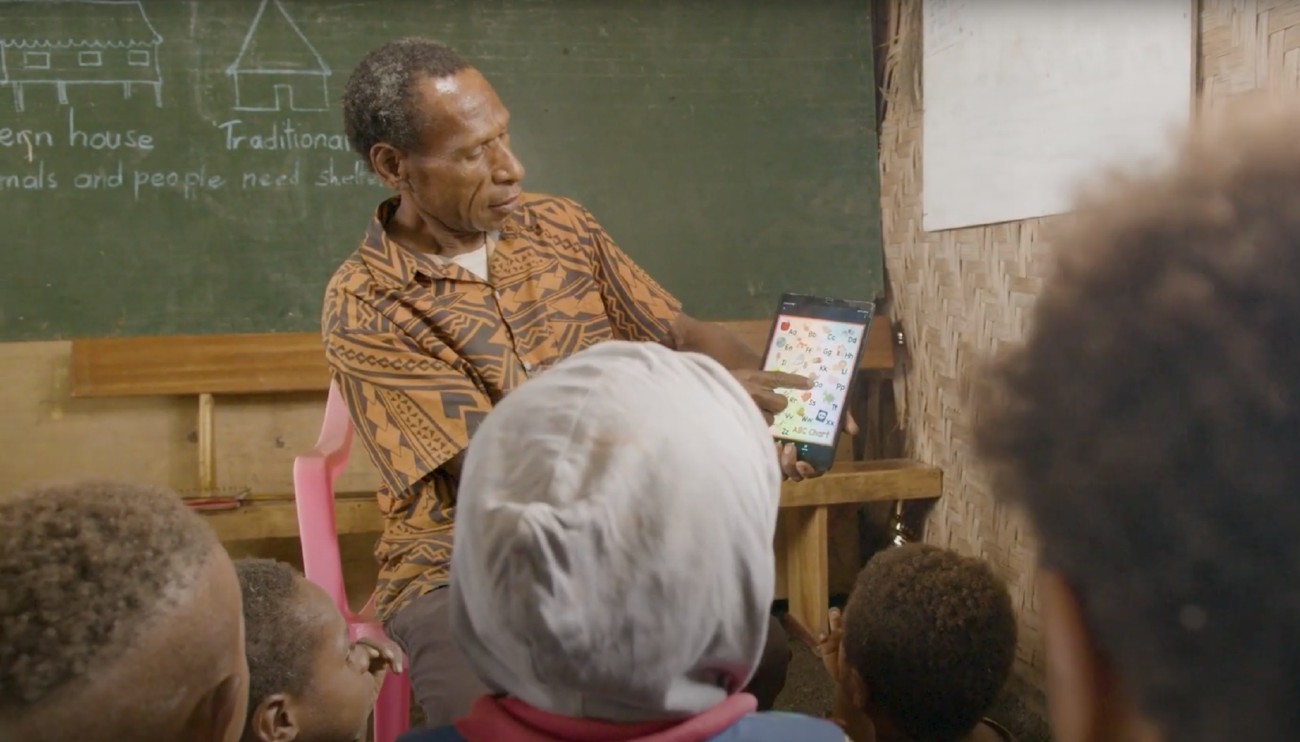
Amid challenges and ongoing rescue, decentralized hydropower solutions bring hope and tangible benefits to communities in Mount Hagen and Hogave, Papua New Guinea.
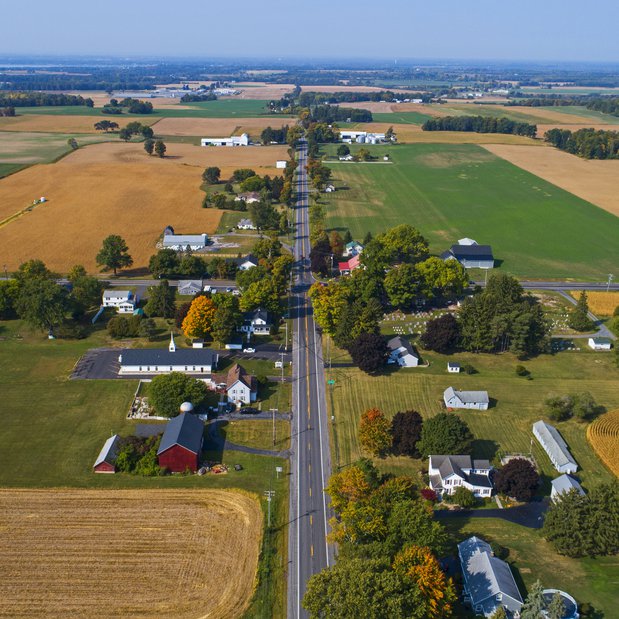
An op-ed by Nature’s editorial board references a new initiative by RFF, Columbia University, and the Bezos Earth Fund to support research on fossil fuel-dependent communities.

RFF Fellow Daniel Raimi is a guest on a podcast to discuss the global transition away from fossil fuels and what that means for US energy communities.

RFF Fellow Daniel Raimi is quoted in this story about the implications of EPA’s new power plant emissions rule on fossil fuel communities.
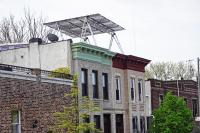
The U.S. just made one of its biggest investments in bringing clean energy to the communities that need it most.
