
Since President Joe Biden launched the Justice40 Initiative in January 2021, over $600 billion has been designated for more than 500 programs across 19 federal agencies. This funding supports climate-related infrastructure initiatives with a commitment to ensuring 40% of the benefits reach underserved communities. Through these programs and fueled by funds made available by the Inflation Reduction Act, money is directed toward clean energy and energy efficiency initiatives, improved public transit, affordable and sustainable housing, training and workforce development, remediation and reduction of legacy pollution, and the development of critical clean water and wastewater infrastructure. However, Justice40’s success hinges on the critical roles of local governments and community-based organizations that work to ensure its benefits reach those who need them most.

A blog post by RFF scholars Daniel Raimi, Alexandra Thompson, and Zachary Whitlock about place-based policies is featured in Axios' energy newsletter.

The people in countries most vulnerable to climate change are facing widespread devastation from the world’s changing climate. Despite contributing the least to climate change and with limited resources to combat the crisis, climate-vulnerable nations in Africa, Latin America and the Caribbean, and Asia and the Pacific, are hit with the heaviest burdens: from cyclones in Bangladesh, to floods in Libya, to wildfires across South America. As global temperatures continue to soar (2023 standing out as the hottest year ever), we confront a future where climate extremes are poised to unleash even more havoc.
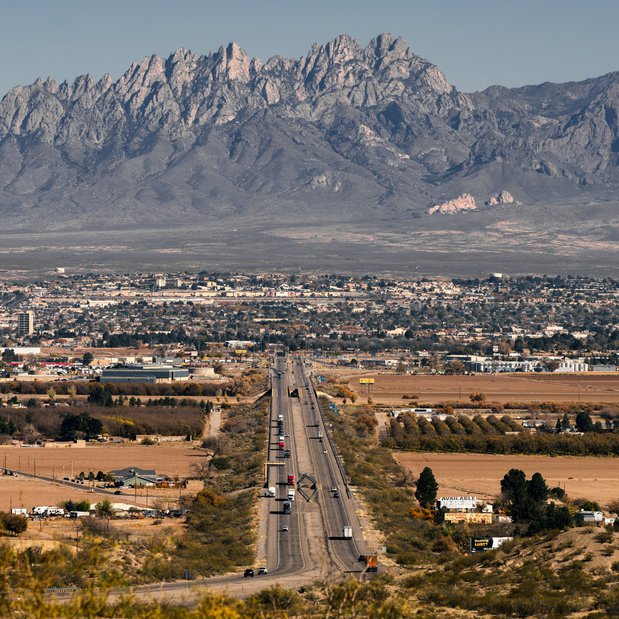
RFF Fellow Daniel Raimi shares his expertise about the American West’s energy transition.
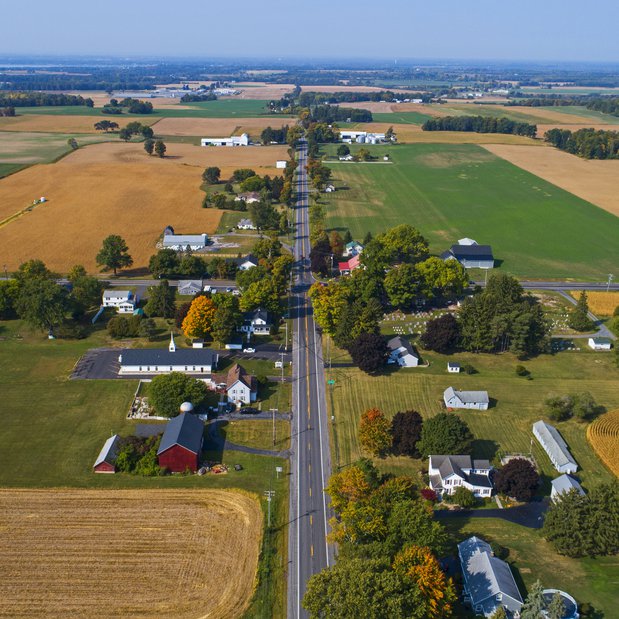
An op-ed by Nature’s editorial board references a new initiative by RFF, Columbia University, and the Bezos Earth Fund to support research on fossil fuel-dependent communities.
