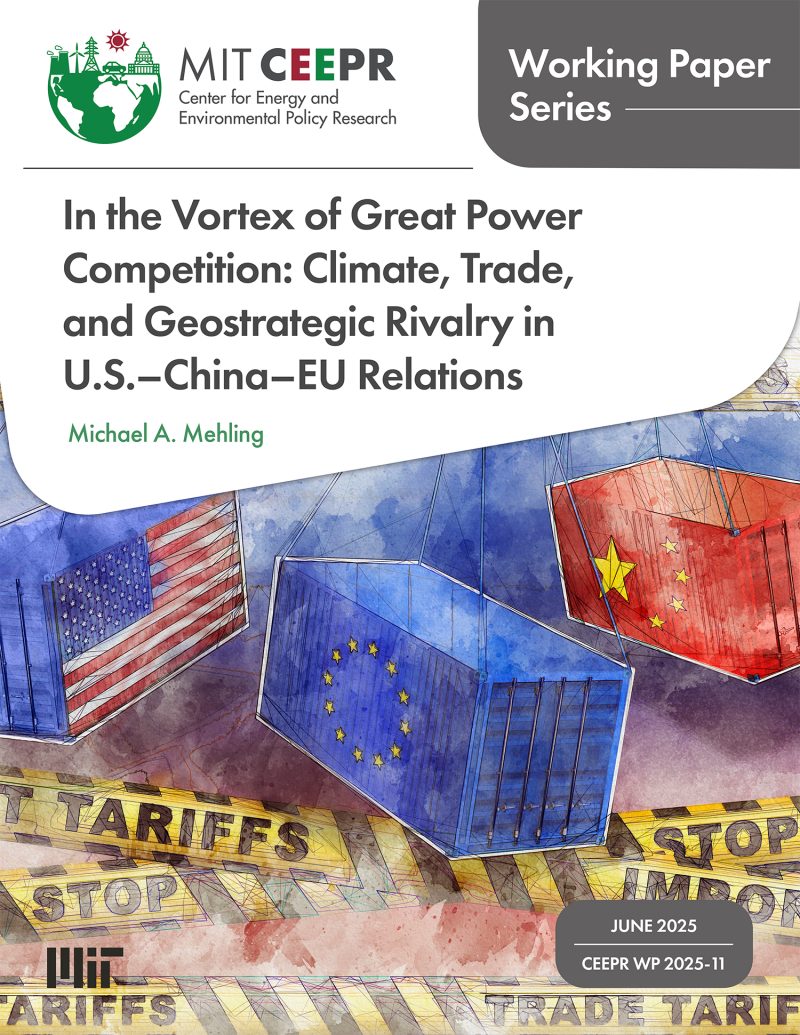
全球应对气候变化的努力似乎正走向与战略自身利益和大国政治的冲突。在气候与贸易政策的关系中,这些紧张局势最为明显。在美国,现在是世界上最大的石油和天然气生产国,唐纳德·J·特朗普总统正在系统地扭转上届政府的政策进展,寻求积极阻碍能源转型,同时采取有争议的贸易措施来实现一系列战略优先事项。中国是世界上最大的温室气体排放国,依靠几十年的国家干预,在所有主要的低碳技术供应链中占据了主导地位,在制造业中建立了无与伦比的规模和成本优势。然而,在这一过程中,中国引发了其贸易伙伴对过度依赖供应链以及中国出口依赖型经济对其贸易伙伴国内产业竞争力的影响的日益担忧。与此同时,随着地缘政治格局的演变,欧洲发现自己处于越来越困难的境地,历史上一直依赖于现在越来越退出的美国来保障军事安全,并越来越多地满足其剩余的化石燃料需求,同时在面临日益增长的经济压力和选举反弹的情况下,寻求维持其雄心勃勃的脱碳路线图。

the most polluting fuel source — must be completely phased out by 2040 to avoid the worst impacts of climate change.

本文讨论了银行减少和消除煤炭风险敞口的进展、实践和行动框架。它引入了一个三步框架,旨在指导银行建立也适用于其他化石燃料的程序。本文建议中国银行战略性地管理全球煤炭关系,并开展国际合作。通过详细的规划和持续的努力,中国的银行可以从煤炭退出中获得竞争优势。

To keep the 1.5 degrees Celsius (°C) goal within reach, global coal combustion needs to decline rapidly. Unabated coal use for power generation, the largest coal-consuming sector globally, would need to fall from 36% in 2022 to 13% by 2030, and 3% by 2035, according to global energy system modeling.
IRENA在《世界能源转型展望》中提出了1.5°C情景,提出了到2050年实现1.5°C目标的途径,将电气化和效率定位为关键的转型驱动因素,由可再生能源、清洁氢和可持续生物质实现。
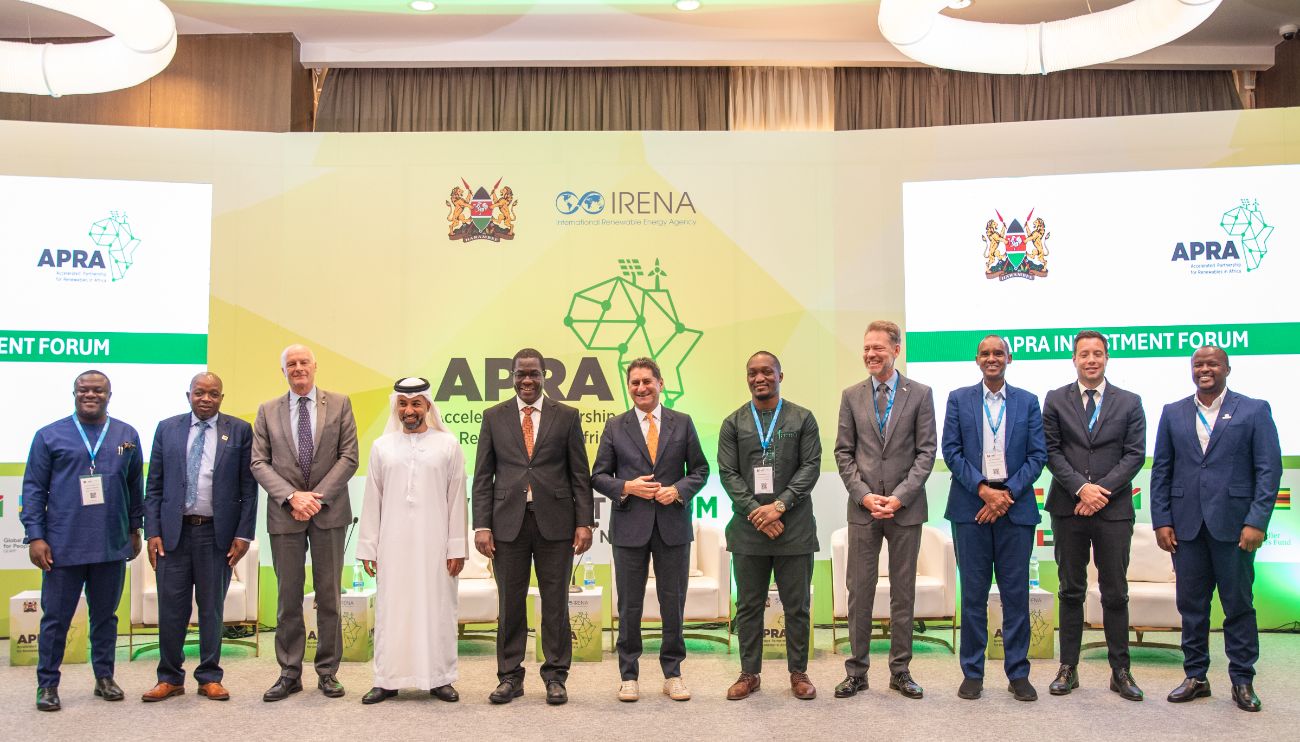
The Accelerated Partnership for Renewables in Africa (APRA) Investment Forum officially kicks off today in Nairobi to foster open dialogue, further the development of a robust project pipeline and mobilise large-scale investments to accelerate the energy transition and support the development of green industries within APRA countries.
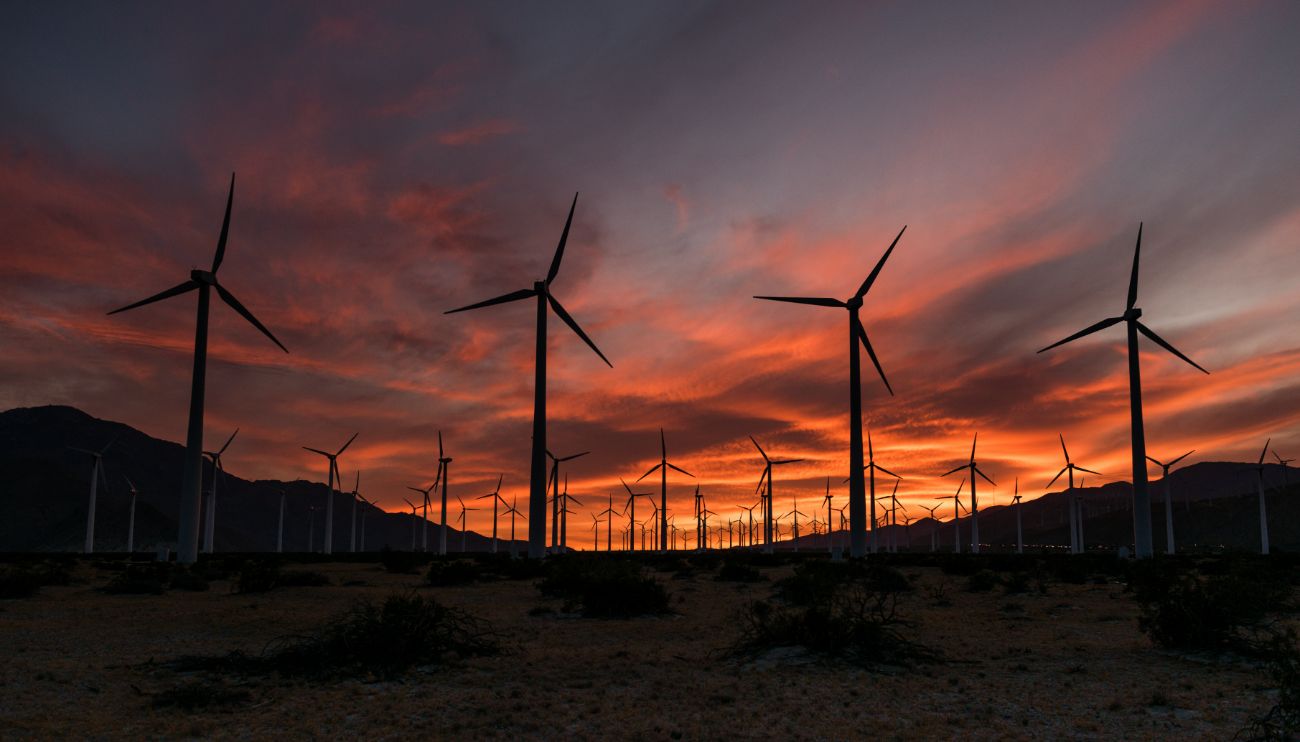
Despite an unprecedented acceleration in renewable energy deployment in 2023, progress falls short to triple renewables by 2030. Current national plans and targets are set to deliver only half of the required growth in renewable power by 2030.
这份为G20巴西主席国编写的报告侧重于该国为能源转型融资的合作方式,为为可再生能源项目创造有利环境提供了一个全面的框架。
本文探讨了埃塞俄比亚、肯尼亚、乌干达和坦桑尼亚为快速增长的纯天然气行业动员和扩大融资的机会,该行业推动了能源获取和经济增长。它强调了当地金融机构在加快向东非中小企业和最终用户提供纯贷款方面的关键作用。本文建议的干预措施侧重于消除现有障碍,激发投资者、企业家、发展伙伴和地方政府的兴趣。

Unlocking local private capital to finance the productive use of renewable energy (PURE) sector – a look at East African local financial institutions (LFIs) helps to unleash the transformative potential of PURE technologies to extend energy access, enhance food security, generate local income, stimulate economic growth, improve livelihoods, and drive clean energy demand. PURE is particularly needed among rural and lower-income demographics, such as Sub-Saharan Africa (SSA), who either lack electricity access or cannot afford it.
