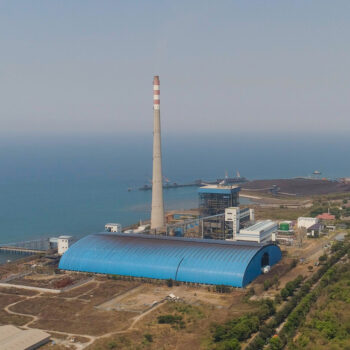
Countries across Southeast Asia are considering the use of ammonia as a fuel for co-firing in coal power plants; an approach promoted heavily by Japan. However, ammonia co-firing is very costly; has limited feasibility for deployment at scale; and risks delaying the deployment of existing cost-effective, domestic and scalable renewable energy options. This explainer explores co-firing and its risks in Southeast Asia.

世界发达经济体已承诺在未来七年内逐步淘汰煤炭。但日本并非如此,它坚持认为可以减少煤炭对地球的破坏

G7中只有日本没有明确实际废止煤炭火力的年限。那个日本作为煤炭火力延长生命的王牌是氨利用。煤氨混烧主要有四个课题。希望11月在埃及举办的COP27和明年的G7上,日本能展示出脱碳的具体路线p>
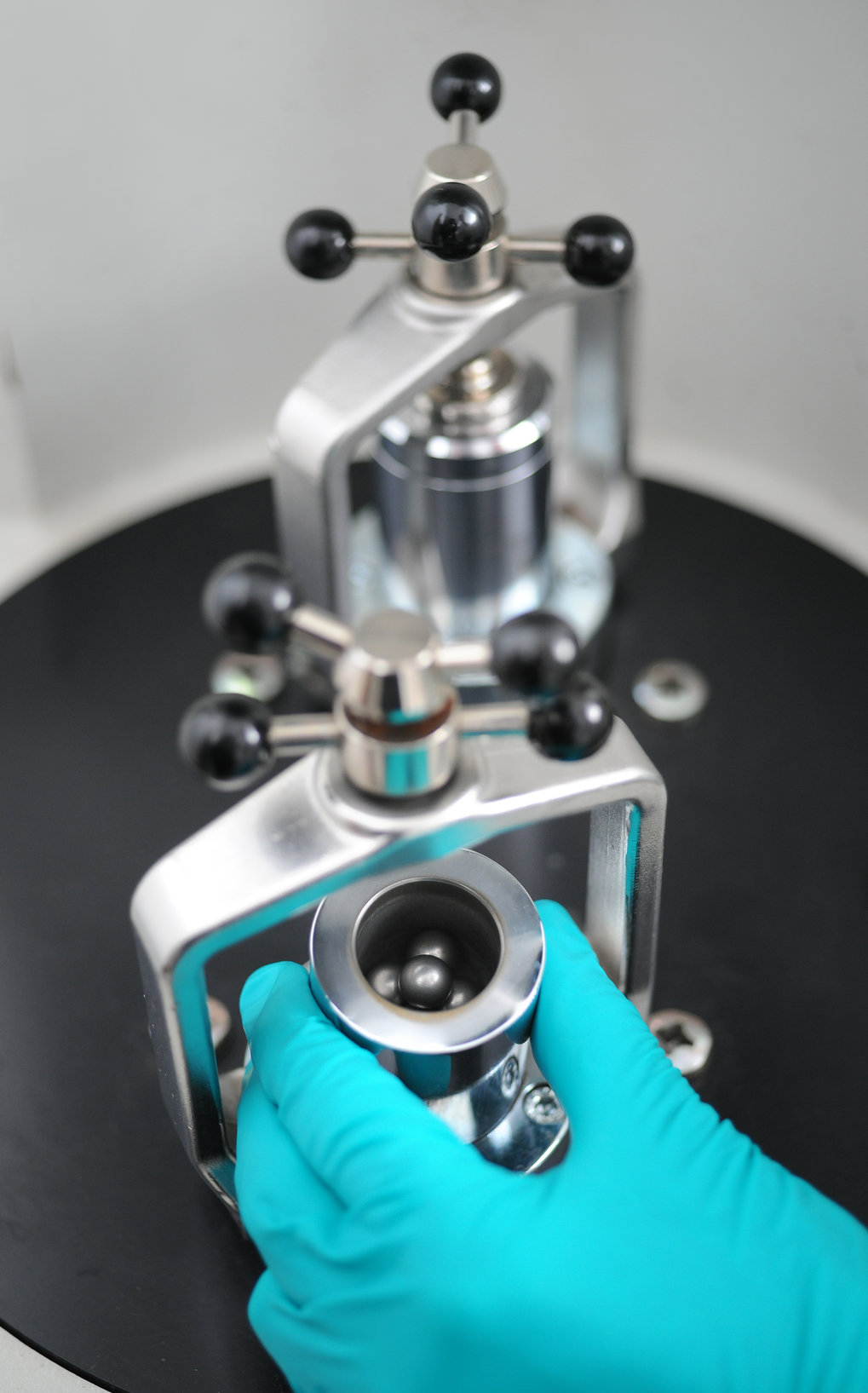
A breakthrough in the fight against hunger, three Nobel Prizes, and 150 million tonnes of annual production – yet still a tricky topic for research: For over 100 years, the chemical industry has been using the Haber-Bosch process to convert atmospheric nitrogen and hydrogen into ammonia, an important component of mineral fertilizers and many other chemical products. Scientists at the Max-Planck-Institut für Kohlenforschung have now found a surprisingly simple way to produce ammonia at ambient temperature – and even at atmospheric pressure – and thus under much milder conditions than those required for the Haber-Bosch process. The reactants are passed through a mill that grinds the catalyst used to facilitate the reaction between the inert nitrogen and hydrogen. The result is a thin but continuous stream of ammonia.
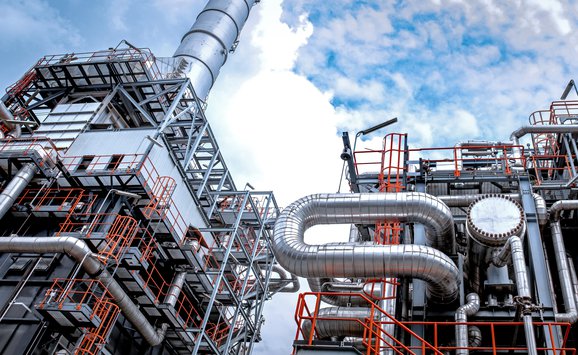
RFF’s Jay Bartlett and Alan Krupnick evaluate the production, storage, and transportation costs of “blue” and “green” hydrogen to identify near- and long-term methods for reducing industrial feedstock emissions.,This article is part of a series in which we expound on a recent report and explore how decarbonized hydrogen compares to other options for reducing carbon emissions—namely, carbon capture, utilization, and storage (CCUS) and electrification with zero-carbon power. By evaluating decarbonized hydrogen against these other two options, we explore when, where, and how hydrogen is likely to be a cost-effective method for reducing CO₂ emissions. Previous blog posts have compared blue hydrogen with end-use CCUS and green hydrogen with zero-carbon power. This and subsequent articles will consider technology options and effective policy mechanisms for decarbonizing the industrial and power sectors.
