
As if Sam Bankman-Fried did not have enough legal problems, US prosecutors lodged another explosive charge against him at the end of March. The fallen cryptocurrency champion was indicted by federal authorities for allegedly conspiring to bribe Chinese officials with $40 million to unfreeze $1 billion in cryptocurrency and hedge fund accounts. The irony of the situation is that the Chinese authorities had earlier frozen those accounts in a wave of crackdowns on digital financial fraud, recognizing the problem years ahead of the United States. Indeed, one of the biggest Chinese perpetrators of digital fraud, a buccaneer entrepreneur and Ponzi scheme perpetrator named Ding Ning, bears an uncanny resemblance to Bankman-Fried and his company, FTX. Like Bankman-Fried, Ding attracted billions of dollars in investments with much-hyped claims of financial innovation, creating a veneer of respectability fueled by expensively bought political connections and media prominence—all of it covering up a low-tech mess of fraud and sham bookkeeping. Lurid details emerged, like intimate relationships between employees and spending sprees fueled by millions of stolen client money. The swindling caught up with Ding in 2016, when he was busted for his role in a Ponzi scheme called Ezubao and led away in handcuffs. He was sentenced to life imprisonment the following year.

A report by CSET’s Josh Goldstein, Micah Musser, and CSET alumna Katerina Sedova in collaboration with OpenAI and Stanford Internet Observatory was cited in an article published on Medium. The report explores how language models could be misused for influence operations in the future, and it provides a framework for assessing potential mitigation strategies.
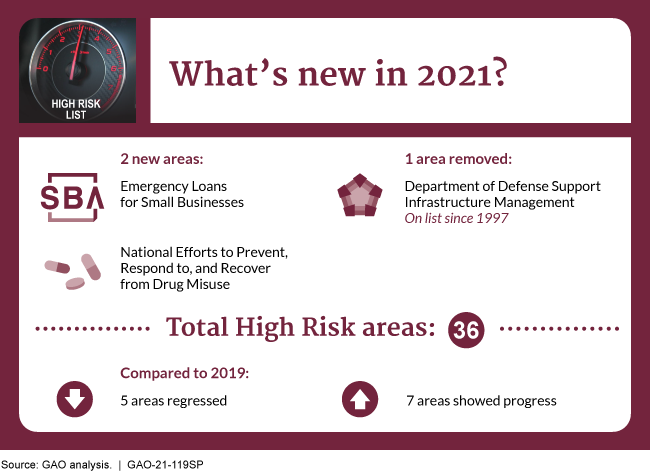
每两年,我们都会报告一次易受浪费、欺诈、滥用和管理不善影响的联邦项目和运营,或者需要广泛改革的项目和运营——我们的高风险名单。我们2021年的报告回顾了进展情况,并概述了清单上各领域需要采取的进一步行动
