该文件有助于在几个经合组织经济体最近的举措背景下重新展开关于工业政策的辩论。它讨论了以环境、国家安全和基于地方/包容性目标为动机的产业政策的利弊。本文还考虑了实施和设计问题,以及如何应对其他国家的产业政策。一些产业政策有充分的经济、社会和环境理由。然而,人们有理由担心,这种政策的好处可能有限,成本高昂。这主要涉及遏制国内和国际竞争的措施,以及设计和实施有效措施方面的实际和政治挑战。因此,尽管各国政府可能希望试验未来和以福利为导向的产业政策,但它们应该在范围上适度,在设计和实施方面谨慎行事,并注意可能产生的负面国际影响。

联邦机构可以将资金奖励给外国组织或个人,以鼓励科学进步。但一些申请者可能会试图利用美国资助的研究,包括以危害美国国家安全的方式

The United States needs to strengthen its ability to protect its Arctic interests as the region becomes a more active security environment. Key areas for improvement include communications, infrastructure, training, equipment, tactics and the ability to scale presence.
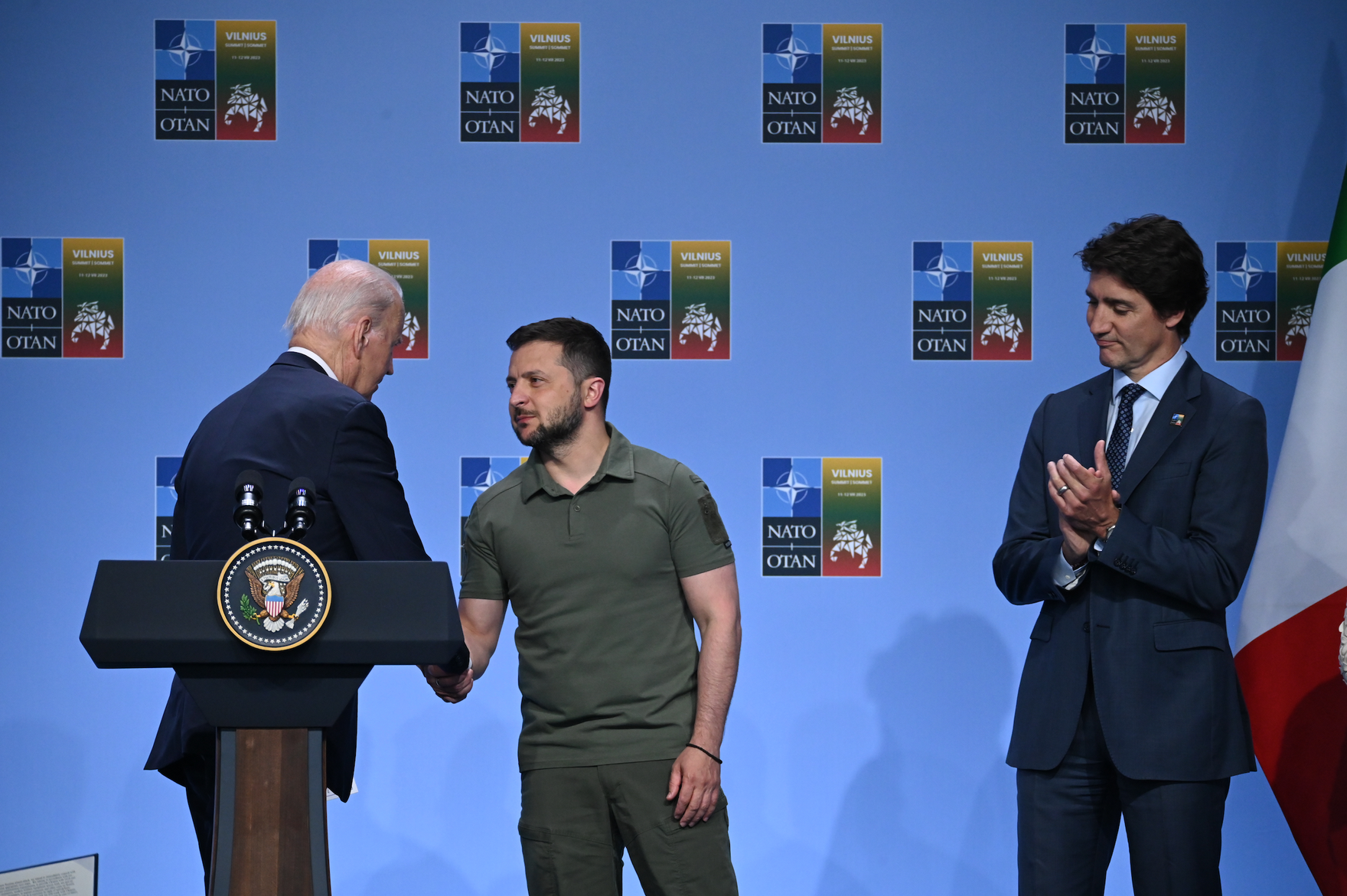
The current geopolitical environment is turbulent, dangerous, torn loose from the anchor of a rules-based international order and the optimism that attended the end of the Cold War. In searching for a descriptor, the phrase gaining traction among political leaders in the English-speaking world is “inflection point.” US President Joe Biden most recently used it in an address in Vilnius on July 12, following the North Atlantic Treaty Organization (NATO) summit. He told his Lithuanian audience that “we stand at an inflection point, an inflection point in history, where the choices we make now are going to shape the direction of our world for decades to come. The world has changed.”

Artificial intelligence is advancing so rapidly that many who have been part of its development are now among the most vocal about the need to regulate it. While AI will bring many benefits, it is also potentially dangerous; it could be used to create cyber or bio weapons or to launch massive disinformation attacks. And if an AI is stolen or leaked even once, it could be impossible to prevent it from spreading throughout the world.
While the national security community often focuses on strategic competition between the United States and its near-peer adversaries, the conflict in Sudan is a good reminder that regional powers are also engaged in competition for influence and resources.

Archaic U.S. military and federal policies, combined with decades-old understandings about autism spectrum disorder, create an environment where people hide their autism and other cognitive diagnoses. Our national security challenges are too difficult and too important to leave to the portion of the population who use their brains in only “typical” ways.

Archaic U.S. military and federal policies, combined with decades-old understandings about autism spectrum disorder, create an environment where people hide their autism and other cognitive diagnoses. Our national security challenges are too difficult and too important to leave to the portion of the population who use their brains in only “typical” ways.

Addressing potential risks posed by artificial intelligence (AI) could begin with simple steps like finding appropriate risk-management approaches, conducting research to determine how AI can better meet designers' intent, and devising responses to issues related to racism, sexism, and other biases within AI systems.

What signal does revoking policies related to improved access to reproductive health care send to young women who are considering the military as a possible path for them? Given an already concerning recruiting environment, can we really afford to further alienate an entire gender when it comes to protecting our national security?
