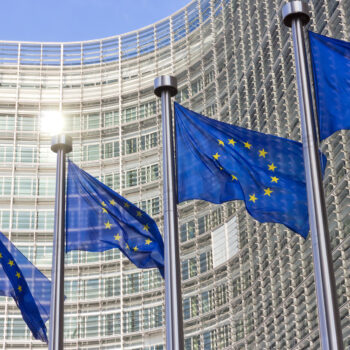
A reform of the rules governing EU power markets, agreed just before Christmas 2023, creates new tools to support renewable energy investments, protect consumers and make grids more flexible and digital. Together with RePowerEU, a plan adopted earlier in the year to achieve EU independence from Russian energy imports, it constitutes a significant step toward achieving a predominantly fossil-free power system by 2035.

COP’s first week is dominated by leaders’ statements, followed by sectoral days. In week two, attention turns to negotiations, with endgame texts thrashed out to (hopefully) reach a consensus. This year many decisions, including on energy, are likely to emerge in the first Global Stocktake (GST).

This comment piece has been written by the Rt Hon Chris Skidmore, MP for Kingswood in Gloucestershire and Chair of the All-Party Parliamentary Group for the Environment.
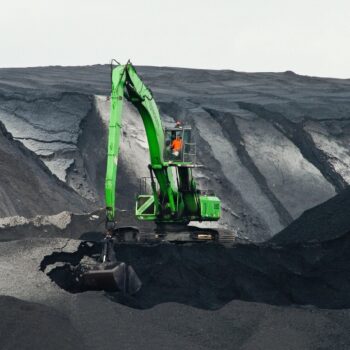
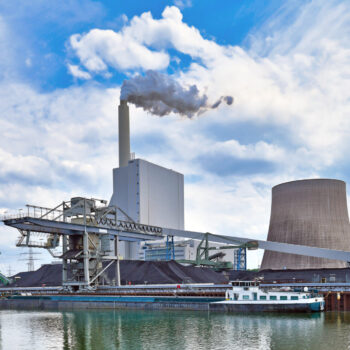
All fossil fuels must peak immediately and start to decline this decade. Coal, the dirtiest fossil fuel, is the single largest source of carbon emissions and a major contributor to air pollution that takes a devastating toll on public health.
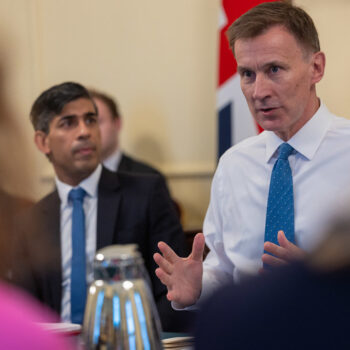

Rishi Sunak’s recent King’s Speech including commitments to extend oil and gas licensing, following on from the net zero rowbacks in September, are clear signs that this Government is drawing new political dividing lines which threaten the UK’s net zero credibility. What has not changed is the strong business and voter consensus that green growth is Britain’s ‘economic opportunity of the 21st century’.
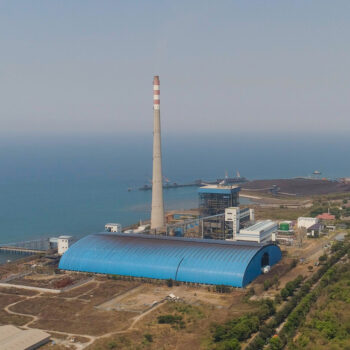
Countries across Southeast Asia are considering the use of ammonia as a fuel for co-firing in coal power plants; an approach promoted heavily by Japan. However, ammonia co-firing is very costly; has limited feasibility for deployment at scale; and risks delaying the deployment of existing cost-effective, domestic and scalable renewable energy options. This explainer explores co-firing and its risks in Southeast Asia.
2023年版的《生产差距报告》发现,各国政府计划生产 围绕 增加110% 化石燃料 2030年 与将升温限制在1.5°C相一致, 比2°C时高69%。

As the war in Ukraine enters its second winter, international donors face the challenge of aligning emergency and reconstruction aid with the urgent need to keep the population warm and ensure the country’s long-term energy security. Clean-energy solutions represent a triple win in this challenging context. They boost energy autonomy and resilience, reduce air pollution and greenhouse gas emissions, and set Ukraine on a path to a low-carbon recovery.
